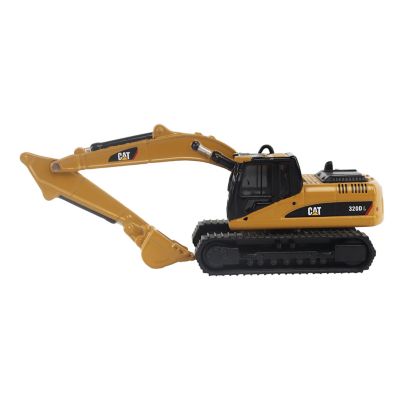
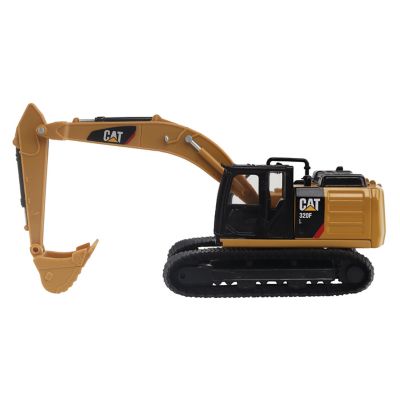
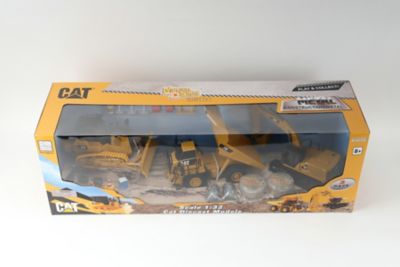
Diecast excavator models are scale replicas of digging equipment, typically combining cast metal parts with plastic or rubber components to capture the shape and details of a full-size machine. They bring familiar jobsite equipment down to shelf size, from compact excavators suited to tight spaces to larger machines built for earthmoving. For someone who works around equipment, the appeal might be the shape of the boom, the counterweight behind the cab, or the track assembly that looks like the machine parked beside a freshly dug pond. For a collector, it might be the way several machines look together in a construction scene. Scale is one of the first details worth checking because it describes the model’s proportions rather than its exact dimensions. At 1:50 scale, 50 inches on the full-size excavator equal 1 inch on the replica. This is a common scale for construction equipment collections, offering room for visible detail without requiring an oversized display area. Smaller 1:87 scale excavators fit naturally into many HO-scale railroad layouts and compact scenes, while 1:32 scale models generally take up more space when representing the same machine. A larger number after the colon means a smaller replica of an otherwise identical excavator. Still, scale alone does not tell the whole story: a model of a large earthmover can occupy more room than a model of a compact excavator, even when both share the same scale. Overall length, width, height, and the position of the digging arm all affect the space needed. Measure the shelf or display case with the boom and bucket arrangement in mind, not just the tracks. A machine shown with its arm extended may need considerably more room than one positioned for transport. That extra clearance also helps keep a bucket, mirror, or handrail from catching on the edge of a shelf when the model is moved.
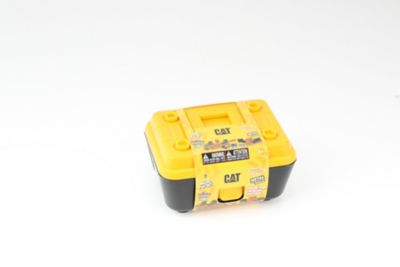
Materials and moving features help determine how a diecast excavator model feels in the hand and how it fits its intended purpose. Cast metal can provide weight and a solid feel, while molded plastic allows for finer shapes such as cab interiors, engine covers, railings, and small fittings. Tracks may be rubber, plastic, or linked metal, depending on the design. An all-metal appearance does not necessarily mean every component is metal, and finer details deserve a gentle touch regardless of the main body material. Articulated booms, pivoting sticks, movable buckets, and rotating upper structures can make a replica more engaging to position. On models with those features, the cab and engine housing generally turn together above the undercarriage, echoing the layout of a full-size excavator. Some replicas also include visible cylinder rods, hydraulic-line details, opening panels, or attachment connections. These features vary, so the description and photographs matter more than assumptions based on scale. A movable cylinder usually represents the action of the real machine; it does not mean the replica has a powered hydraulic system. For a display that shows a bucket reaching into a trench or resting beside a gravel pile, check the available range of movement and leave room for the model to sit securely. Small joints should move with light, controlled pressure rather than a hard pull. Lift a model by its main body or undercarriage instead of grabbing the boom, exhaust pipe, or cab railing. Routine care is straightforward: lift loose dust with a soft brush, then wipe suitable surfaces with a soft cloth according to the maker’s directions. Avoid soaking the model or applying strong cleaners, which can affect paint, clear windows, printed markings, and rubber parts. A display case helps keep dust away from tight spots around the tracks and linkage. Keeping the original packaging can also make later moves easier, especially when its inserts support the body without pressing against delicate parts.
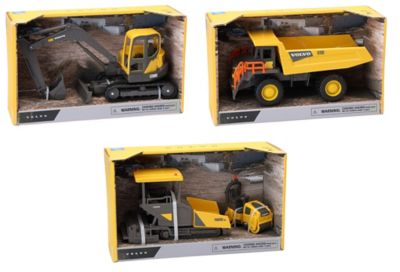
The best fit depends on whether a diecast excavator model is headed for a collector’s shelf, a model railroad, a farm scene, or age-appropriate play. Equipment operators, construction crews, farmers, and machinery enthusiasts may appreciate a replica that reflects the kind of work they know firsthand. A birthday gift or retirement keepsake can carry extra meaning when the machine type calls to mind years of digging drainage lines, clearing building sites, or loading spoil beside a work truck. Matching the recipient’s interests often matters more than choosing the largest model. Someone with a compact display may prefer a smaller scale, while a collector who enjoys studying mechanical details may want a larger replica with visible linkage and a furnished cab. For younger equipment fans, follow the stated age recommendation and intended-use labeling. Collector models can have small detachable pieces, narrow railings, and joints that are not built for repeated rough handling; they should not be treated as play toys unless labeled for that purpose. Sand, loose soil, and grit can also work into track assemblies and pivot points, so an indoor display model is not automatically a match for sandbox digging. For a farm-and-construction collection, keeping nearby vehicles in a compatible scale helps the scene look balanced. An excavator beside a farm lane, drainage ditch, or equipment shed makes sense alongside agricultural machinery, and
Diecast Farm Tractors for Collectors offers another direction for building out that setting. Pay attention to the size relationship between machines, buildings, and figures rather than expecting every replica to match simply because it represents familiar equipment. Leave enough room to see the excavator’s profile and bucket without crowding neighboring pieces. Whether the goal is a single machine on a desk or a shelf full of hardworking equipment, the right combination of scale, materials, features, and intended use makes the collection easier to enjoy and care for.