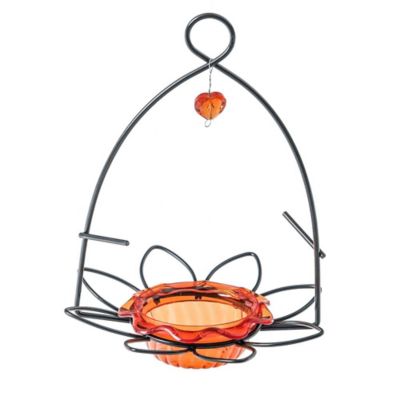
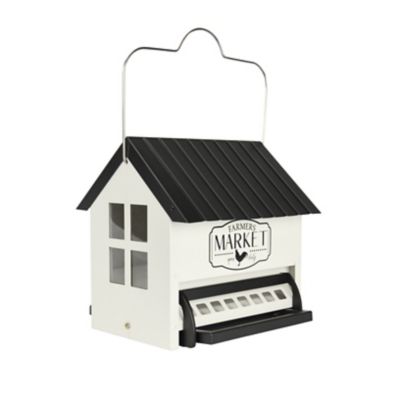
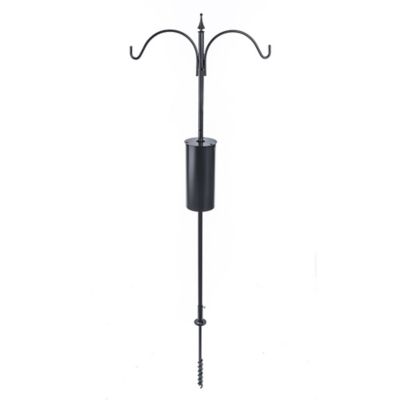
A deer-proof bird feeder setup keeps the feeding ports, perches and tray beyond a deer’s standing reach and cuts down on the seed that lands below. Height does most of the work. Around 8 feet off the ground is a practical starting point for the lowest part a deer could reach, though the lay of the yard matters as much as the length of the pole. A feeder hanging 8 feet above the foot of a slope might be well within reach from the uphill side. A raised bed, retaining wall or nearby bank can give a deer that same advantage. Out by a fence row where deer already pass through, a freestanding pole with a firm base offers more control over height and placement than a hook on the fence. A hanging feeder can work just as well where a sturdy branch or overhead support holds it high enough without leaving the feeder low on a long chain. Either way, the mounting hardware needs to carry the feeder with a full load of seed, not just its empty weight. The fit matters where the hanger meets the hook or where the feeder bracket slips onto the pole. A loose connection can let a feeder tip and spill when it’s bumped. So can a long hanger that lets a heavy feeder swing freely. A pole with a built-in lowering mechanism or a pulley that holds the feeder securely at feeding height makes refilling from the ground easier. That feature comes in handy when the feeder sits where it’s easy to see from the kitchen window but too high to reach from the porch. No feeder can promise to keep every deer out, but a steady mount at the right height handles a problem that extra hardware on a low feeder may not solve.
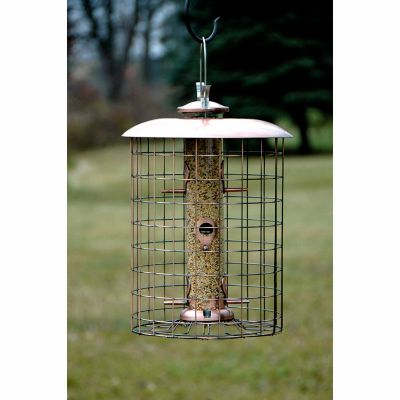
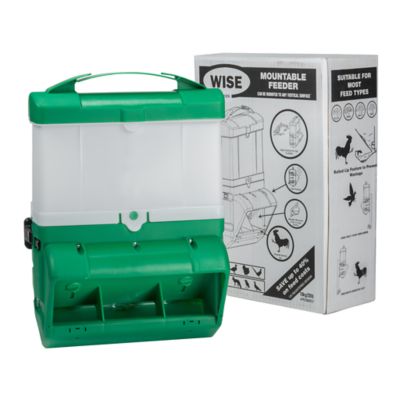
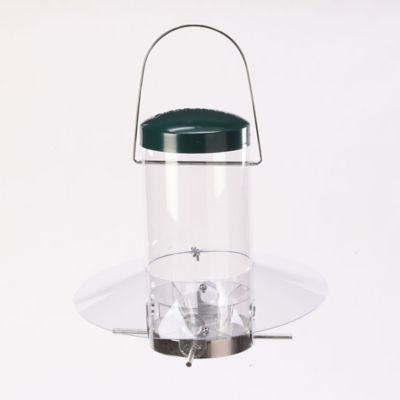
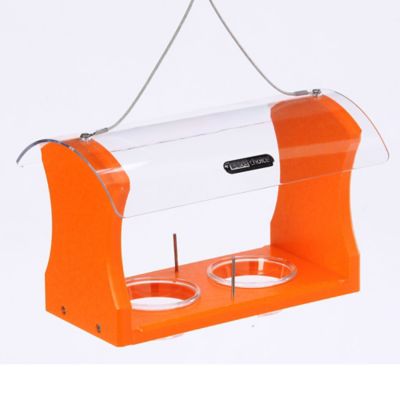
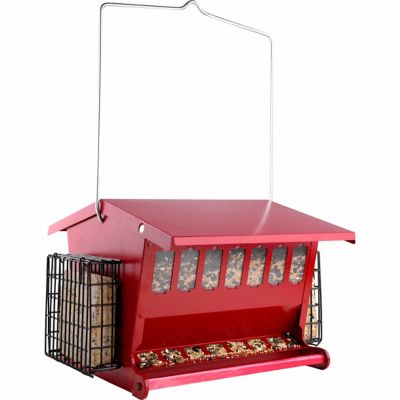
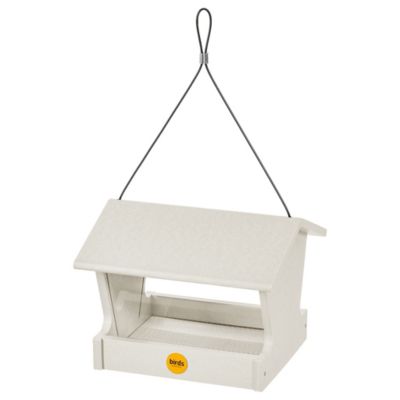
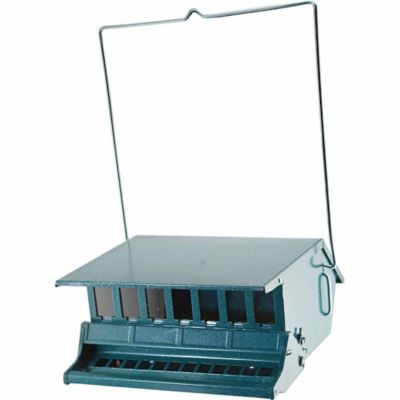
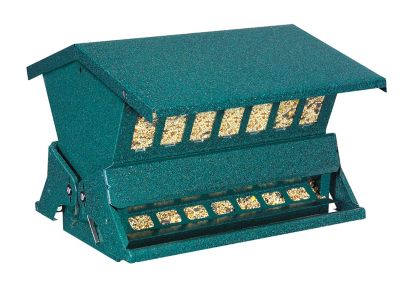
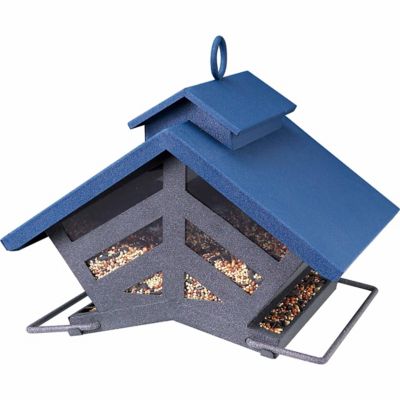
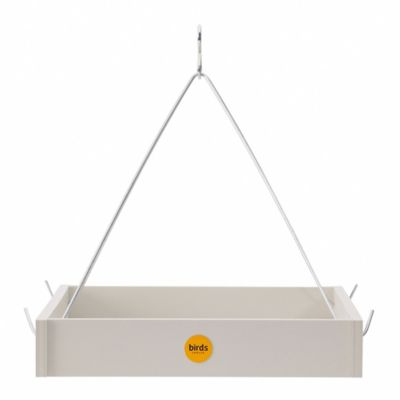
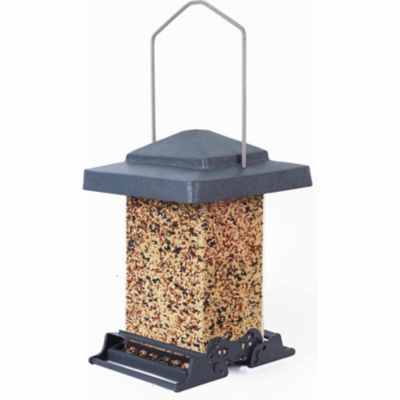
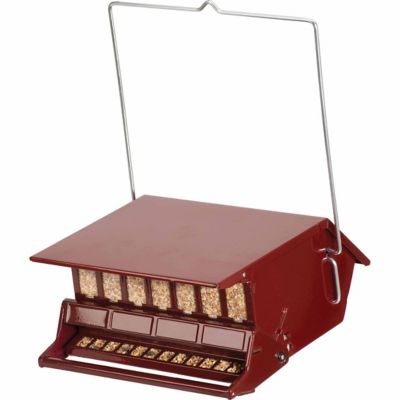
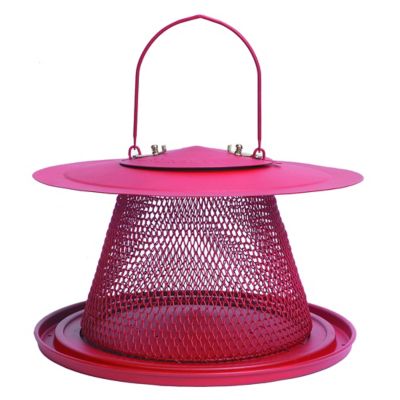
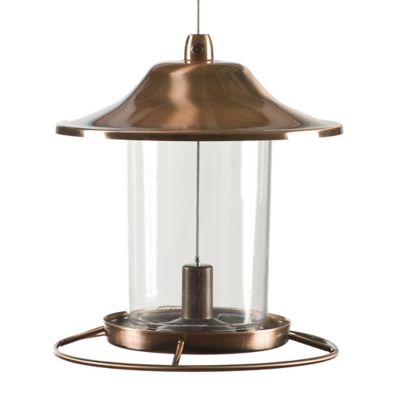
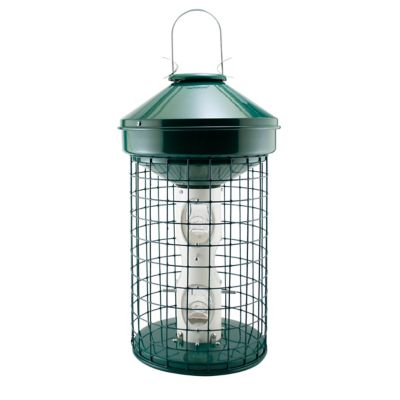
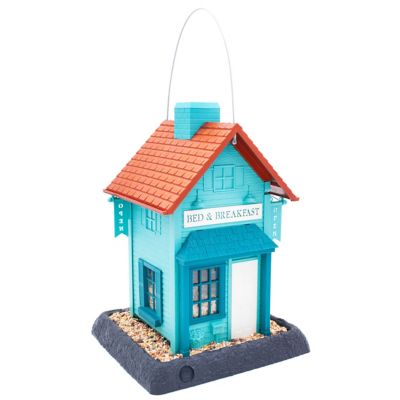
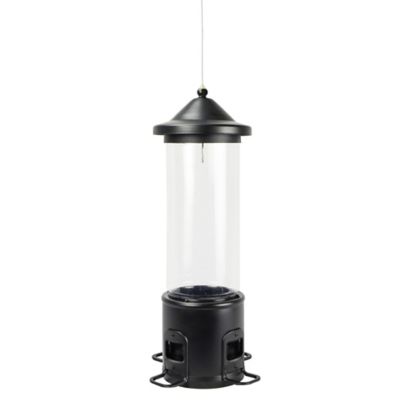
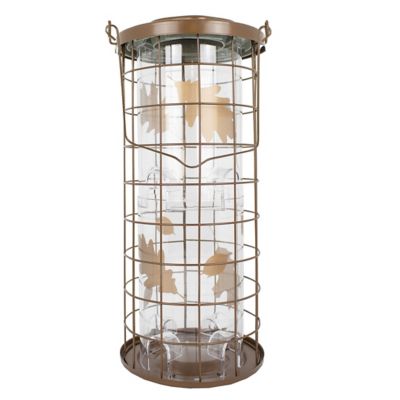
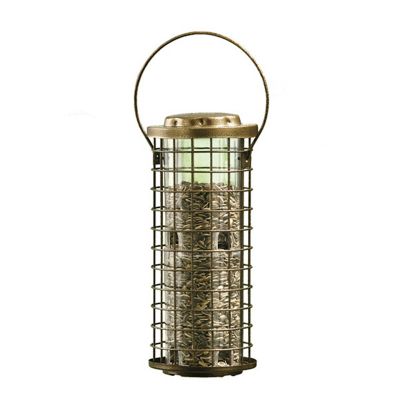
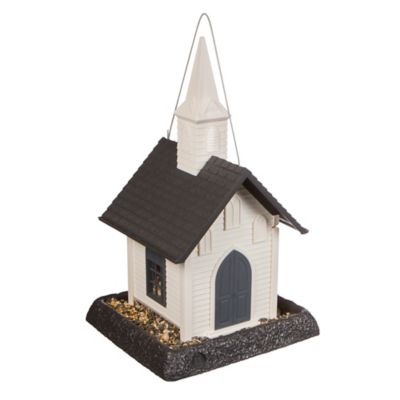
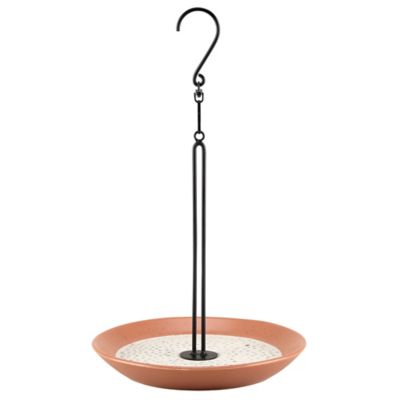
Feeder style makes a difference in how much seed a deer can get to, both at the feeder and on the ground. A tube with small feeding ports holds most of the seed inside, while an open platform puts the whole serving within reach if it hangs too low. A hopper with a narrow feeding ledge offers more room for birds that like to perch without leaving as much seed exposed as an open tray. Caged feeders leave room for small birds such as chickadees and finches to slip through, but the space between the cage and the feeding ports matters. If the ports sit right against the outer wire, a deer may still reach seed with its muzzle. Some weight-sensitive feeders close their ports under pressure, but that feature only helps when an animal puts weight on the part that triggers it. A deer reaching from the side may never touch the perch. Likewise, a baffle on a pole can block climbing animals, but it won’t stop a deer from reaching over it to a low tray. A shallow catch tray can cut down on what birds scatter, as long as the tray itself stays out of reach and doesn’t collect more seed than it can hold. Birds that pick through a mix for sunflower seeds can leave a surprising pile beneath a feeder, even when deer can’t touch the ports. A single seed type that suits the birds visiting the yard can mean fewer rejected seeds on the ground. Shelled sunflower seed leaves fewer hulls to rake up, though the kernels that fall are still food for deer. Safflower may draw less interest from some deer, but it isn’t a substitute for good placement. Where deer already nose around beneath a feeder, a design that keeps seed contained and leaves the ground easy to sweep can matter more than a bigger hopper.
Construction and upkeep help determine how well a feeder holds up through repeated fillings and cleanings. Coated metal can make sense for hooks, cages and port surrounds that take the most knocks, while a clear plastic tube makes it easy to see whether seed is flowing all the way down to the ports. On a wooden feeder, how the roof fits over the hopper and how the bottom comes apart can matter more day to day than the finish. Covered ports and snug lids, like those found on many
Weatherproof Bird Feeders, help keep seed dry, but those features serve a different purpose from a high mount or a cage. A lid that lifts clear, a tray that detaches and ports that can be reached with a brush make it easier to remove old seed, wash the feeder and let the parts dry before a refill. A smaller reservoir can be a better fit for a yard with a few regular birds, since there’s less seed sitting in the feeder between visits. A larger hopper can make sense where a steady flock empties it quickly and the hanger can bear the extra weight. For a gift, the recipient’s setup is a good place to start. Someone who already has a pole might get more out of a feeder that fits the existing bracket than one that calls for a different mount. A person who likes to watch birds from the back steps might appreciate a feeder that lowers easily for cleaning rather than one that has to come down by ladder. For a yard with deer tracks under the feeder, the best fit is often the one that keeps the birds in view, the seed off the ground and the refill within easy reach.