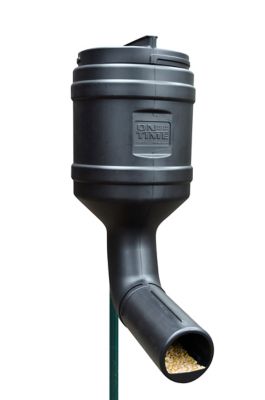
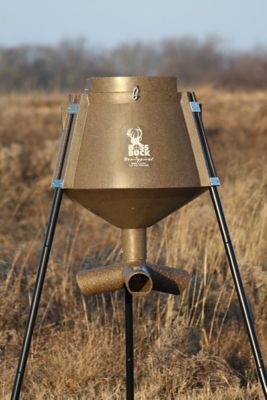
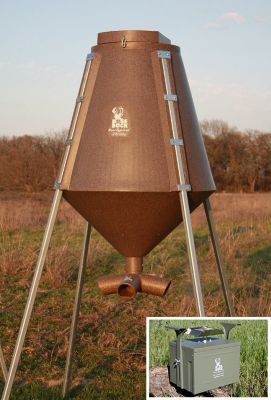
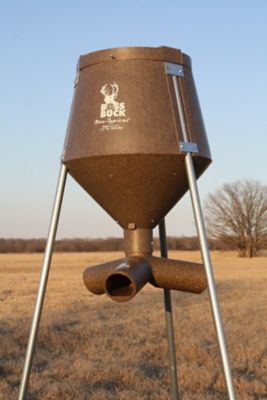
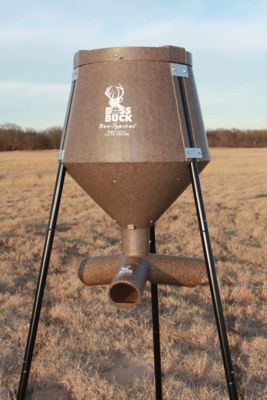
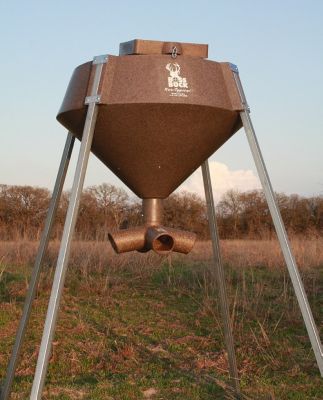
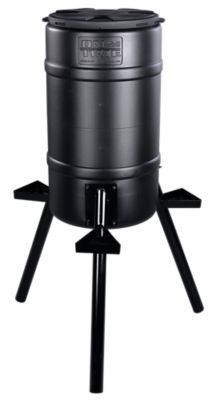
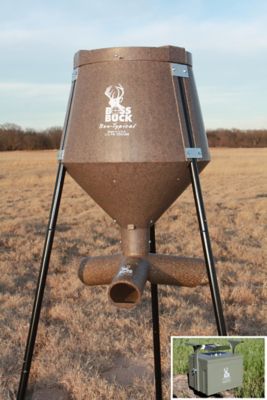
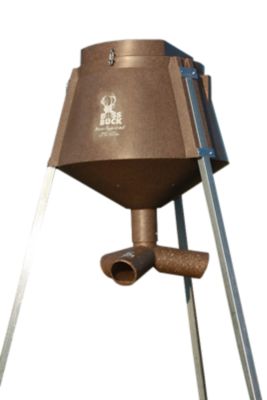
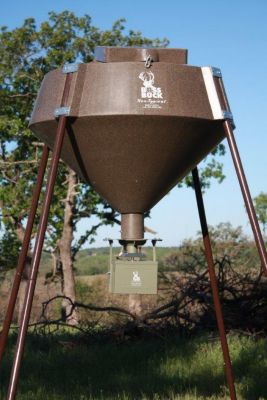
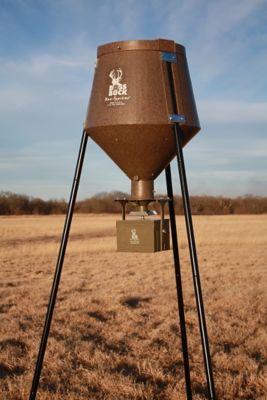
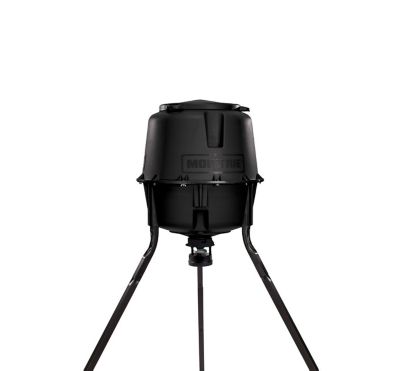
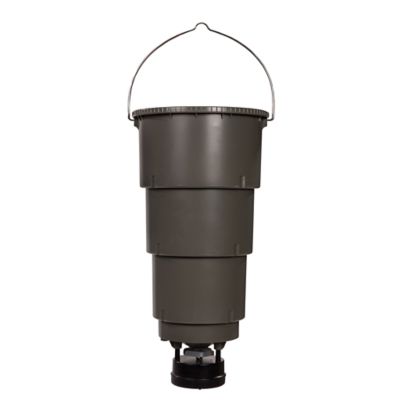
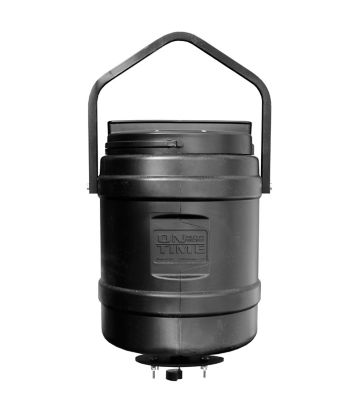
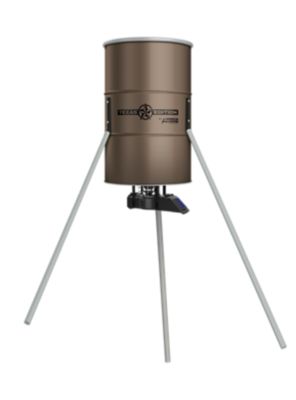
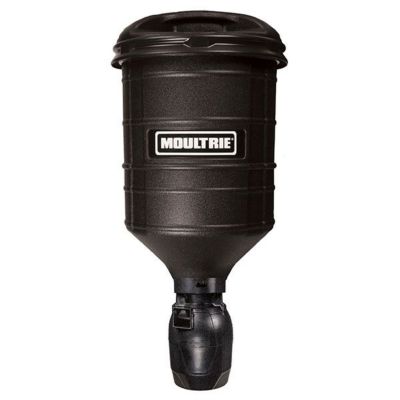
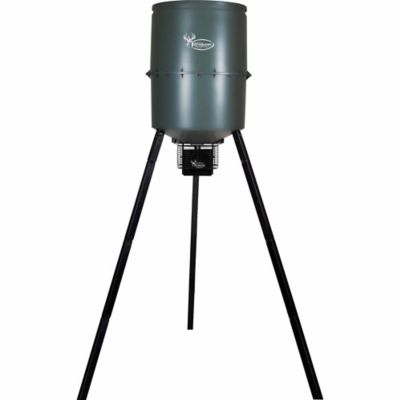
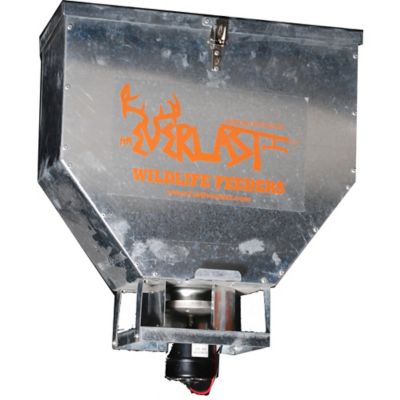
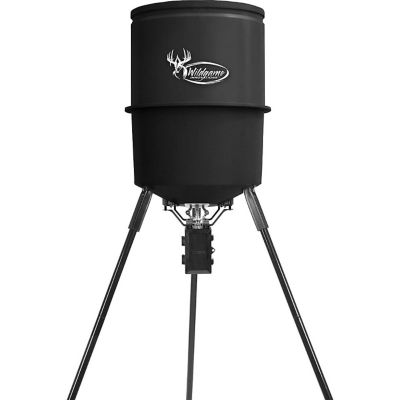
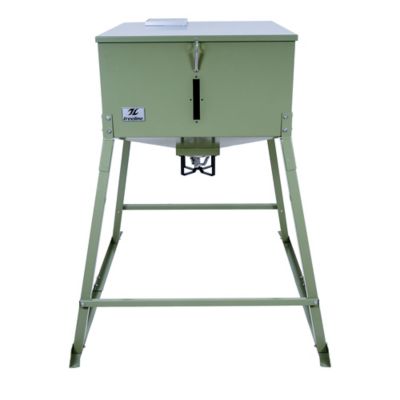
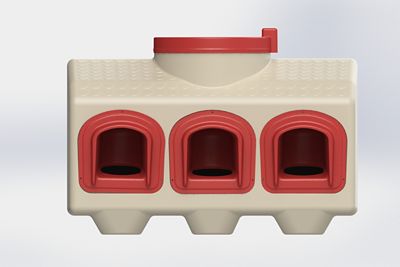
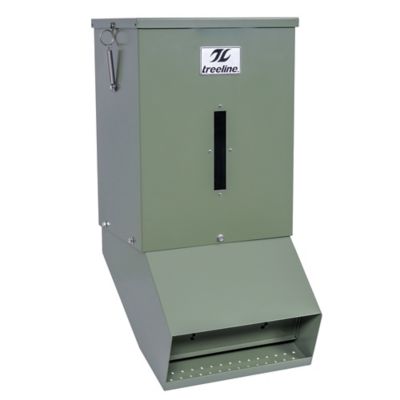
Gravity deer feeders offer a simple, dependable way to keep feed available in a set location without relying on batteries, motors, solar panels or electronic timers. Feed rests in a hopper and moves downward through a gravity head as deer eat, giving wildlife access whenever they visit instead of only during a programmed broadcast cycle. That quiet operation can be especially useful on properties where mature, cautious deer are easily spooked by unfamiliar sounds. With no spinning motor or moving broadcast mechanism, a gravity feeder blends into the background while deer settle into a familiar feeding routine. These feeders are a practical choice for landowners, hunters, wildlife watchers, hunting clubs and anyone managing a food plot or supplemental feeding area during the cooler months. They can also make a thoughtful gift for the outdoorsman or land manager who spends early mornings checking trails, watching game cameras and keeping a close eye on the health of a property. When comparing options, start with the amount and type of feed you plan to use. Smaller hoppers can work well for a compact setup, a short visit schedule or a single feeding location, while larger-capacity models reduce the number of trips needed to refill a busy station. Capacity can range from compact units suited to a few bags of feed to heavy-duty hoppers designed to hold several hundred pounds. Keep in mind that a full hopper adds considerable weight, so the feeder, post, legs, mounting hardware and ground beneath it all need to be sturdy enough for the load. A dependable feeder is more than a container; it is part of a complete setup that should stand up to rain, wind, mud and repeated visits from wildlife.
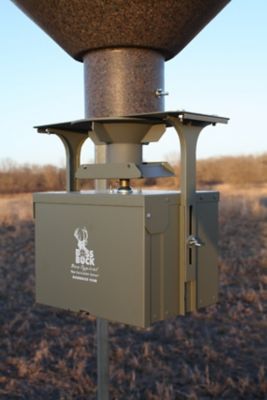
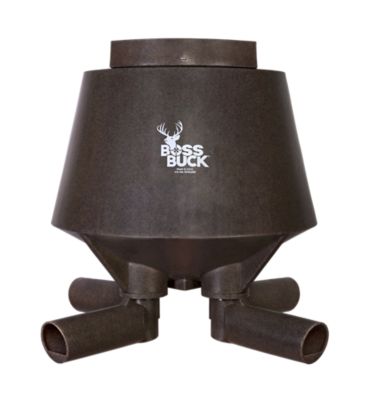
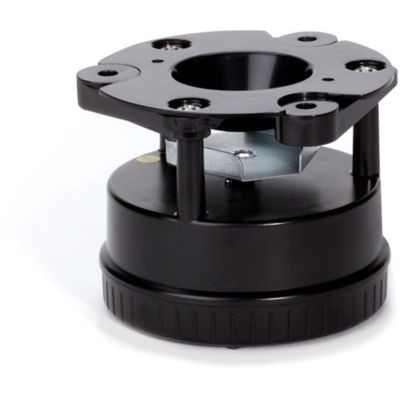
Placement and construction matter just as much as hopper size. Gravity deer feeders may be mounted to a strong post, secured against a tree where allowed, or set on a freestanding tripod or similar support. A post-mounted or tree-mounted design can save ground space and create a neat, stable feeding station, but the support must be solid, properly anchored and able to handle the feeder’s full weight. Freestanding styles offer flexibility when you want to move a feeding location, adjust access around a food plot or avoid attaching equipment to a tree. Look for rugged, weather-resistant materials that will not rot, rust or absorb moisture, along with a lid that keeps rain out and a feed opening that helps limit waste. UV-resistant plastic, coated metal and durable hardware can help a feeder hold up through strong sunlight, wet weather and the everyday wear that comes with outdoor use. The gravity head should release feed consistently without allowing it to pour out too quickly, since excess feed can lead to waste, unwanted pests and muddy ground around the station. Openings sized for the feed you use most often are important as well. Whole corn, textured blends and protein pellets can flow differently, and some feed may bridge inside a hopper or clog a narrow opening if the design is not a good match. Before filling the feeder, check the instructions for compatible feed and inspect the dispensing area for buildup. A secure lid, smooth interior and protected feed port make routine maintenance easier. It is also wise to place the station on firm, well-drained ground with enough room for safe access when carrying bags, checking the unit or cleaning up spilled feed. Keeping the area trimmed and easy to reach helps you spot damage, wet feed or signs of nuisance animals before a small issue becomes a larger one.
A good feeding setup is built around consistent care and responsible use. Check the hopper periodically, especially after heavy rain or a stretch of damp weather, and remove feed that has become wet, clumped or spoiled. Clean out old residue before changing feed types, and make sure the dispensing opening remains clear so feed flows naturally. Inspect straps, brackets, bolts, legs and post connections for loosening, leaning or damage, and take a close look after high winds or severe weather. Placement should also account for property boundaries, nearby roads, livestock, pets, trails and areas where people may walk or work. Local wildlife and hunting regulations can vary, including rules about supplemental feeding, baiting, seasons and the use of feed around hunting locations, so check the requirements that apply to your area before setting up a station. A gravity feeder can support a thoughtful wildlife-management plan, but it should not replace natural habitat, cover, water or a balanced food source across the property. Many people use these feeders alongside food plots, native browse and well-maintained habitat to create a more complete environment rather than concentrating every resource in one small spot. For more options and related equipment, browse
Deer Feeders to compare styles for different properties and routines. Whether you are checking a feeder at first light with frost on the grass or topping it off before a stretch of rough weather, choosing the right capacity, support style, feed opening and weather-resistant construction can make the job easier and help your feeding station stay dependable through the changing seasons.