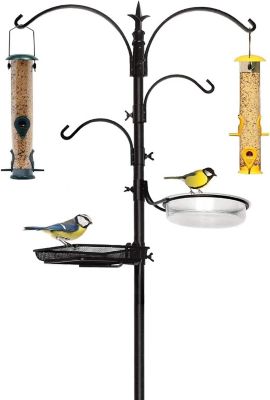
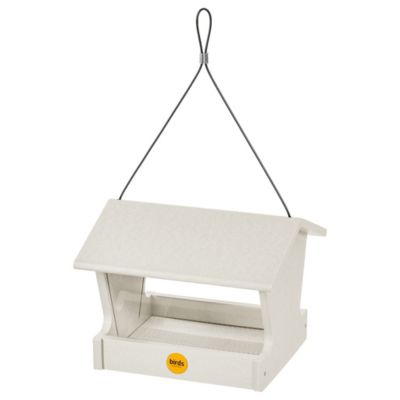
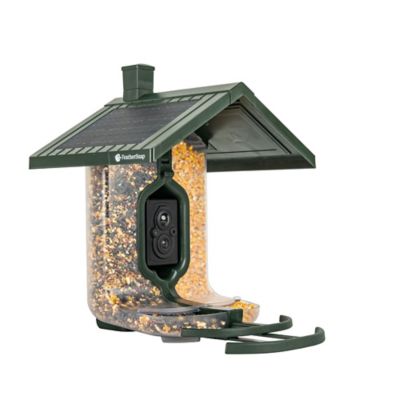
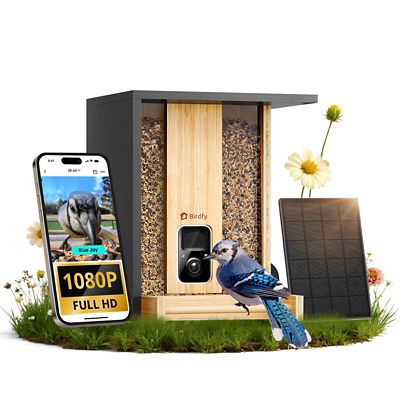
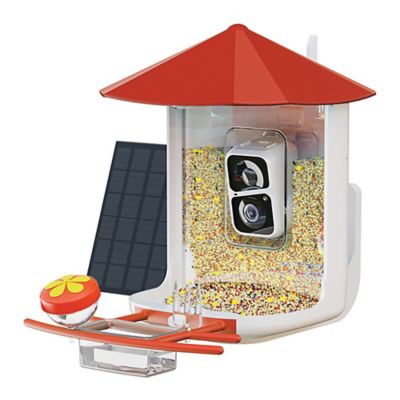
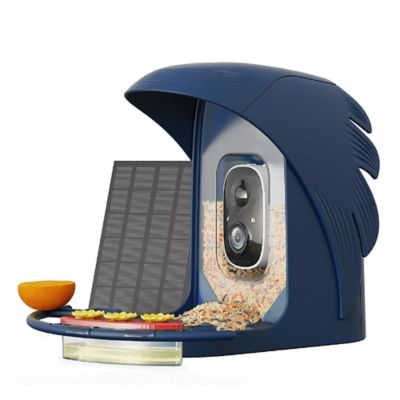
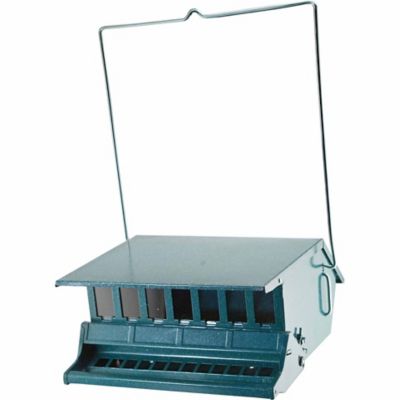
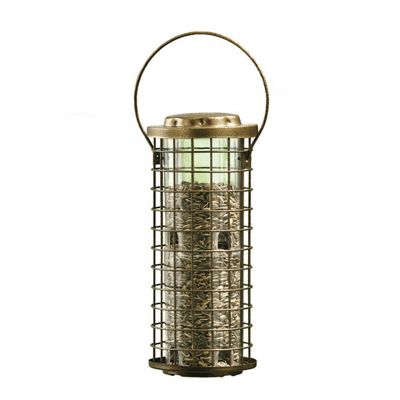
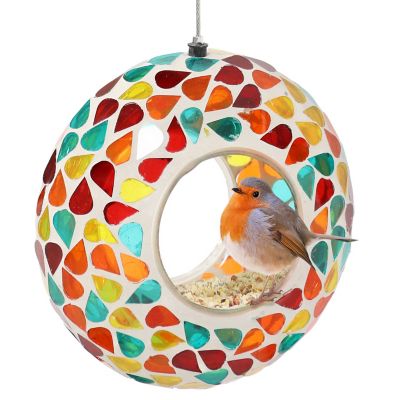
Weatherproof bird feeders help keep seed protected and give backyard birds a dependable place to eat through rainy days, windy stretches, and the cooler months. A well-made feeder may use an overhanging roof, covered feeding ports, a protective dome, or a deep tray with drainage holes to keep moisture away from the seed supply. Those details matter because wet seed can clump, spoil, or turn into a paste that birds cannot easily reach. Look for a roof that extends past the feeding area and offers coverage from both straight-down rain and wind-driven showers. Recessed ports and sheltered openings add another layer of protection, while drainage holes in the tray or base allow trapped water to escape. Tube feeders with covered ports are a practical choice for smaller songbirds and finches, especially when you want a clear view of the seed level. Hopper-style feeders, often shaped like a small house or open-sided shelter, can hold more mixed seed and provide a broad roof for added coverage. Platform feeders with a wide adjustable dome offer an open feeding area that can accommodate several birds at once while helping shield seed from changing weather. A sturdy weatherproof bird feeder belongs in a spot where it can be enjoyed from a kitchen window, porch, or favorite chair, with enough nearby cover for birds to retreat to shrubs or low tree branches. It should also be easy to reach when the seed needs to be refreshed or the feeder needs a quick cleaning.
When choosing among weatherproof bird feeders, consider the birds you hope to attract, the type of seed you plan to offer, and the conditions around your property. Smaller birds often appreciate narrow perches and tube-style openings, while cardinals, jays, doves, and other larger visitors may need a wider landing area or a sturdy hopper feeder. A broad roof can be especially helpful in open yards where rain and gusty wind have an unobstructed path to the feeder. In a wooded lot, branches may provide some natural cover, but the feeder still needs enough clearance to reduce the chance of squirrels or other animals jumping onto it. Strong hanging hardware, secure perches, and durable materials are worthwhile features in places that see rough weather or frequent wildlife activity. Some households use a mix of feeder styles so different birds can feed comfortably without crowding. Seed choice matters, too: sunflower seed is popular with many backyard birds, while millet, cracked corn, safflower, and specialty blends can attract different visitors. Keep the feeder filled consistently when possible, particularly during cold or wet spells when natural food may be harder to find. Place it where the ground beneath can be swept or raked, and avoid letting old hulls and spilled seed build up. Regularly emptying damp seed, brushing away debris, and washing the feeder with mild soapy water helps keep the feeding area fresher. Allow every part to dry fully before adding new seed. A weather-resistant finish or UV-resistant construction can help the feeder hold up through bright sun, damp conditions, and repeated temperature changes, while a transparent reservoir makes it easier to notice when the supply is running low.
Weatherproof bird feeders can be a thoughtful gift for new homeowners, gardeners, grandparents, teachers, nature lovers, and anyone who enjoys a little activity outside the window. They fit nicely into a housewarming gift, a care package for someone with a country home, or a simple present for a friend who likes watching wildlife with a morning cup of coffee. For a child, a feeder can make the backyard feel like a living nature display, with bright finches, quick chickadees, and bold blue jays stopping by throughout the day. Adults may appreciate a feeder that blends into the yard, holds enough seed for several days, and can be mounted or hung without a lot of fuss. If deer regularly pass through the property, a feeder designed with added protection from larger animals may be worth considering; shoppers comparing options can also browse a
Deer Proof Bird Feeder for more targeted backyard feeding needs. During the cooler seasons, a covered feeder can help maintain a steadier supply when rain, frost, or occasional snow makes exposed seed less dependable. Set the feeder near natural shelter, but not so close to dense brush that cats can hide beside it, and keep it far enough from windows to reduce collision risks. Whether it hangs from a shepherd’s hook, rests on a post, or mounts beneath a sheltered overhang, the right feeder brings more life to an ordinary patch of lawn. With thoughtful placement, protected seed storage, and simple upkeep, a weatherproof bird feeder can become a familiar stop for local birds and a welcome part of the everyday backyard view.