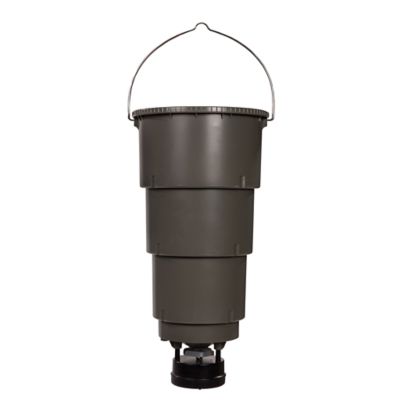
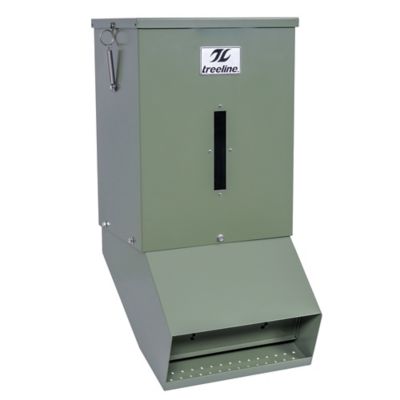
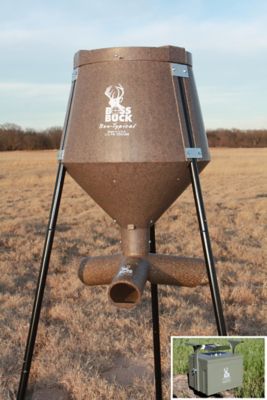
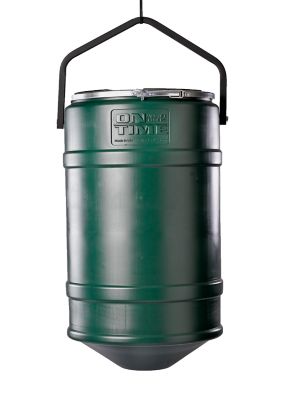
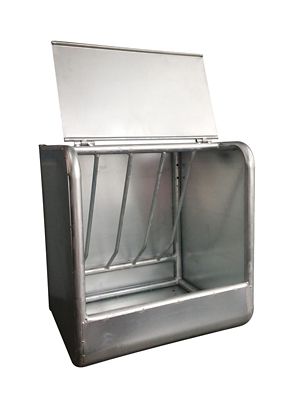
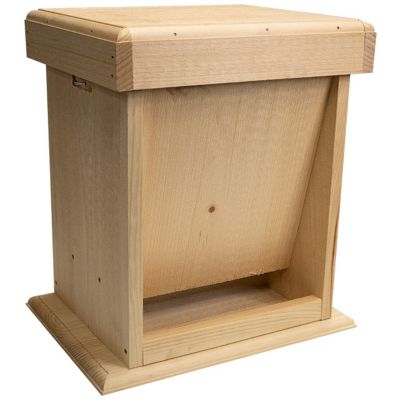
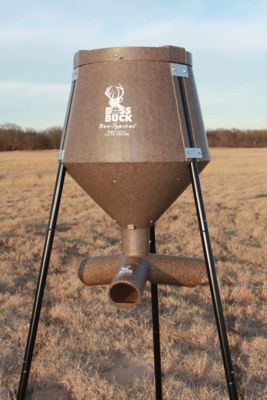
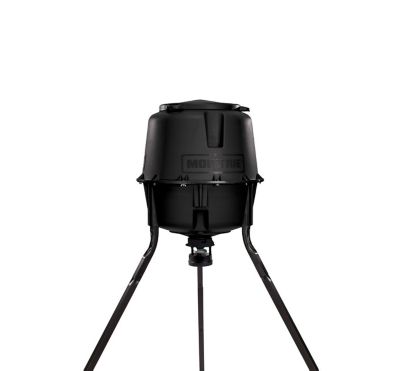
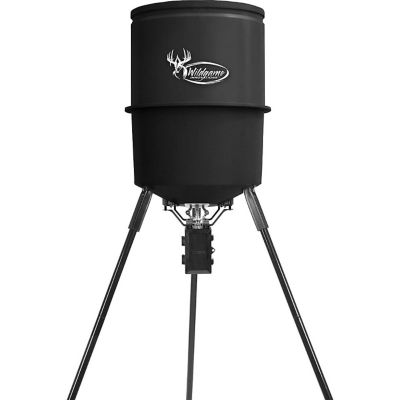
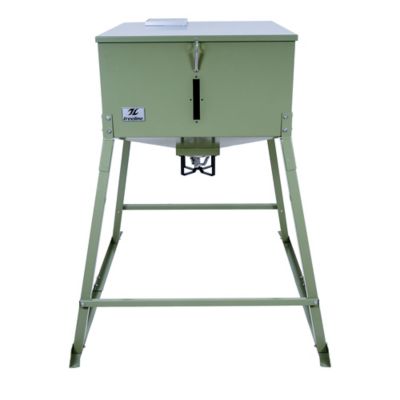
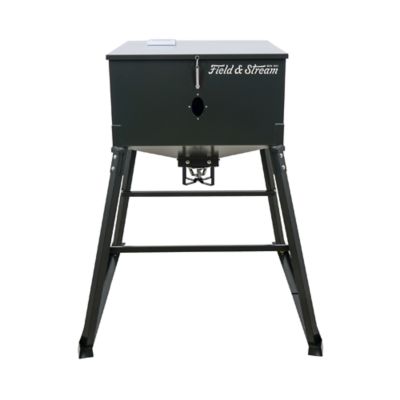
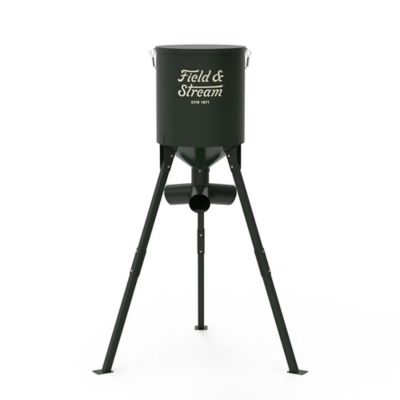
Hanging deer feeders are portable wildlife dispensers that suspend from a sturdy tree limb, cable, or hoist system, keeping feed off the ground and making it easier to place food in a chosen area. They can be a practical addition to a hunting property, farm, wooded acreage, or wildlife-watching spot, especially during the cooler months when natural food sources may be less plentiful. Some hanging feeders use a simple gravity design, allowing deer to feed as they reach the trough, while others use a battery-powered spinner plate and programmable timer to scatter feed at set times. When comparing options, start with the size of the area, the number of deer you expect to visit, and how often you can check and refill the feeder. Smaller hoppers may suit a backyard edge or lightly traveled property, while larger-capacity units can reduce refill trips on a bigger parcel. Metal hoppers generally offer sturdy, long-term service in rough weather, while lighter materials may be easier to lift and move. Look for a secure lid, dependable seams, weather-resistant hardware, and a design that keeps rain from soaking the feed. A timer can help control feeding times and conserve feed, but it also means keeping fresh batteries on hand and checking the settings after battery changes. Gravity feeders are quiet and straightforward, with fewer parts to maintain, while automatic broadcast feeders give you more control over timing and distribution. The right setup is the one that fits your land, your schedule, and the kind of feed you plan to use. For a broader look at available sizes and styles, browse
Deer Feeders before choosing a hanging model.
Placement and installation deserve just as much attention as hopper capacity. Choose a location with a strong, healthy tree limb or use a properly anchored cable system designed to support the full weight of the feeder and its contents. A common starting point is to hang the unit about 6 to 8 feet above the ground, high enough to make it less accessible to raccoons and other pests while still allowing deer to reach the feeding area. The exact height depends on the feeder design, local wildlife, and the strength of the mounting point, so follow the manufacturer’s instructions and check local regulations before setting it up. A heavy-duty pulley or hoist can make lowering the hopper safer and simpler, particularly when the feeder is full or mounted high above your head. It also saves a lot of strain during a cold-weather refill; wrestling a full container down from a branch is no job for a flimsy rope or a ladder balanced on uneven ground. Look for a spot with firm footing, good drainage, and enough open space for deer to approach without feeling boxed in. Keep the feeding area away from busy driveways, livestock lanes, gardens, and places where pets regularly roam. A little cover nearby can help deer feel comfortable, but dense brush directly beneath the feeder may hide spilled feed and make cleaning difficult. If you use a broadcast feeder, make sure the spinner plate has room to spread feed without striking a trunk, fence, or low branch. Check that the cable, straps, lid, and fasteners remain tight after strong wind or heavy rain, and avoid attaching equipment to dead, cracked, or soft wood. Wildlife patterns can change with weather and natural food availability, so an area that looks active during one stretch of the season may see less traffic later on.
Regular care helps protect the feed and keeps the feeder working properly through changing weather. Before refilling, inspect the hopper for dampness, clumped feed, insects, or signs that unwanted animals have been getting inside. Remove old feed and clean out the container rather than topping off stale material with a fresh load. The inside should be thoroughly dry before new feed goes in, since trapped moisture can lead to mold and mildew, especially when warm afternoons give way to cool, damp nights. Wipe down troughs and spinner plates, clear away compacted feed, and check battery compartments for corrosion. Store spare batteries in a dry place and replace weak batteries before they leave a timer or motor stuck in one position. Keep an eye on the ground below the feeder as well. Spilled feed can attract raccoons, rodents, feral hogs, bears, or other animals depending on the region, and concentrated wildlife activity can create unwanted messes or damage. Local wildlife agencies may restrict supplemental feeding, baiting, or the use of feeders during certain seasons, and rules can vary by state, county, or property type. Always check those requirements before installation, and use feed that is appropriate and lawful for the deer in your area. A hanging feeder can make a thoughtful gift for a landowner, hunter, wildlife photographer, or anyone who enjoys watching deer move along a field edge at first light. It is also a useful choice for someone managing a rural property who wants a sturdy, organized way to distribute feed without leaving bags or pans on the ground. With a sound mounting point, weather-protected hopper, dependable feeding system, and regular cleaning routine, a hanging deer feeder can fit neatly into a well-kept outdoor setup from the first cool days through the rest of the colder season.