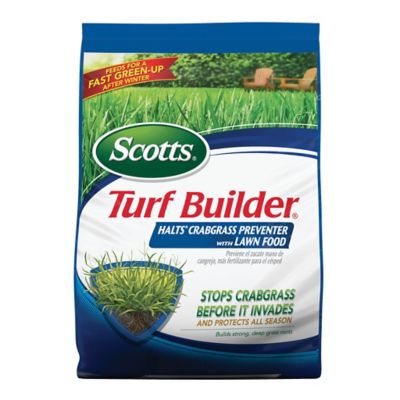
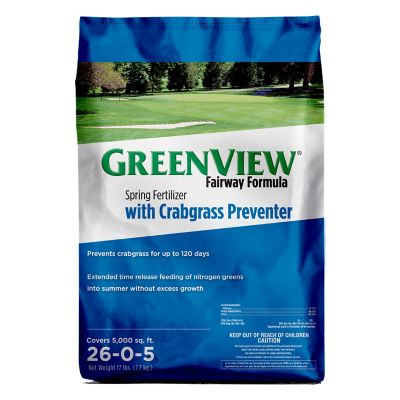
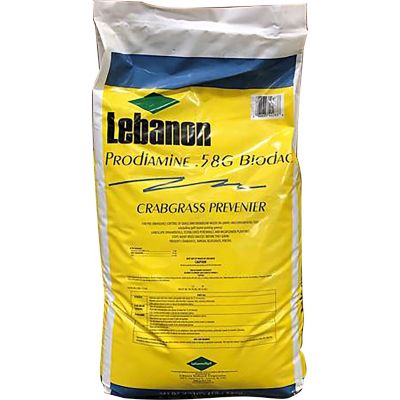
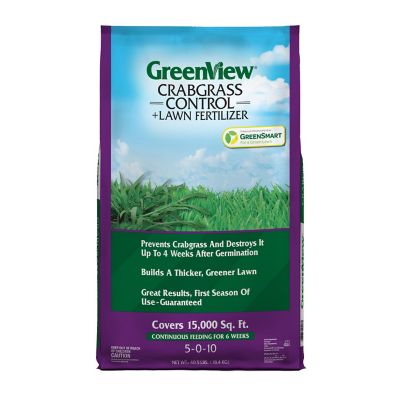
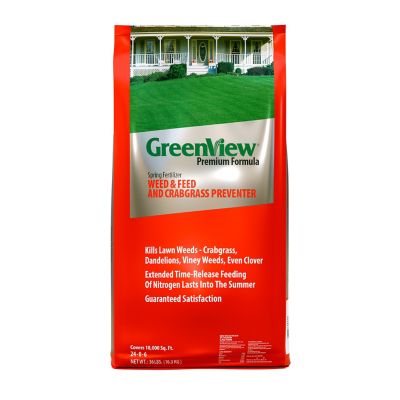
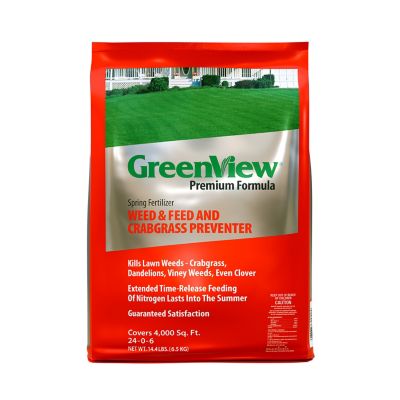
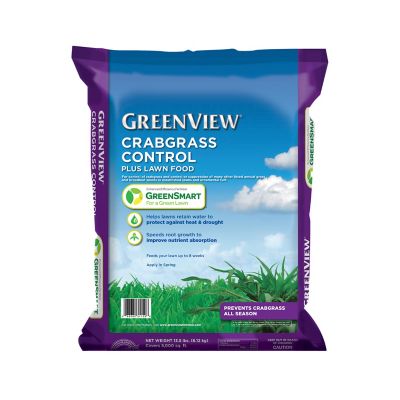
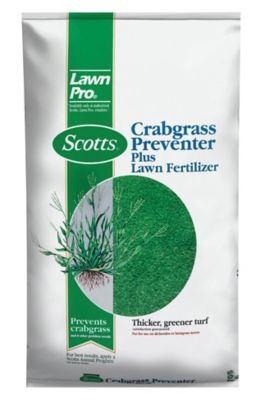
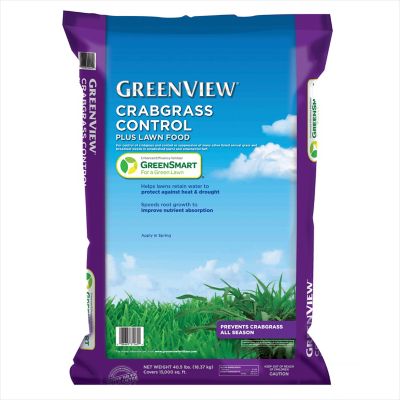
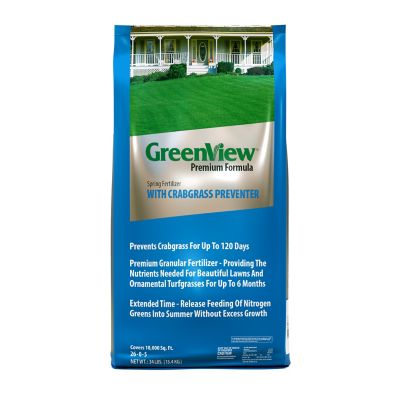
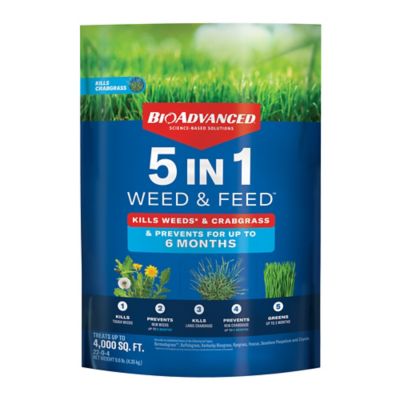
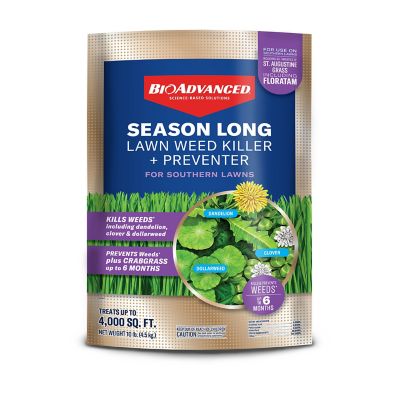
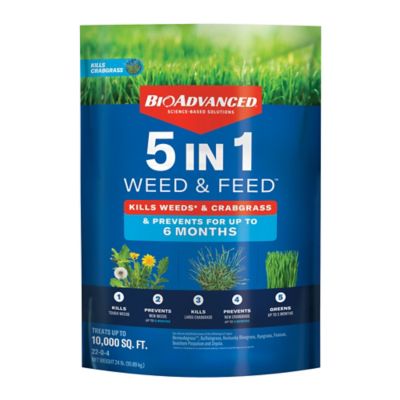
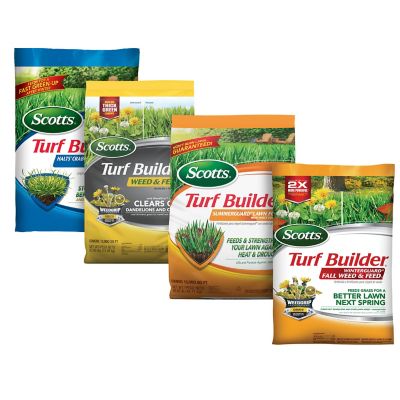
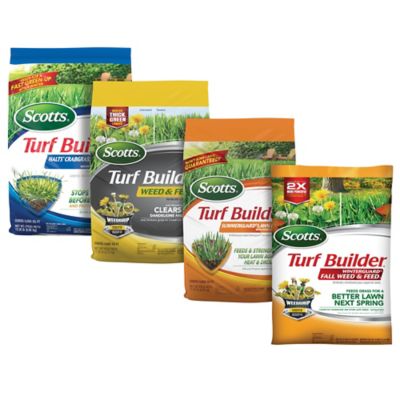
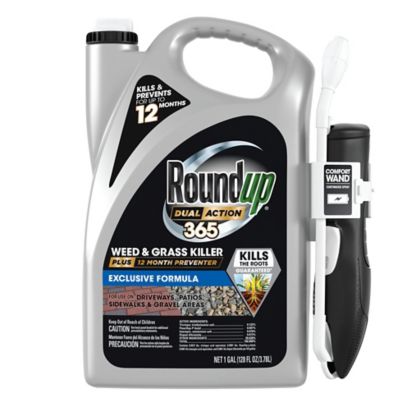
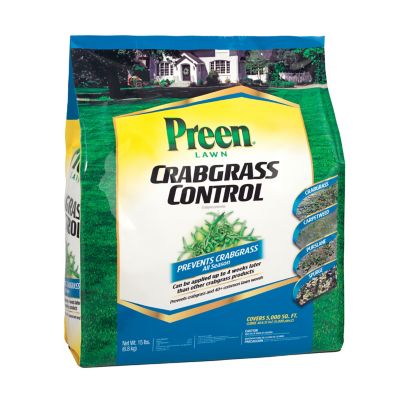
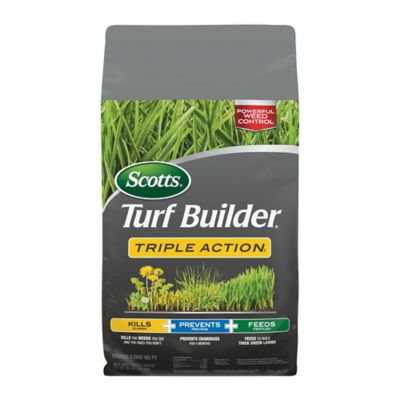
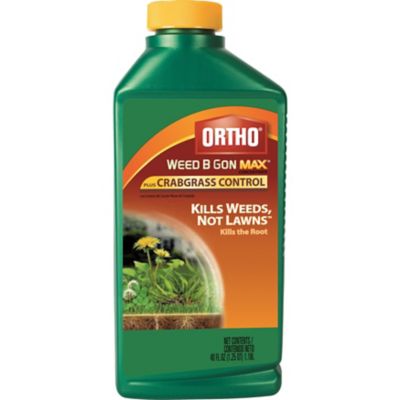
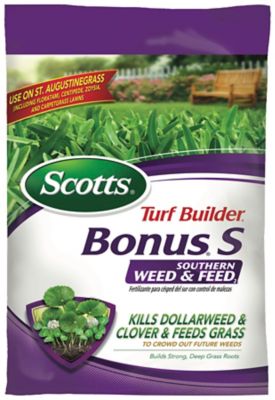
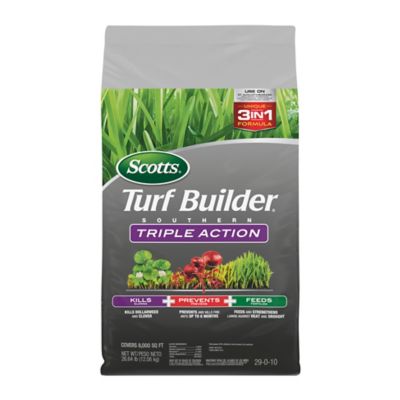
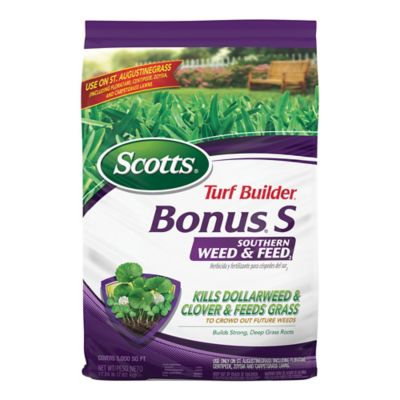
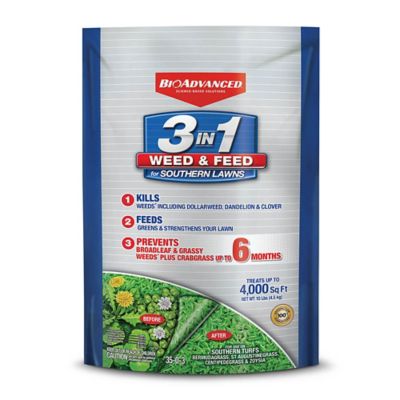
Crabgrass preventers are pre-emergent lawn treatments made to stop crabgrass seed from sprouting before it gets established. Crabgrass is a warm-season annual grass that often shows up in thin, stressed areas of the yard, along driveways and sidewalks, around garden beds, and anywhere bare soil gets plenty of sunlight. Once it takes hold, it can spread low and wide, crowding out desirable turf and leaving behind a patchy, rough-looking lawn as the growing season moves along. A preventer works by creating a treated layer near the soil surface that interrupts germination as crabgrass seeds begin to grow. Because it works before the weed emerges, timing matters more than simply putting it down whenever the lawn needs attention. The usual application window arrives as the weather warms and soil temperatures reach about 50°F to 55°F for several days in a row. Nature can offer a handy reminder: when early-blooming shrubs such as forsythia are finishing their bright yellow display, conditions may be getting close. Since this product category is often purchased during the cooler months, fall is a good time to compare coverage rates, application methods, and lawn-care plans ahead of the next spring window. A little preparation can make it easier to have the right treatment and spreader ready before crabgrass seeds begin to wake up.
When choosing a crabgrass preventer, start by checking the product label for the types of turf it can be used on, the amount of lawn it covers, and any restrictions for newly planted or overseeded areas. Granular formulas are commonly applied with a broadcast or drop spreader, while liquid formulas may require a pump sprayer or hose-end sprayer. A spreader helps distribute granular material evenly across a dry lawn and reduces the risk of heavy bands, missed strips, or concentrated spots. Calibrate the spreader according to the label rather than relying on a setting from another product, since granule size and application rates can vary. Measure the lawn when possible, and buy enough coverage to complete the job without stretching the application too thin. After a granular application, many preventers need to be watered into the soil with roughly 1/4 to 1/2 inch of irrigation or rainfall within two or three days. Always follow the label for watering, protective equipment, pets, children, mowing, and reentry instructions. One important consideration is new grass seed: most crabgrass preventers are designed to stop seeds from germinating, and that can include desirable grass seed. Unless the label specifically says otherwise, avoid applying a standard preventer at the same time as seeding. Depending on the product, the waiting period before seeding may be two to four months or longer, so read the directions before planning an overseeding project. Gardeners managing a recently repaired lawn may need to choose between protecting established turf from crabgrass and giving new grass room to sprout.
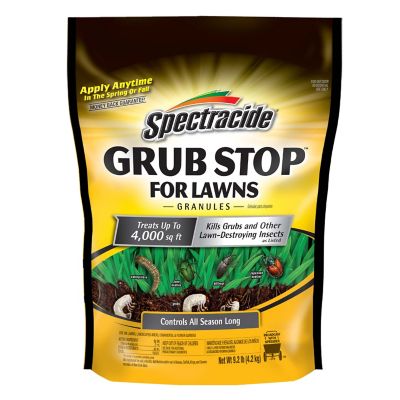
Crabgrass preventers are a practical choice for homeowners, landlords, grounds crews, and anyone caring for a yard where a cleaner, more even stand of turf matters. They can be especially useful around play areas, homes with sunny front lawns, rental properties, and large rural yards where hand-pulling every patch is a tough chore. They also make a thoughtful addition to a lawn-care supply basket for a new homeowner, a family member who enjoys keeping the yard tidy, or a neighbor who is building a seasonal maintenance routine. During late summer and fall, established lawns benefit from attention to mowing height, soil compaction, bare spots, and drainage, all of which can affect how easily crabgrass returns when temperatures rise. A preventer will not repair thin turf by itself, and it will not control crabgrass that has already emerged. If green crabgrass is visible, look for a post-emergent treatment labeled for that use instead, and confirm that it is safe for the specific grass growing in the yard. For broader lawn protection, it can also help to address other common pests separately with resources such as
Grub Control For Lawns. Keep treatments in their original containers, store them away from feed and water sources, and never apply more often or at a heavier rate than the label allows. With the right product, even coverage, proper watering, and a little advance planning, crabgrass prevention can fit neatly into a simple lawn-care routine and help the turf come through the warmer growing season looking fuller and easier to manage.