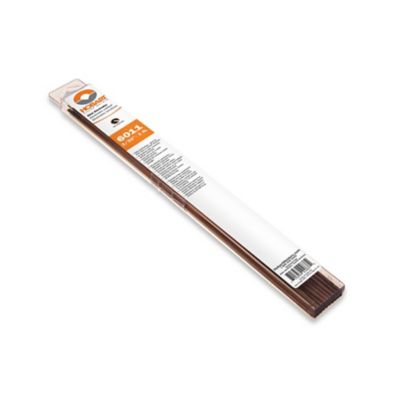
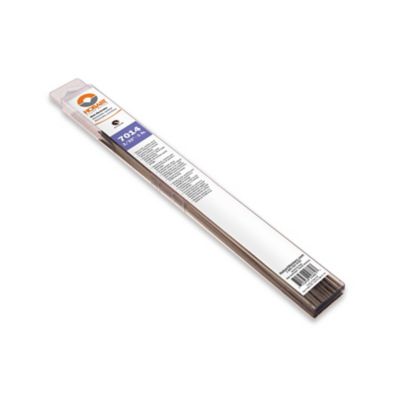
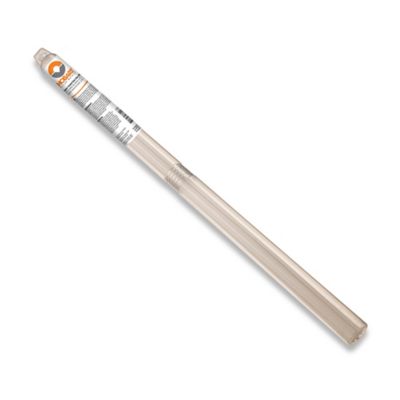
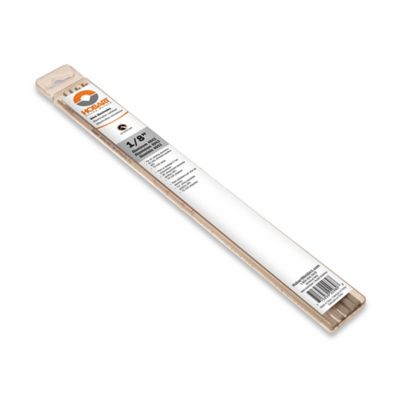
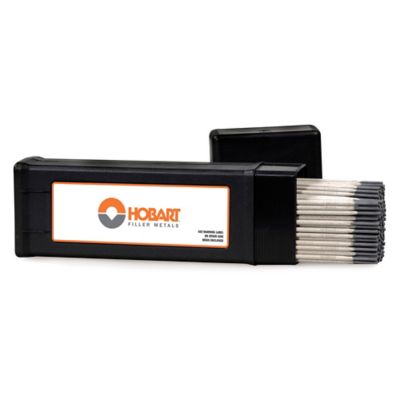
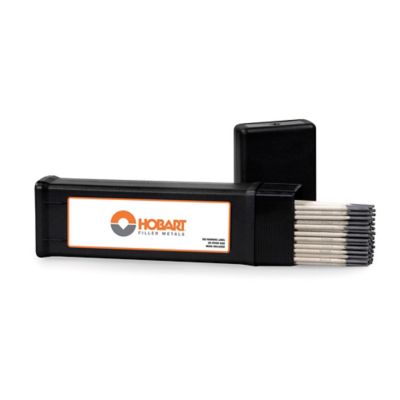
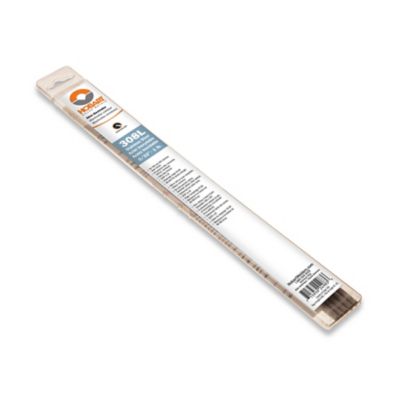
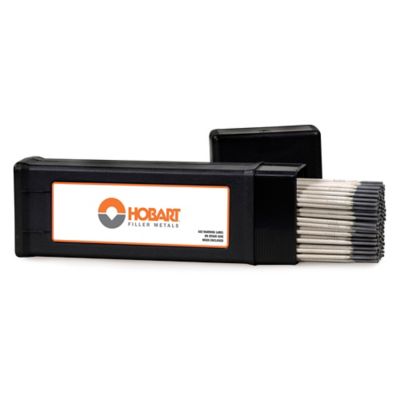
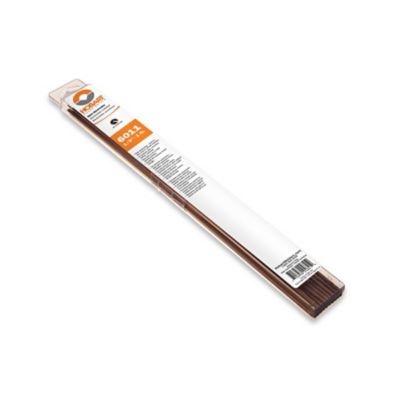
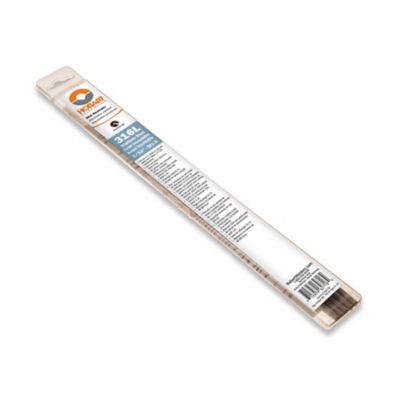
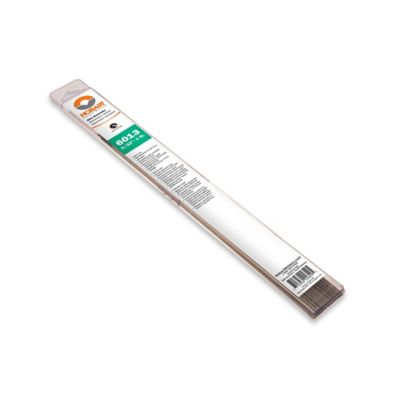
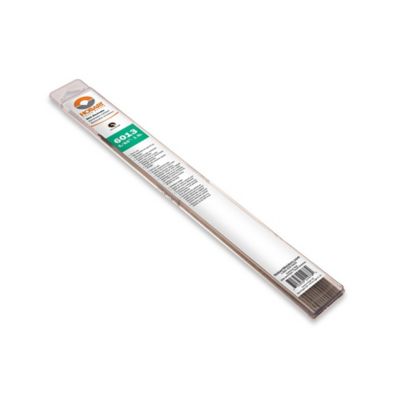
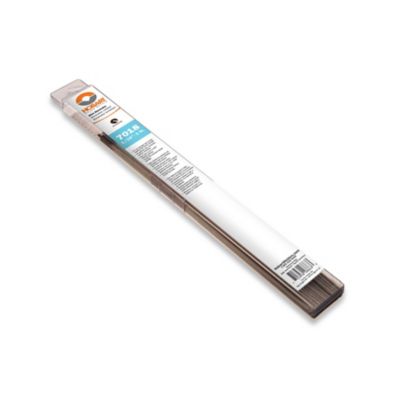
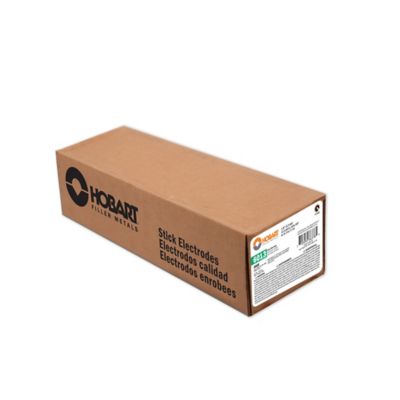
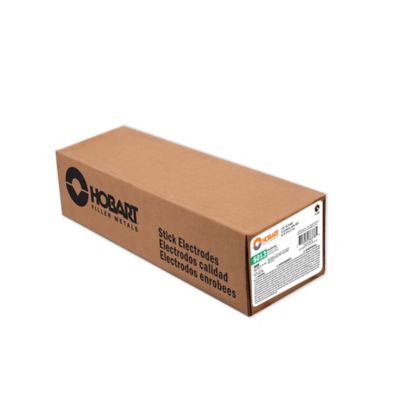
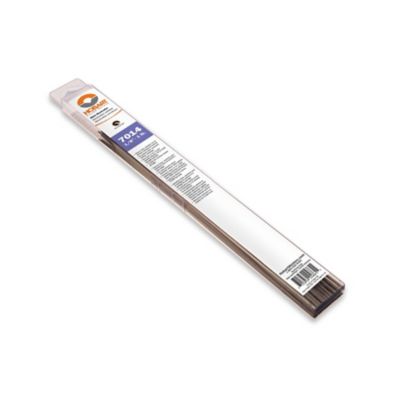
For stick welding thin mild-steel sheet, small-diameter AWS E6013 welding rods are a common choice because their smooth arc and relatively shallow penetration can help limit burn-through. Welding rods for sheet metal need to suit lighter material, where too much heat can turn a small repair into a hole or leave a panel pulled out of shape. Diameters such as 1/16 inch and 3/32 inch are worth considering for light-gauge steel, with the right size depending on sheet thickness, joint design, welding position and the machine’s operating range. E6013 electrodes generally have a gentler arc than deeper-penetrating types such as E6010 or E6011, making them a practical option for clean, thin mild steel. That does not make any rod a match for every panel, though. The manufacturer’s stated amperage range and operating instructions matter, especially at the thinner end of sheet metal work. A rod that needs more current than the sheet can tolerate may leave little room for a sound weld. For very thin material, MIG or TIG may offer more workable control than stick welding. On suitable sheet thicknesses, these electrodes fit the kind of jobs that turn up around a farm shop or garage: repairing a steel enclosure, joining light sheet sections or attaching a small bracket to a metal cover. Their metal core supplies filler while the flux coating helps shield the weld and forms a slag layer over the bead. Arc stability, easy restarting and manageable slag removal all matter on these smaller jobs, where a long, uninterrupted weld often is not the best fit. The useful match is a rod that supports a steady arc within the sheet’s heat limits, not simply one with a larger diameter or higher strength rating. For a mower shield or equipment cover, preserving the panel’s shape can matter just as much as how the finished bead looks.
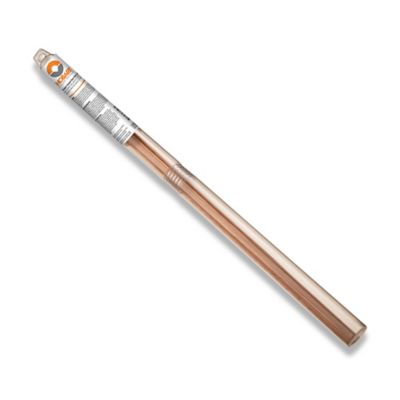
Material compatibility deserves as much attention as rod size. Mild steel, stainless steel and aluminum do not share the same filler requirements, and a general-purpose mild-steel electrode is not a substitute for an alloy-matched rod. Even among steel parts, the base metal and the job’s demands help determine which electrode classification belongs in the holder. A light enclosure panel has different requirements from a load-bearing assembly, a lifting attachment or a safety-related equipment repair. Those higher-consequence jobs call for a suitable welding procedure and someone qualified to carry it out. For ordinary sheet metal work, fit between the pieces also affects how forgiving a rod feels. A close-fitting lap joint gives the arc more metal to work with than a wide gap between two thin edges. Corners, seams and access around a bent panel can change which welding positions are practical, so the position rating on the package is part of the selection. Machine compatibility belongs in that same conversation. E6013 electrodes commonly support AC and specified DC polarities, but the package instructions should confirm the current type, polarity and amperage for the particular electrode. A small shop welder needs to maintain a stable arc at the recommended settings; simply turning the control as low as it goes does not guarantee a better result. Surface condition matters, too. Rust, paint, oil and other contamination can interfere with the weld and create harmful fumes. Galvanized sheet needs particular caution because heating its zinc coating can produce hazardous fumes, and removing coating near a joint does not eliminate the need for appropriate fume controls. Clean, properly prepared steel gives a sheet metal rod a fair chance to perform as intended. Backing support can also affect the job: a suitable copper backing bar can draw away some heat and support the molten weld at a seam. It is a helpful consideration for certain repairs, not a cure for excessive current, a poor joint fit or an electrode that is too large for the sheet.
Storage and handling help protect the condition of welding rods between jobs. The flux coating should remain intact, without heavy cracks, missing sections or signs of moisture damage. Damp or damaged electrodes can contribute to an erratic arc, excess spatter and weld defects, which are especially troublesome on a panel with little extra thickness to spare. Keeping rods in their packaging or an appropriate electrode container helps protect them from moisture and knocks around the shop. Any drying or conditioning should follow the electrode manufacturer’s directions; storage requirements differ by classification, and a household oven is not a substitute for proper electrode-care equipment. Package quantity is another practical consideration, based on how often the welder tackles sheet metal and how much storage space is set aside for consumables. Someone fixing the occasional steel cover may have different needs from a farm maintenance worker joining sheet sections regularly. Clear classification and diameter markings make it easier to keep the right rods together rather than sorting through loose electrodes beside the welding table. For a broader look at stick-welding consumables,
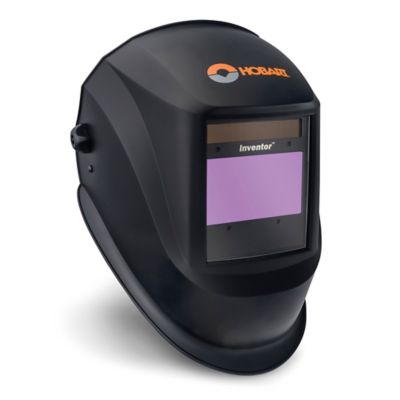
Welding Sticks provides another place to explore this product category. Beyond the rod itself, sheet metal work benefits from clamps that hold the pieces in alignment, access for cleaning slag between passes and enough room to position the electrode without crowding the joint. Short weld sections and cooling pauses may be part of a suitable approach because thin panels can distort when heat builds in one area. Welding gloves, protective clothing, a properly rated helmet and suitable ventilation remain essential, even for a quick repair at the bench. For farm hands, maintenance crews, metalworking hobbyists and folks keeping equipment covers in working shape, the best-fitting welding rods balance material compatibility, controllable heat and straightforward handling. That balance helps keep a modest sheet metal job from becoming a much larger repair.