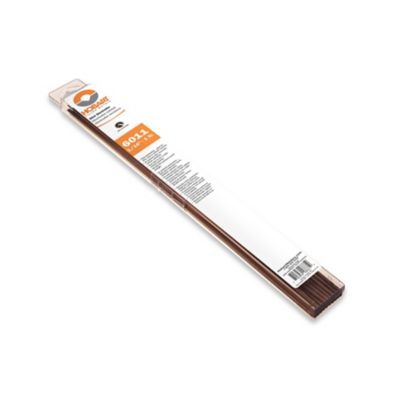
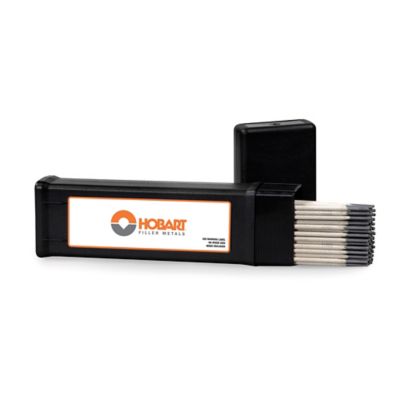
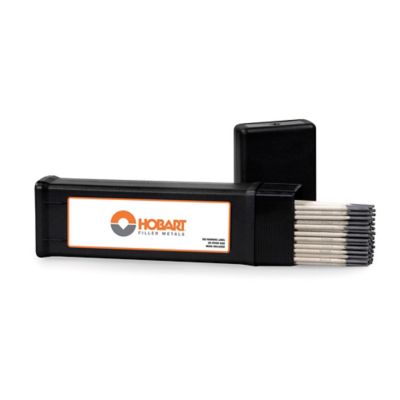
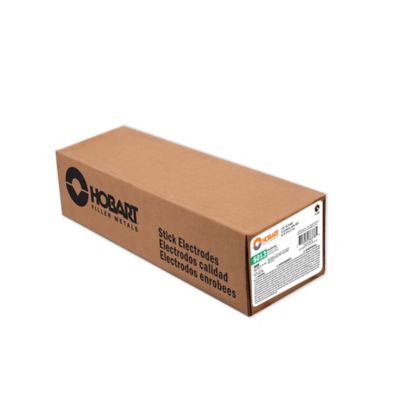
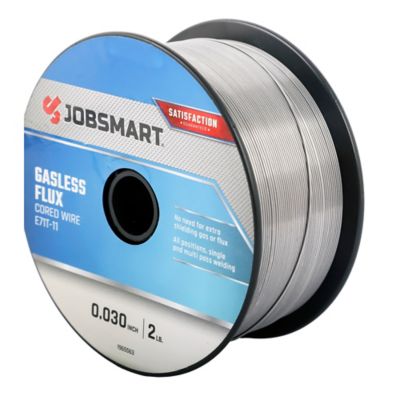
When it comes to welding on galvanized steel, having the right supplies in your shop or truck bed can make the difference between a quick, solid fix and a frustrating, messy job. Galvanized steel gets its toughness from a zinc coating, which is great for fighting off rust but can be tricky when you need to lay down a bead. Folks working fences, barns, gates, or trailer frames know that finding a welding rod for galvanized steel isn’t just about grabbing what’s handy—it’s about understanding how different rods handle that zinc layer. During the warmer months, when repairs and new builds are in full swing, you’ll see a lot of folks reaching for E6010 or E6011 rods, since these are tough enough to burn right through the coating without a lot of prep work. These rods are a go-to for field repairs, especially when there’s no time or tools to grind away the galvanized finish, and they’re just as handy for quick patch jobs on equipment out in the pasture or at the back of the barn.
For those working on cleaner or thinner sheet metal, or when you’ve got the time to grind down to bare steel, E6013 and E7018 rods are popular choices. These rods are known for producing smoother welds and are less likely to spit or pop, making them a good pick for projects where looks matter, like custom gates or decorative metalwork. Folks who tinker in their home shops or do a bit of fabrication on the side appreciate the versatility of these options—whether you’re patching up a stock trailer or building a new chicken coop frame. If you’re shopping for someone who loves to fix and build, a box of galvanized welding rods makes a practical and thoughtful gift, especially as folks tackle summer projects or prepare for the busier harvest season. The right rods also help keep things safe, since welding galvanized steel produces fumes that can be harmful if you’re not careful. Always work in a well-ventilated space or outdoors, and don’t forget a good respirator. Many rural welders keep a few different types on hand, so they’re always ready for whatever the job throws at them—rain or shine, hot or cool.
Choosing the right welding rod for galvanized steel isn’t just about matching numbers on the box; it’s about knowing your project and your environment. If you’re working on heavy-duty repairs where strength is key—like reinforcing a cattle gate or mending a tractor implement—deep-penetrating rods that can handle the zinc layer without much fuss are worth their weight in gold. For lighter work or projects where appearance counts, you might take the time to prep the steel, swap to a rod that runs a cleaner bead, and finish with a quick coat of paint. Whether you’re a seasoned welder or just learning the ropes, there’s a certain satisfaction in seeing a solid weld hold up through rain, dust, and the daily wear of farm life. And if you ever need to branch out into other metals, you can always check out our Copper Welding Rod page for more options. No matter what you’re working on, having the right galvanized welding rods in your kit means you’re ready for whatever the season brings, from patching up old corrals to building something new for the next generation.