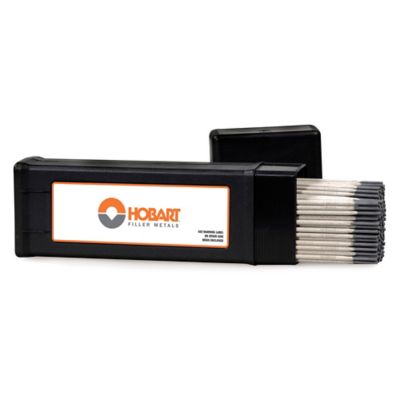
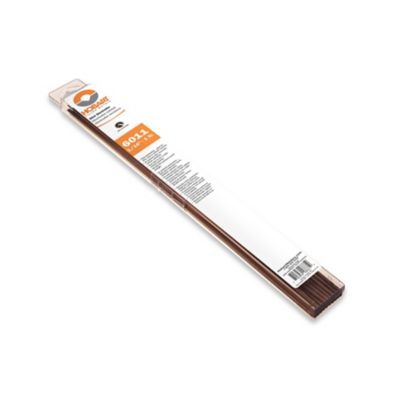
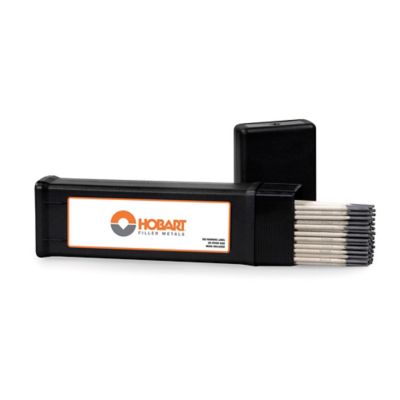
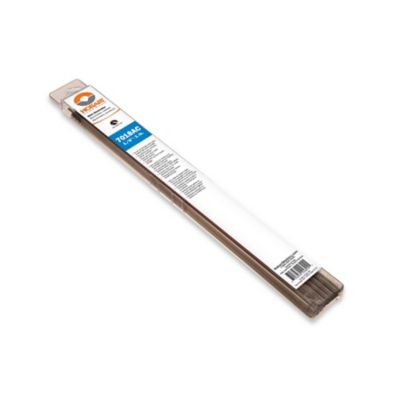
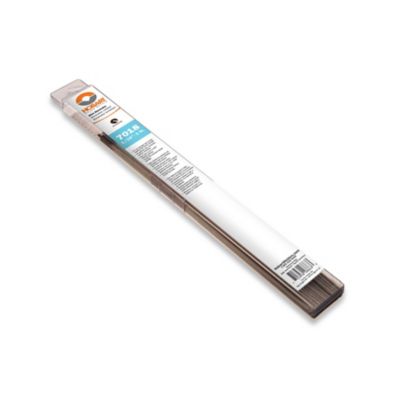
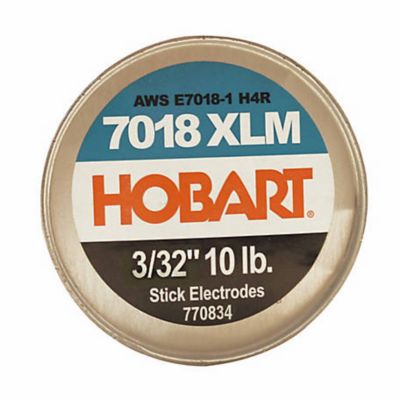
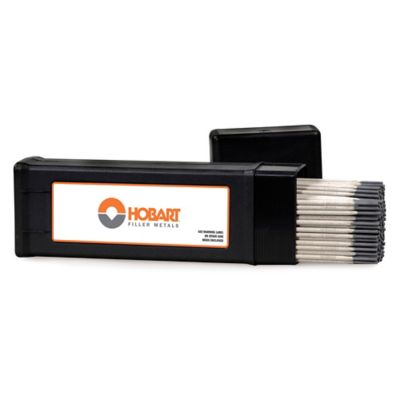
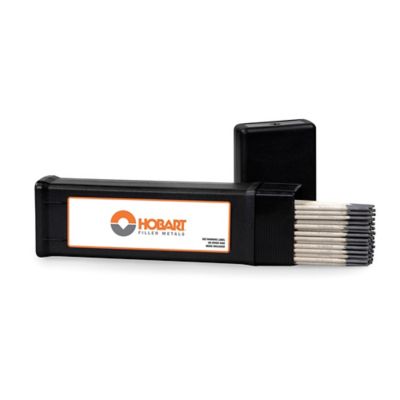
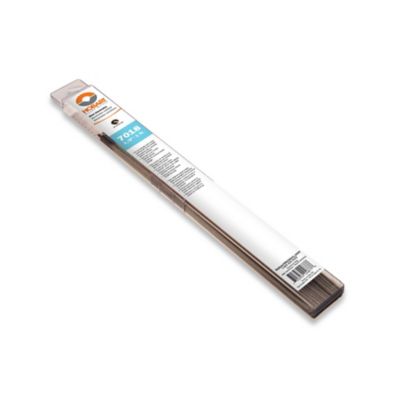
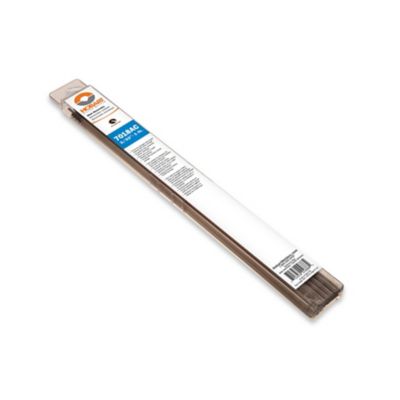
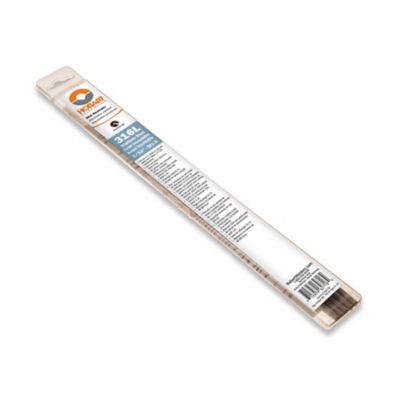
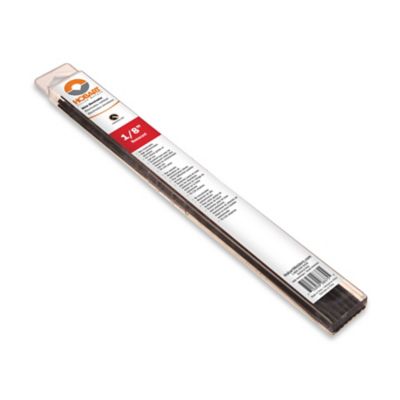
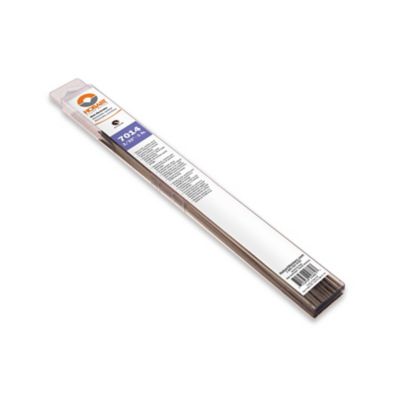
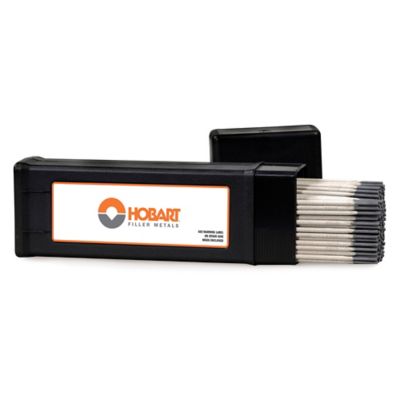
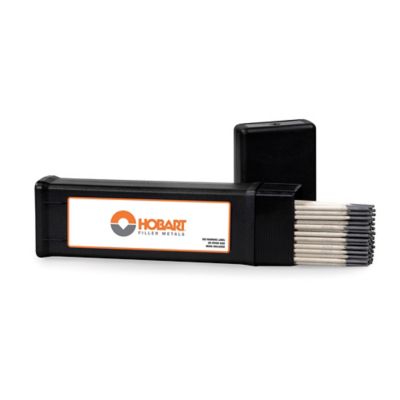
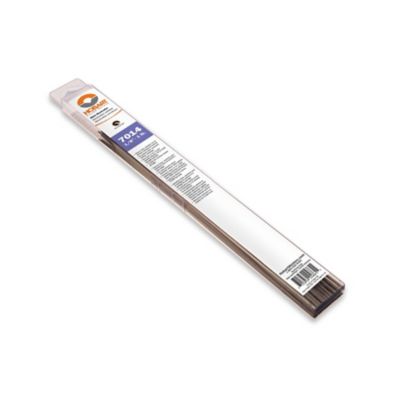
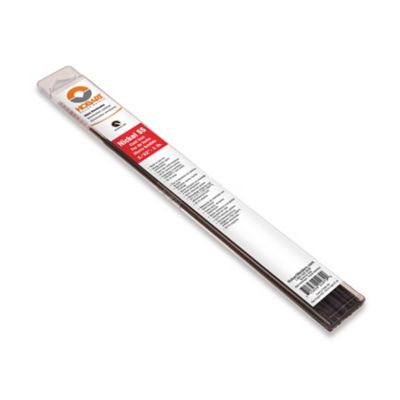
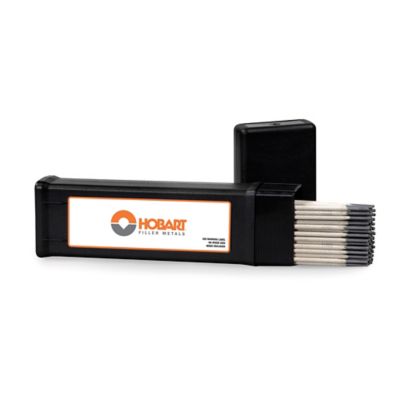
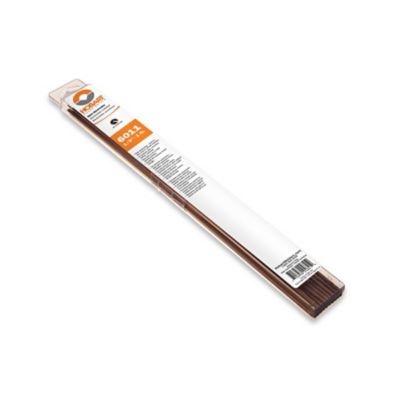
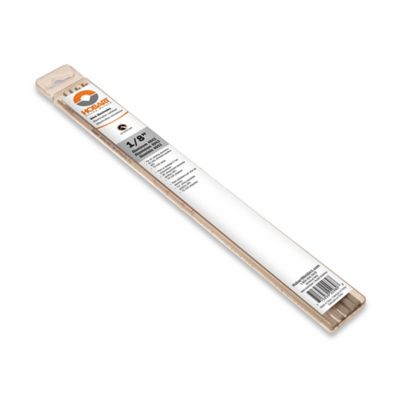
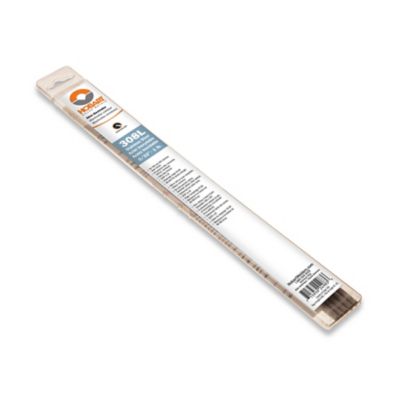
Welding sticks, also called welding electrodes or welding rods, are consumable metal rods used with a stick welder in Shielded Metal Arc Welding (SMAW). When the welder sends electricity through the rod and into the workpiece, the arc creates enough heat to melt the rod and a small area of the base metal, forming a weld as everything cools. The coating around the rod melts at the same time and helps create a protective gas shield over the hot weld pool, keeping oxygen and other contaminants from interfering with the joint. Once the weld cools, that coating hardens into a crust called slag, which is chipped and brushed away to reveal the finished bead. Welding sticks are useful for repairs and fabrication around farms, ranches, workshops, trailers, gates, equipment stands, brackets, mower decks and other steel projects. They are especially handy where portability matters, since a stick welder can be carried out to a fence line, barn, field or equipment shed without relying on a bottle of shielding gas. When choosing welding rods, start with the metal being joined, its thickness, the position of the weld and the type of current your welder provides. Rod diameter affects amperage and control: smaller rods are generally easier to manage on thin metal, while larger rods can deposit more metal on heavier material when the machine has enough power. The rod classification also tells you about its intended use. E6011 rods are known for deep penetration and can work well on steel that is less than perfectly clean, including metal with light rust, paint or mill scale, though cleaning the joint is still the best way to improve weld quality. E6013 rods are often chosen for smooth starts, easy handling and general-purpose work, making them a practical option for learning basic arc control or welding lighter materials. E7018 rods are low-hydrogen electrodes valued for strong, clean welds on many structural steel applications. Always match the rod to the welding machine’s AC or DC capability and follow the amperage range printed on the package.
Good preparation makes a noticeable difference in the finished weld. Before striking an arc, remove dirt, grease, loose rust, paint and heavy scale from the joint, and make sure the pieces fit tightly enough to hold their position. A clean ground connection helps keep the arc steady, while the correct rod angle, travel speed and arc length help prevent common problems such as undercutting, excess spatter, porosity or a bead that sits on top without properly joining the metal. The rod should be kept moving at a controlled pace so the puddle stays manageable; moving too fast can leave an undersized weld, while moving too slowly can put excessive heat into thin stock. Let each pass cool as needed, then knock off the slag and inspect the bead before adding another pass. Welding rods need sensible storage, too. Moisture can affect the flux coating, particularly on low-hydrogen electrodes, so keep unused sticks sealed and stored in a dry place according to the manufacturer’s instructions. Bent, cracked or badly damaged rods should not be used. For dependable results, compare the rod’s classification, diameter, tensile-strength rating, welding positions and recommended current with the job at hand rather than choosing by size alone. A handy selection of welding sticks can serve a homeowner who maintains gates and livestock equipment, a hobby fabricator building shop fixtures, a mechanic repairing implements or a seasoned welder handling structural repairs. They can also make a useful gift for someone setting up a home welding area, especially when paired with basics from
Welding Supplies such as protective gear, cleaning tools and welding accessories. Rods are easy to keep on a workshop shelf, and having the right classification on hand can save a trip to town when a hinge breaks or a bracket gives way during the cooler months.
Safety belongs in every welding project, whether the job is a quick repair or a larger fabrication task. Wear a properly shaded welding helmet, flame-resistant clothing, leather gloves, sturdy boots and suitable eye protection for chipping and brushing slag. Keep sleeves fastened and avoid synthetic fabrics that can melt when exposed to sparks. Welding creates intense ultraviolet light, hot metal and fumes, so work in a well-ventilated area and use appropriate respiratory protection when conditions call for it. Clear hay, sawdust, fuel, bedding, cardboard and other flammable materials away from the work area, and keep a suitable fire extinguisher nearby. Sparks can travel farther than they look, especially inside a barn or shop, and hot steel can remain a burn hazard long after the arc is shut off. Never weld on containers, tanks or equipment that may have held fuel or other flammable material unless they have been professionally cleaned and made safe. Check leads, electrode holders, clamps and connections before use, and follow the welder’s instructions for duty cycle and settings. Whether you are mending a gate, reinforcing a trailer ramp or building a sturdy piece of shop equipment, selecting welding sticks that fit the metal and machine helps produce a more consistent weld and makes the work easier to control.