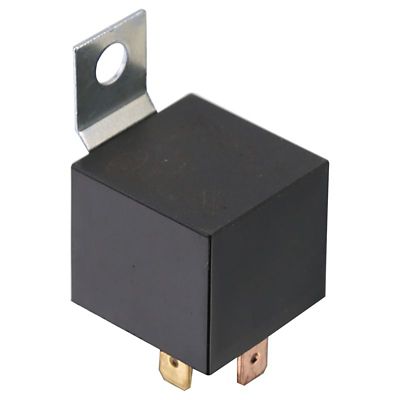
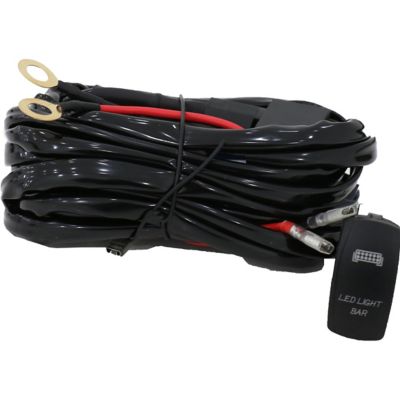
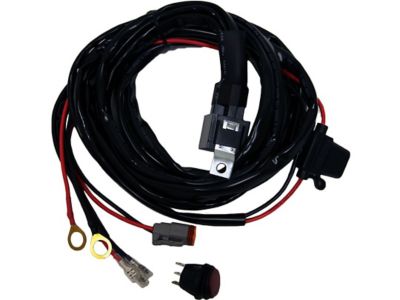
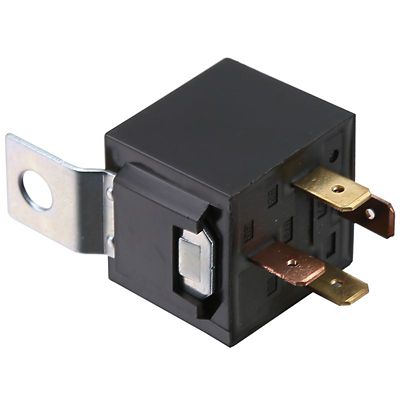
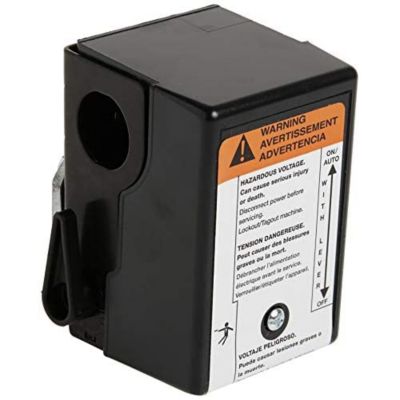
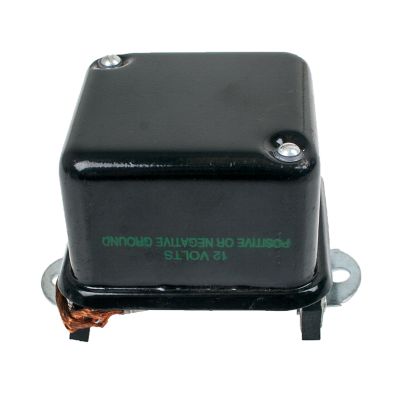
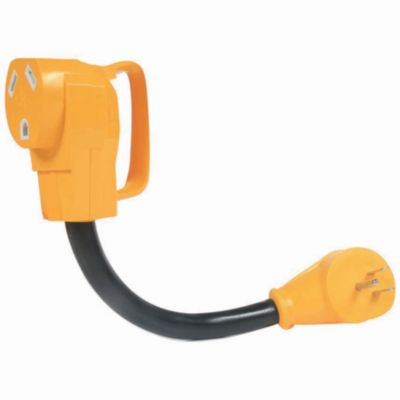
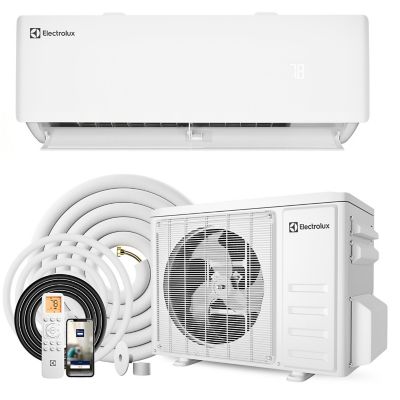
When it comes to keeping your place cool and comfortable, especially as the weather starts to heat up or when you’re working through those muggy evenings, AC relays are a small but mighty part of the whole setup. These electromechanical switches are what let your thermostat control the heavy-duty parts of your air conditioning system—like the compressor, condenser fan, or blower motor—without overloading the wiring or causing trouble. Folks running everything from a home AC unit to a workshop system or even barn ventilation know just how important it is for these relays to do their job. If you’ve ever heard your thermostat click but nothing happens, or the outdoor fan just sits there while the compressor hums along, there’s a good chance the relay is the culprit. Same goes if your blower motor keeps running when it shouldn’t. Whether you’re fixing things up yourself or giving a hand to a neighbor, having the right relay on hand saves a lot of hassle and keeps the air moving when you need it most.
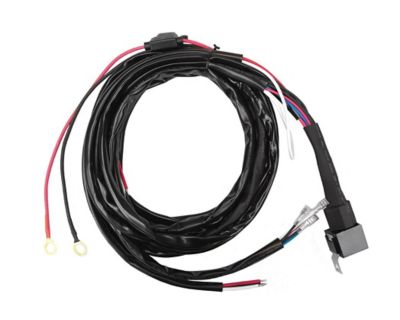
Picking out the right AC relay isn’t just about grabbing any old part off the shelf. You’ll want to make sure it matches the voltage and amperage for your system, and that the terminals line up with your wiring. For folks who like to handle repairs themselves, a multimeter is a handy tool for testing if a relay is opening and closing like it should. Sometimes, just a quick check of the coil voltage and resistance across the terminals can tell you if it’s time for a replacement. These parts are affordable and don’t take up much space in the toolbox, but they sure make a difference in keeping your cooling system running smooth all season long. If you’re helping out a friend or family member, or maybe putting together a little care package for someone moving into a new place, a good quality relay can be a thoughtful and practical gift—especially for folks who like to be prepared for whatever the weather throws their way. For a full range of options, or if you’re looking to learn more about how relays work in different setups, you can check out our selection of
Electrical Relays to find the right fit for your needs.
From seasoned DIYers to folks just learning the ropes of home or farm maintenance, understanding the role of AC relays makes troubleshooting a lot less intimidating. Swapping out a faulty relay can bring an AC system back to life, saving money and time during those stretches when a working cooling system is more than just a comfort—it’s a necessity. Whether you’re prepping for the hotter days ahead or making sure everything’s in working order before the cooler months settle in, having a reliable relay in your system means you’re ready for whatever comes next. Keep your spaces cool, your animals comfortable, and your equipment running strong by making sure your relays are up to the task.