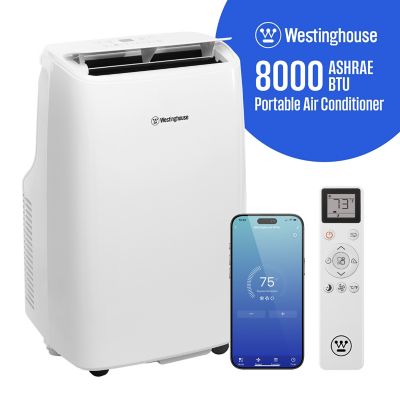
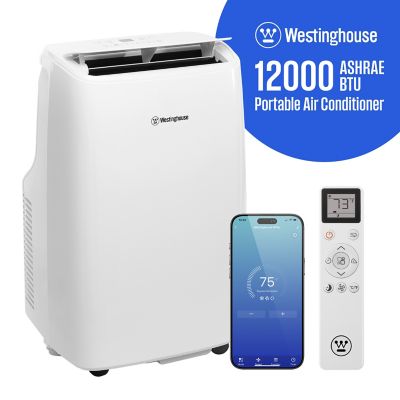
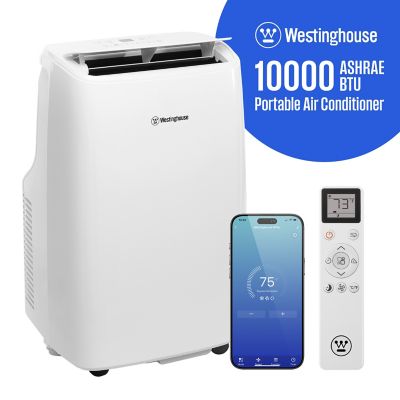
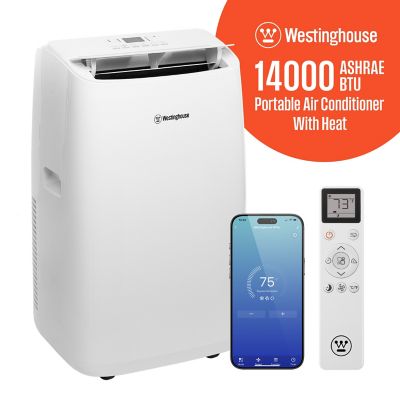
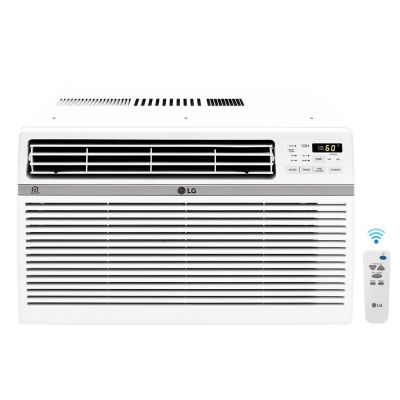
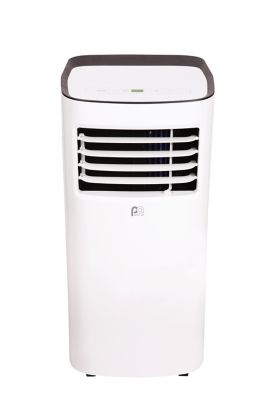
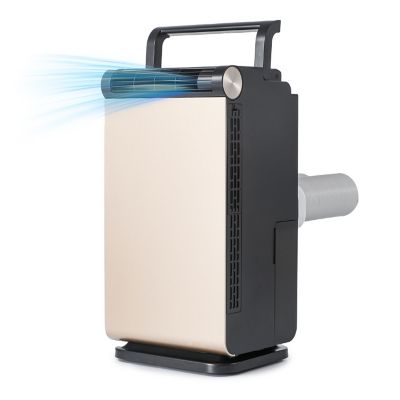
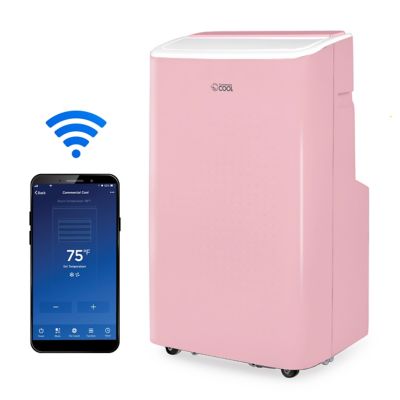
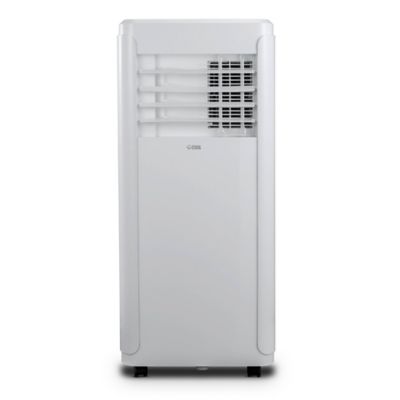
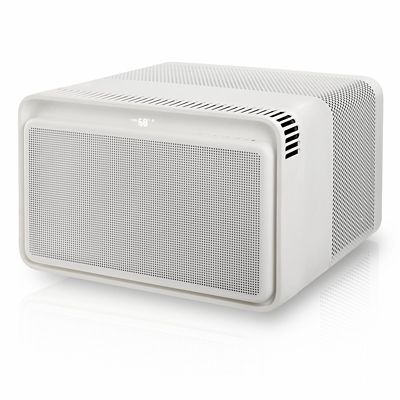
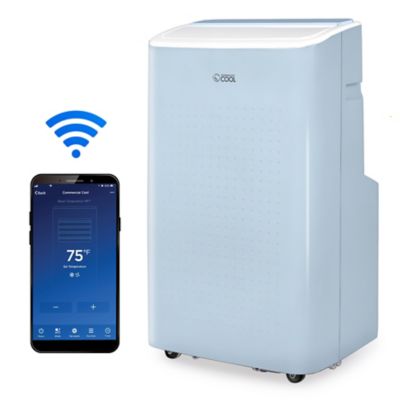
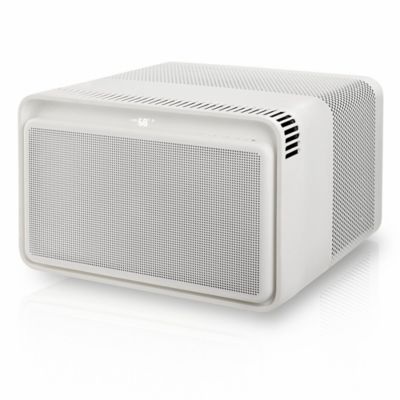
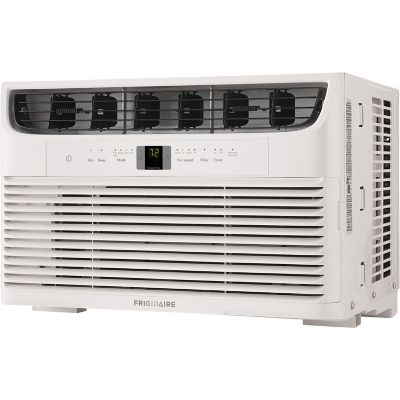
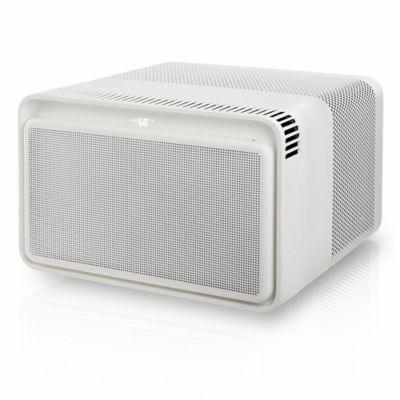
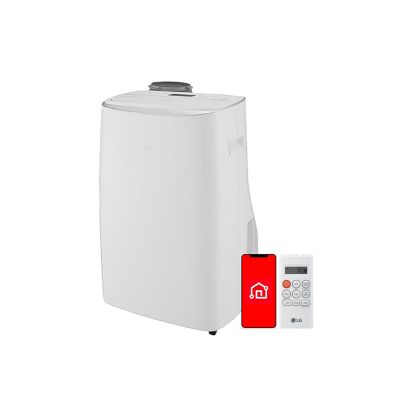
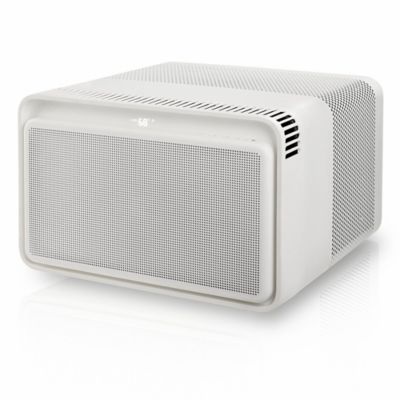
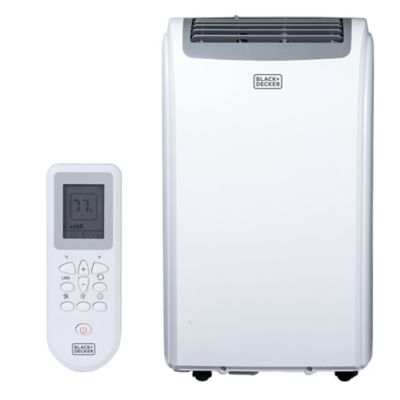
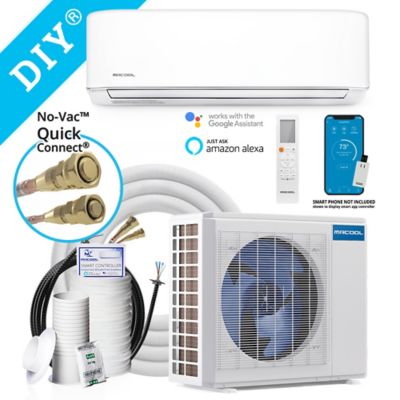
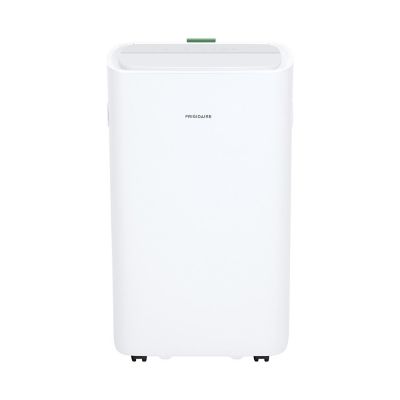
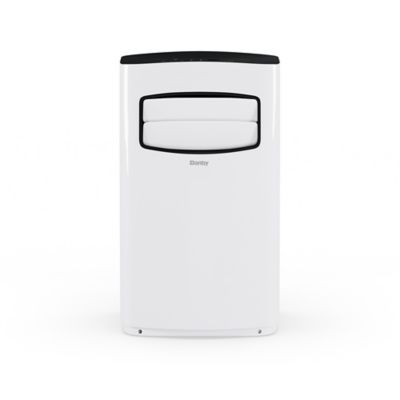
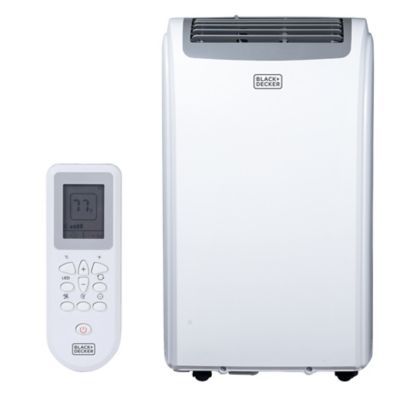
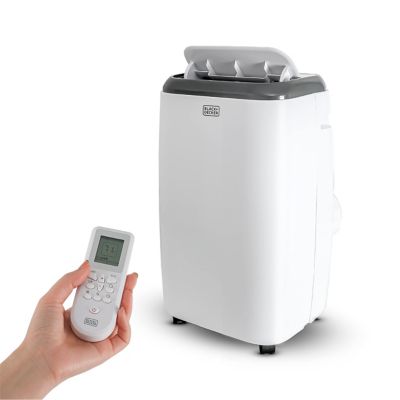
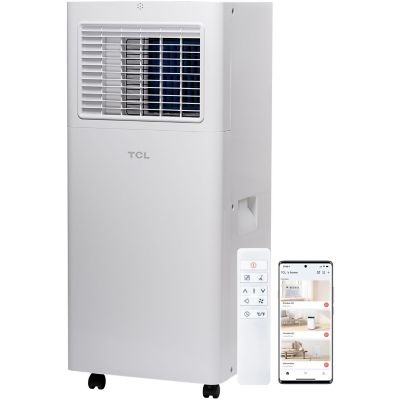
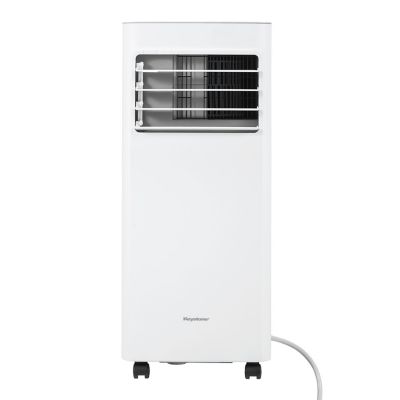
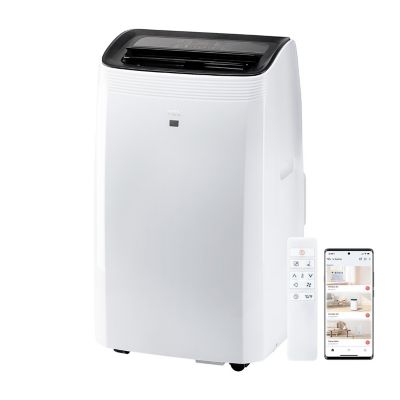
Compact AC units bring cooling to rooms where a full-size system may be more than the space needs, from a small bedroom over the kitchen to a home office overlooking the pasture. Their smaller footprint makes them a practical fit for folks who want one room comfortable without lowering the thermostat throughout the house. Compact air conditioners generally fall into two familiar groups: window units that sit in a properly fitted window opening and portable floor units that send heat outside through an exhaust hose. Both contain refrigeration components that pull heat from indoor air, and both need a way to release that heat outdoors. A window unit leaves the floor clear, which can matter in a tight bedroom with a dresser, bed and little walking space. A portable model keeps the main cabinet indoors and may have casters for moving between suitable rooms, though each location still needs a compatible vent opening and electrical outlet. For a closer look at that format,
Small Portable Air Conditioners focuses on cooling equipment with a floor-standing design. Compact does not mean every unit has the same cooling reach, weight or installation requirements. Some small air conditioners suit a modest sleeping area, while others need more floor space or a larger window opening than their photos might suggest. These units can make sense for renters where installation is permitted, homeowners with a room that stays warmer than the rest of the house, or someone setting up a finished outbuilding for paperwork and hobbies. An enclosed, insulated room is a much better match than an open barn, breezy porch or shop with the big door raised. Even during cooler months, afternoon sun and heat from indoor equipment can leave a south-facing room stuffy. Targeted cooling helps address that room’s conditions, provided the unit operates within the indoor and outdoor temperature ranges specified by its manufacturer. That room-by-room role is what makes a compact unit handy: it puts cooling close to the place where people sit, sleep or get their work done.
Cooling capacity, measured in British thermal units per hour and commonly listed as BTU, matters more than cabinet size alone. For window air conditioners, general sizing charts often put a 5,000-BTU unit near 150 square feet and a 6,000-BTU unit near 250 square feet under typical conditions. Those figures are starting points, not promises for every room. A low-ceilinged bedroom shaded by trees has a different heat load than a room of the same floor area with tall ceilings, broad west-facing windows and afternoon sun pouring across the floor. Insulation, air leaks, occupants and heat-producing appliances all affect the cooling needed. A unit that is too small may run for long stretches without reaching the set temperature, while an oversized unit may cool quickly and shut off before removing enough moisture. Portable air conditioners also require a careful look at the rating label. When comparing portable models, the Department of Energy’s seasonally adjusted cooling capacity, or SACC, gives a more representative basis for expected performance than the typically higher ASHRAE rating. Keeping the rating method consistent makes side-by-side comparisons more meaningful. Single-hose portable units exhaust indoor air, which can draw warmer replacement air into the room through gaps. Dual-hose designs generally reduce that effect by keeping the condenser airflow more separate from room air, though performance still depends on the equipment and setup. Fan speeds, adjustable louvers and thermostat controls help tailor the feel of the room once capacity is matched. A fan-only setting circulates air without active refrigeration, while a dehumidifying mode can remove moisture subject to the model’s operating and drainage requirements. Noise deserves attention, too, especially beside a bed or a desk where phone calls fill the day. Published sound levels, compressor operation and the placement of the cabinet all influence what a person hears. Water-based personal coolers are a different category: they rely on evaporation rather than refrigeration, work best in dry conditions and add moisture to the air. They are not a direct substitute for a vented compact AC unit in a humid room.
Fit and everyday care have a lot to do with how well a small air conditioner settles into a home. Window openings need enough width and height for the cabinet and installation hardware, along with the support specified in the instructions. Sliding windows, double-hung windows and casement windows do not all take the same fittings. A snug installation helps limit air leaks and keeps insects and windblown dust from finding an easy path indoors. Portable units need room around their air inlets and outlets, plus a hose route that stays within the manufacturer’s length and bend limits. Tucking one behind a chair or stretching the exhaust across a walkway can turn a space-saving appliance into a daily nuisance. Casters roll more easily on smooth floors than on thick carpet, and moving upstairs still means lifting the full weight of the unit. Cabinet materials commonly include molded plastic, painted metal or a combination of both; firm handles, stable wheels and well-fitting panels matter when equipment gets moved or stored. Inside, heat-exchanger fins need protection from dents, and filters need attention before a layer of lint or country-road dust restricts airflow. Filter cleaning or replacement should follow the care directions, since not every filter is washable. Condensate handling varies as well: some portable units evaporate much of the collected moisture through the exhaust, but humid conditions or certain operating modes may still call for a drain hose or tank emptying. Electrical fit is just as important as physical fit. Voltage, amperage, grounding and circuit requirements should match the appliance label, with the unit plugged directly into an appropriate wall outlet rather than a power strip or extension cord. Standard room air conditioners belong in locations permitted by their ratings, away from rain, heavy airborne debris and combustible dust. Before seasonal storage, draining and drying the unit as directed helps prevent lingering moisture, while a protected storage spot keeps hoses, window panels and hardware together for the next setup. With suitable capacity, a sound installation and routine upkeep, compact air conditioning can make a small room a more comfortable place to turn in after chores or settle down at the desk.