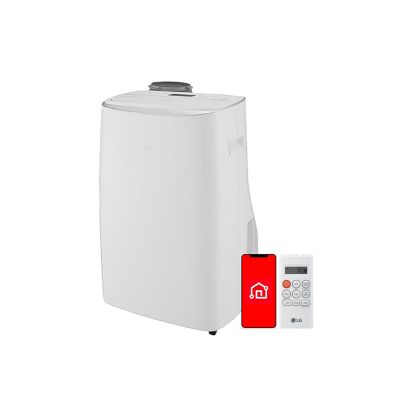
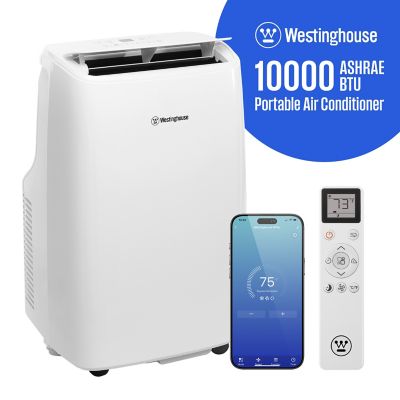
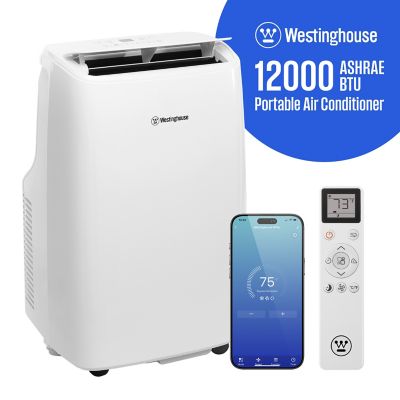
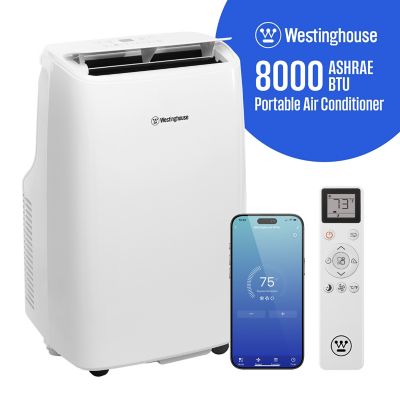
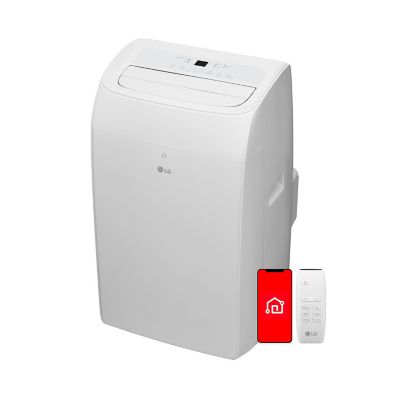
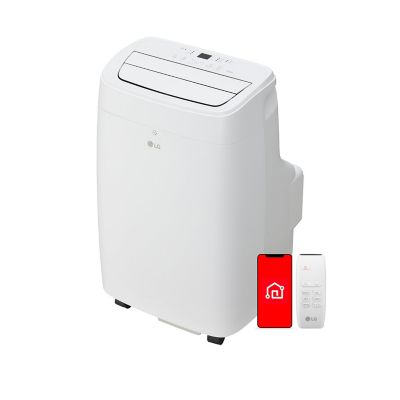
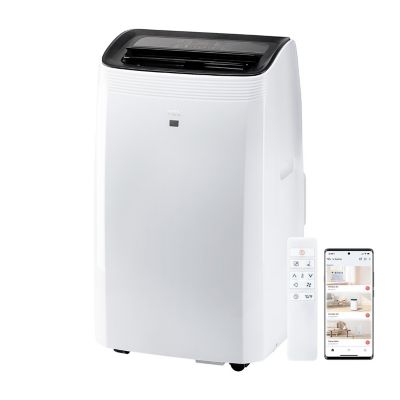
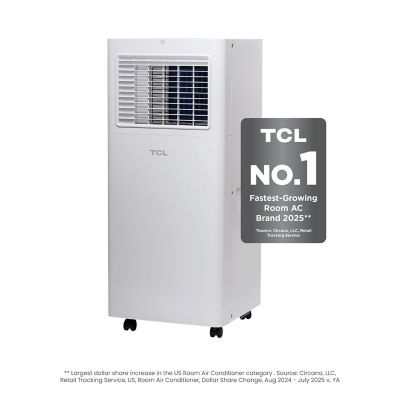
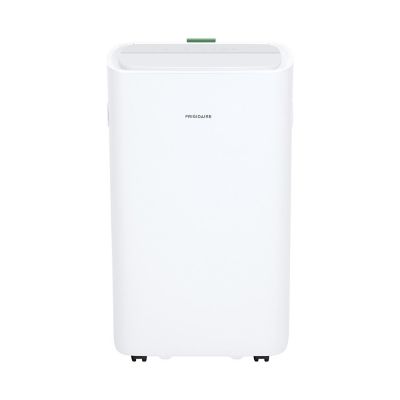
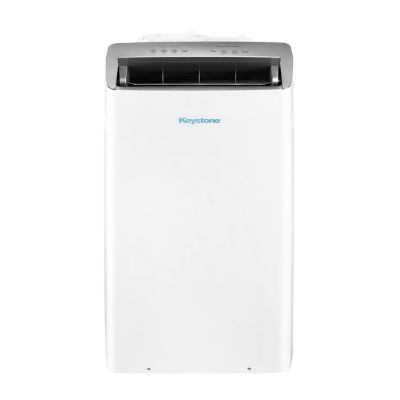
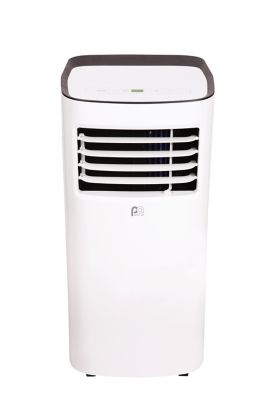
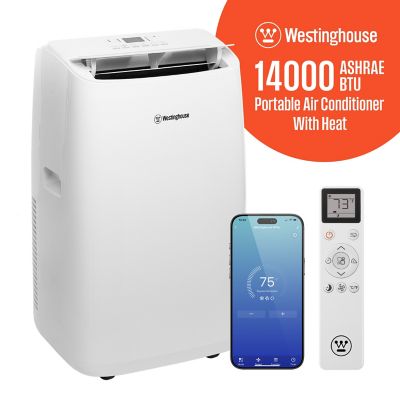
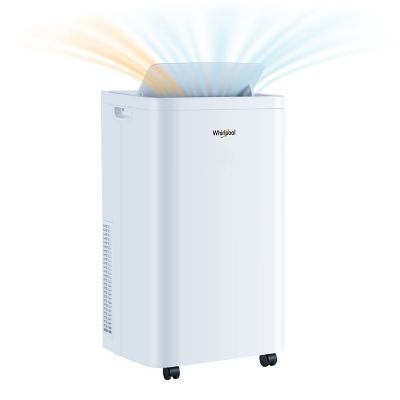
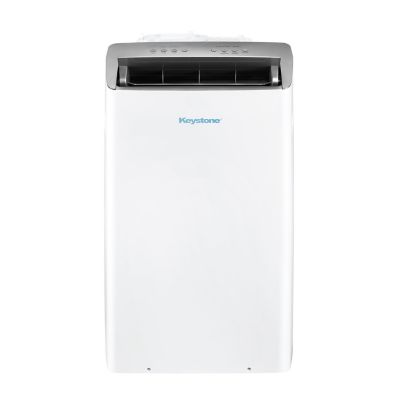
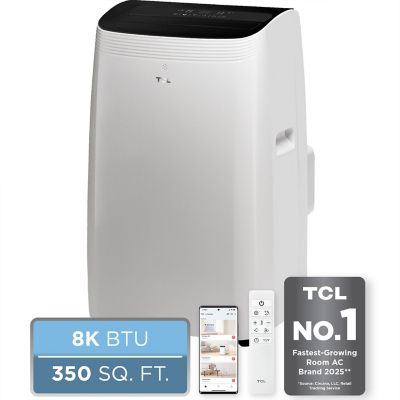
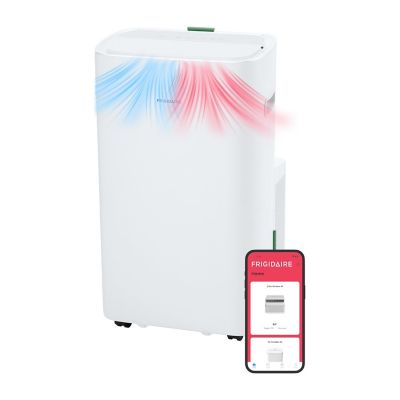
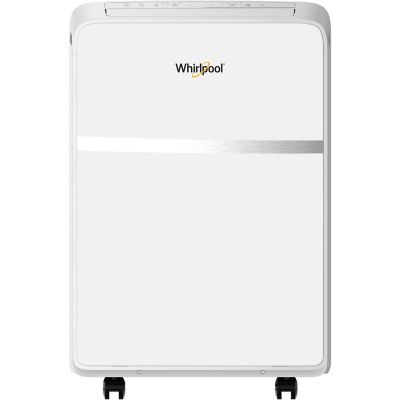
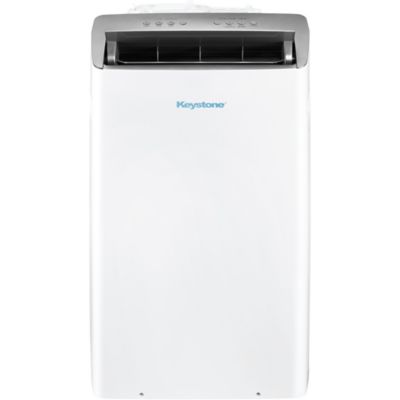
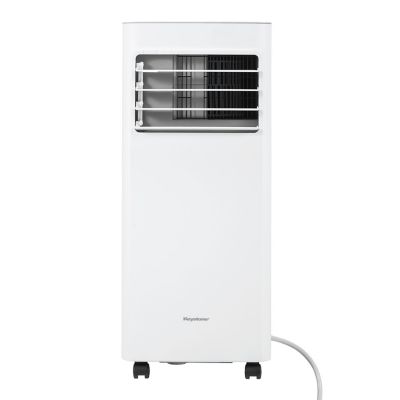
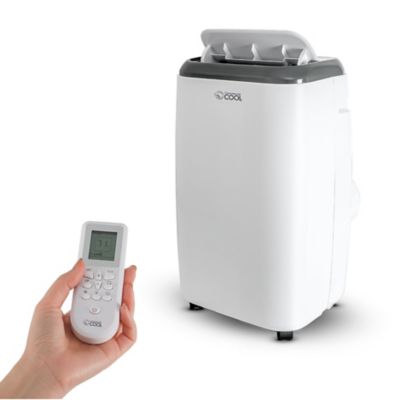
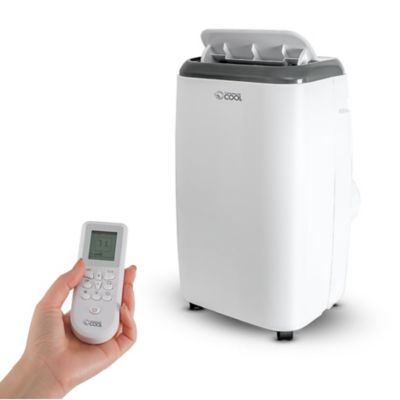
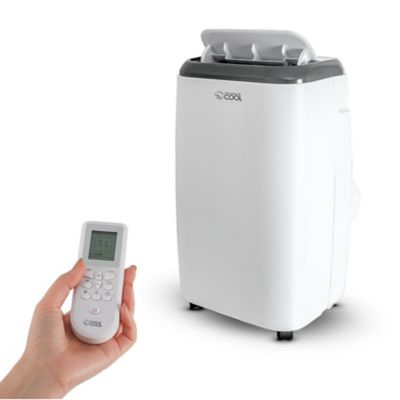
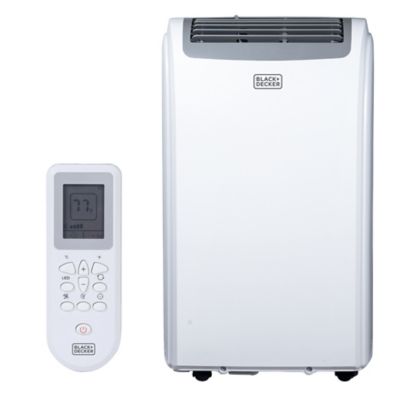
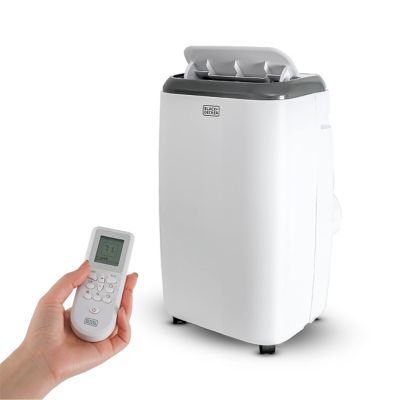
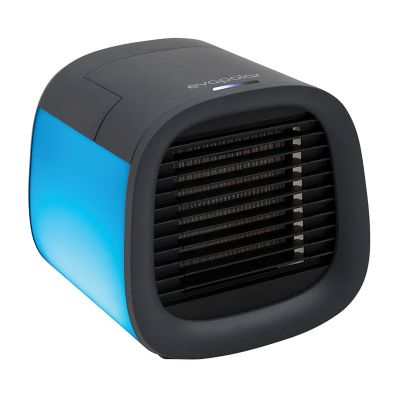
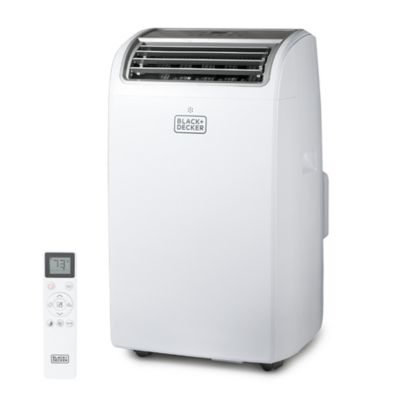
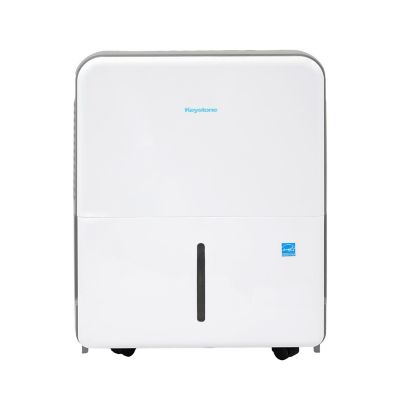
Portable HVAC units bring room-by-room comfort to spaces where a permanent system is not practical or where the main heating and cooling system does not reach evenly. These freestanding units can cool, circulate air, remove moisture, and, on some models, provide supplemental heat during cooler stretches. They can be a handy fit for a spare bedroom, workshop, enclosed porch, hunting cabin, garage office, apartment, dorm room, or small farm outbuilding. Because the unit stays on the floor and can be moved when needs change, it gives you a way to focus comfort where people are spending time instead of conditioning the whole building. A portable air conditioner pulls warm room air across cold coils, lowers the temperature, and sends the heat outside through an exhaust hose. Most air-conditioning models need a window kit or a suitable sliding-door opening, so take a look at the room before choosing a unit. Measure the window opening, check that the hose can reach without sharp bends, and make sure the unit can sit close enough to an outlet without relying on a long extension cord. A level floor, open airflow around the cabinet, and a little space from walls and furniture help the system do its job without straining. For rooms that stay damp during the cooler months, a dedicated
Portable Dehumidifiers page can help you compare another way to manage indoor moisture.
Room size is one of the first things to consider when comparing portable HVAC units. Cooling capacity is often listed in BTUs, but a bigger number is not automatically the right choice for every space. A compact room with good insulation may need less capacity, while a sunny room, tall-ceilinged shop, or space with several heat-producing tools may need more. Count the square footage, then think about ceiling height, window exposure, insulation, traffic through doors, and how much heat the room holds through the day. A unit rated for a smaller area may be a sensible match for a bedroom or office, while a larger room may call for higher capacity or more than one comfort solution. Look at the operating modes, too. Cooling helps take the edge off warm indoor air, fan mode keeps air moving when the temperature is mild, and dehumidifying can make a muggy room feel more comfortable even when the thermostat reading is not especially high. Some models include a supplemental heat setting, which can be useful beside a desk, in a workshop, or in a chilly guest room, but that feature is not meant to replace a central furnace or a properly sized primary heater. Single-hose designs are often straightforward to set up, while dual-hose systems bring in outside air through one hose and send warm exhaust out through another. Either style needs proper venting, and the hose should never be directed into an attic, crawlspace, garage, or another enclosed area. Read the electrical requirements before plugging in, especially in older buildings or outbuildings where circuits may already power lights, freezers, tools, or other equipment.
Portable HVAC units can make a thoughtful housewarming present, a practical addition for a college student, or a welcome comfort item for someone setting up a home office, guest space, workshop, or seasonal cabin. They also fit the routine of farm and rural homes, where one room may need extra help while a large building is opened and closed throughout the day. Picture a mudroom drying out after wet work, a quiet bedroom settling down after a warm afternoon, or a small shop becoming more comfortable while a project is underway. Before bringing one home, check the power source, window style, room dimensions, and the amount of floor space available. Casters can make moving easier, but the unit still needs a clear path and should be kept away from standing water, dust-heavy work, and anything that could block the intake or exhaust. Empty the water collection tank when the instructions call for it, clean or check the filter at the recommended intervals, and wipe away dust so airflow stays open. Keep doors and windows closed while cooling, shade bright windows when possible, and give the unit time to bring the room to the desired temperature rather than constantly changing the settings. Noise level may matter in a bedroom, nursery, office, or hunting cabin, while a timer, remote control, thermostat setting, or sleep mode can make daily operation easier. Shop this selection of Portable HVAC Units with the room, venting path, electrical setup, and season ahead in mind, and you can bring targeted comfort to the places where your household, guests, animals, or weekend projects need it most.