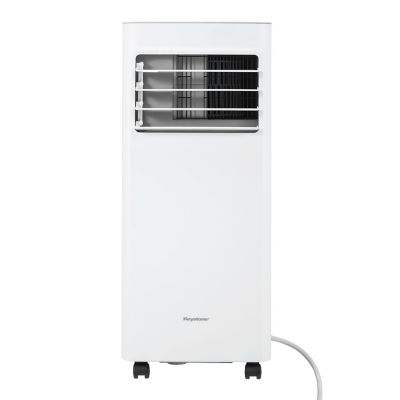
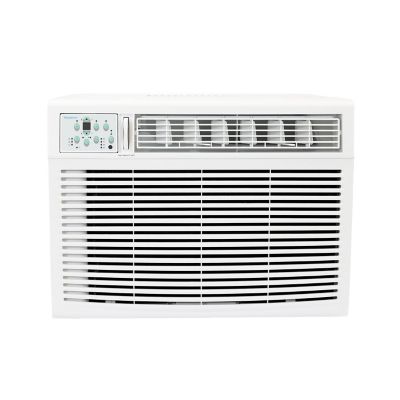
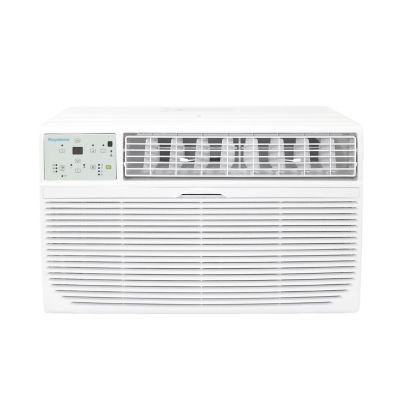
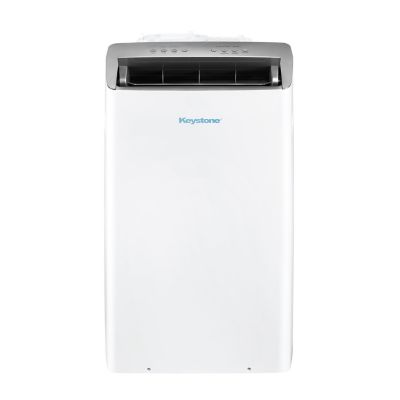
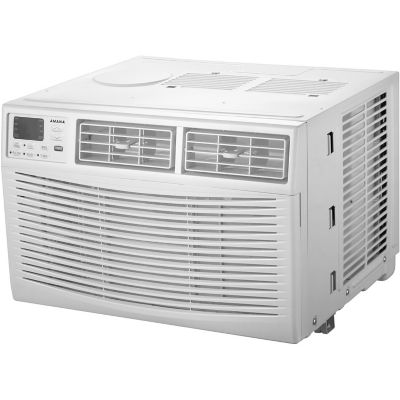
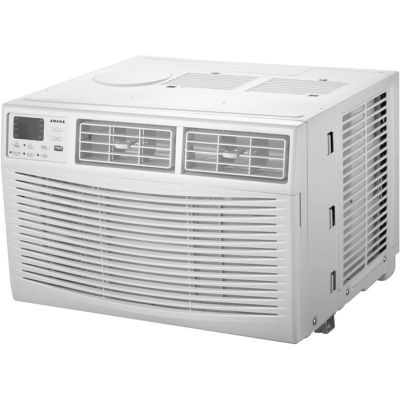
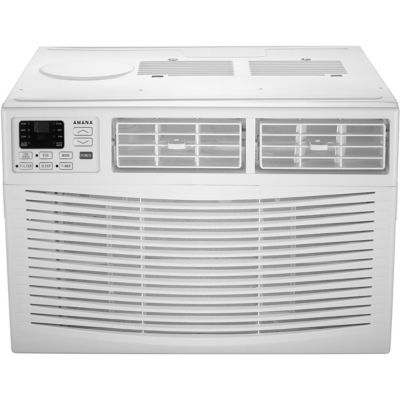
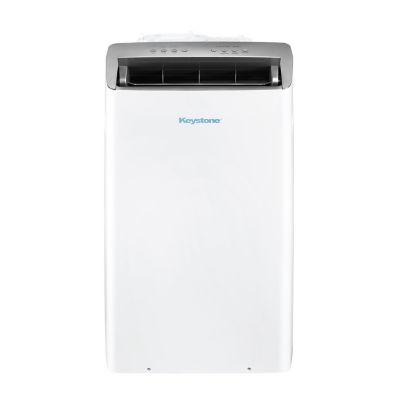
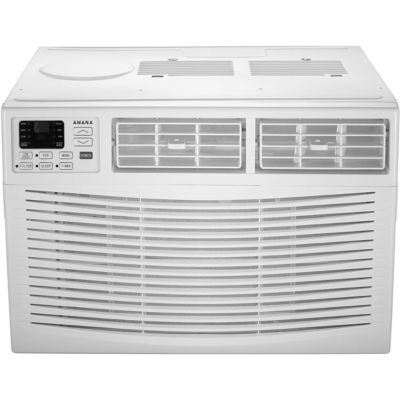
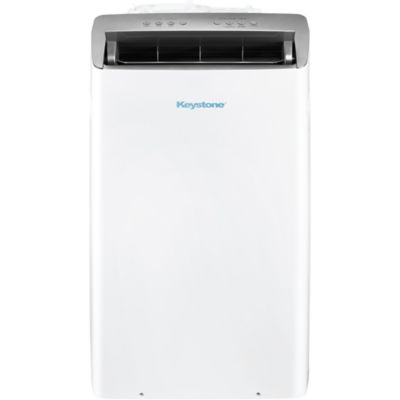
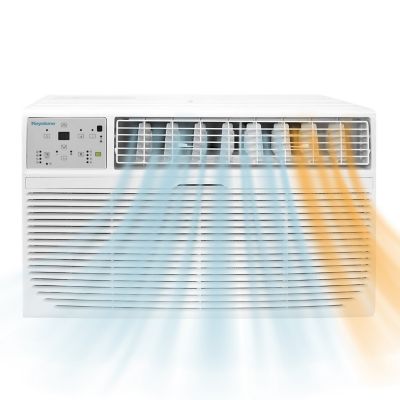
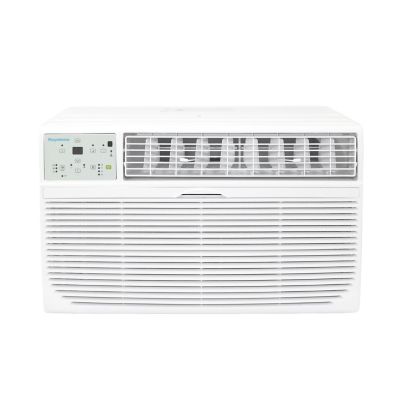
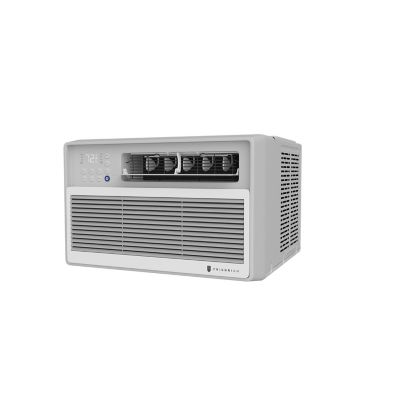
Air conditioners help make a bedroom, home office, or living area more comfortable without cooling every room in the house to the same setting. A compact window air conditioner rated at 5,000 BTU per hour commonly serves a small room up to about 150 square feet, depending on the manufacturer’s rating and the room’s conditions. That is roughly the floor area of a 10-by-15-foot bedroom, though ceiling height, direct sunlight, insulation, and nearby heat sources all affect the cooling load. An upstairs room under the roof can need more cooling than a shaded room of the same size downstairs. The right capacity matters more than simply picking the largest number: an undersized unit may run for long stretches without reaching the set temperature, while an oversized unit can cycle off before removing enough moisture from the air. Window, portable, and through-the-wall air conditioners each suit different spaces, and
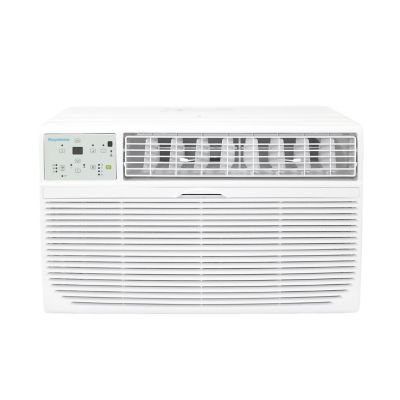
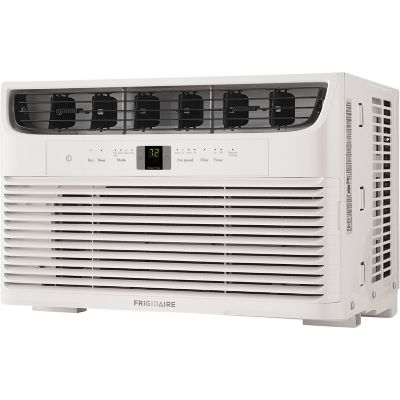
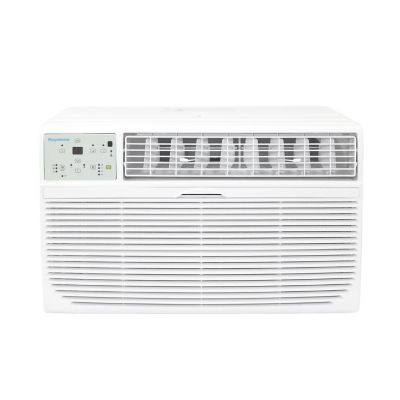
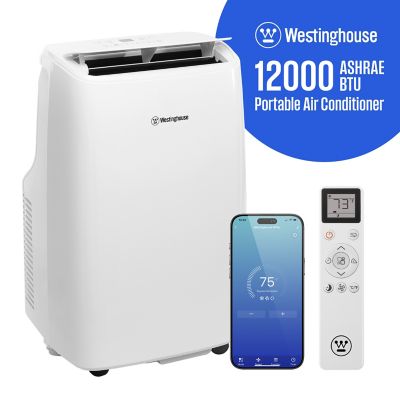
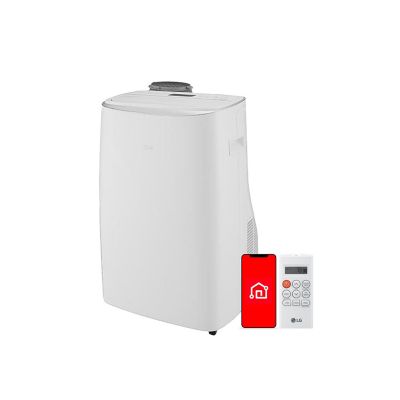
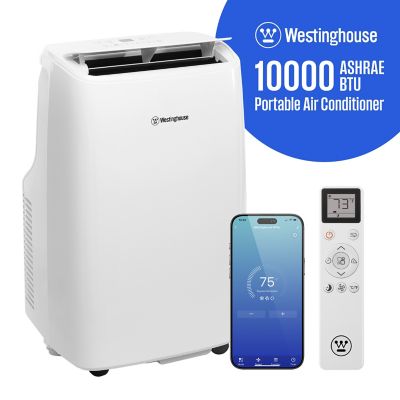
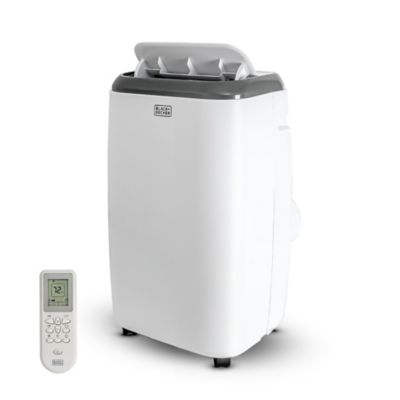
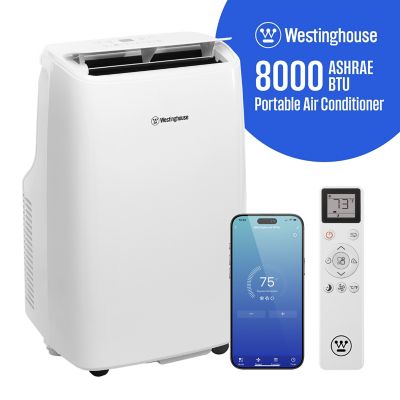
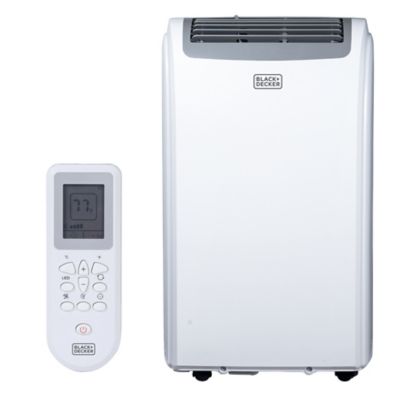
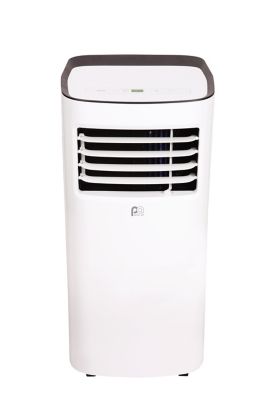
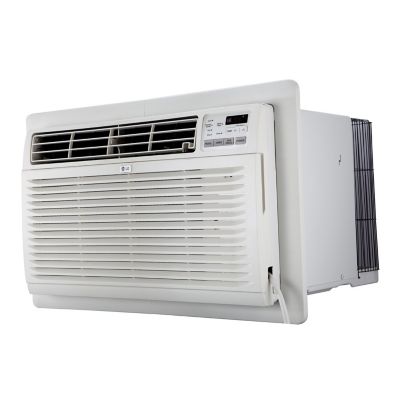
Room Cooling Air Conditioners offer a closer look at cooling meant for individual rooms. A window unit can leave the floor clear beside a bed or desk, while a portable unit can work where a compatible window opening allows an exhaust hose. Through-the-wall units fit a properly prepared wall opening and sleeve rather than occupying a window. For a farmhouse bedroom, a small apartment, or an enclosed office beside the shop, the best match depends on the space itself and how it gets occupied. A closed room with reasonable insulation is a different job from an open living area that connects to a kitchen and hallway. Basic controls may be all that is needed for a room occupied at regular hours. Timers, adjustable fan speeds, and remote controls add convenience when the unit sits across the room or above a desk. These differences make room size, installation style, and everyday habits useful starting points when comparing air conditioners.
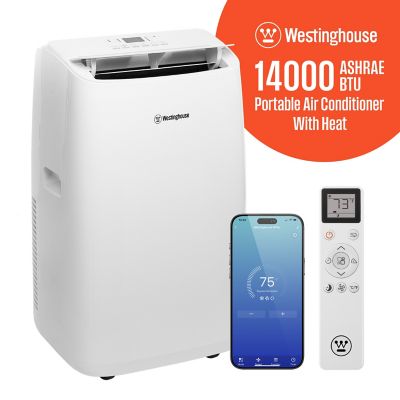
Physical fit deserves just as much attention as cooling capacity. Window air conditioners have minimum and maximum opening dimensions, along with limits for sash height, sill shape, and the type of window they fit. A standard unit intended for a vertically opening window is not automatically suitable for a side-sliding or crank-out window. The cabinet also extends outdoors, so the installation needs clear space around the outside portion for heat to escape. Metal cabinets, molded front panels, louvers, and filter frames all have a part in the way a unit handles regular operation, but correct mounting keeps that assembly steady. Support requirements vary with the unit’s weight and the window construction; approved brackets and installation hardware must match the manufacturer’s directions. Gaps around the cabinet can let warm air, moisture, and insects into the room, making the supplied seals and side panels more than finishing touches. Through-the-wall air conditioners have their own sleeve and ventilation requirements, and a window unit should not be enclosed in a wall unless its manufacturer permits that installation. Portable air conditioners take up floor space and need a suitable path for the exhaust hose. A corner crowded with furniture, feed bags, or storage bins can restrict airflow and leave little room to reach the filter or drain. Many portable units have casters, but moving one to another room still means setting up its exhaust connection again. Hose length and bends affect performance, so the permitted arrangement matters more than where the unit looks most out of the way. Some models collect condensate in a tank, while others call for drainage in certain operating modes or humid conditions. For any style, the plug, voltage, amperage, and circuit requirements need to match the electrical supply. An air conditioner belongs on a properly grounded receptacle that meets its instructions, not a power strip or an improvised extension-cord setup.
Everyday comfort also comes down to details that are easy to overlook in a capacity rating. Adjustable louvers can send air along the room instead of straight onto a pillow, chair, or work surface. Several fan speeds give more control over air movement, and a clearly marked thermostat makes it easier to keep a bedroom comfortable through the night. Sound ratings are worth comparing for sleeping areas and home offices, especially where a compressor cycling on would compete with a phone call or a light sleeper. Sleep modes and display-dimming functions can be useful in a bedroom, while automatic restart may matter where brief power interruptions happen. These features vary by model, so their exact behavior belongs in the product specifications. Published efficiency ratings help compare energy performance, but the ratings should be compared within the same air conditioner category. Portable units may show both an ASHRAE capacity and a lower DOE seasonally adjusted cooling capacity, often labeled SACC; those figures reflect different test methods rather than two separate operating settings. Easy filter access is another practical consideration, particularly in a house where gravel-drive dust, pet hair, or field dust gets tracked indoors. Washable filters need cleaning at the intervals stated in the manual, and they need to dry before going back into place when washing is permitted. Clear intake grilles and unobstructed outlets help air circulate, while clean coils support heat transfer. Curtains, bedding, and furniture should stay out of the airflow path. Water management matters, too: drainage openings and hoses need to remain clear, with any installation pitch following the unit’s directions. Refrigerant lines and sealed cooling components call for qualified service rather than household repairs. Whether the room is a spare bedroom for visiting family or a quiet place to catch up on paperwork after chores, a properly fitted air conditioner with straightforward controls and accessible maintenance points can make daily comfort easier to manage.