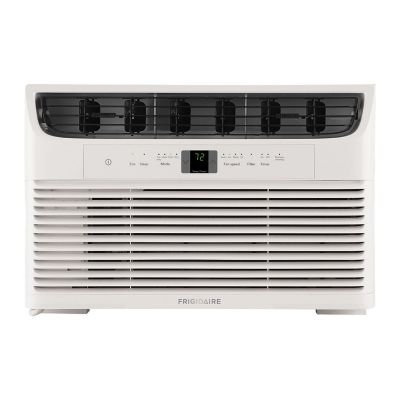
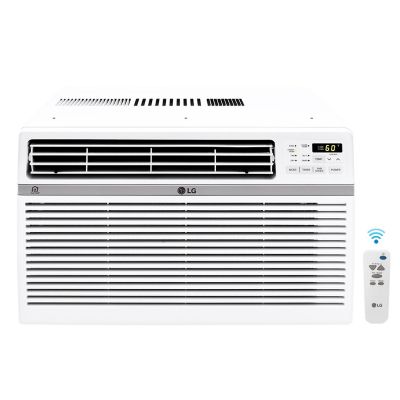
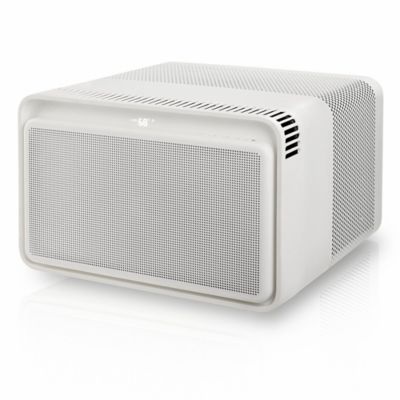
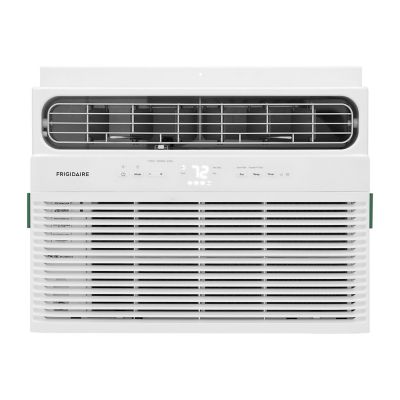
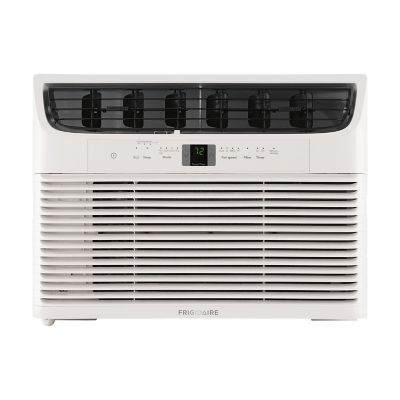
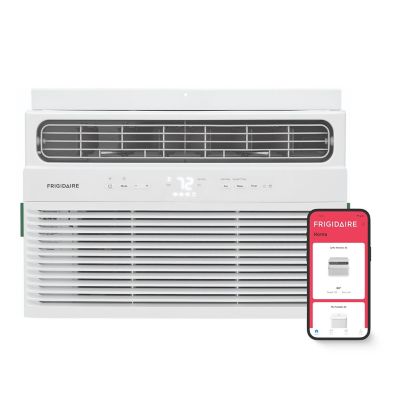
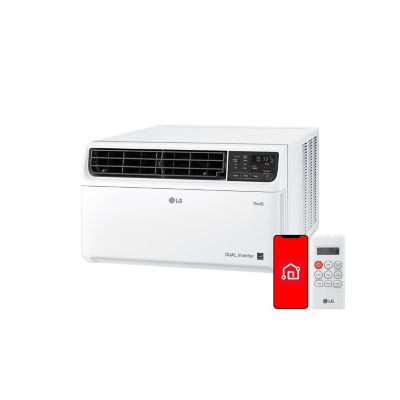
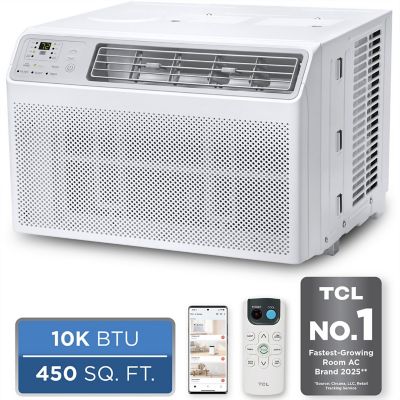
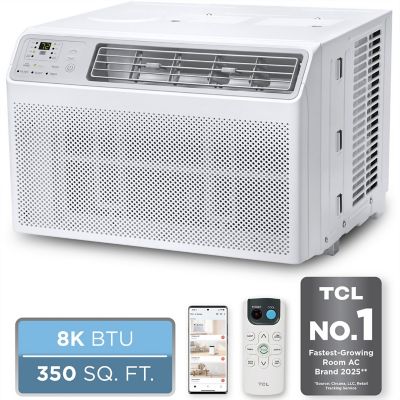
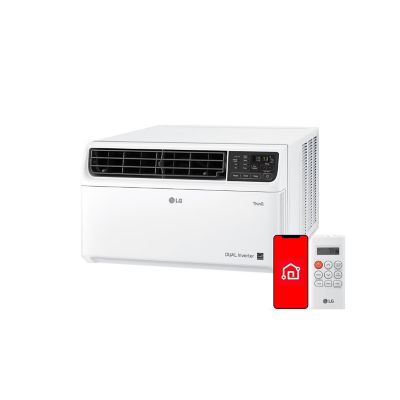
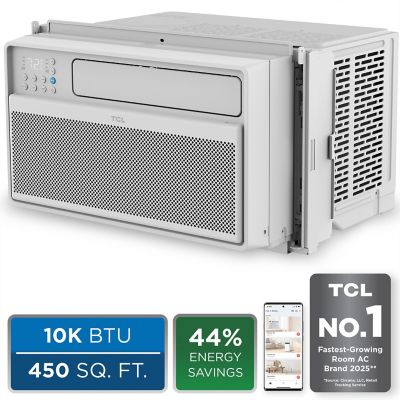
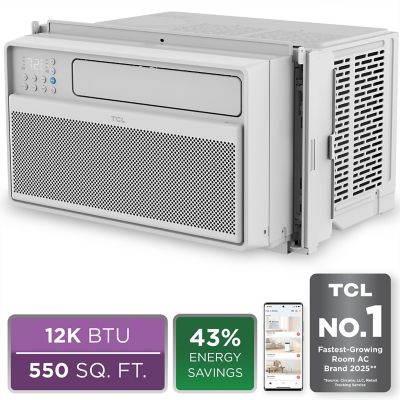
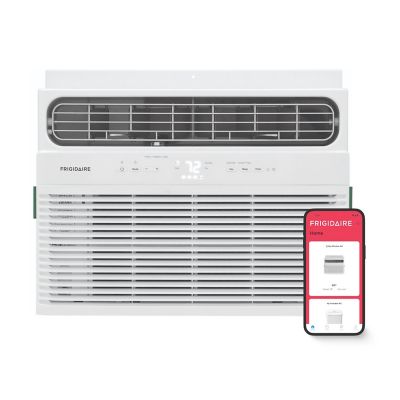
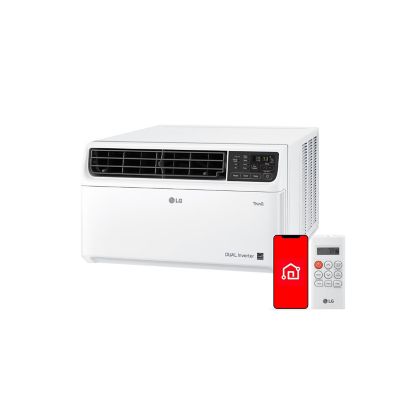
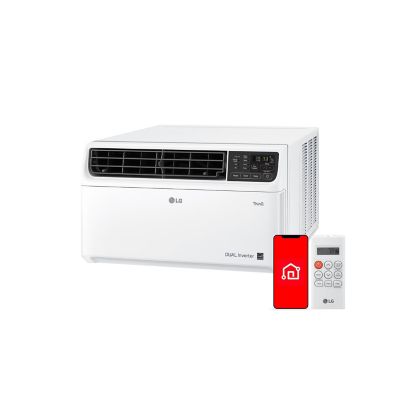
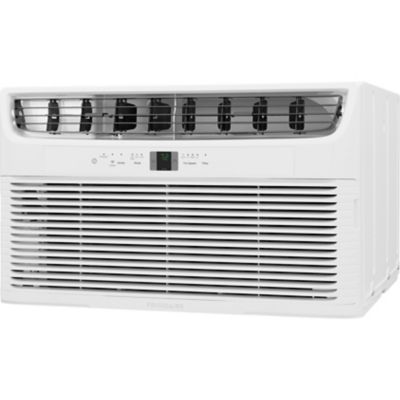
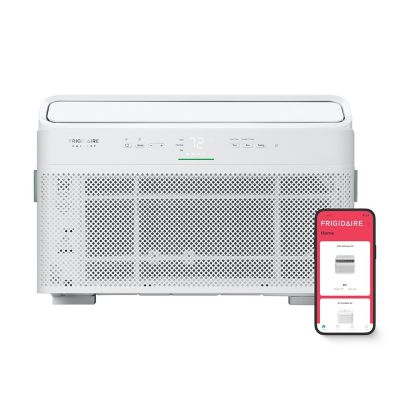
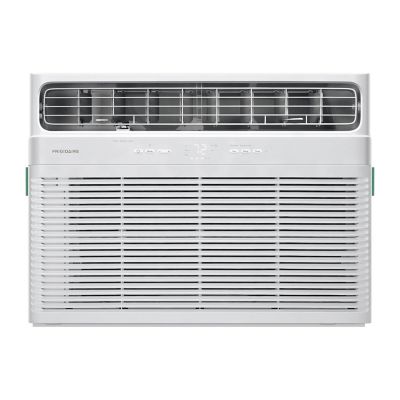
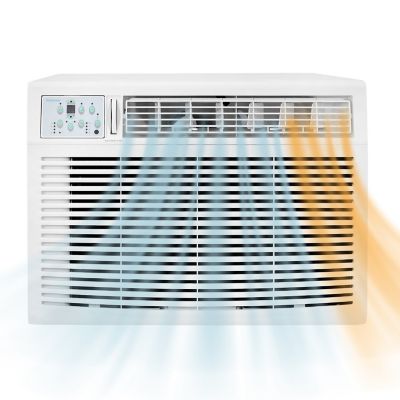
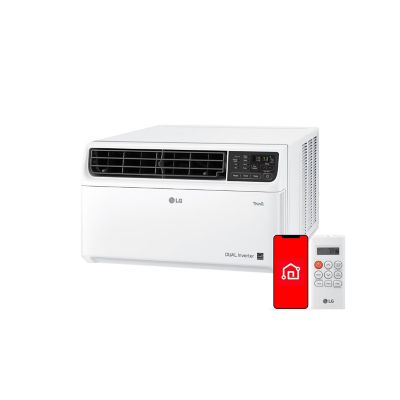
A window unit air conditioner cools a single room by mounting in a compatible window opening and sending heat outdoors. The main working parts share one cabinet, so the room gets cooling without a separate outdoor condenser or a run of ductwork. That makes window units a practical fit for bedrooms, home offices, guest rooms and enclosed farm offices where comfort matters most in one spot. They can also supplement central air in a room that stays warmer than the rest of the house, provided the window and electrical setup meet the unit’s requirements. Cooling capacity is measured in British thermal units, usually shown as BTU per hour. As a general starting point, 5,000 BTU suits about 100 to 150 square feet, 6,000 BTU about 150 to 250 square feet, 8,000 BTU about 300 to 350 square feet, 10,000 BTU about 400 to 450 square feet, and 12,000 BTU about 450 to 550 square feet. These are estimates for typical room conditions, not a promise that every room of the same size needs the same capacity. Direct afternoon sun, high ceilings, cooking appliances and several people sharing a space can increase the cooling load. Shade, insulation and the way adjoining rooms connect also affect performance. A kitchen with a working stove asks more of an air conditioner than a shaded bedroom with the same floor area. Bigger is not always better: an oversized unit may cool the air quickly and shut off before removing enough moisture, leaving the room feeling clammy. An undersized unit may run for long stretches without reaching the set temperature. Matching the manufacturer’s room-size rating to the space, then accounting for extra heat sources, helps narrow the choices. For a room off a busy hallway, open doors let cooled air drift into spaces beyond the unit’s intended reach.
Window fit involves more than squeezing a cabinet between two side jambs. The listed opening dimensions for
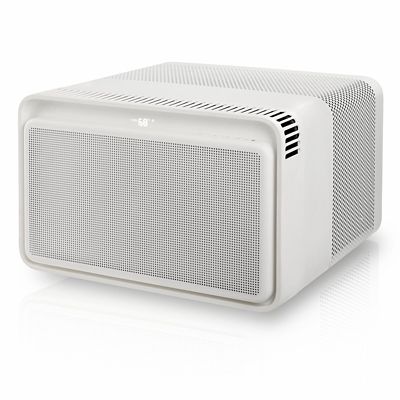
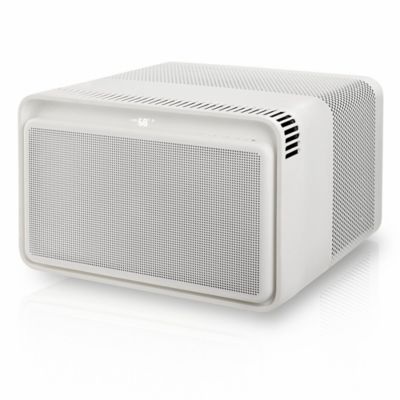
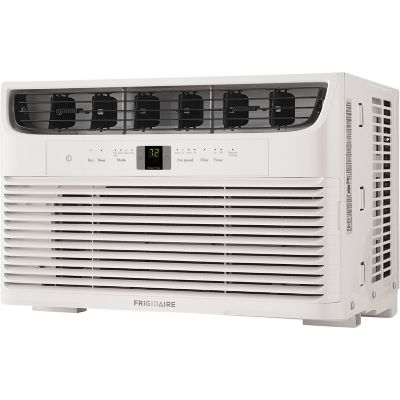
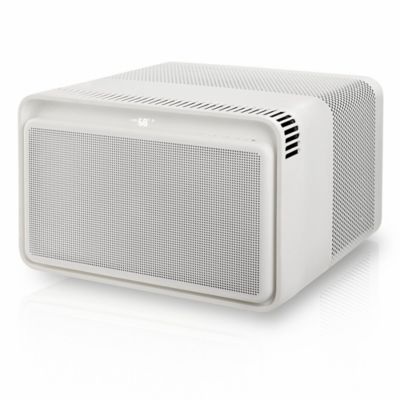
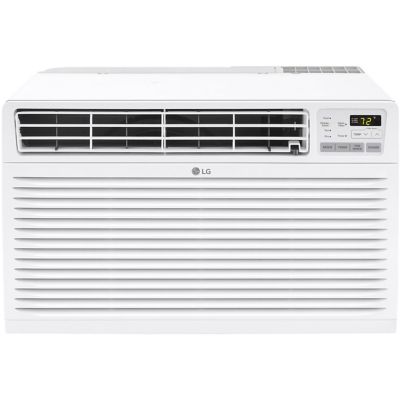
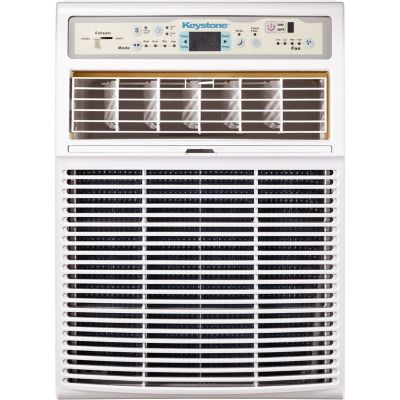
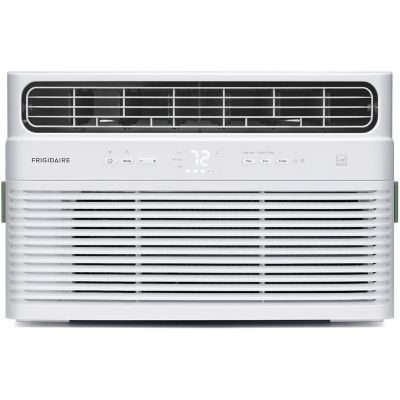
Horizontal Window Air Conditioners matter just as much as their cooling output. Many standard designs fit vertically opening, double-hung windows; sliding and casement windows may need a different unit style or a manufacturer-approved installation arrangement. Minimum and maximum opening width, sash clearance, sill depth and the weight the window can support all deserve a close look. Side panels fill gaps around compatible units, while foam seals and weatherstripping help limit drafts, insects and cooled-air loss. Those panels close openings; they do not replace the mounting hardware or a support bracket when one is required. A sound frame and secure attachment matter on a ground-floor porch room just as much as they do upstairs. The installation also needs to preserve required emergency exits and keep outdoor vents clear of walls, shrubs and other obstructions. Metal cabinets commonly have protective finishes, while interior grilles and adjustable louvers are often plastic. The cabinet’s outdoor portion needs the exposure and drainage arrangement specified by the manufacturer, not an improvised enclosure that traps exhaust heat. Installation angle varies by design, so drainage and any slight outward tilt should follow the supplied directions. Electrical fit matters, too. Many smaller units operate on a properly grounded 115- or 120-volt receptacle, while some larger units require a different voltage or a dedicated circuit. The nameplate and installation manual identify the required connection. Extension cords and power strips are not a substitute for a suitable outlet, and electrical changes belong with a qualified electrician. Controls should also be easy to reach after installation, with enough clearance to remove the filter. That detail makes a difference when the unit sits above a desk or beside a bed, where everyday access can be tighter than the window measurements suggest.
Comfort depends on more than the temperature setting, especially when a window AC shares a room with a television, a work call or a light sleeper. Adjustable fan speeds and louvers help send air across the space instead of straight onto a chair or pillow. A clear path in front of the grille lets air circulate; curtains, furniture and a shelf full of supplies can interfere even when the cooling capacity is right. Noise ratings are worth comparing under similar operating conditions, since fan-only operation and compressor operation can sound different. Inverter-driven compressors can vary their output rather than repeatedly switching fully on and off, which may provide steadier temperatures and quieter operation. Timers, sleep settings, remote controls and connected features add different ways to manage comfort, but their usefulness depends on the room and routine. A simple control panel may be plenty for a spare bedroom, while remote adjustment can be handy in an office at the far end of the house. EnergyGuide information and the combined energy efficiency ratio, or CEER, help compare electricity consumption; a higher CEER generally indicates greater efficiency when comparing otherwise similar units. Actual electricity use still depends on settings, runtime and room conditions. Most window air conditioners recirculate indoor air rather than supplying steady fresh air, and ordinary mesh filters catch lint and larger dust particles rather than replacing dedicated air-cleaning equipment. Removable filters make routine care easier, but washing is appropriate only when the manufacturer identifies the filter as washable. Keeping intake grilles clear, checking seals and protecting delicate coil fins help maintain airflow and cooling performance. Power should be disconnected before cleaning, and cabinet interiors and electrical parts need care that follows the manual. Refrigerant work belongs with a trained technician. If a unit comes out of the window between cooling seasons, clean, dry storage and the recommended upright position help protect it until the next installation. For households with children or pets, secure mounting and an unobstructed cord route are part of a sensible setup from the start.