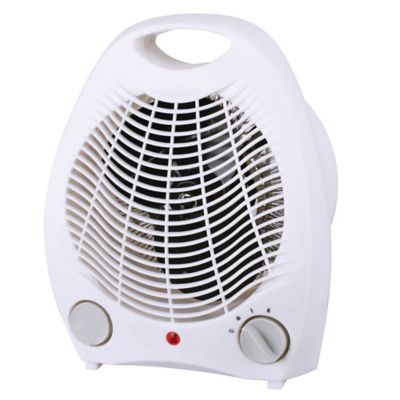
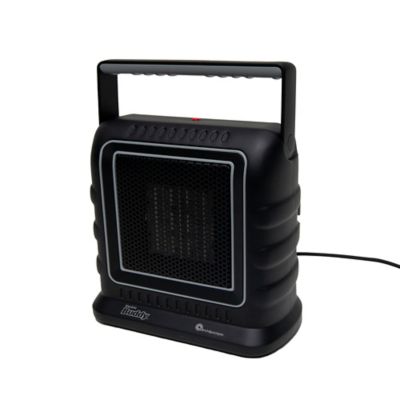
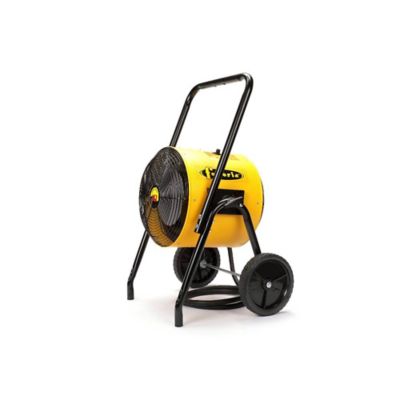
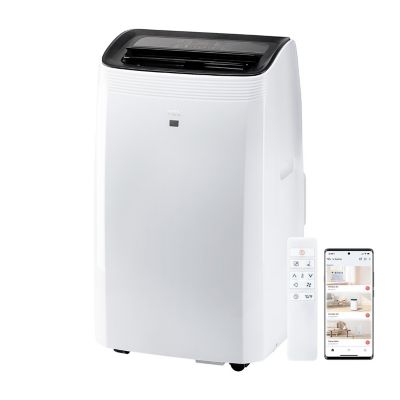
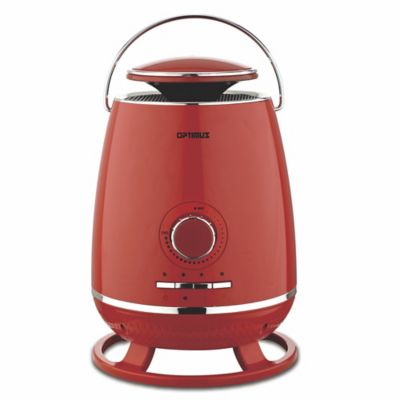
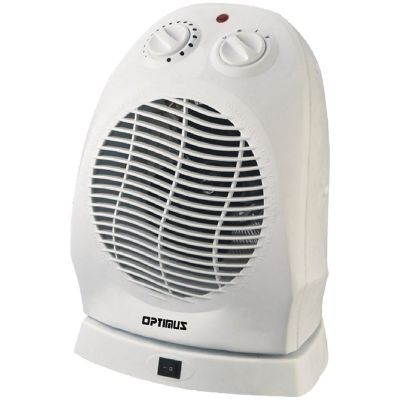
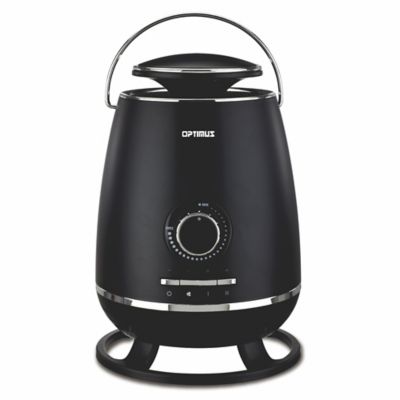
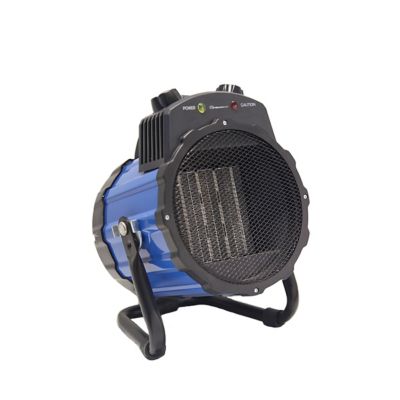
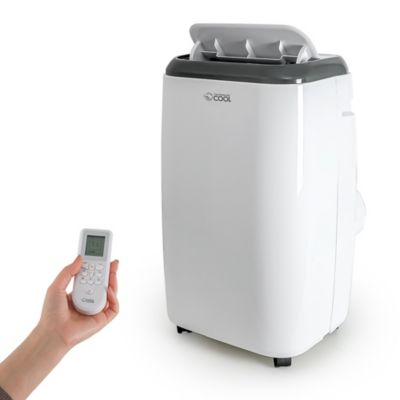
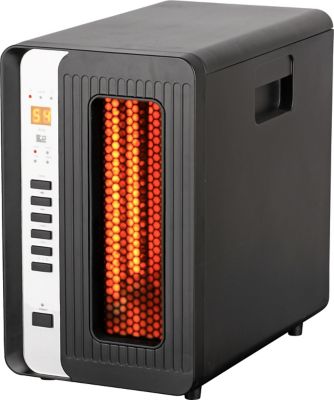
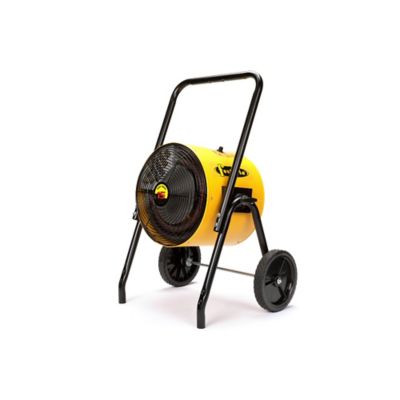
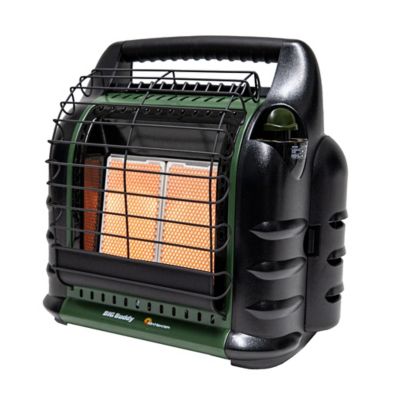
Portable heat cool units give you a flexible way to manage indoor comfort when one room runs warmer, colder, damper or stuffier than the rest of the house. These all-in-one appliances can provide cooling during hot, muggy stretches, heat when the air turns crisp, and fan-only circulation when you simply want a little more air movement. Many models also include dehumidifying and air-filtering functions, which can make a noticeable difference in bedrooms, workshops, cabins, garages, home offices and other spaces that do not stay comfortable year-round. They are especially handy in older homes with uneven heating and cooling, finished outbuildings, seasonal rooms and farm offices where installing permanent HVAC would be costly or impractical. A portable unit can also help take the edge off while a central system is being repaired or while you wait on a larger project. Look for a design with sturdy casters and practical handles if you expect to move it between rooms, and check the unit’s dimensions before buying so it can fit through doorways and leave enough clearance around air intakes and exhausts. Portable does not always mean lightweight, particularly with higher-capacity models, so a smooth rolling base matters when the unit needs to cross a hard floor. On carpet, uneven thresholds or a dusty shop floor, moving it may take a little more effort. Some units are intended mainly for indoor use and must be placed near an appropriate power source, while others are designed for more flexible settings. Check the electrical requirements, cord length and outlet recommendations, and avoid relying on an extension cord unless the manufacturer specifically allows it. A dedicated wall outlet is generally the safest choice for a high-draw appliance. If you are comparing options for a barn office, hunting cabin, tack room or detached workspace, consider how far the space is from the main electrical panel and whether the unit’s power needs fit that setup.
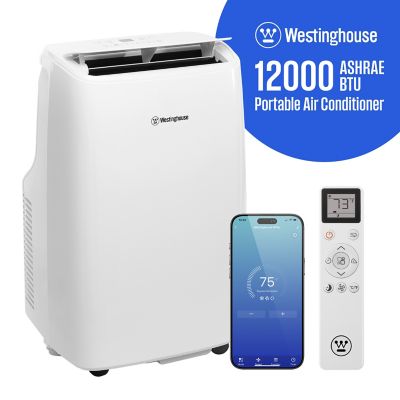
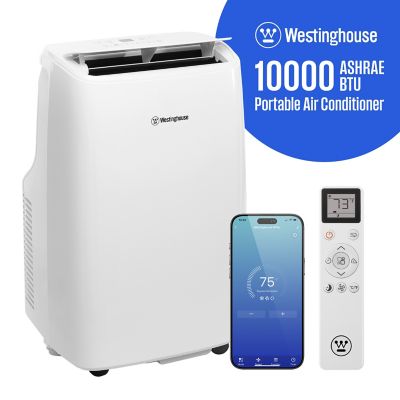
Capacity is one of the most important buying details. Cooling strength is commonly listed in BTUs, and a rough starting point is an 8,000- to 10,000-BTU unit for a small or medium room of about 350 to 450 square feet, a 12,000-BTU unit for spaces around 500 to 600 square feet, and a 14,000-BTU unit for areas approaching 700 square feet. These ranges are only general guidelines. A sunny room with large windows, high ceilings, poor insulation or several heat-producing appliances may need more capacity, while a shaded, well-sealed room may need less. Oversizing can be just as inconvenient as undersizing: a unit that cools the air too quickly may not run long enough to pull enough moisture from the room, leaving the space feeling clammy. Heating performance can also vary by model and outdoor temperature, so read the listed heating range and instructions before planning to use one as the only heat source in a cold, drafty building. A standard portable air conditioner usually needs an exhaust hose connected to a window panel kit so hot air can leave the room. Single-hose systems are often simpler to set up, while dual-hose designs may offer more efficient operation in some rooms by bringing in outside air separately rather than drawing conditioned air from the space. Make sure the window kit matches the window style and opening size, and think through where the hose will run before settling on a location. Sliding windows are commonly straightforward, but casement windows, storm windows and unusual openings may require an approved adapter or another ventilation solution. Keep the hose as short and straight as practical, seal gaps around the panel and avoid sharp bends that can restrict airflow. During cooler weather, the exhaust setup may no longer be needed for heat mode, but the unit still needs open airflow around it and should be operated according to the manual. Noise level is worth considering for light sleepers, nurseries, video calls and quiet offices; compare listed decibel ratings and look for sleep, low-fan or timer settings. Remote controls, digital thermostats, programmable schedules, Wi-Fi access and voice-assistant compatibility can make it easier to adjust comfort from a chair or bed, though simple controls may be preferable in a dusty workshop or shared cabin. Drainage is another practical detail. Dehumidifying and cooling can collect water, and some units use an internal tank, a drain hose or an automatic evaporation system. Check how often the reservoir may need attention and whether continuous drainage is possible in your intended space. Clean or replace filters as directed, wipe away dust around the intake, inspect hoses and store the unit upright and protected when it will not be used for an extended period. Portable heat cool units can make a thoughtful gift for someone settling into a new home, outfitting a remote workspace, improving a guest room or spending more time in a cabin, garage or hobby area. Choosing the right capacity, ventilation setup and control features helps make that gift useful from the first warm afternoon through the cooler months. Browse
Portable Hvac Units to compare options for the rooms and spaces that need dependable comfort.