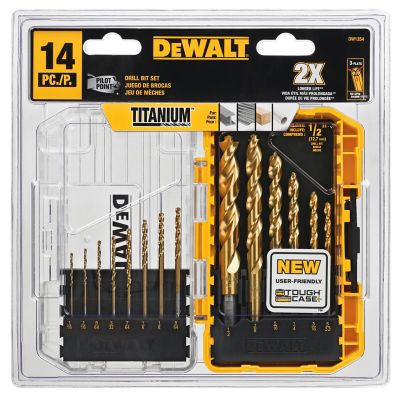
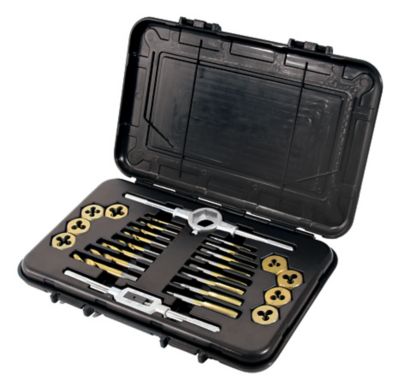
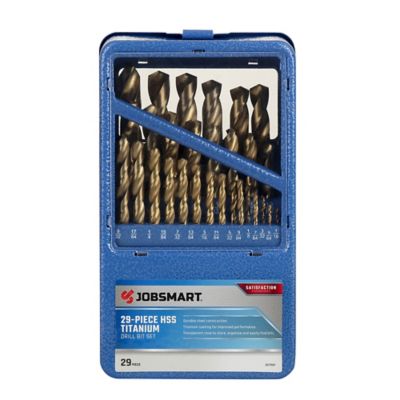
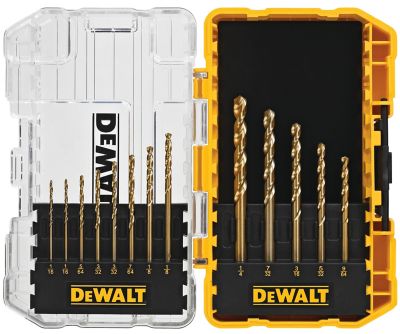
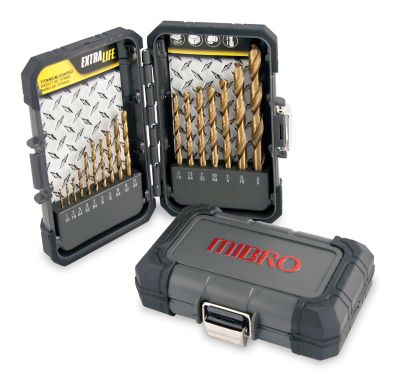
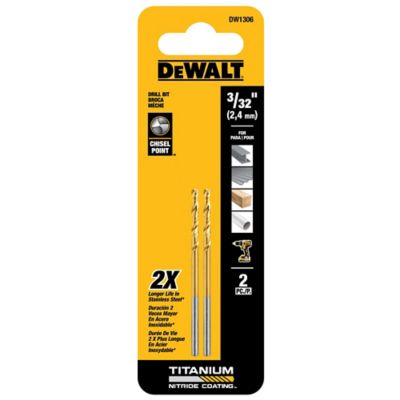
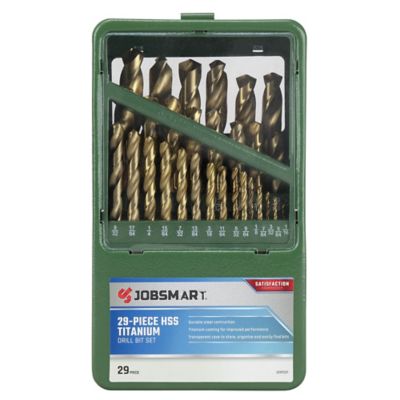
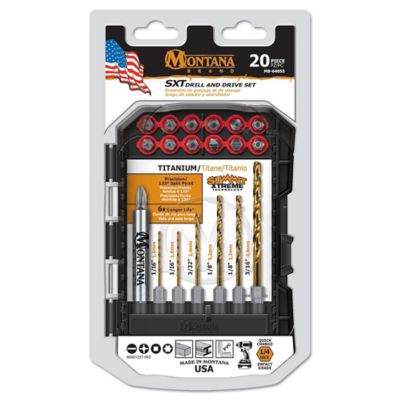
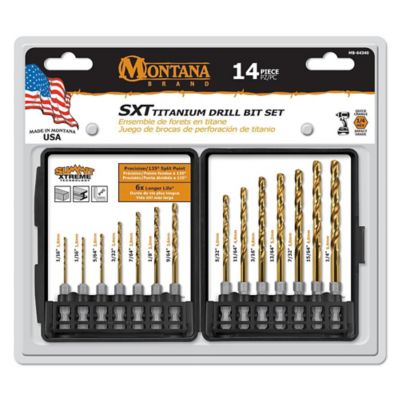
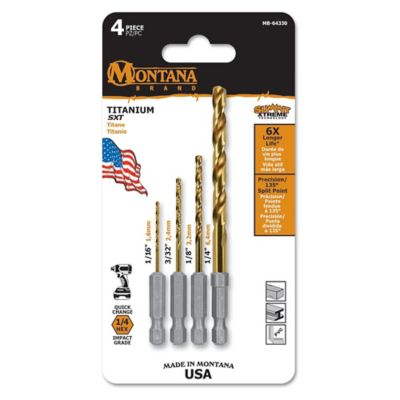
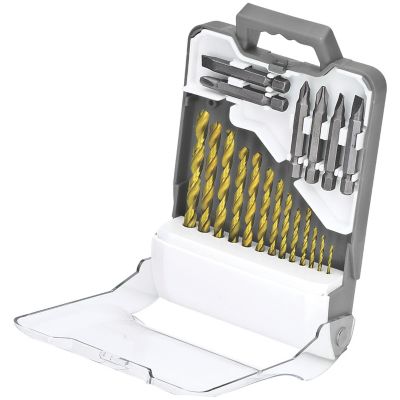
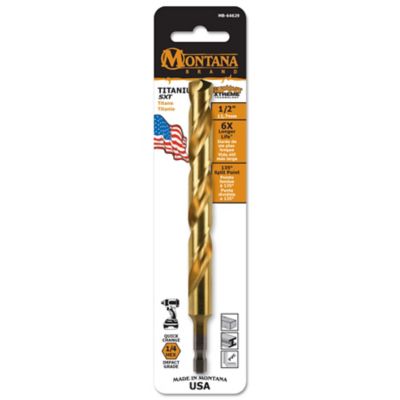
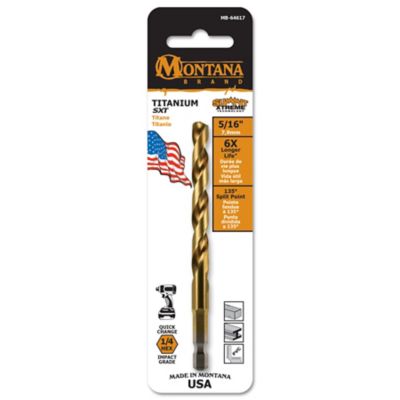
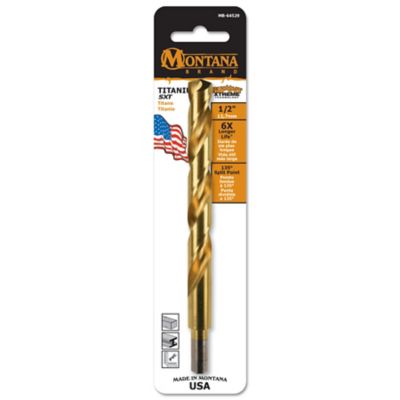
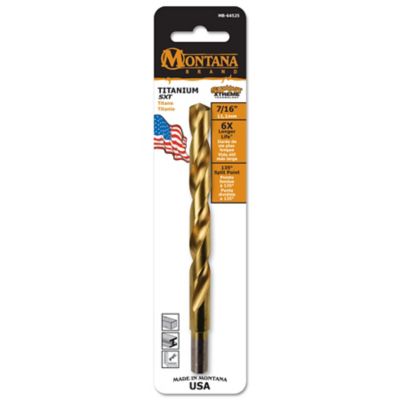
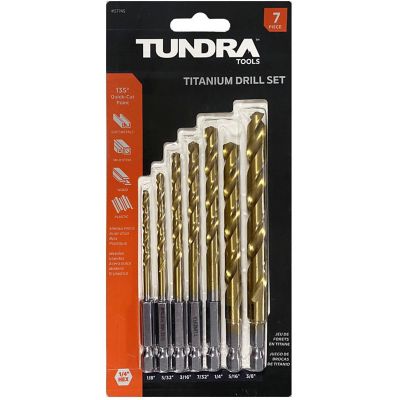
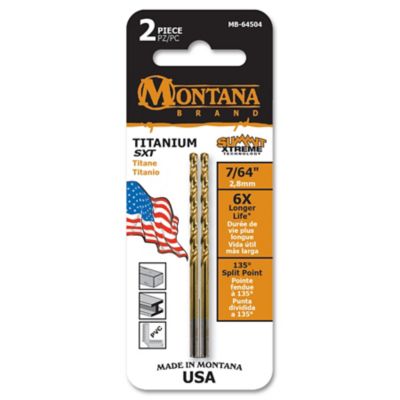
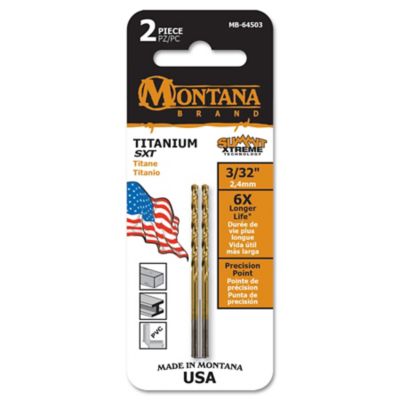
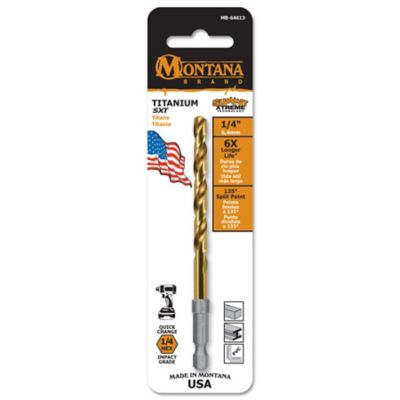
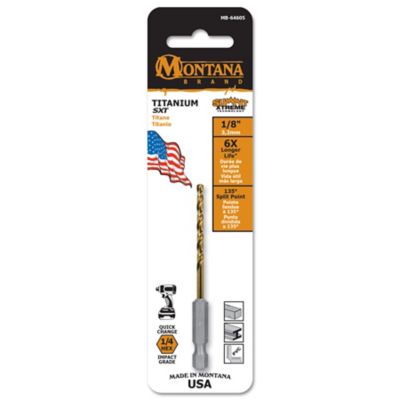
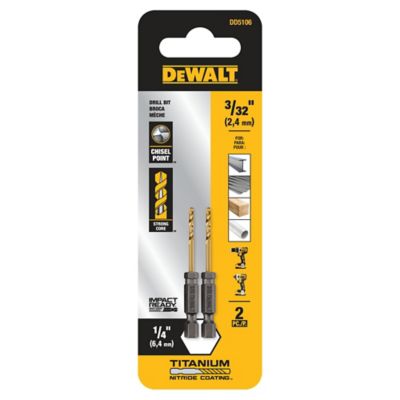
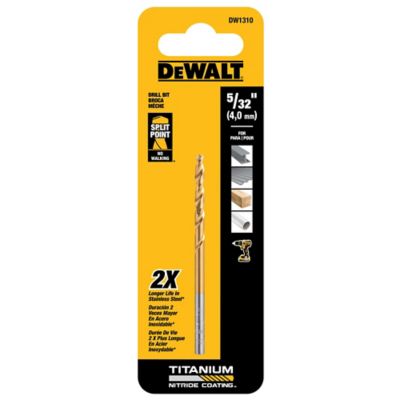
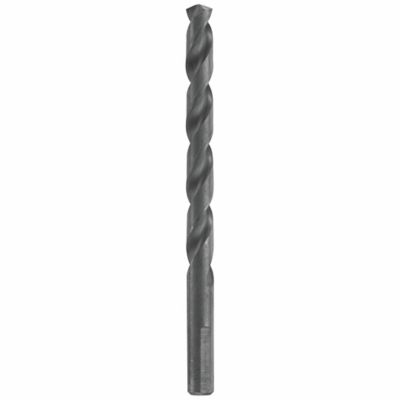
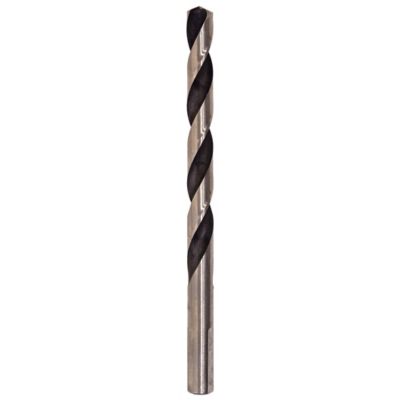
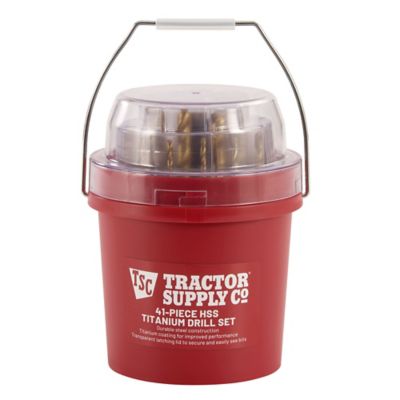
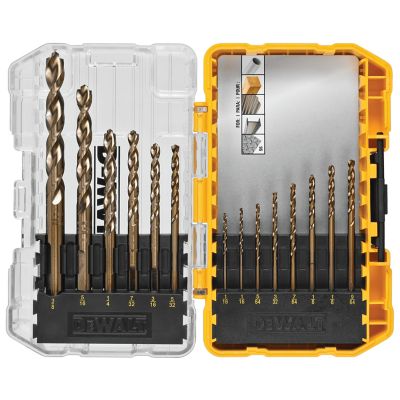
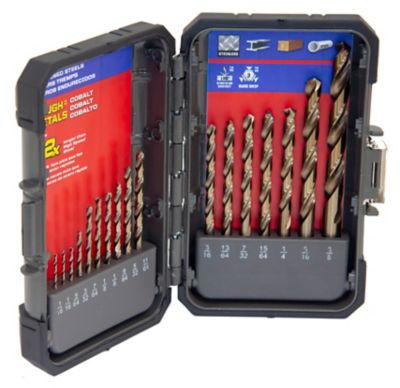
Titanium-coated drill bits for metal bring a hard, low-friction surface to the cutting edges that handle everyday shop work, equipment upkeep, and repairs around the place. Most have a high-speed steel, or HSS, body with a thin titanium nitride coating, often called TiN. That coating helps reduce friction and resist wear, which can extend cutting life compared with an otherwise similar uncoated bit under suitable drilling conditions. These are coated steel tools, not solid titanium bits, and their performance still depends on the steel underneath, the point design, and the material being drilled. Many are a good fit for mild steel, aluminum, brass, and copper when the manufacturer lists those materials as compatible. Some also handle wood and plastic, giving a small workshop more flexibility without filling every drawer with separate tooling. Around a farm or acreage, that range comes in handy for making bolt holes in angle iron, fitting replacement brackets, or working with metal stock for a storage rack. Picture a length of flat steel clamped to the bench, a replacement fastener beside it, and a repair that needs to fit before the equipment goes back to work. That is the kind of practical job where matching the bit to the metal matters more than the gold-colored finish. The coating can help a cutting edge stay in service longer, but it cannot make every bit suitable for every alloy. Stainless steel, hardened steel, and abrasive cast iron call for closer attention to the bit’s stated applications; depending on the job, cobalt-alloy HSS or carbide tooling may be a better match. Metal thickness matters, too, because a deeper hole keeps the cutting edges engaged longer and gives chips farther to travel. For shoppers comparing titanium-coated metal drill bits, the most useful starting points are the metal type, the required hole diameter, and the drill or drill press doing the work.
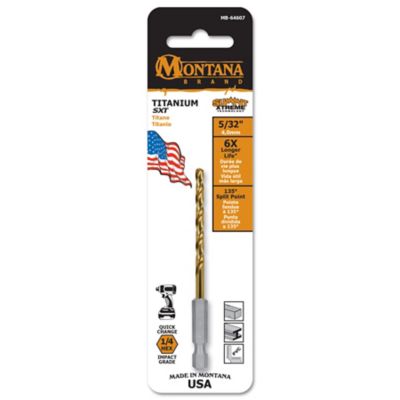
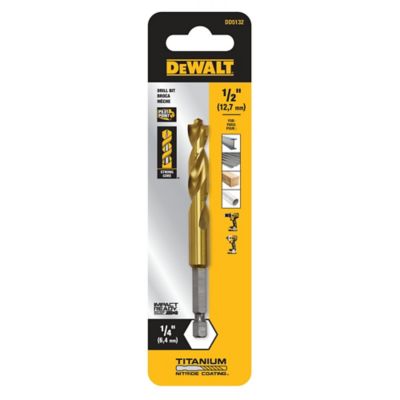
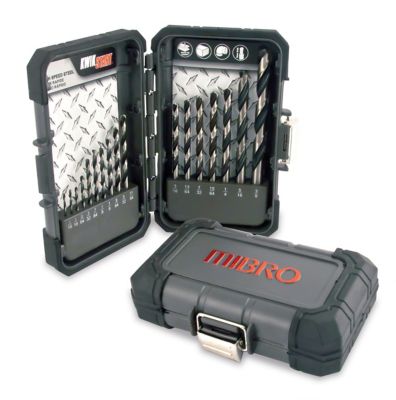
A well-matched selection starts with sizes that fit the fasteners and holes you actually need, rather than simply the largest piece count on the shelf. Fractional-inch sizes cover plenty of general repairs, while metric, numbered, or letter sizes may matter for machinery, tapping threads, and work that calls for a particular hole dimension. A bolt-clearance hole and a hole intended for threading are different purchases, even when they involve the same nominal fastener size. Sets with closely spaced sizes offer flexibility for a shared shop or a growing tool collection, while individual replacement bits make sense when a few diameters handle most of the workload. Shank style deserves a look before checkout. Round shanks fit many standard drill chucks; three-flat designs give the chuck additional gripping surfaces; and hex shanks can fit compatible holders. A hex shank alone does not mean a bit is rated for an impact driver, so the tool-compatibility information remains important. Check the chuck capacity as well as the cutting diameter, particularly with larger bits or a compact cordless drill. Point geometry is another meaningful difference between selections. A split point can help reduce wandering at the start of a hole, and a 135-degree split point is common on bits intended for metal, though that angle alone does not establish suitability for a particular material. Shorter bits generally offer more stiffness, while longer bits provide reach at the expense of some rigidity. Flute length needs to suit the drilling depth and leave room for chips to escape. For thin sheet metal, a titanium-coated step bit may be worth considering when its listed thickness range and hole sizes fit the project. It serves a different purpose from a conventional twist bit, especially when several hole diameters are needed in sheet stock. Storage also earns its keep: clearly marked size slots and a case that holds bits apart make it easier to find the right diameter and protect cutting edges between jobs.
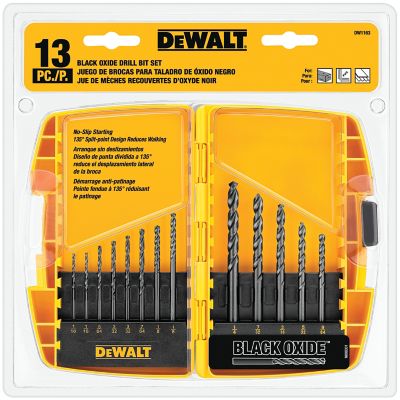
Titanium-coated drill bits suit farm owners, maintenance crews, mechanics, metalworking hobbyists, and homeowners who keep a drill ready for repairs beyond woodwork. During the cooler months, they can be a practical addition to the bench when equipment checks and indoor shop projects take priority. A thoughtfully chosen assortment also makes a useful gift for someone setting up a garage or replacing gaps in a well-stocked tool chest, especially when the sizes and shanks match the tools they already own. Think of the person who keeps spare bolts sorted in coffee cans and would rather replace a bent bracket than set an otherwise working piece of equipment aside. For that shopper, clearly stated material compatibility and replacement-size availability often mean more than an oversized assortment. Coating comparisons can help narrow the choice, too. Titanium nitride offers a hard surface intended to reduce friction and wear, while black oxide is a surface treatment that can help retain lubricant and provide modest corrosion resistance. Shoppers weighing those differences can also compare
Black Oxide Drill Bits For Metal, keeping the underlying steel, bit geometry, and intended applications in view rather than judging by finish alone. Expected upkeep is part of the buying decision. A titanium-coated HSS bit can be resharpened, but sharpening removes the coating at the reground cutting surfaces; it does not restore the original coated edge. Cutting speed, pressure, and suitable lubrication also affect how long a bit stays sharp. Larger diameters generally require lower rotational speeds in the same material, and the right cutting fluid depends on the metal and the manufacturer’s recommendations. No surface treatment makes up for excessive heat, a loose workpiece, or chips packed into the flutes. Secure clamping and eye protection belong alongside any metal-drilling setup, whether the job takes place at a drill press or with a handheld drill. A bit that fits the work, the tool, and the way the shop runs is the one most likely to earn a regular place on the bench.