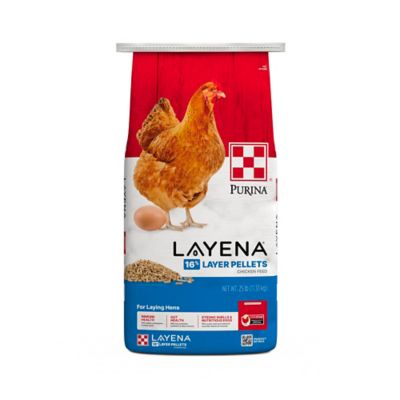
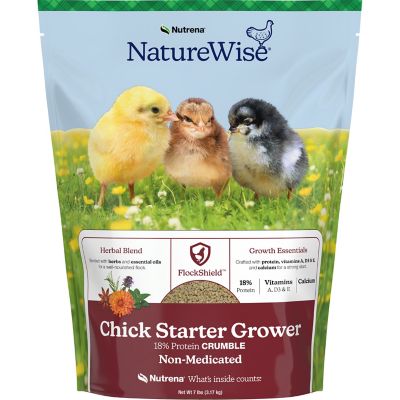
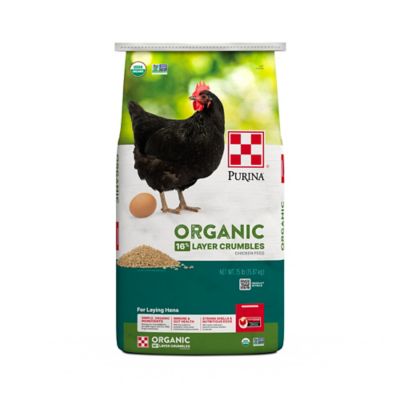
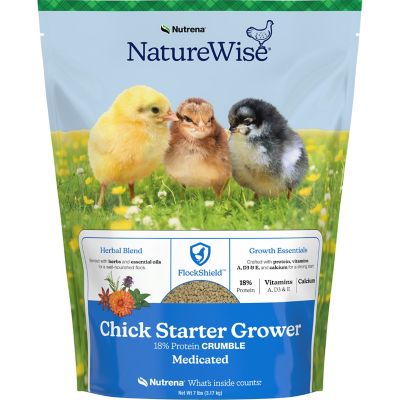
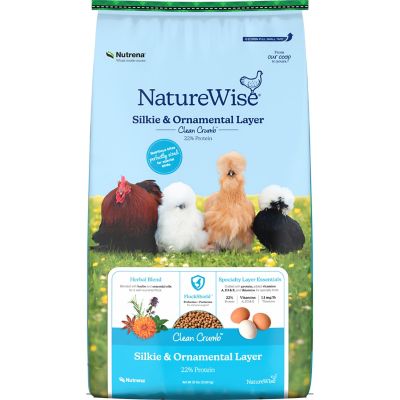
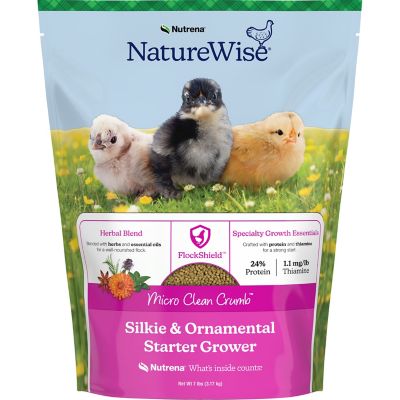
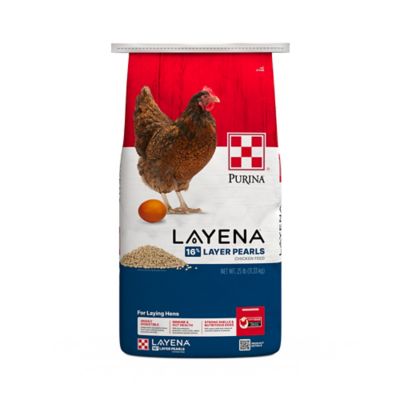
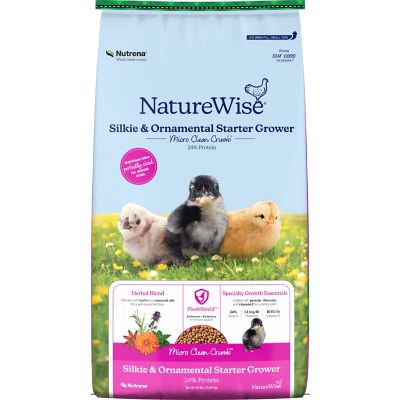
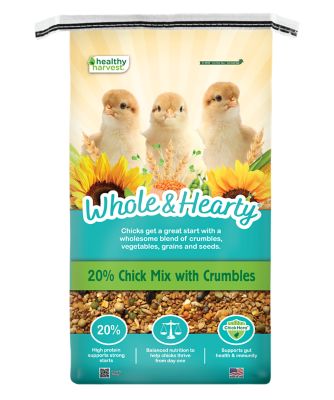
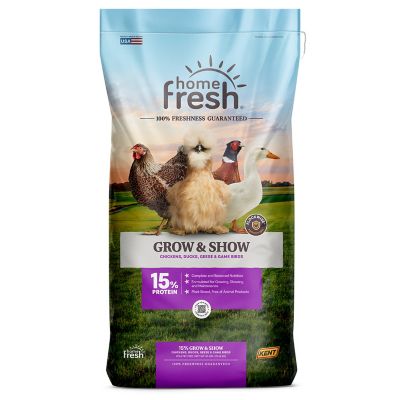
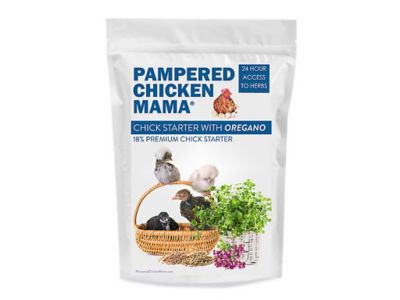
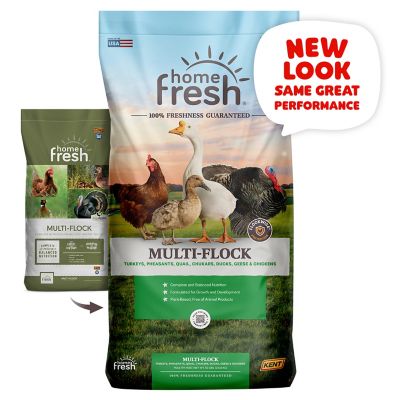
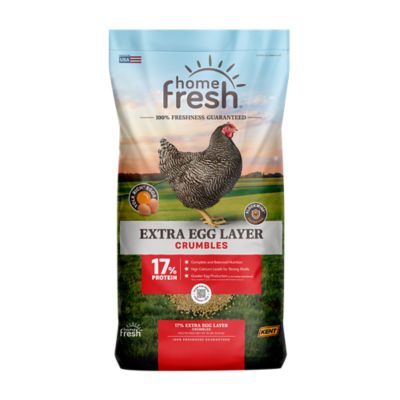
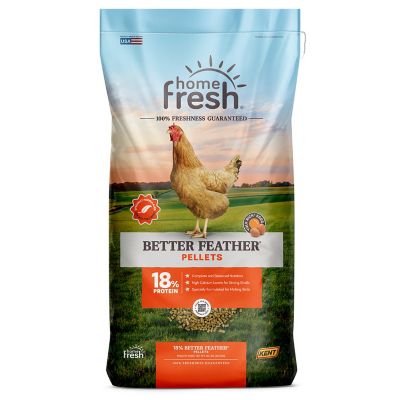
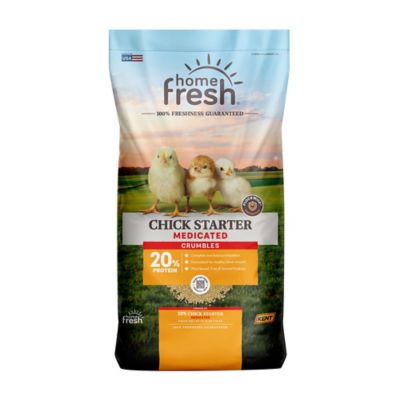
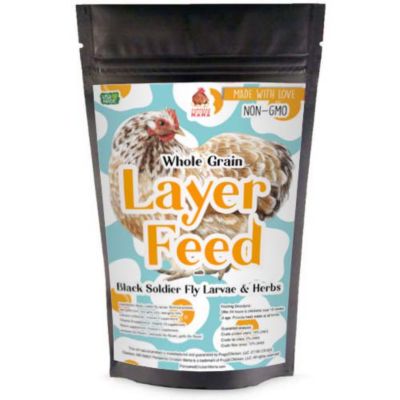
Chicken food is the foundation of a flock’s daily routine, whether that means a few hens behind the house or a busy coop with birds of several ages. A complete poultry feed brings together protein, energy, vitamins, and minerals in proportions meant for a particular stage of life. That balance matters because pecking through grass, chasing bugs, and scratching around the run do not provide a consistent diet on their own. Young chicks need a starter ration that supports early growth, with a texture their small beaks can manage. Growing pullets need nutrition that supports steady development before they begin laying, while laying hens need enough calcium to help build eggshells. Starter, grower, and layer feeds serve different purposes, so the feeding directions and age recommendations on the bag matter more than the picture on the front. A layer ration generally is not the right everyday feed for chicks or other birds that do not need its higher calcium level. For a mixed flock, an all-flock ration may make sense when its label covers the birds’ ages and stages, with a separate calcium source for laying hens when appropriate. Some chick feeds include medication for coccidiosis prevention, while others do not; vaccination history and guidance from a poultry veterinarian can help clarify that choice. Chicken food also needs to fit the birds’ intended role. Egg-laying hens, growing meat birds, and mature birds kept as companions can have different nutritional needs, even when they share the same backyard. A flock that spends time outside still benefits from a complete ration rather than relying on whatever it finds along the fence line. For new chicken keepers and folks who have tended birds for years, matching feed to the flock takes much of the guesswork out of the daily chore routine. The goal is a meal that supports the birds without leaving important nutrients to chance.
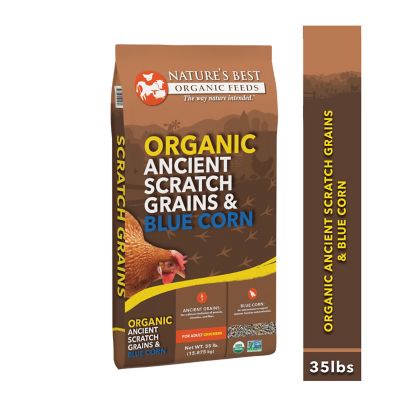
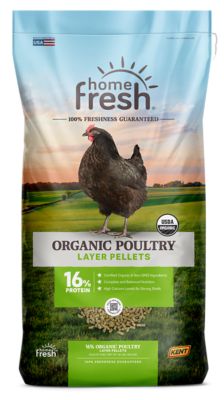
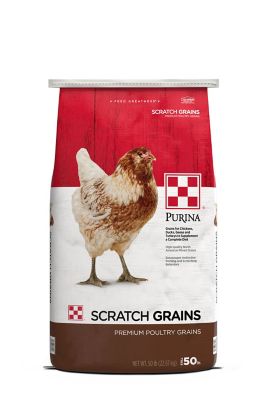
The form of chicken food makes a difference at the feeder, too. Crumbles break a ration into smaller pieces that can be easier for small birds to handle, while pellets offer a larger, more uniform bite for birds ready to eat them. Mash has a finer texture, and its fit depends on the flock and the feeding setup. A hen that flicks feed out with her beak may leave a very different mess with one texture than another, so feed form is worth considering alongside nutrition. Uniform pellets and crumbles can also limit the opportunity for birds to pick out favorite bits and leave the rest behind. Ingredient lists commonly include grains for energy, protein sources such as soybean meal, and added vitamins and minerals. The guaranteed analysis provides another way to compare rations, showing information such as protein, fat, fiber, and calcium rather than leaving the decision to ingredient names alone. Labeled claims, including organic certification, describe particular production standards but do not replace the need to match a ration to the bird’s life stage. Scratch grains, dried insects, and other poultry treats have a different place in the routine. A little scattered scratch can get hens pecking and busy, but it is not the same as a complete feed and should not crowd out their main ration. The same goes for kitchen scraps, which vary too much to serve as the nutritional base for a flock. Birds eating whole grains or other coarse foods may also need access to suitable insoluble grit to help grind food in the gizzard. Grit and oyster shell are not interchangeable: one helps with grinding, while the other supplies calcium. Keeping those roles straight helps chicken keepers choose food and supplements for a purpose, rather than adding extras simply because the birds seem eager for them.
Good feed handling helps protect the nutrition inside every bag and keeps the feeding area easier to manage. Chicken food belongs in a clean, dry space protected from rodents, insects, and moisture, with a secure container that closes between feedings. A container should be clean and fully dry before another bag goes in; pouring fresh feed over old crumbs can leave stale material sitting at the bottom. Keeping the original label or bag information makes it easier to check feeding directions, ingredients, and lot details later. Choosing a bag size that fits the flock’s eating pace also helps avoid feed lingering longer than necessary. A small backyard flock moves through a ration differently than a larger group, and storage space should factor into that choice. Feed with mold, an unusual odor, or signs of contamination does not belong in the feeder. The setup around the food matters as well. Feeders with enough room for birds to eat without constant jostling help quieter flock members get their share, while a design that limits scratching and spilling keeps more of the ration where it belongs. Chick-sized feeders and adult feeding equipment serve different needs, just as the rations themselves do. Clean drinking water belongs alongside the feed every day, since eating, digestion, and egg production all depend on adequate water intake. Changes in appetite, body condition, or egg production deserve attention rather than an automatic scoop of extra treats; persistent concerns are a reason to talk with a poultry veterinarian. For households feeding more than feathered residents,
Chicken Flavored Dog Food offers a separate category for the family pup, with each animal’s meals kept suited to its own needs. From the first chick feeder to the familiar rattle of a scoop at the coop door, thoughtful feed choices help make caring for a flock a straightforward part of life on the place.