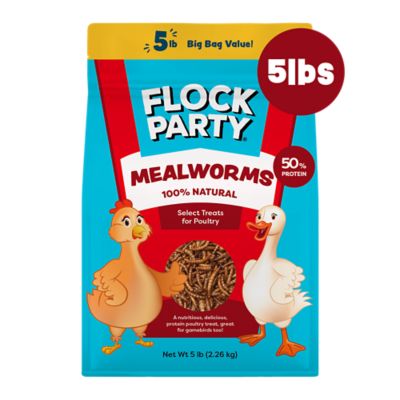
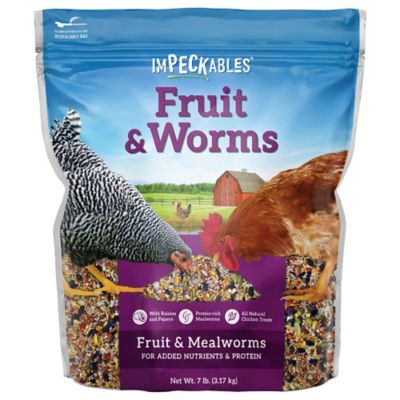
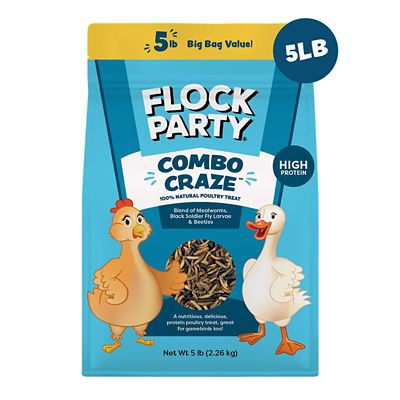
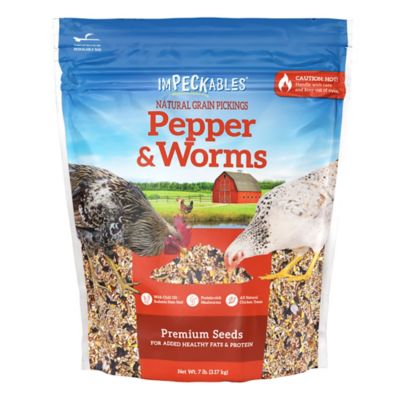
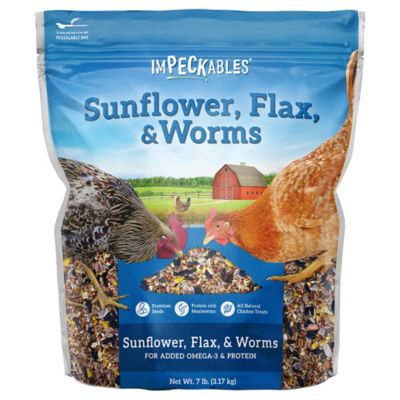
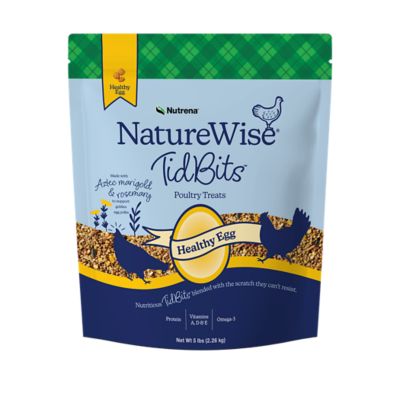
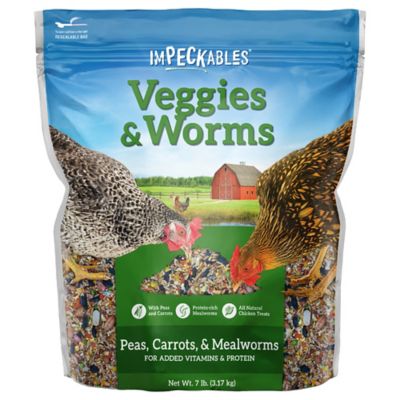
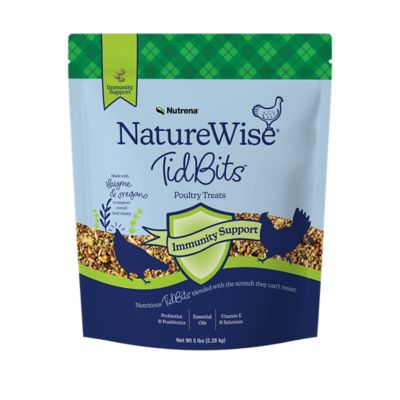
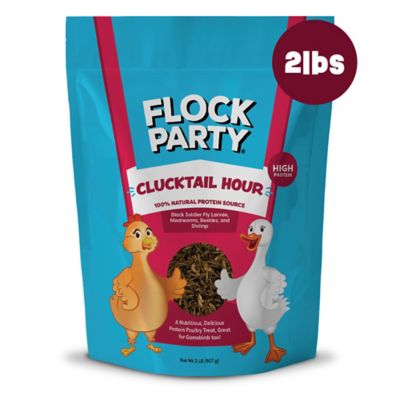
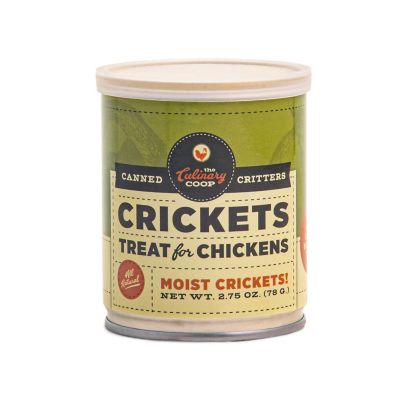
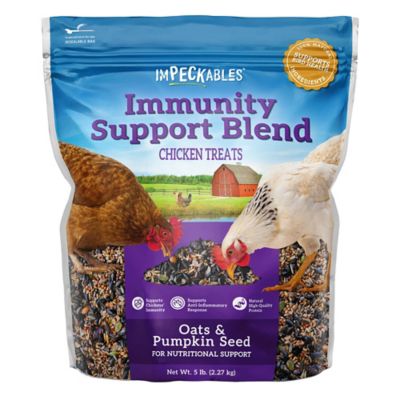
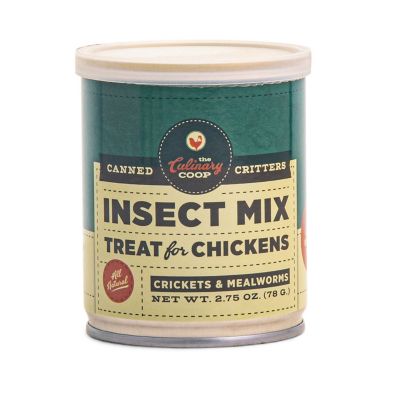
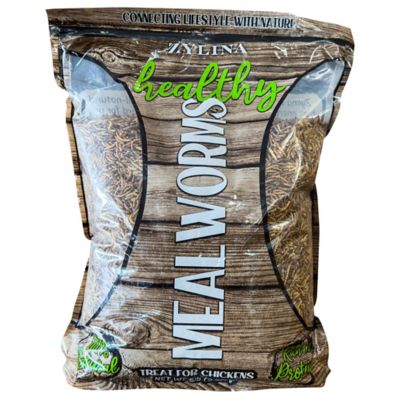
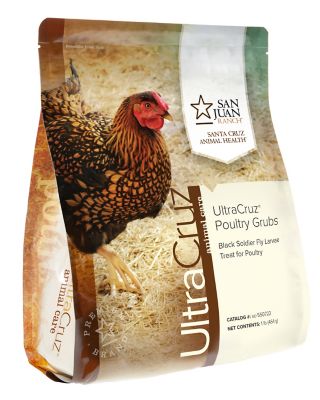
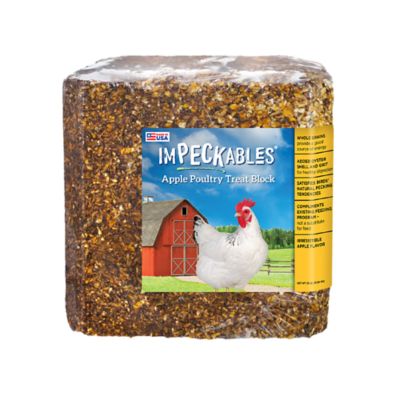
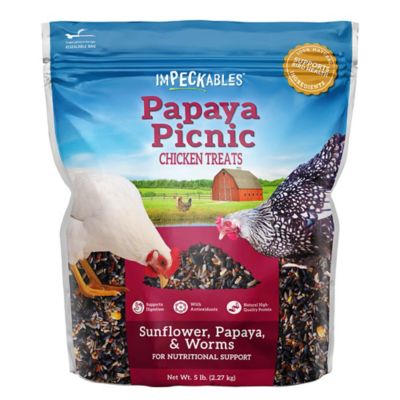
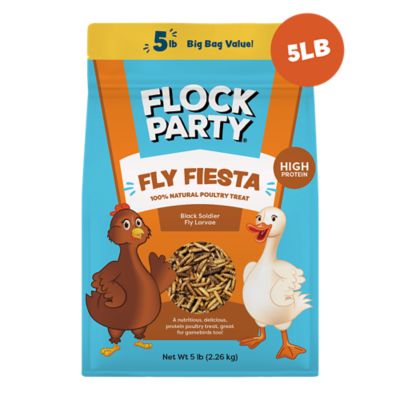
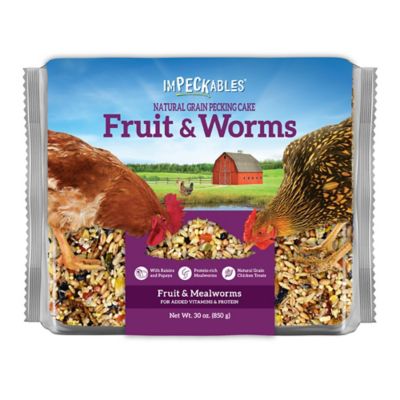
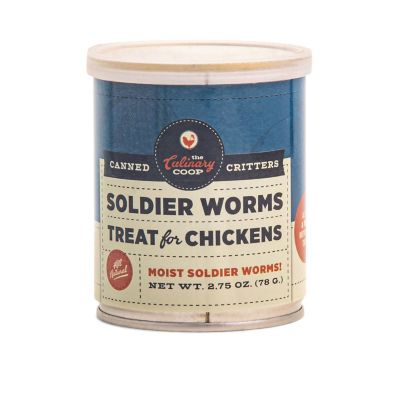
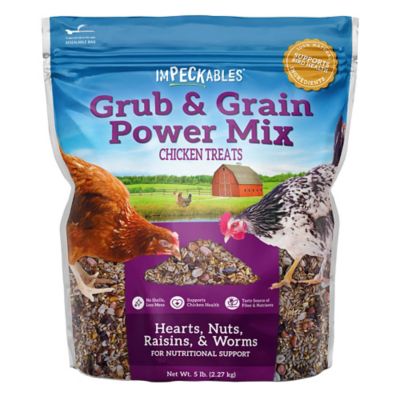
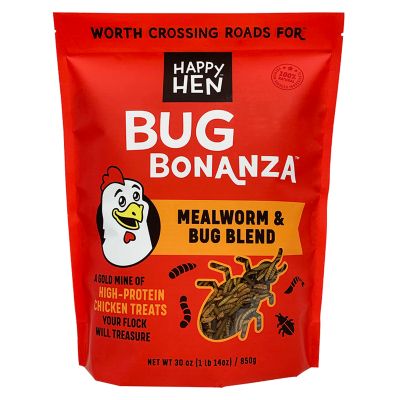
Chicken treats are supplemental snacks for poultry, not a replacement for complete chicken feed. They give backyard flocks something to scratch for, peck at, and enjoy while adding variety to an everyday feeding routine. Common types include dried insects, grain and seed blends, and formed treats that birds nibble over time. Each type offers a different texture and feeding experience, from small pieces scattered across a feeding area to larger shapes that encourage repeated pecking. Dried insects can contribute protein and fat, while grains and seeds provide energy, but the nutritional makeup varies by ingredient and formula. A treat with a high protein percentage still does not take the place of a complete ration formulated for growing birds or laying hens. A common feeding guideline is to keep treats to no more than 10% of the daily diet, with the rest coming from an appropriate complete feed; package directions and advice from a poultry veterinarian can help narrow that amount for a particular flock. That balance matters because hens need more than a full crop to support normal body condition and egg production. When comparing chicken treats, the ingredient list, intended bird age, feeding directions, and guaranteed analysis offer more useful information than a picture on the bag. Simple ingredient formulas make it easier to know what the flock is getting, while blends can provide several textures in one feeding. Treats labeled for poultry also provide a clearer starting point than snack foods made for people, which may contain excess salt or other unsuitable ingredients. For a small backyard flock, a little goes a long way, especially when birds also receive garden snacks or other extras. Counting those additions together helps keep treat time from crowding out the feed that does the main nutritional work. The goal is a flock that stays interested in its surroundings and keeps eating its regular ration, rather than holding out beside the coop door for another handful.
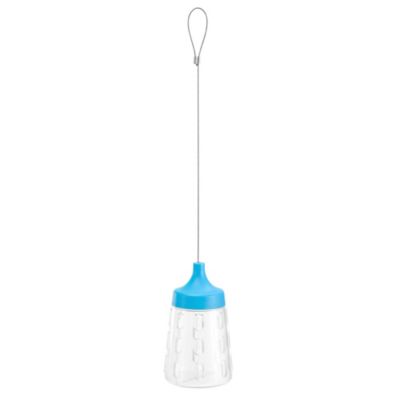
The way a treat is offered can matter as much as what is in it. Loose pieces suit chickens that enjoy scratching and searching, while larger pecking formats give birds a more concentrated activity. A keeper calling hens back into a secure run may find that a small serving provides a familiar reward. A few pieces in a shallow, washable dish can also bring birds close enough for a quiet look at their feet, feathers, and general condition without turning every check into a chase. These everyday moments are especially helpful for people learning the habits of a new flock. Treats encourage an approach, though they do not replace patient handling or make every chicken comfortable being touched. Size and texture deserve attention, too: a piece that an adult hen manages easily may not suit a young chick or a smaller bird. Labels should identify the intended age group, and chick starter should remain the foundation for growing chicks. Birds eating foods beyond a complete ration may also need access to appropriately sized insoluble grit, which helps the gizzard grind food. Grit is different from oyster shell or another calcium supplement, so those products are not interchangeable. In mixed flocks, the boldest hen often reaches a treat first. Spreading a measured serving across several clean feeding spots can give quieter birds more room and reduce crowding around a single pile. Clean, dry surfaces or washable feeders help keep snacks separate from droppings and damp bedding. Hanging or mounted treat formats need placement that lets birds reach them without climbing into an awkward position, and any holder should be checked for sharp edges or places where feet could catch. The best fit is a format that works with the birds’ size, the layout of the run, and the keeper’s feeding routine—not simply the one that keeps chickens busy the longest.
Storage and cleanup are part of choosing chicken treats, particularly when one bag lasts a small flock for many feedings. A resealable package or a tightly closed, food-safe container helps protect dry treats from moisture, rodents, and insects. Keeping the original label with the contents preserves the feeding directions, ingredient information, and date details needed later. Treats belong in a dry storage area away from chemicals, and any portion with mold, an unexpected odor, or signs of contamination should be discarded. Washable dishes and feeders make it easier to clear away leftover pieces before they become soiled, while a scoop reserved for poultry feed helps keep serving sizes consistent. Measuring is especially useful when more than one person tends the flock: a small snack from each family member can add up quickly. A shared routine keeps the birds from receiving several servings simply because they greet every visitor at the gate. Package size also deserves a practical look. A smaller flock needs an amount that can be kept properly and finished within the label’s storage guidance, while a larger flock may benefit from packaging that makes measured portions easy to handle. Poultry keepers comparing snack options can also explore
Happy Hen Treats as part of their search for a suitable feeding format. For someone choosing a gift for a chicken keeper, a sealed, clearly labeled poultry treat is easiest to match when the birds’ ages and usual diet are known. It is worth checking with the recipient before adding anything new to a flock’s feeding routine. Whether treats are part of a brief coop visit, a calm observation session, or a little scratching activity in the run, sensible portions and straightforward care keep their role clear: an enjoyable extra alongside complete feed, fresh water, and everyday flock care.