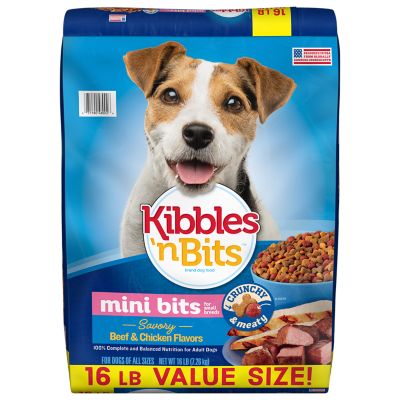
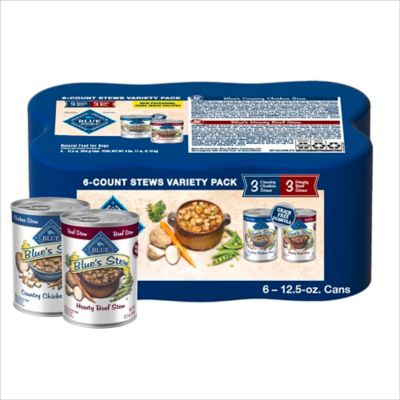
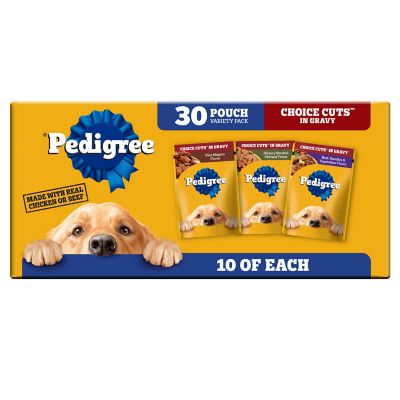
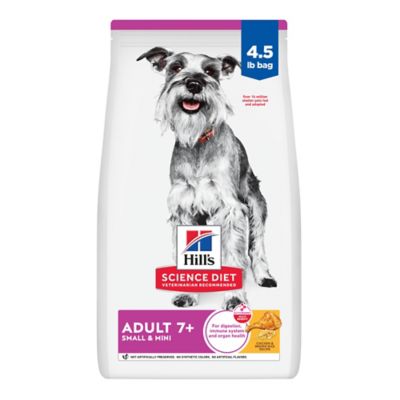
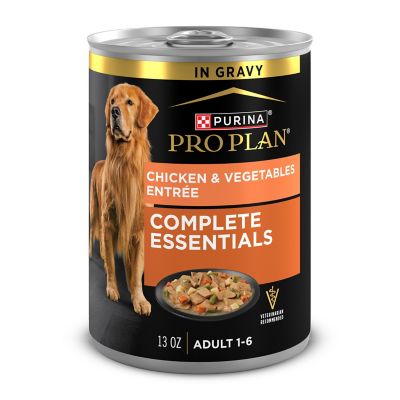
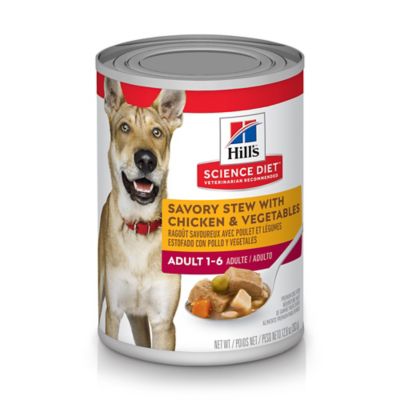
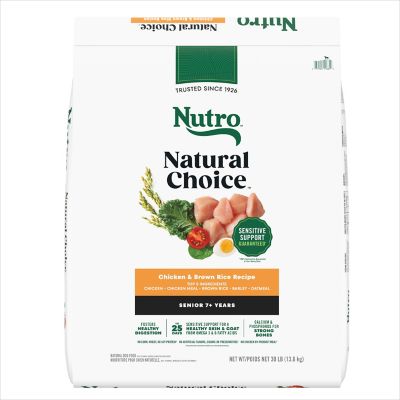
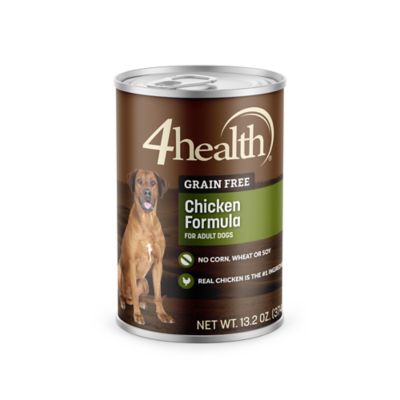
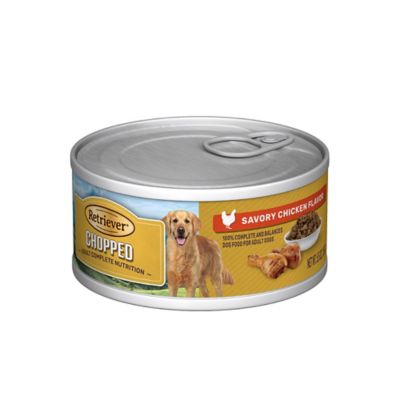
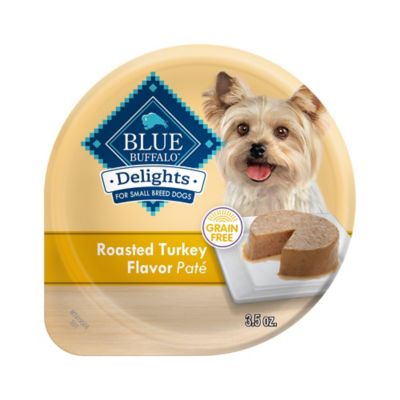
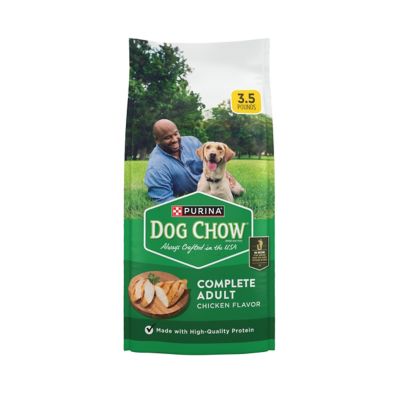
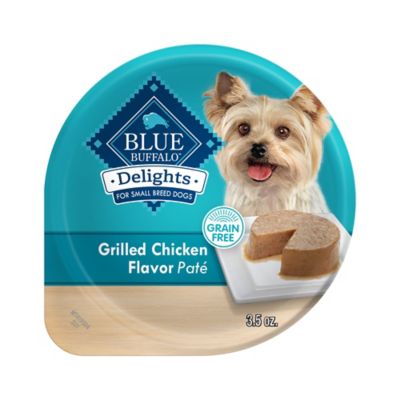
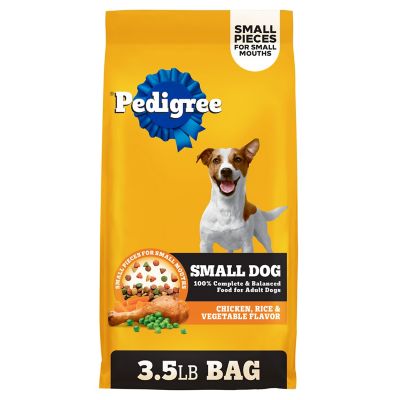
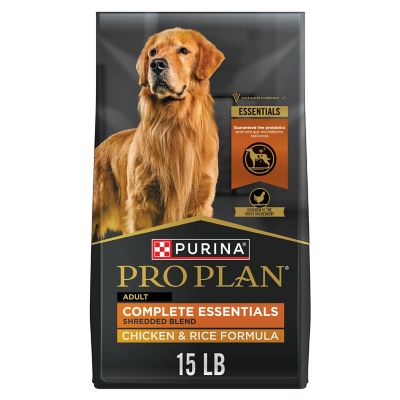
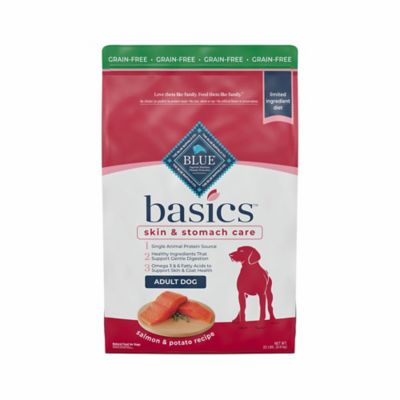
Chicken flavored dog food is a familiar choice for many dogs, from the busy farm dog that spends the day checking fence lines to the couch companion that knows the sound of a food bag opening from three rooms away. The flavor is often easy for dogs to accept, and chicken-based recipes are available in a wide range of dry kibble, canned food, and combination feeding options. When comparing foods, look for a statement on the package showing that the recipe is complete and balanced for your dog’s life stage. Puppies need food made to support growth, while adult dogs generally need nutrition suited to maintaining a healthy body, and senior dogs may do best with recipes that account for changing activity levels and mobility. The ingredient list can also help you understand what you are buying. Some foods use real chicken as a leading ingredient, while others are made with chicken meal, chicken fat, or natural chicken flavor. These ingredients serve different purposes, so reading the full label gives a clearer picture than relying on the flavor name alone. Chicken provides protein and essential amino acids that help support strong muscles, while fats in a balanced recipe supply energy and help maintain healthy skin and a glossy coat. A dog’s needs still depend on size, age, activity, and overall health, so a high-energy working dog may need a different feeding plan than a smaller dog that takes leisurely evening walks. Keep the feeding directions handy, measure portions instead of filling the bowl by guesswork, and adjust gradually if your dog’s weight or activity changes. On a long summer afternoon, it can be easy to toss an extra scoop into the bowl after a day outside, but treats, table scraps, and toppers count toward daily calories too.
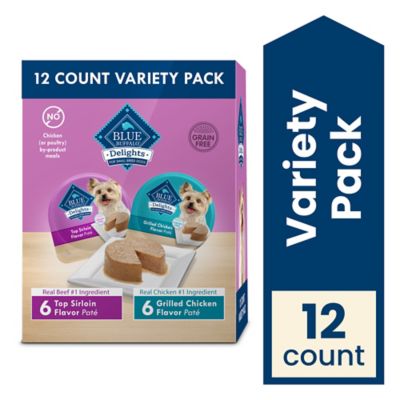
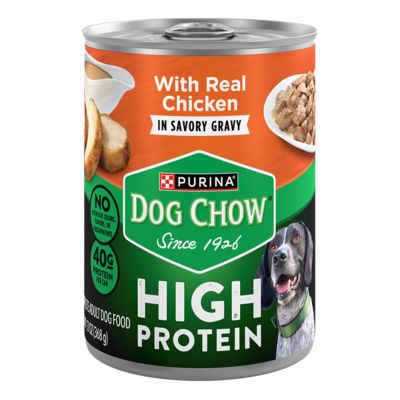
Dry chicken flavored dog food is a practical choice for many households because it is simple to portion, easy to store, and convenient for feeding one dog or several. Kibble can work well in an automatic feeder, a travel container, or a barn-side feeding routine, and many owners appreciate that it leaves less mess around the bowl. Wet food has a softer texture and stronger aroma that may appeal to picky eaters, older dogs with dental concerns, or dogs that need more moisture in their diet. Some families combine wet and dry food for a little variety, but the calories should be considered together so portions do not quietly grow. A slow feeder, food puzzle, or scatter feeding in a clean area can make mealtime more engaging for dogs that eat too quickly. For dogs with suspected food allergies or sensitivities, chicken may not be the right protein, even if a chicken recipe has always been a favorite. Itching, recurring ear trouble, vomiting, loose stools, or other changes deserve attention from a veterinarian rather than a quick switch between bags. Dogs with a diagnosed condition may need a specific diet, and ingredient labels can be especially important when avoiding a particular protein. For households looking to rotate proteins or compare other savory options,
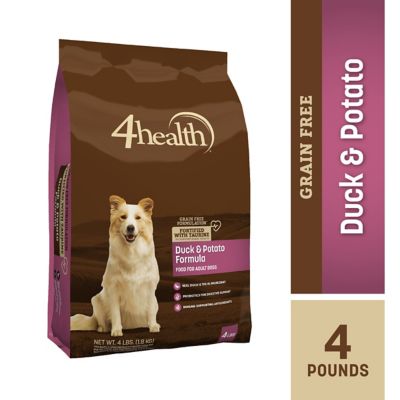
Duck Flavored Dog Food can provide another category to explore. When changing from one recipe to another, mix a small amount of the new food with the old and increase it over several days. This gradual transition is often easier on a dog’s stomach than making a sudden change, particularly for dogs that have a history of digestive upset. Keep fresh water available beside every meal, especially during warmer weather or after active play, and wash bowls regularly to help keep feeding areas clean.
Chicken flavored dog food can fit the routines of a wide range of dog owners, including families with multiple dogs, first-time puppy households, hunters and outdoor enthusiasts, and folks caring for older companions at home. It is also a useful addition to a practical pet-care gift basket for a new dog owner when the recipient’s dog’s age, size, and dietary needs are known. Food is a personal choice, though, so an unopened bag, a small package of treats that matches the same protein, or a store gift card may be more thoughtful than guessing at a full-size recipe. For everyday shopping, consider the bag size and how quickly your dog goes through food. A large bag may make sense for a kennel or multi-dog home, while a smaller bag can help preserve freshness for a small dog or household trying a new formula. Store dry food in a cool, dry place, preferably in a sealed container that keeps out moisture and curious noses, and follow the package guidance for canned food after opening. Check the guaranteed analysis for protein and fat levels, note the calorie information when it is provided, and choose a recipe that matches your dog’s body condition and daily work. A healthy dog should have enough energy for normal play and activity without carrying excess weight that can put added strain on joints. During the cooler months, dogs that spend more time outdoors may burn more energy, while indoor dogs may become less active as routines shift; any changes to portions are best made carefully. Chicken flavor can make a recipe appealing, but good nutrition comes from the complete formula, appropriate portions, fresh water, and a feeding routine that suits the individual dog. Whether food is poured into a stainless-steel bowl on the back porch or served in a puzzle feeder by the kitchen door, the right choice helps make dependable mealtimes part of a dog’s daily care.