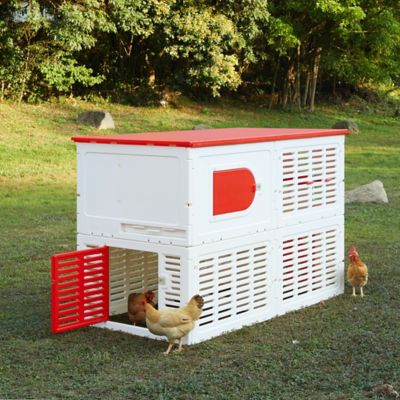
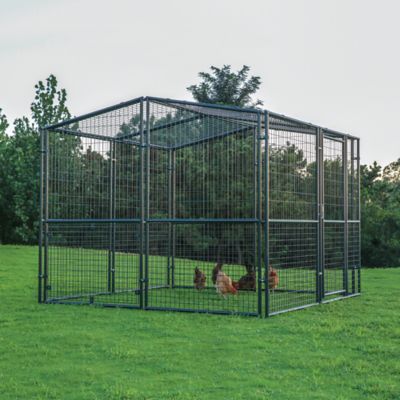
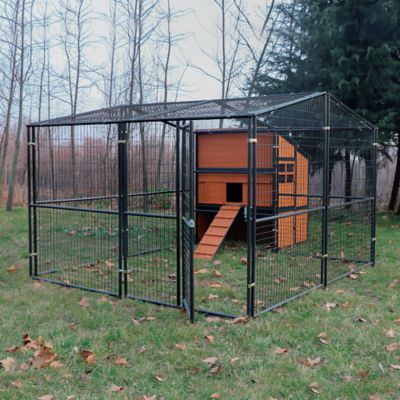
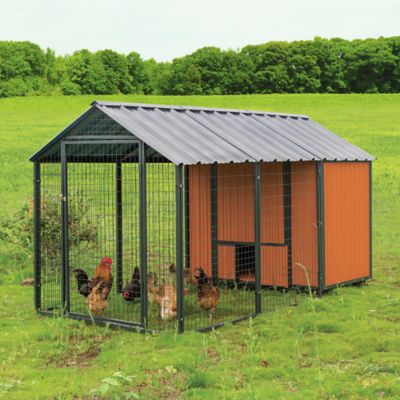
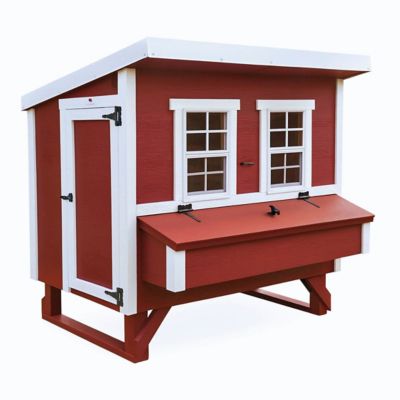
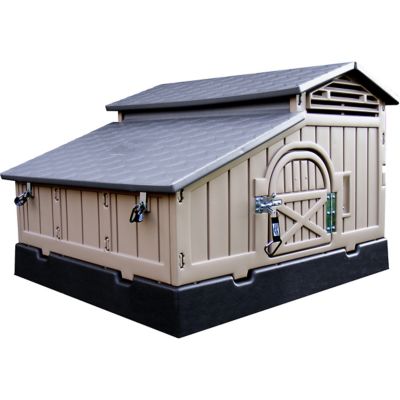
Chicken coops and poultry supplies in Greenville, South Carolina, cover the basics of keeping a backyard flock: a place for birds to roost and lay, room for them to move around, and a setup that makes feeding and cleanup manageable. On a smaller Greenville lot, the fit depends on more than the footprint of the coop. A gate needs room to swing, a person carrying a feed container needs room to pass, and the run needs enough space that a hen low in the pecking order can step away from the others. On a larger place in the Upstate, there may be plenty of room for a separate coop and run, but distance still matters. A coop across the yard can feel a lot farther away when every trip means carrying water through two gates. Before settling on a location, it’s worth checking the rules that apply to the property, including any limits on flock size or where poultry housing can sit. The
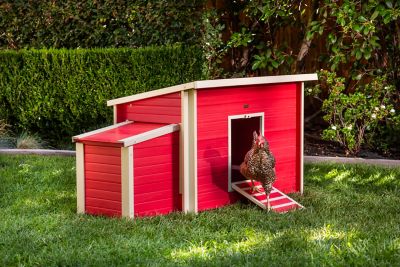
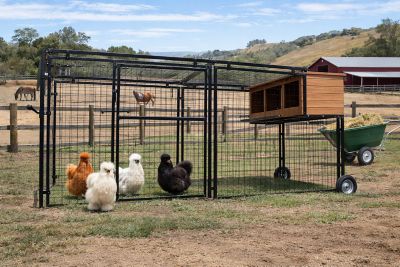
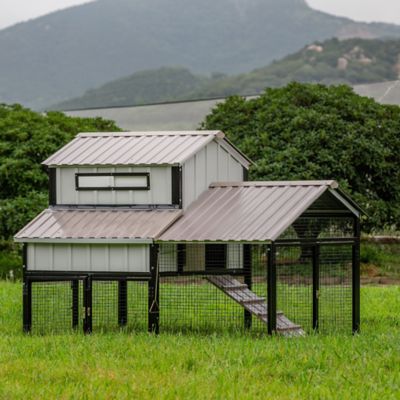
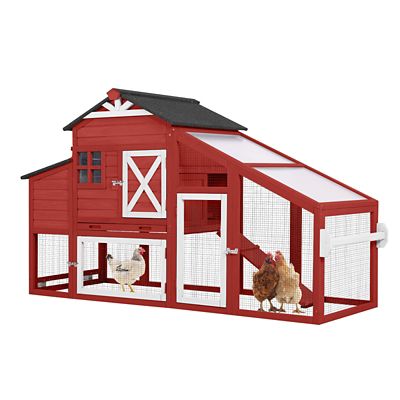
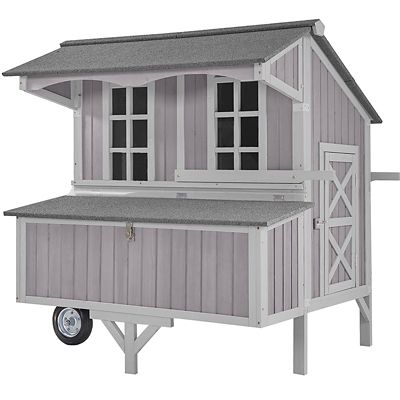
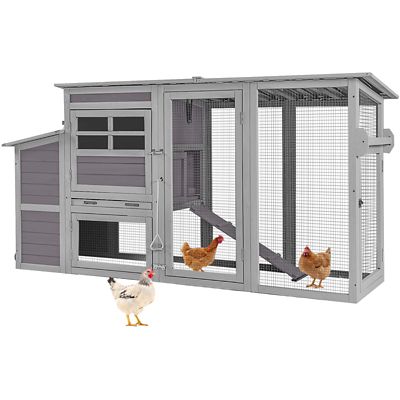
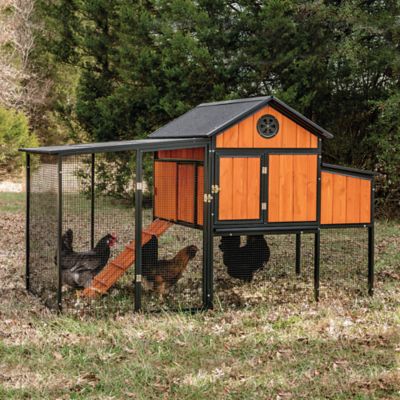
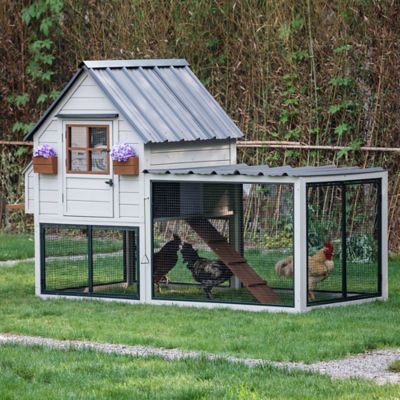
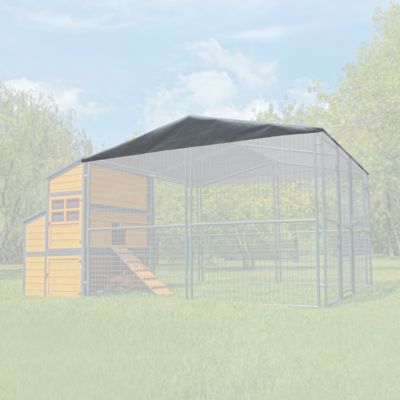
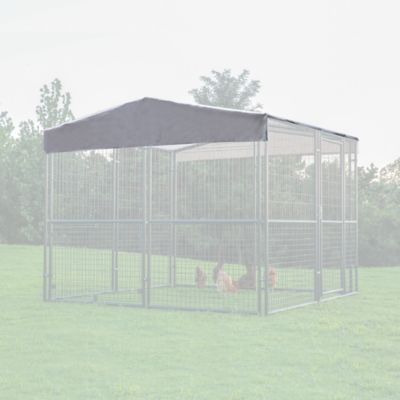
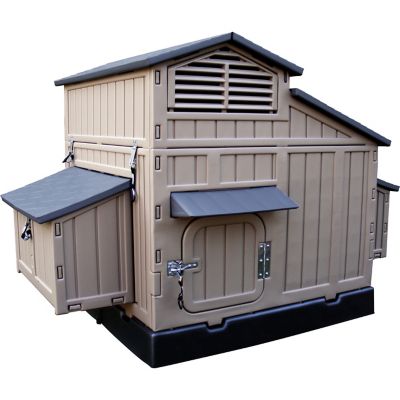
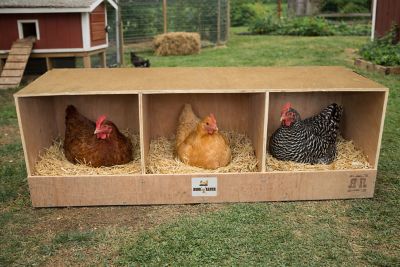
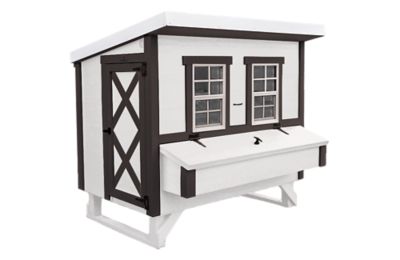
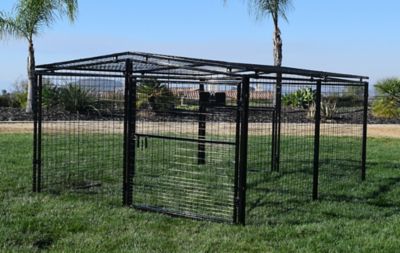
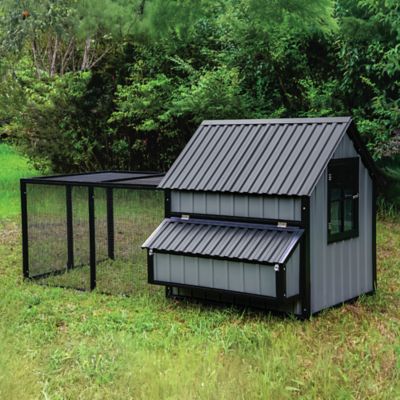
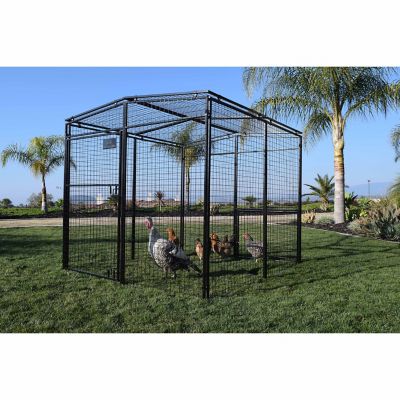
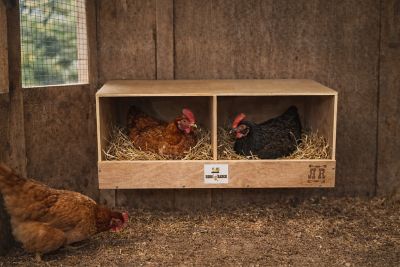
Home Chicken Coops page offers a closer look at housing styles for backyard flocks, including layouts that pair a sheltered coop with an enclosed run. When comparing layouts, think about the birds at full size, not just the space they take up as chicks. Larger breeds need room to get on and off the roost without bumping into walls or crowding other birds. Nesting space set apart from the busiest part of the coop gives hens a quieter place to lay, and an outside access door can make egg collection easier without opening the main entrance. For a flock that spends much of the day in a run, the usable space inside that enclosure matters as much as the room behind the coop door. A wider run can also leave room to set feed and water apart so the whole flock doesn’t have to jostle around one spot.
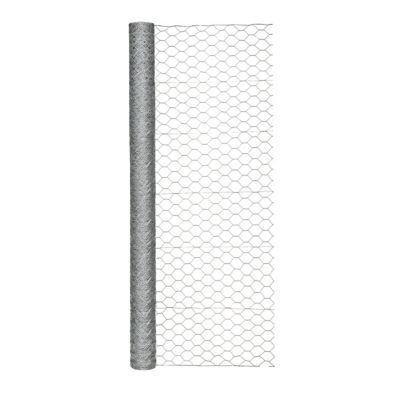
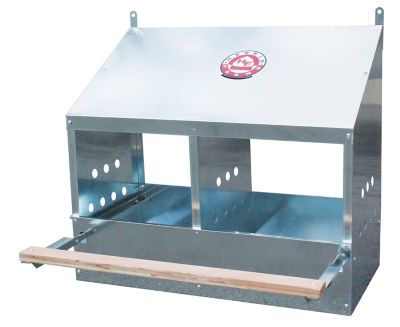
How a coop is built makes a difference in how it holds up to daily chores. Wood framing gives hinges and latches a solid place to fasten, though joints and edges near the ground are worth checking for wear. Smooth metal or molded plastic surfaces can be easier to wipe down, especially around nesting areas and other spots where messes tend to collect. Whatever the material, pay attention to the parts that get handled every day. A door that opens wide enough for a scoop or scraper makes it easier to reach the back corners. A latch should close firmly without leaving a gap, and the wire mesh around a run needs secure attachment along the edges, not just at the corners. Sturdy mesh and fasteners matter more for keeping animals out than wire meant only to keep chickens in. Inside, high vents help air move through the coop without blowing straight across the roost, while a floor that can be swept or scraped helps keep old bedding from piling up out of reach. Some flock keepers prefer an elevated coop because the nest area sits closer to waist height and there’s less bending at egg time. A walk-in setup takes more room but leaves space to stand while cleaning or looking over the flock. Neither layout does much good if a fence blocks the cleanout door or if a narrow path makes it hard to haul bedding away. It helps to picture the whole chore, from unlatching the door with one hand to carrying out a full bucket, rather than judging a coop only by how neatly it fits along the fence.
Poultry supplies round out the setup, and the right fit depends on the birds as much as the housing. A first flock of chicks calls for feeding and watering equipment the birds can reach without climbing into it. A mature flock needs enough room around those stations for several birds to eat or drink without one pushy hen taking over. Feed needs change with age and purpose, too, so chick, grower and layer rations aren’t interchangeable. The feeding directions help match the ration to the birds, which matters especially for households raising young birds separately from laying hens. The type of bedding affects how much work it takes to keep the coop tidy. Bedding that’s easy to scoop lets a keeper lift out soiled patches without stripping the whole floor each time, while nesting material should be easy to refresh when it gets dirty. Feed storage is part of the routine as well. A tight-fitting lid helps keep pests out, and a container within easy reach keeps refills from turning into a trip across the property. For waterers, an opening wide enough to scrub and a base that sits flat can matter more over time than how much water the container holds. A waterer that rocks every time a bird steps against it can leave a damp patch that has to be cleaned up again and again. For someone starting with a few laying hens, the main job is fitting the basics into a space that’s easy to tend. For an established flock, the better fit may come down to fixing one nagging problem, such as a hard-to-reach nest, a feeder that’s always full of scratched-up bedding, or a gate that’s awkward to latch with a bucket in hand. Those small details shape what it’s like to care for a Greenville-area flock day after day.