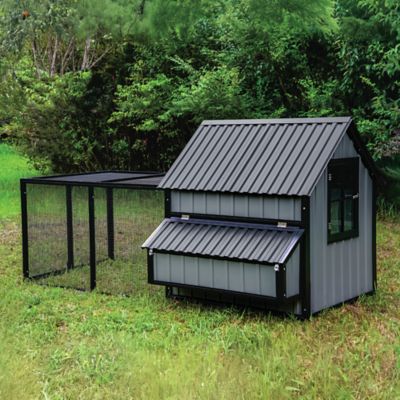
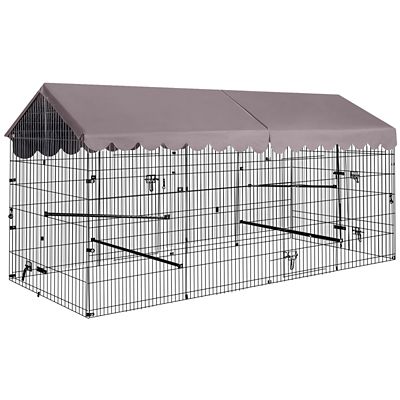
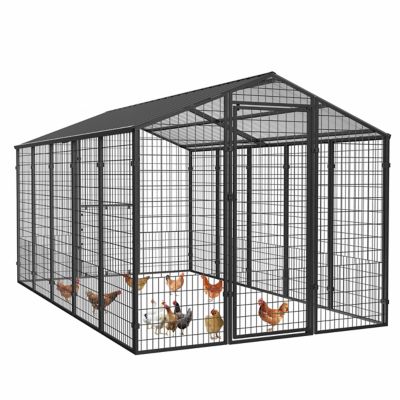
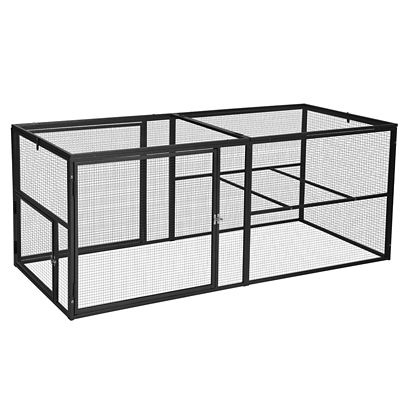
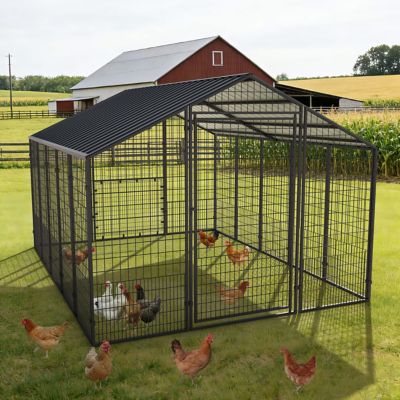
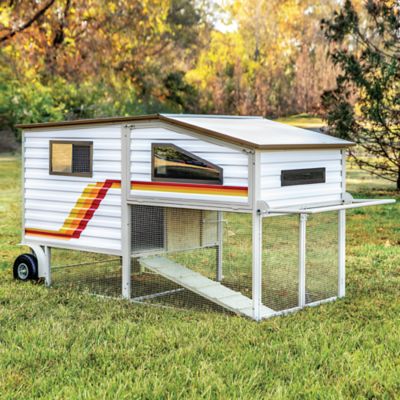
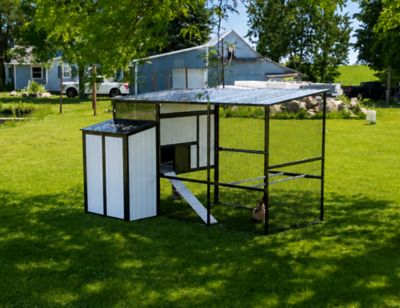
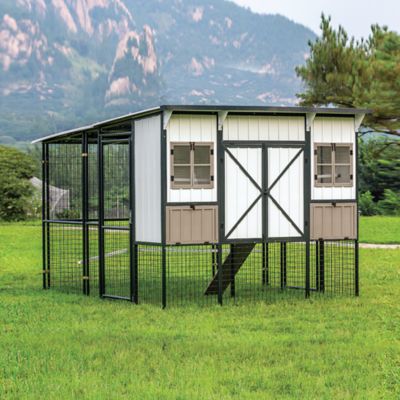
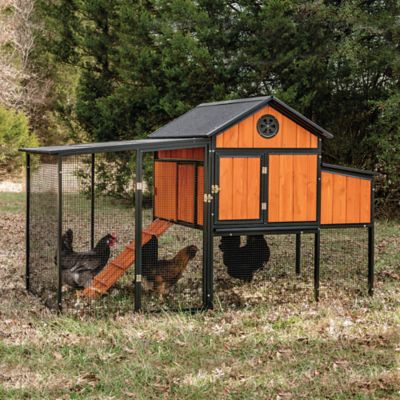
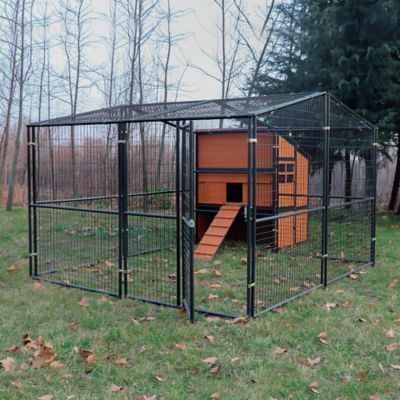
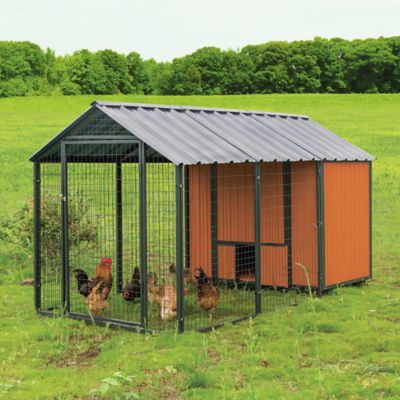
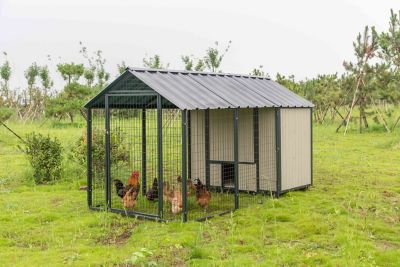
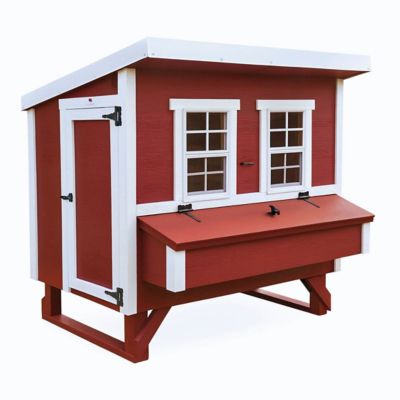
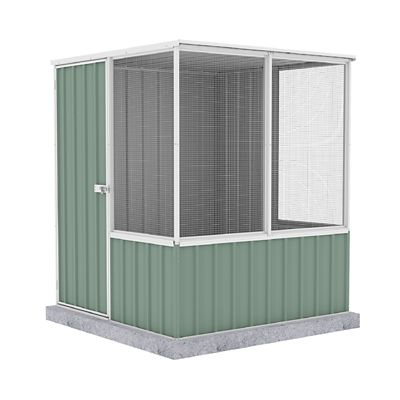
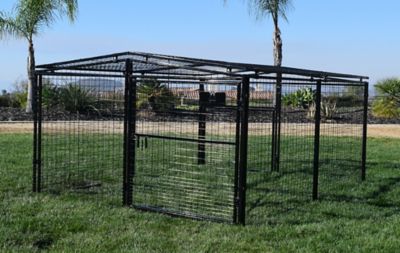
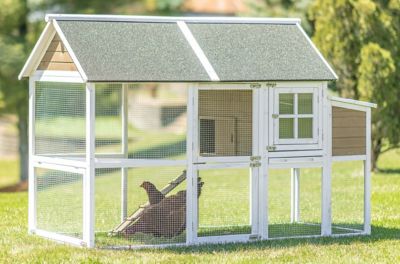
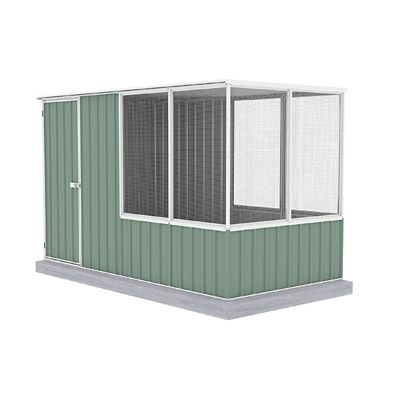
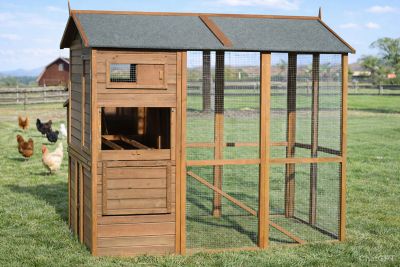
Metal roof chicken coops pair a sheltered place for hens to roost and lay with an overhead surface that sheds rain and stands up to everyday exposure. For a backyard flock or a small farm laying flock, that combination helps keep the daily routine manageable when the yard is muddy and the weather turns rough. A metal roof does not rot, but its long-term performance depends on the panel material, protective finish, fasteners, framing and installation. Galvanized steel has a zinc coating that helps resist corrosion, while painted metal adds another protective layer whose condition matters over time. Aluminum roofing weighs less than steel and resists rust, though panel thickness and support still influence how well it handles impacts and weather. Corrugated and ribbed profiles give thin metal panels added stiffness and channels for runoff. The roof pitch, panel overlaps and sealed attachment points all play a part in keeping water outside where it belongs. An overhang can help move dripping water away from siding, nest box openings and doorways, although wind-driven rain still calls for sound wall construction and well-fitted doors. Metal roofing alone does not make a coop weatherproof, and a covered run is not the same thing as an enclosed sleeping house. Hens need a sheltered roosting area as well as room for daytime movement, scratching and other normal flock behavior. For shoppers comparing chicken coops with metal roofs, the whole structure deserves attention: the frame beneath the panels, the floor under the bedding and the access points that get opened every day. A roof may be the first feature that catches the eye, but an egg collection door that stays clear of runoff or a cleaning opening wide enough for a bedding fork can make a bigger difference during morning chores. The most practical fit brings those details together without making the coop harder to reach, clean or secure.
Flock size and bird size help determine how much coop a property needs. A handful of bantams and the same number of large laying hens do not take up the same space on a roost or through a doorway. Advertised bird capacity is a starting point rather than a substitute for checking usable interior floor area, roost length, nest box access and outdoor space. Space needs also change with breed, temperament and how much time birds spend confined during wet or cold weather. A roomy attached run gives hens somewhere to move, but it does not replace adequate space inside the house. When comparing footprints, measurements should account for ramps, nest boxes, roof overhangs and the clearance needed to swing doors fully open. That matters beside a garden fence or along a narrow path where a wheelbarrow still needs to pass. Placement affects performance, too. Firm, well-drained ground helps prevent puddles around the entrance, and access to the coop should stay practical when a feed bucket is in one hand and an egg basket is in the other. In exposed areas, anchoring and the strength of the roof-to-frame connections deserve close attention. Metal panels can shed snow under suitable conditions, but they do not guarantee a snow-free roof or establish the structure’s snow-load capacity. Manufacturer specifications for wind, snow and anchoring are more useful than judging strength by appearance alone. A sloped roof also needs a clear runoff path that does not dump water or sliding snow directly onto the main entrance. During cooler months, ventilation remains important even when the coop feels chilly. Moisture from breathing and droppings can collect beneath cold metal and drip into bedding. Openings high in the walls or near the roofline can let damp air escape without directing a draft across the roosts. In sunny weather, shade and airflow help manage heat buildup. Roof color, insulation and the overall design may affect indoor conditions, but none replaces suitable ventilation and regular checks on the flock.
Day-to-day care is where the rest of a metal roof coop’s construction earns its keep. Wood framing and siding bring different maintenance needs than metal components, so the roof should not be treated as a promise that the entire coop needs little attention. Wood benefits from protection against persistent moisture, while metal edges, scratches and connection points need occasional checks for corrosion or loosening. Roof fasteners with sealing washers help limit leaks when they match the panel system and are installed according to the manufacturer’s directions. Overtightened, deteriorated or missing washers can leave a path for water, even when the surrounding panel looks sound. Leaves and twigs caught along an edge can hold moisture and interfere with drainage; accessible rooflines make those spots easier to inspect safely. Inside, removable trays, broad cleanout doors and reachable corners can simplify bedding changes and help keep damp litter from lingering against the floor. Smooth, protected panel edges matter anywhere hands or birds might make contact. Security requires a similar whole-coop approach. A solid metal roof offers an overhead barrier, but predators may target doors, vents, weak mesh or gaps at ground level instead. Secure latches, firmly attached hardware cloth and ground-level protection are important companions to the roof, with the details matched to local predators and the coop’s design. Even a covered enclosure needs a separate look at whether its openings and connections can keep unwanted animals out. For a broader look at overhead materials and configurations,
Chicken Coop Roofs provides another place to compare roofing choices alongside the needs of the enclosure below. Metal roof chicken coops make the most sense when their shelter, space and access suit both the birds and the person tending them. Whether chores happen before a workday or between jobs around the acreage, a well-matched setup keeps eggs within easy reach, gives hens a dry place to settle and leaves enough room to handle routine cleaning without a wrestling match at the door.