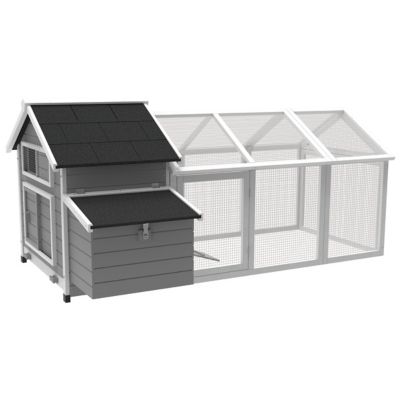
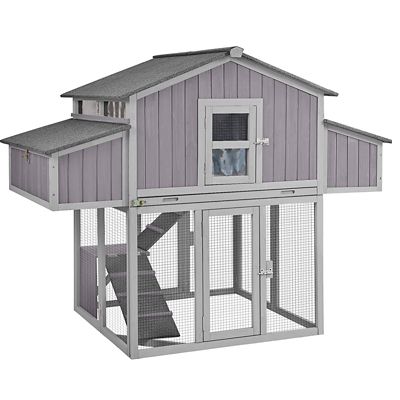
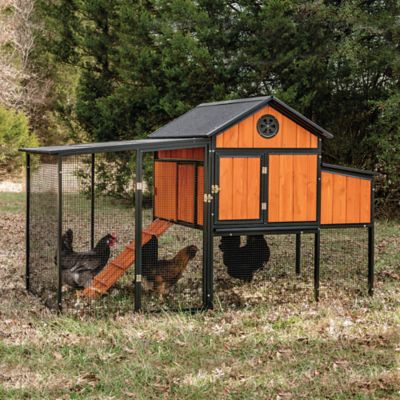
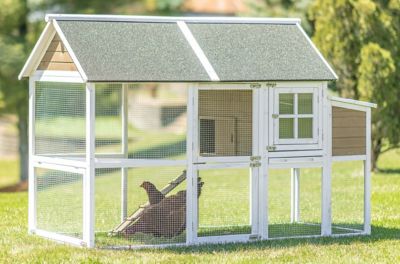
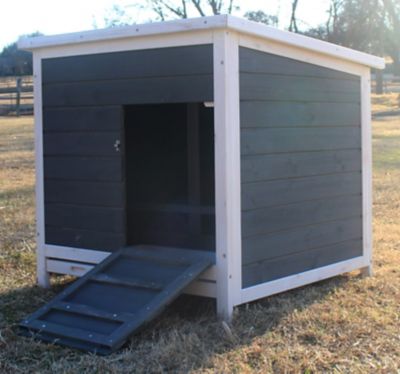
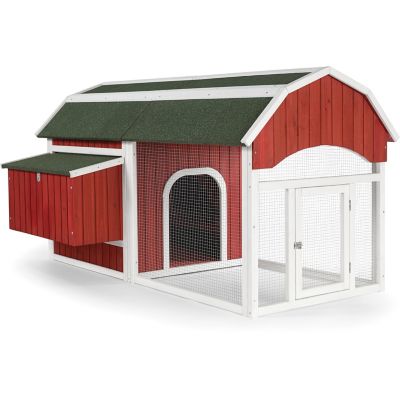
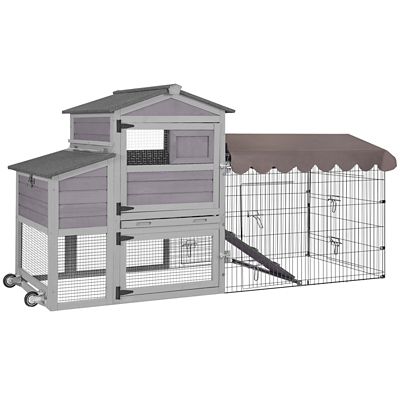
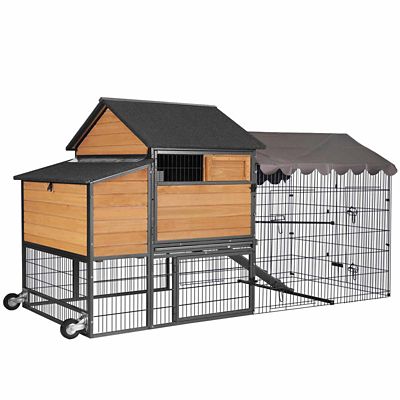
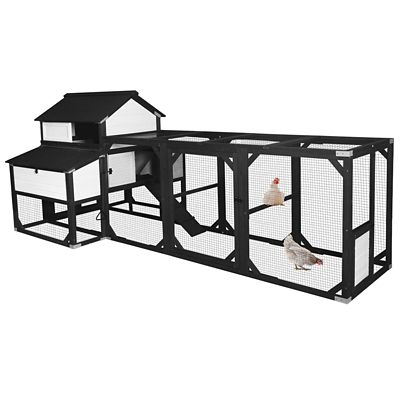
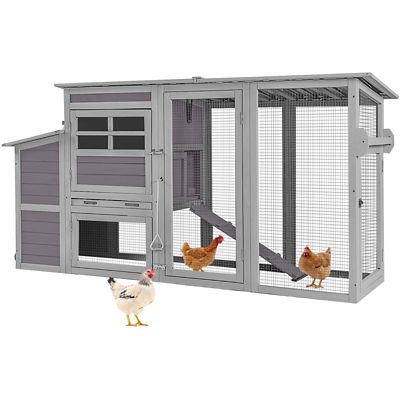
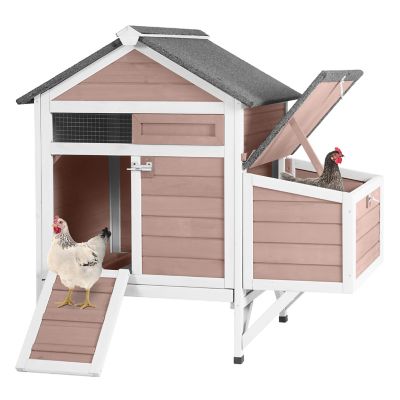
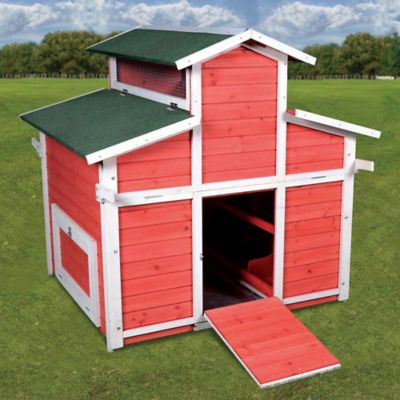
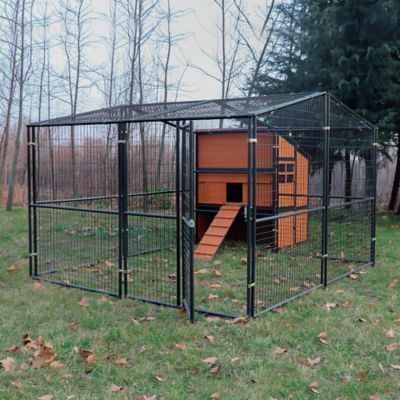
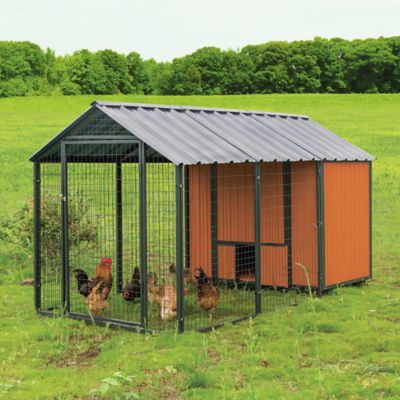
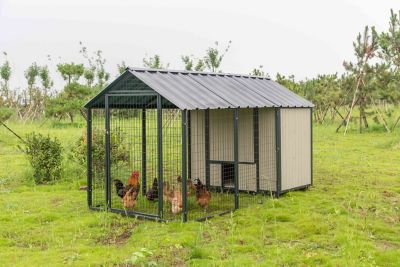
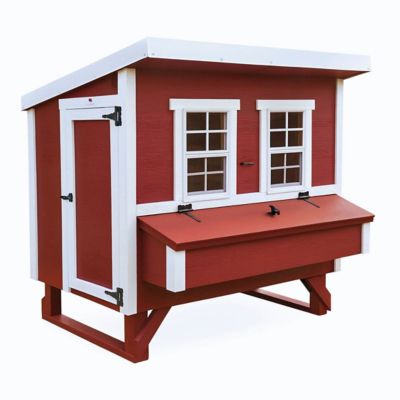
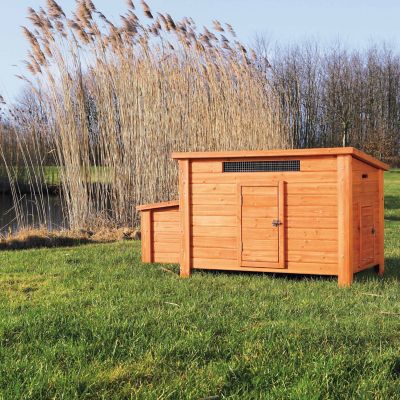
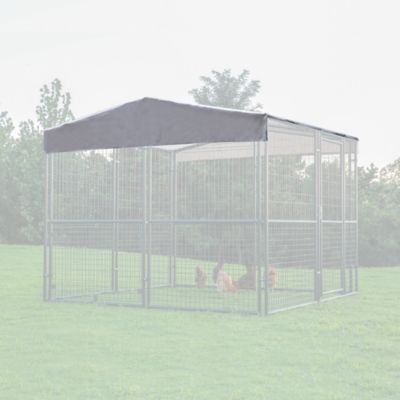
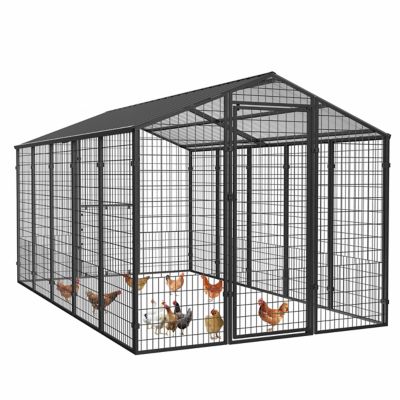
Asphalt roof chicken coops are a practical choice for backyard flocks, homesteads, hobby farms and anyone who wants a chicken house with a more finished, house-like appearance. A properly installed asphalt roof can help shed rain, block strong sunlight and protect the coop interior from wind, snow and changing weather through the seasons. Unlike a loose tarp or thin temporary covering, asphalt roofing is built to stay in place and can add dependable overhead protection for roosting hens, nesting boxes and stored bedding. These coops may use traditional asphalt shingles over a solid wood deck or mineral-surfaced roll roofing, depending on the design. Both options provide a familiar, durable roof surface, though the exact construction, weight and maintenance needs can vary. When looking through asphalt roof chicken coops, start with the flock size and the amount of room each bird will need to move comfortably. A coop should offer enough interior space for roosting, nesting and easy cleaning, along with a secure run or outdoor area where chickens can scratch, dust-bathe and forage. It also helps to consider the coop’s overall footprint, door placement and access points before choosing a location. A roof may keep the inside dry, but the best setup also includes good drainage around the coop, a level base and enough clearance from wet ground. Placing the coop where morning sunlight can reach it while afternoon shade offers relief can help manage temperatures, especially because dark asphalt surfaces can absorb and hold more heat than light-colored metal or reflective roofing. Good airflow matters in every season. Look for ventilation openings placed high on the coop walls, away from direct drafts at roost level, so warm, damp air can escape without chilling the birds. During warmer weather, shade cloth, nearby trees or a covered run can provide an extra layer of comfort. As the weather cools, dry bedding, protected vents and a roof with no exposed gaps help the flock stay settled and comfortable.
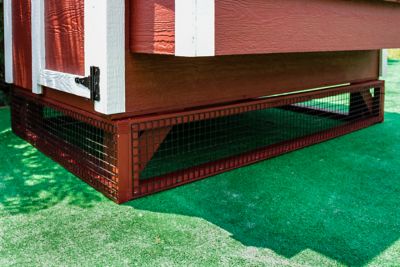
The roof is only one part of a dependable chicken coop, so take a close look at the full construction before making a purchase. A solid roof deck beneath shingles or roll roofing helps support the covering and can improve resistance to wind, while properly finished edges help keep moisture from finding its way under the roofing material. Check that roof overhangs direct water away from walls and doorways, and consider how easy it will be to inspect the roof after storms or extended wet weather. Asphalt roofing adds more weight than many lightweight plastic or corrugated panels, which can be an advantage for stability in windy areas but may make a coop harder to move. If the coop will be relocated around a yard or pasture, measure gates, paths and turns ahead of time and make sure the floor, frame and handles are suited to moving it safely. A stationary coop should sit on a sturdy, well-drained foundation that discourages moisture and makes it harder for predators to dig underneath. Secure latches are essential, and small openings should be covered with sturdy hardware cloth rather than ordinary poultry netting when raccoons, foxes, dogs or other predators are nearby. Inspect corners, roof edges and ventilation openings for places a determined animal could pry or squeeze through. Asphalt granules can loosen gradually with age and severe weather, so occasional checks for bare spots, lifted edges, cracks or water stains are worthwhile. Chickens are curious birds and may peck at anything loose or exposed, making neat trim and covered roofing edges especially important. Regular cleaning is easier when doors open wide, nesting boxes are reachable and the floor can be swept or scraped without awkward corners. Choose bedding that stays dry, remove damp spots promptly and keep feed and water arranged so spills do not soak the floor. A covered run can extend the useful space around the coop, giving hens a place to move when the ground is muddy or the weather is unsettled. For additional information about styles, materials and planning considerations, browse
Chicken Coop Roofs.
An asphalt roof chicken coop can be a useful addition for first-time chicken keepers, families raising a small flock, gardeners who enjoy fresh eggs or rural property owners looking for a manageable place to house laying hens. It can also make a thoughtful gift for someone starting a backyard flock, though the recipient will need adequate outdoor space, local approval if required and a plan for feed, water, fencing and daily care. A coop by itself is not a complete chicken-keeping setup, but it can serve as the central shelter around which the rest of the flock area is arranged. Before bringing birds home, think through everyday routines such as opening the coop in the morning, collecting eggs, refreshing water, adding bedding and locking the doors at dusk. Convenient access can make those chores much easier when the grass is wet, the wind is blowing or daylight is fading. Nesting boxes should be dark, dry and easy to reach, while roosts should give birds enough room to settle without crowding. Keep the coop free from standing water and provide shade during hot stretches, since asphalt roofing may contribute to warmer interior temperatures when the sun is strong. In cooler weather, resist the temptation to seal the building completely; chickens need fresh air, and trapped moisture can lead to damp bedding, odors and respiratory trouble. Instead, focus on a dry interior, protection from direct drafts and enough ventilation near the roofline. The right size and layout will depend on the number of birds, whether they will have a separate run and how often the coop will be moved or cleaned. With a secure base, sound roofing, dependable ventilation and regular upkeep, an asphalt roof coop can provide a comfortable shelter that fits naturally into a backyard, garden area or small farm.