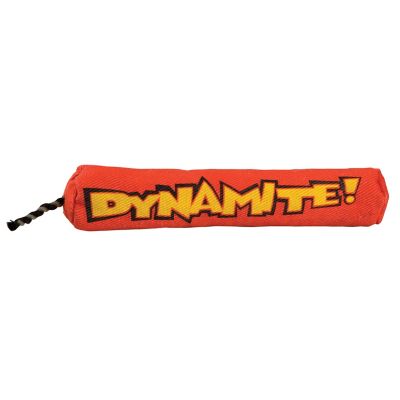
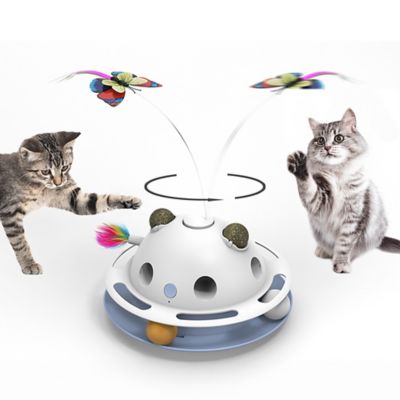
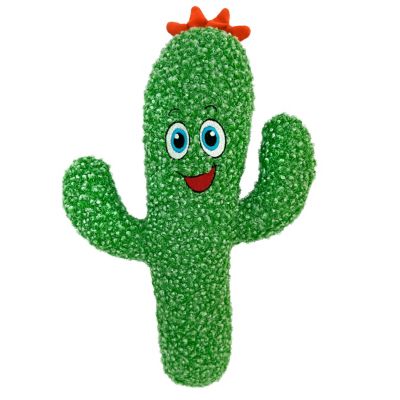
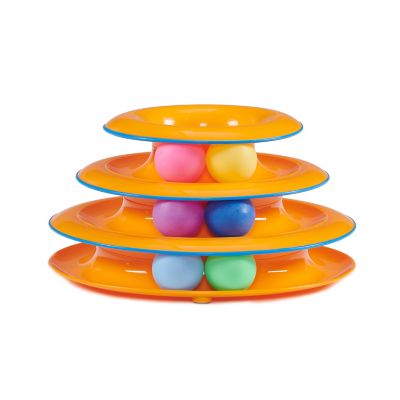
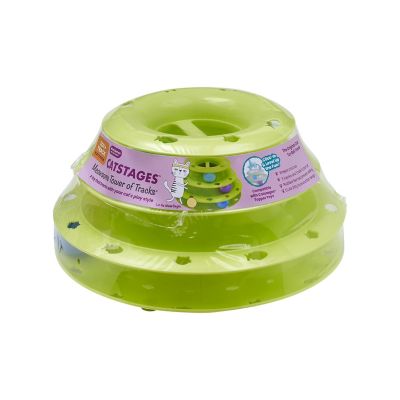
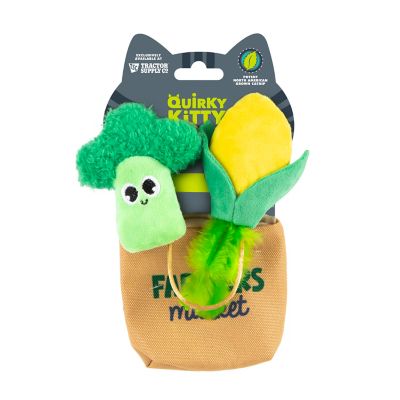
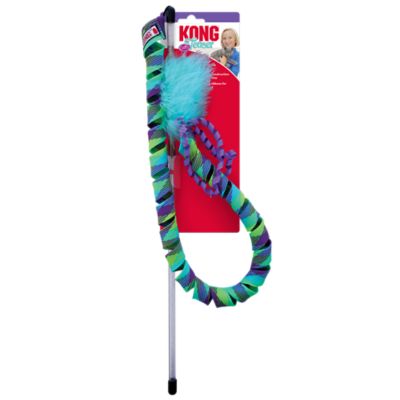
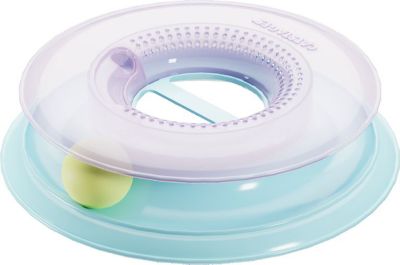
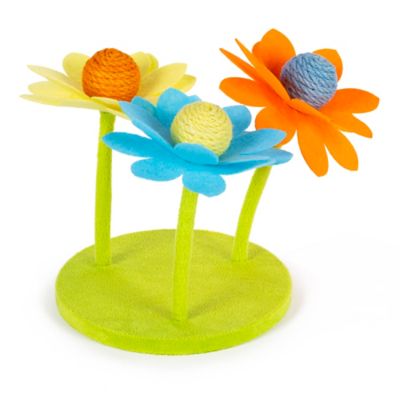
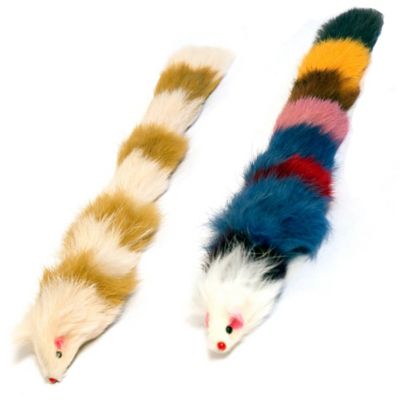
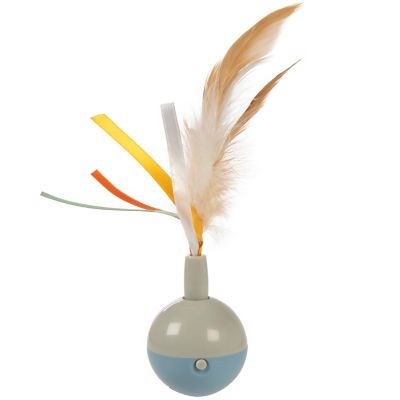
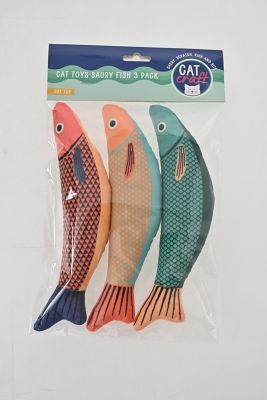
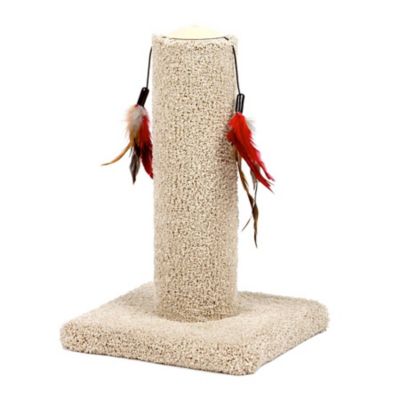
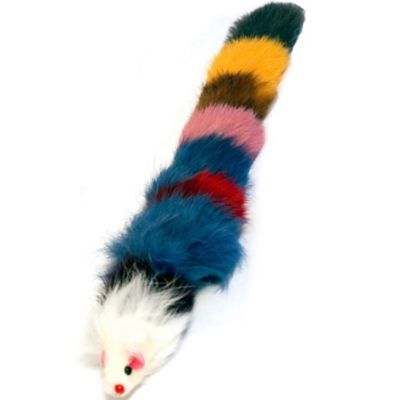
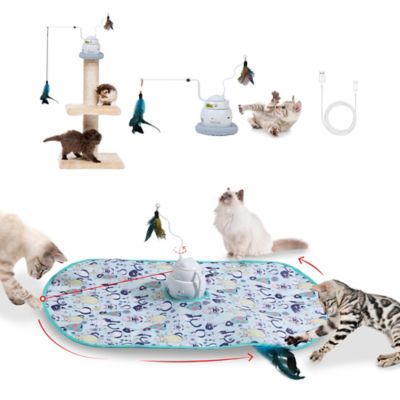
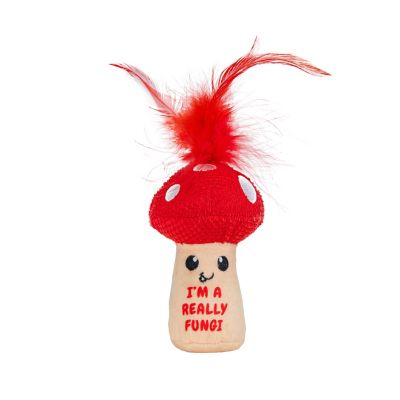
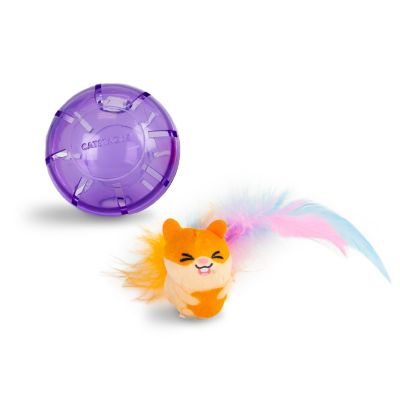
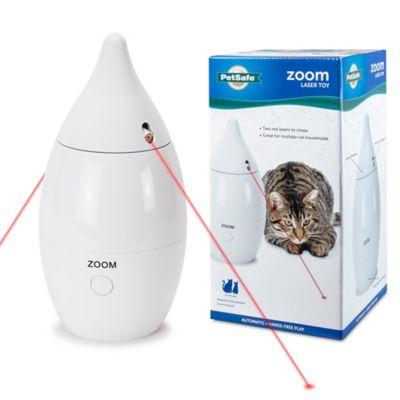
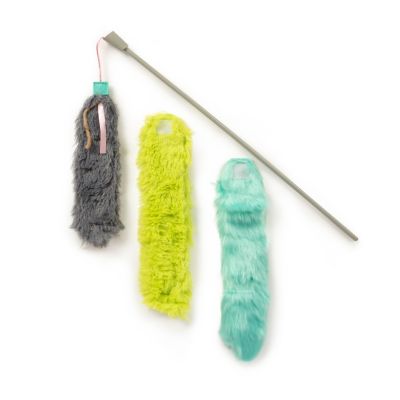
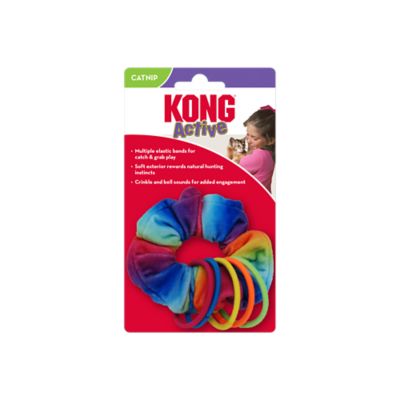
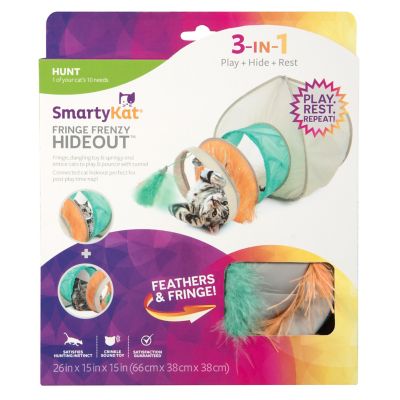
Cat toys for high energy cats give busy paws something to chase, catch, wrestle, and figure out. For the cat that races down the hallway after breakfast or stalks every moving bootlace, a mix of movement and mental challenge can make playtime more satisfying. The best match depends less on how flashy a toy looks and more on how your cat likes to hunt. Some cats stay low, wiggle their back feet, and spring toward anything skittering across the floor. Others reach for fluttering feathers or carry soft prey-shaped toys from room to room. Interactive wand toys encourage shared play, with enough space between your hands and an eager set of claws. A lure that darts, pauses, and slips partly behind a corner gives a cat opportunities to stalk and pounce rather than simply run in circles. Letting the cat catch the lure now and then adds the payoff that makes the chase worthwhile. Kicker toys serve a different purpose: their longer bodies give cats something to hug with their front paws and kick with their back legs. Lightweight batting toys suit cats that enjoy sending something sliding across an open stretch of floor, while enclosed ball tracks keep the chase within a smaller footprint. Tunnels add a place to crouch, peek out, and launch a playful ambush. These different styles can complement one another, especially for indoor cats that need outlets for their hunting instincts. A few short play sessions may hold a cat’s attention better than one long stretch, and interest can change from day to day. A cat that ignores a bouncing lure in the morning may be ready to chase it after the evening chores. Toys that support several parts of the hunt—watching, stalking, chasing, grabbing, and kicking—bring more variety to an active cat’s routine without making every session a full-speed sprint.
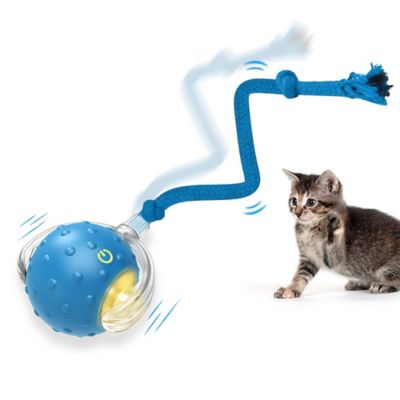
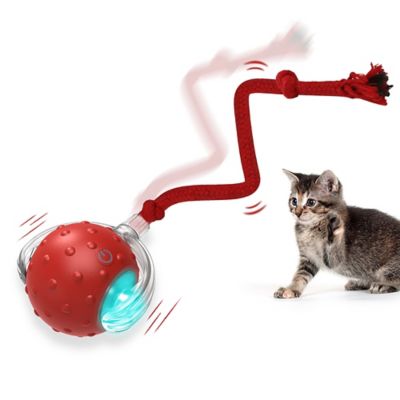
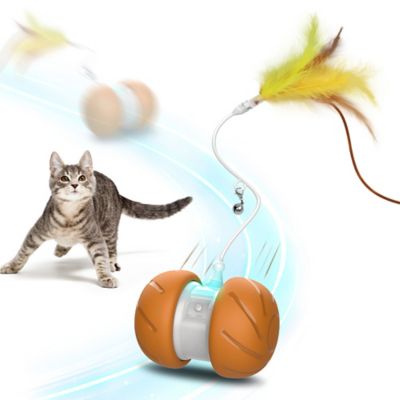
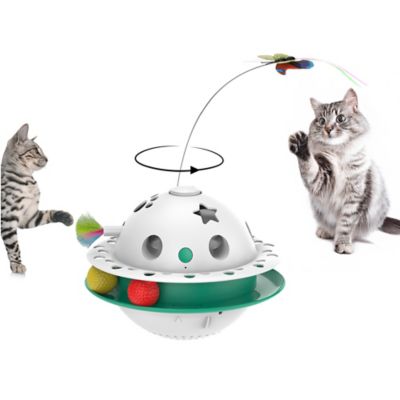
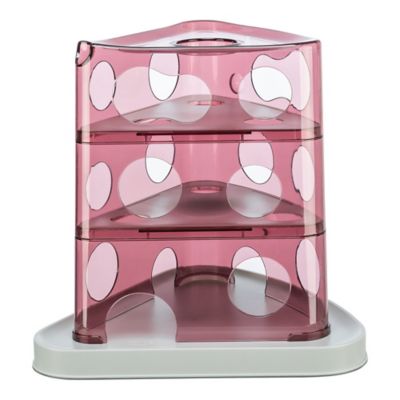
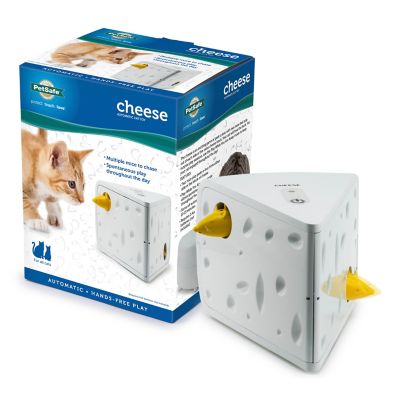
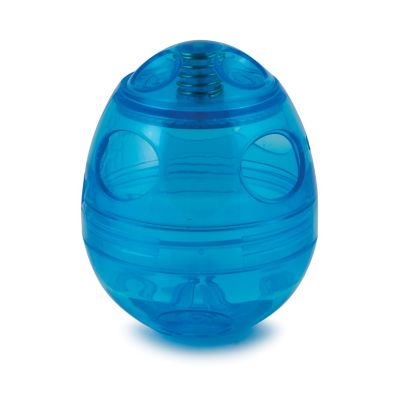
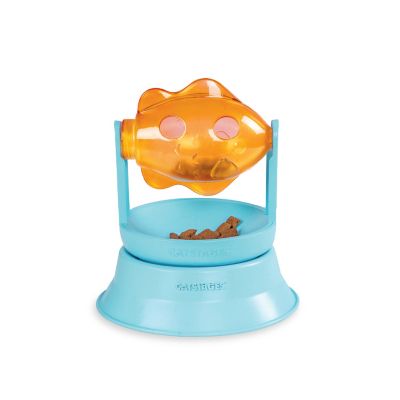
Movement, sound, and texture all influence whether a toy earns a second pounce. Concealed-motion cat toys put the action beneath a fabric cover, creating little darts and ripples that invite close watching before a strike. Motion-activated rolling toys can prompt a chase with changing directions, though floor surfaces matter: a rolling mechanism may travel freely over a smooth floor and struggle on a thick rug. Motorized toys also vary in sound level, so a cautious cat may prefer a quieter option over one that chirps or rattles. Pop-out features appeal to cats that like waiting beside an opening and swatting when something appears. With electronic designs, practical details include a secure battery compartment, clear operating instructions, and an automatic shutoff when offered. They can add variety, but they do not replace time spent playing together or checking how your cat interacts with a toy. Puzzle toys and treat-dispensing toys bring a slower kind of challenge, giving food-motivated cats a reason to paw, nose, and investigate. Openings and difficulty settings should match the cat’s experience so the reward stays within reach; treats also count toward daily food intake. For physical play, materials affect both the feel and the upkeep. Plush fabric gives a kicker a soft surface to grip, woven coverings offer a different clawing texture, and crinkle layers add sound with each squeeze. Molded plastic tracks and puzzle bases often have wipe-clean surfaces, while fabric toys may require spot cleaning or laundering according to their care labels. Reinforced seams and firmly attached parts matter for enthusiastic wrestlers, but no toy is chew-proof. Size deserves just as much attention as material. A toy should be manageable enough to bat or carry without being small enough to swallow, and tunnel openings need room for comfortable movement. Bigger cats may benefit from longer kickers, wider tunnels, and bases that stay steady under a strong swat. The proportions covered by
Cat Toys for Large Cats are worth considering when a broad-shouldered playmate makes ordinary-sized play spaces feel cramped.
A good fit for the household includes more than the cat’s size or speed. In a home with several cats, separate play opportunities can help a bold chaser avoid crowding out a quieter companion. A roomy tunnel with more than one exit offers different routes through the action, while separate batting or puzzle toys let cats investigate at their own pace. Kittens may enjoy quick bursts of chasing but need appropriately sized toys and close supervision; older cats can still enjoy stalking and catching with gentler, ground-level movement. For an energetic cat that grabs hands during play, a wand or generously sized kicker provides a more suitable target than fingers. Long cords, ribbons, feathers, and detachable lures call for supervised play and storage out of reach afterward. Before each session, a quick check for loose stitching, exposed stuffing, cracked plastic, or missing pieces helps keep damaged toys out of the rotation. Put any toy with a loose battery cover aside immediately, and keep spare batteries away from pets. Care requirements matter in everyday life, too. A washable cover can be handy for a well-loved kicker, while a track with accessible channels makes trapped hair and dust easier to clear away. Electronic parts need the cleaning method stated by the manufacturer rather than a dunk in the sink. Keeping a small selection tucked away and swapping toys periodically can renew interest without covering every floor with playthings. Clear space around active toys helps keep a hallway chase away from stairs, breakable belongings, and water bowls. For someone welcoming a lively cat into the family, a gift centered on different play styles can be thoughtful: something for shared chasing, something for wrestling, and something that rewards patient investigation. Across those choices, the goal stays simple—cat toys that match the animal’s instincts, suit the space, and stand up to the way that particular cat likes to play.