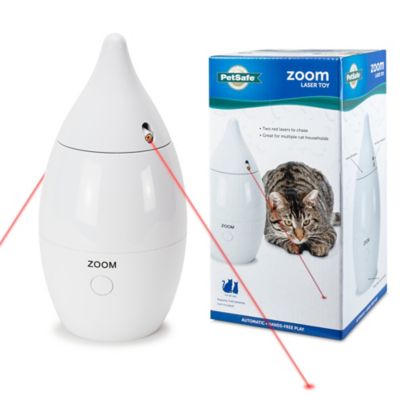
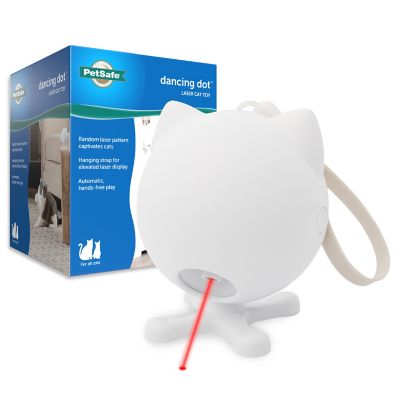
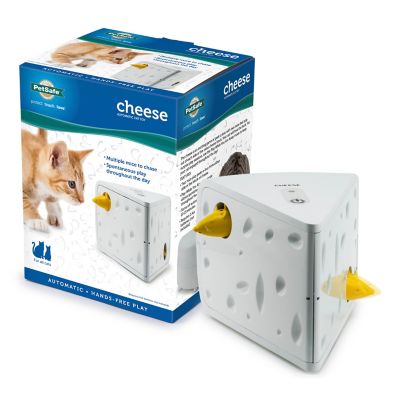
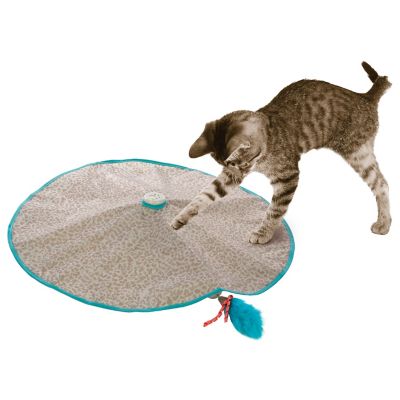
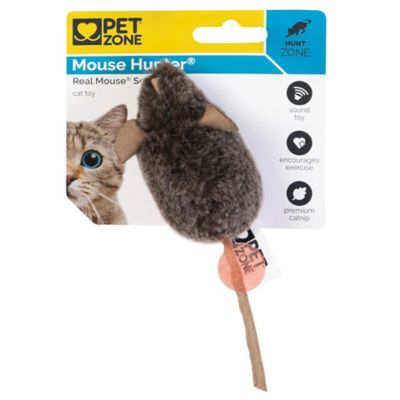
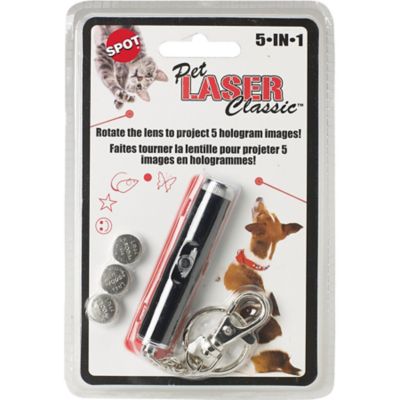
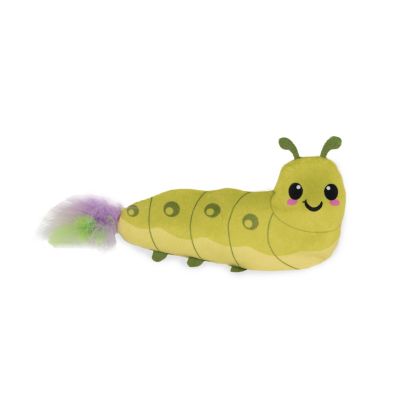
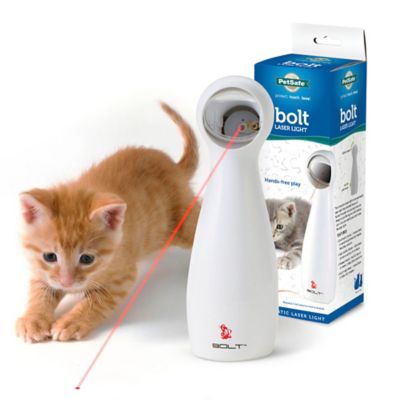
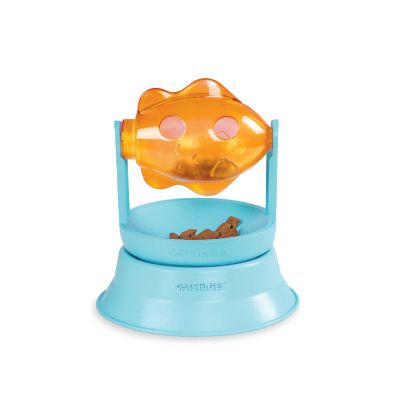
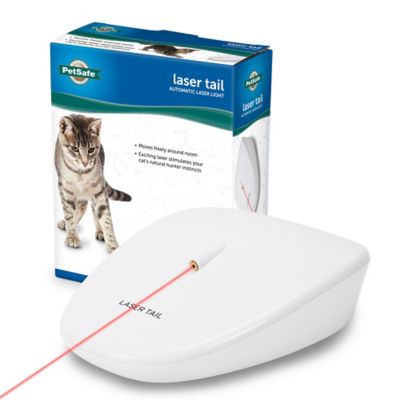
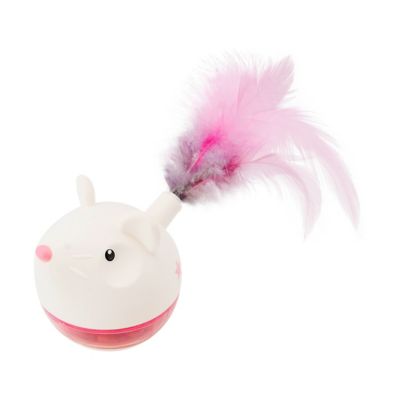
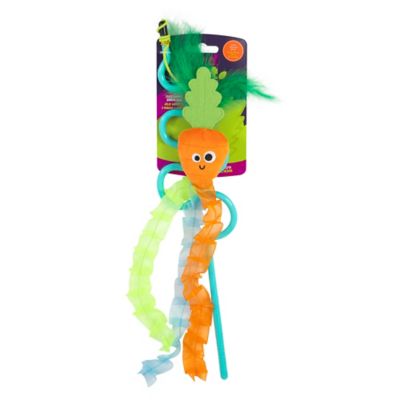
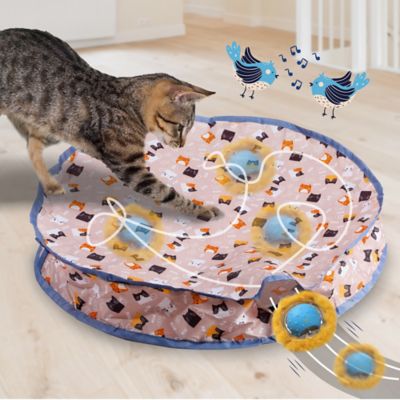
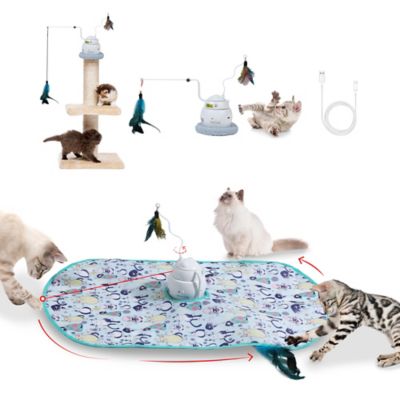
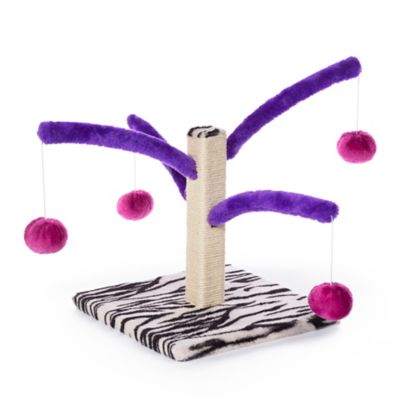
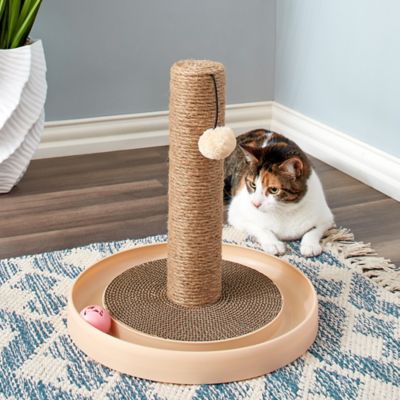
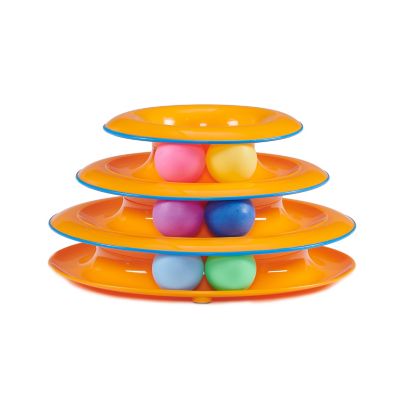
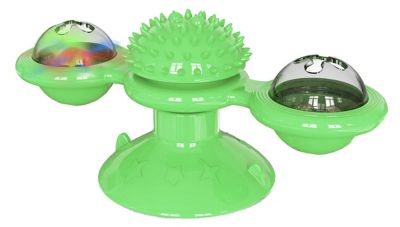
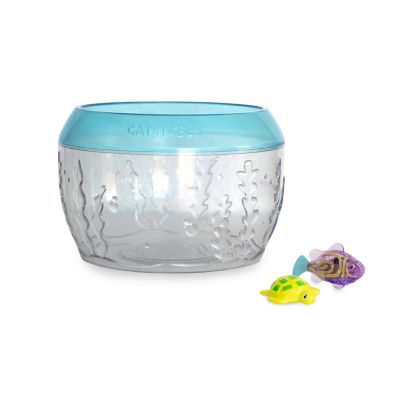
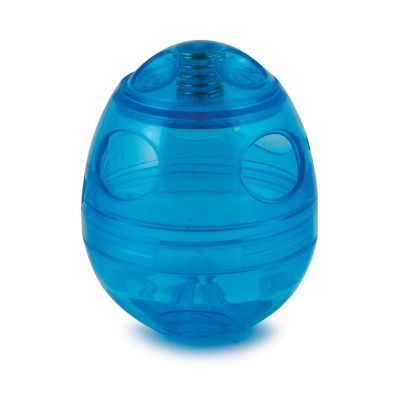
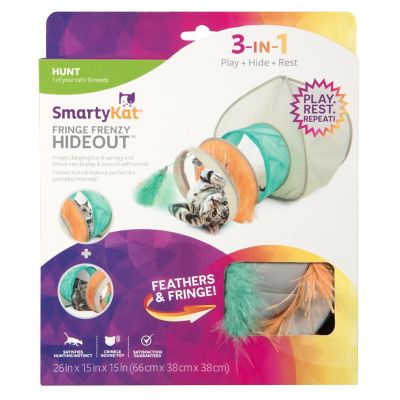
Cats are natural hunters, and toys that move give them a safe way to stalk, chase, pounce and bat at something that keeps them on their toes. A rolling ball that changes direction, a feathered toy that skitters across the floor, a hanging toy that swings after a gentle tap or a touch-activated toy that flops and wiggles can turn an ordinary stretch of floor into a little hunting ground. Moving cat toys can be a good fit for kittens with energy to burn, indoor cats that need more activity and older cats that still enjoy a slow chase from the comfort of a favorite rug. They also make thoughtful gifts for new cat owners, families bringing home a kitten or anyone whose cat has started treating cardboard boxes, shoelaces and the corner of a blanket like prized prey. When choosing a toy, look for movement that suits your cat’s personality. Some cats love a fast, unpredictable chase and will sprint from one end of the room to the other, while others prefer a toy that pauses, wiggles or swings within easy reach. A shy cat may need a quieter toy and a little time to investigate, while a confident, high-energy cat may enjoy a moving toy that encourages jumping and quick changes of direction. For cats that like a challenge, you can also explore
Cat Toys For Intelligent Cats for play options that help keep curious minds busy.
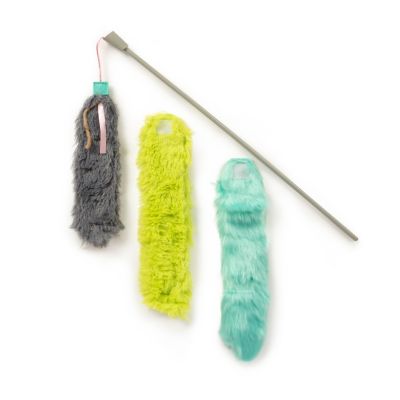
When shopping for cat toys that move, consider how the toy will fit into your home, your cat’s daily routine and the kind of play you can provide. Automated toys can offer motion when you are tending to chores, feeding animals or settling in for the evening, making them useful for short bursts of independent activity. Motion-activated toys may spring to life when a cat walks by, which can add an element of surprise and encourage a little extra movement during the day. Remote-controlled toys allow you to guide the action yourself, sending a toy around furniture, across a hallway or behind a chair so your cat can follow, crouch and pounce. Interactive toys, including wand-style designs, are especially useful when you want to join the game and control the pace. A slow drag along the edge of a rug can invite a careful stalk, while a quick dart behind a table leg may bring out a full-on chase. One cat may flatten low to the ground, tail twitching, before springing forward; another may sit tall and reach with both paws as a toy swings overhead. These little play sessions support healthy exercise and offer an outlet for hunting instincts, especially for indoor cats that do not have opportunities to roam. Check whether a toy uses replaceable batteries, rechargeable power or manual movement, and think about where it will be stored between play sessions. Noise level matters, too. A toy that is entertaining in a busy family room may be less welcome near a sleeping area, while a quieter design can be handy during the cooler months when pets and people spend more time indoors.
Safety and durability deserve a close look before a moving toy becomes part of your cat’s regular routine. Choose toys made without loose pieces that could be pulled off and swallowed, and inspect feathers, strings, wheels, seams and attachments from time to time. No toy lasts forever, especially in a home with a determined chewer, so replace anything that becomes cracked, frayed or damaged. Wand toys and other items with strings should be put away after supervised play rather than left out where a cat could become tangled. Battery-operated toys should stay closed securely, with batteries kept out of reach if the compartment ever opens. It also helps to introduce new movement gradually. Set a toy near a familiar bed or scratching area first, then let your cat watch it before turning up the action. Short sessions often work better than one long stretch of play, and ending with a chance to catch the toy can help keep the experience satisfying instead of frustrating. To prevent boredom, rotate several types of movement rather than leaving every toy on the floor at once. A rolling toy one day, a swinging toy another day and a guided chase later in the week can make familiar play feel fresh. During warm weather, aim for active play when the room is comfortable and offer water nearby; during cooler months, moving toys can help bring lively activity indoors. With the right mix of motion, durability and supervision, these toys can give cats a regular outlet for curiosity while adding a bit of fun to everyday life.