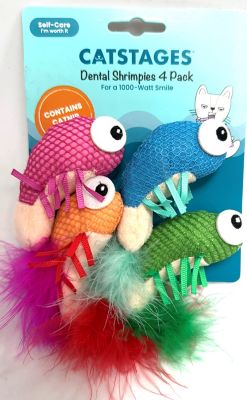
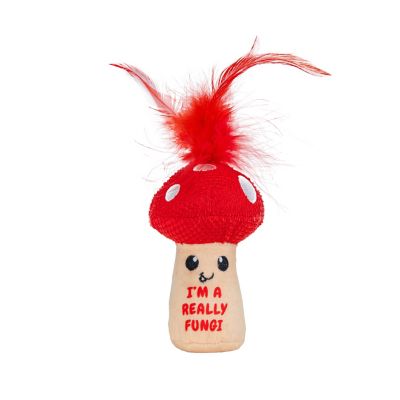
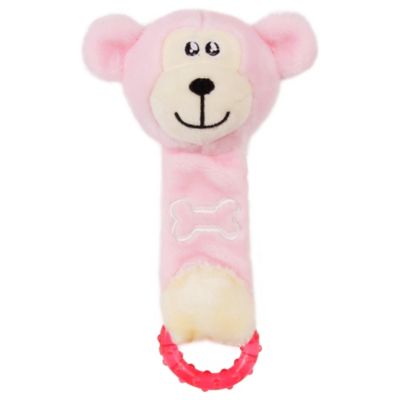
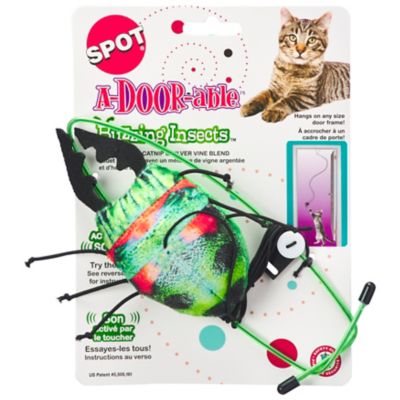
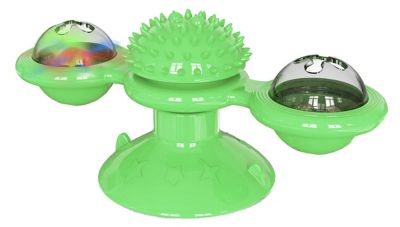
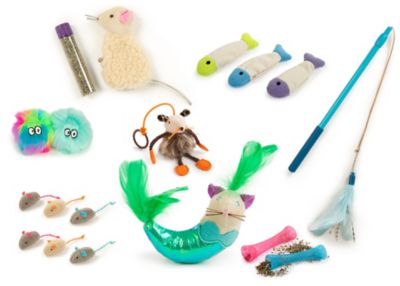
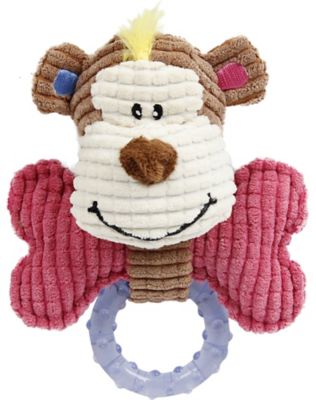
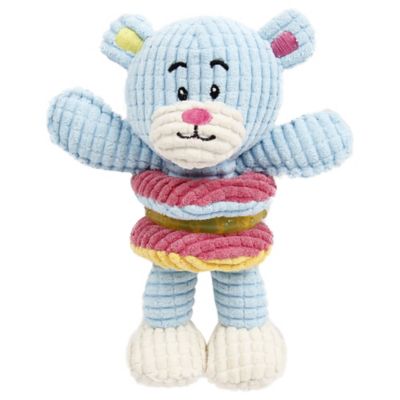
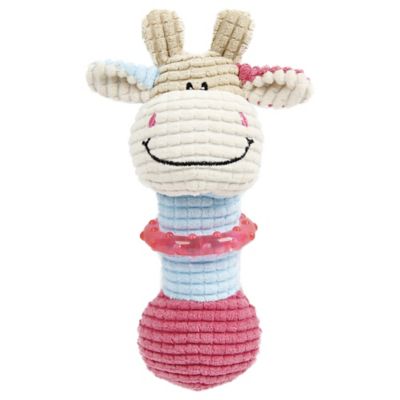
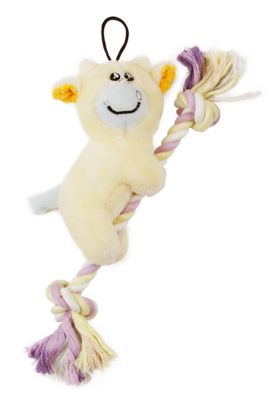
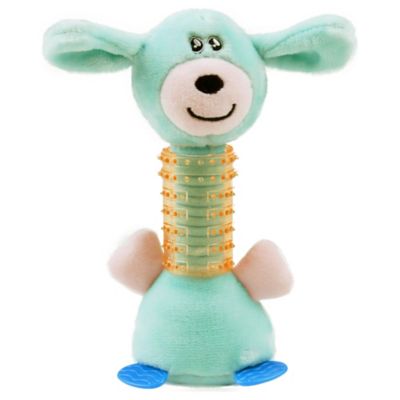
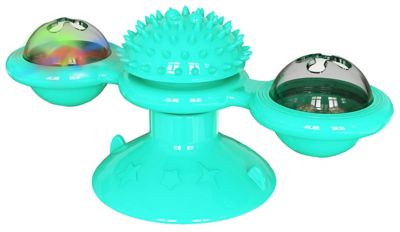
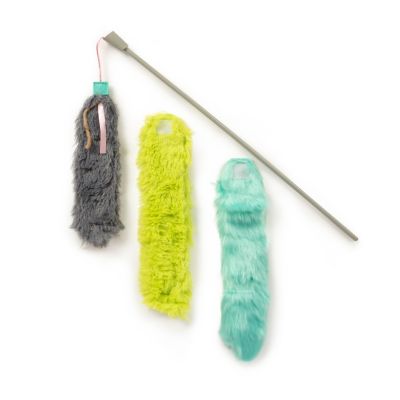
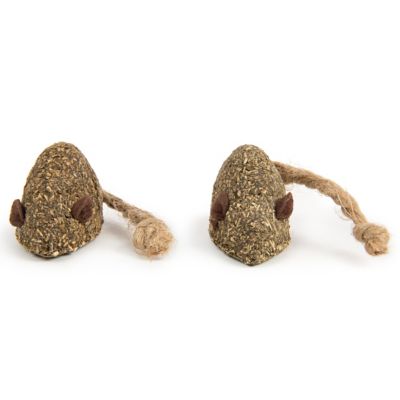
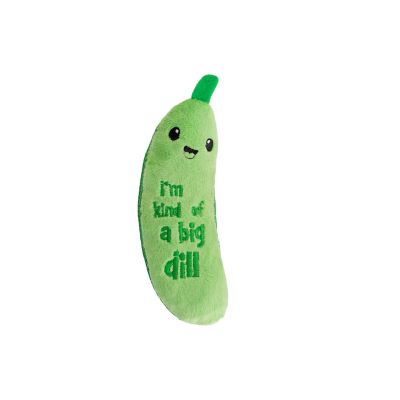
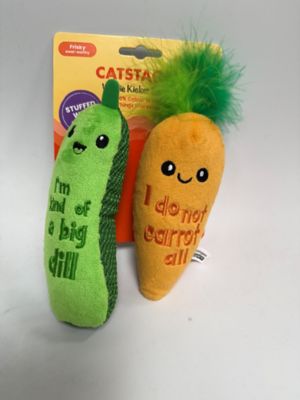
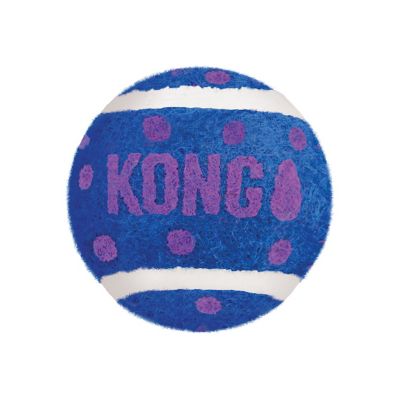
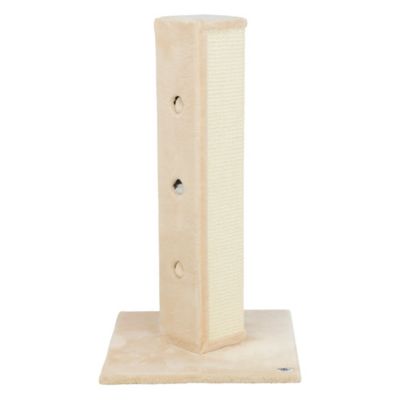
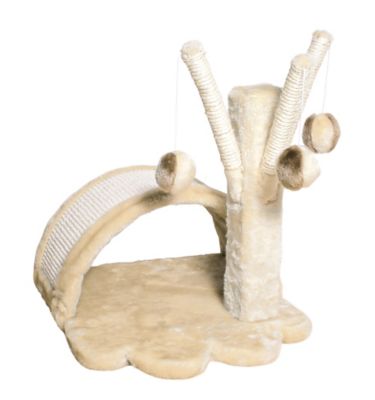
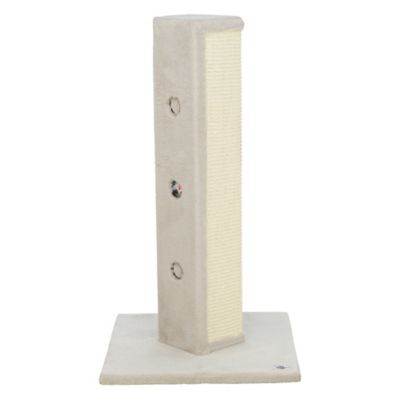
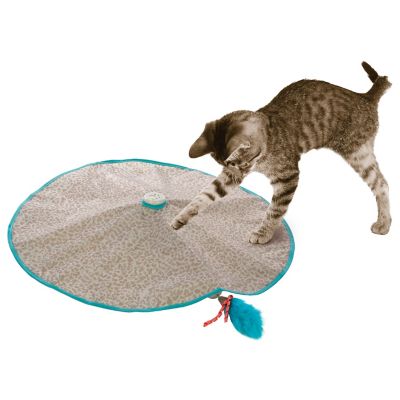
Teething is a busy stage for kittens, and a dedicated chew toy can give those little mouths a better outlet than hands, furniture, cords, or the edge of a cardboard box. As baby teeth loosen and adult teeth come in, a kitten may chew more often, paw at the mouth, drool a little, or show extra interest in toys with texture. Cat toys for teething kittens are made to offer gentle gum pressure and an engaging surface for mouthing, batting, and carrying. Look for toys that fit comfortably in a small mouth without being so tiny that they could be swallowed. Soft mesh, tightly woven cotton, sisal, and other flexible fibers can provide a satisfying texture while a kitten gnaws and plays. Some toys have crinkle sounds, dangling pieces, or a light scent from catnip or silvervine to draw attention, while simple shapes are often enough for a kitten that likes to chase, bunny-kick, or settle in for a quiet chewing session. Texture matters, but size and construction matter just as much. A kitten should be able to grip the toy with the front paws and move it around without struggling. If a toy seems too large, too firm, or too small for the kitten’s mouth, choose another option.
A good teething toy can support play throughout the day, especially during cooler weather when kittens may spend more time indoors. Set out a small selection in different textures and rotate them so each one stays interesting without filling the floor with clutter. A soft chew toy can be part of a short play session after a nap, while a textured rope or fabric toy may suit a kitten that prefers to lie on a blanket and nibble. Interactive play with a person also helps build trust: drag a toy slowly across the floor, let the kitten pounce, then allow a few calm minutes of chewing before putting the toy away. This keeps fingers out of the game and helps a kitten learn that toys, rather than hands, are the right target for biting. Catnip can attract some cats, though very young kittens may not respond to it. Silvervine may appeal to cats that ignore catnip, but every kitten has its own preferences. For a thoughtful gift, teething toys can be a practical choice for someone bringing home a kitten, preparing for a new litter, or setting up a cozy indoor play area. Pairing a few textures with a soft bed, scratching surface, or interactive toy gives a new cat owner useful ways to encourage healthy play and build a daily routine. For more ways to make playtime social, visit
Cat Toys For Bonding.
Inspect every toy before giving it to a kitten and check it again after chewing or rough play. Take away anything with loose threads, torn fabric, exposed stuffing, separated seams, broken bells, or small pieces that could be swallowed. Braided fibers should remain tightly joined, and mesh should not have holes large enough for claws or teeth to catch. Keep elastic hair ties, ribbon, household string, rubber bands, plastic fragments, and electrical cords out of reach, since these items can cause serious problems when chewed or swallowed. Supervise teething play, particularly with a new toy, and match the toy to the kitten’s size and chewing habits. A kitten that attacks every toy may need shorter play sessions and more frequent checks, while a gentle nibbler may prefer a soft fabric texture. Toys are not a substitute for veterinary care, so contact a veterinarian if chewing comes with marked drooling, bleeding, facial swelling, trouble eating, a strong mouth odor, or signs of pain. Fresh water, age-appropriate food, routine veterinary visits, and a calm place to rest all support a kitten through this changing stage. With a few engaging options and regular inspection, teething toys can help redirect natural chewing, keep play lively during the cooler months, and give kittens a comfortable way to explore their growing mouths.