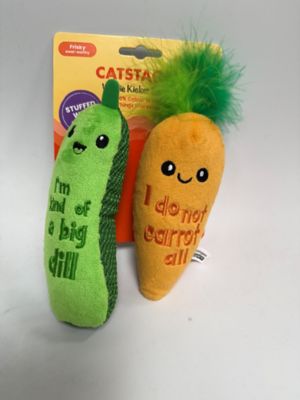
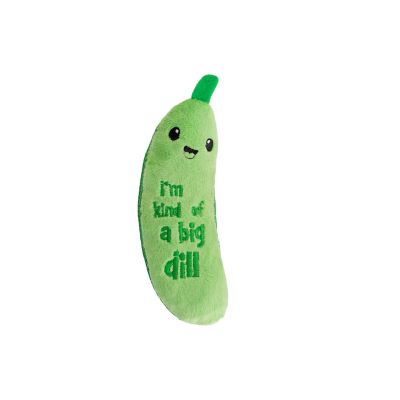
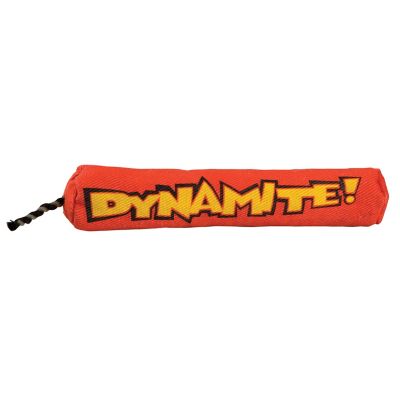
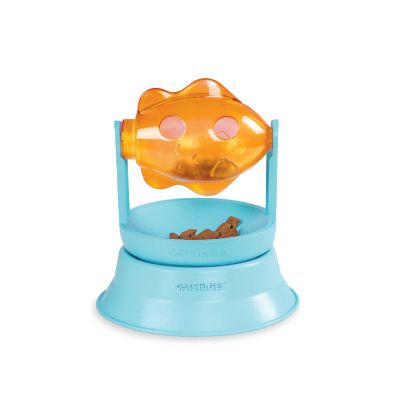
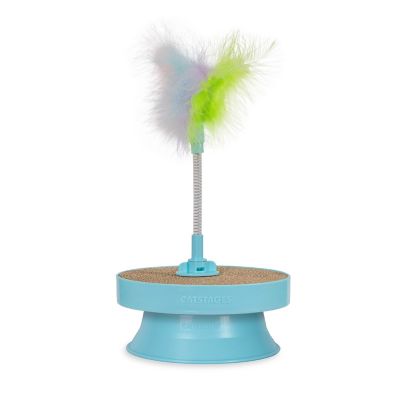
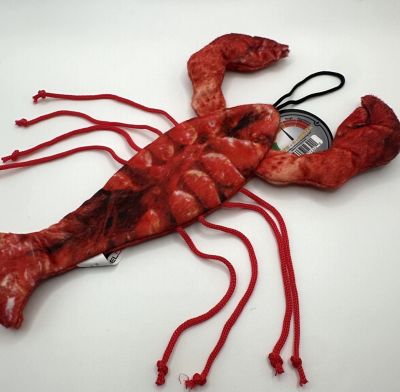
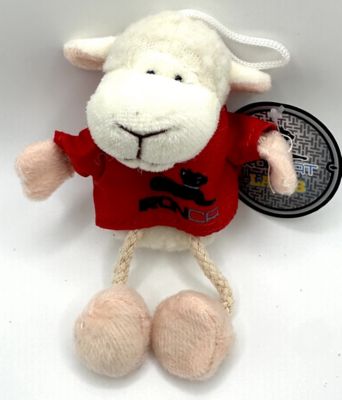
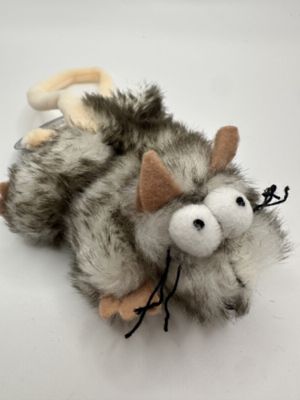
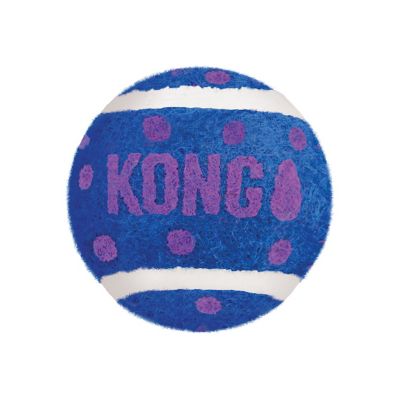
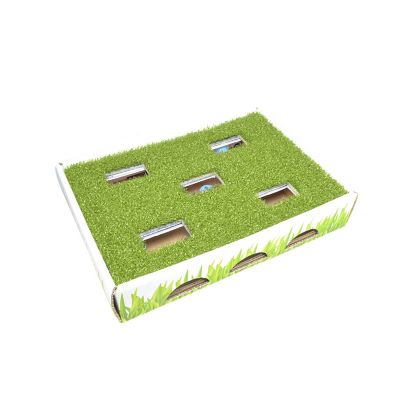
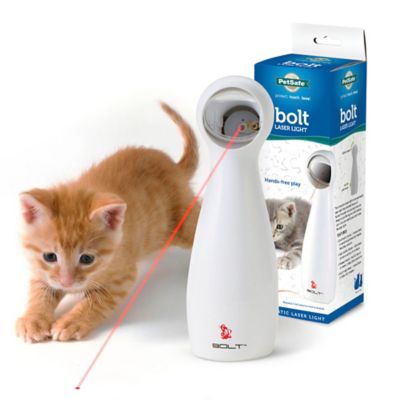
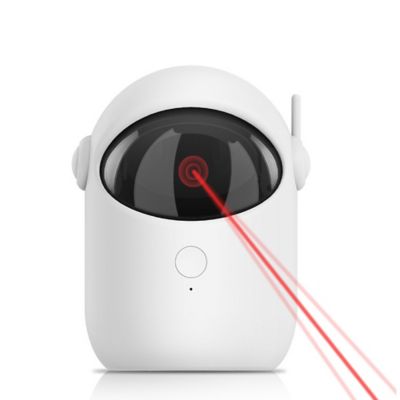
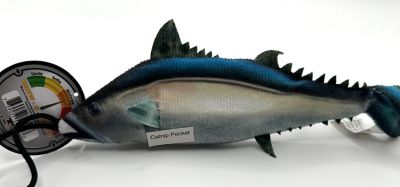
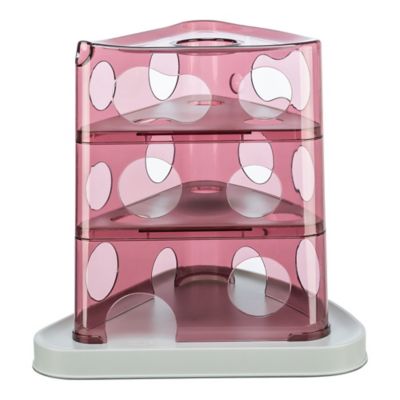
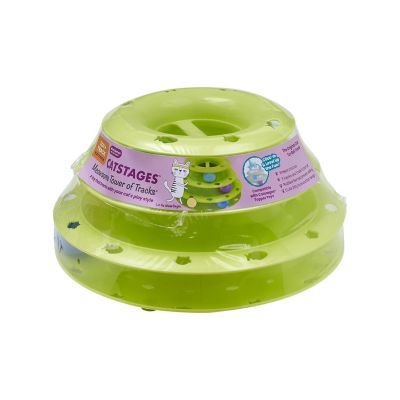
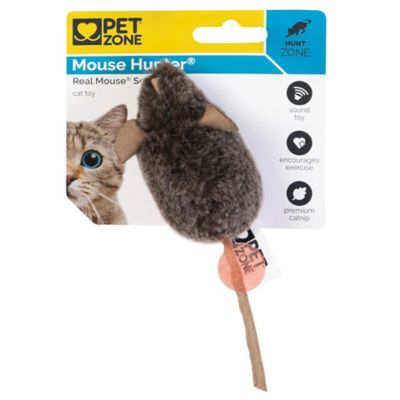
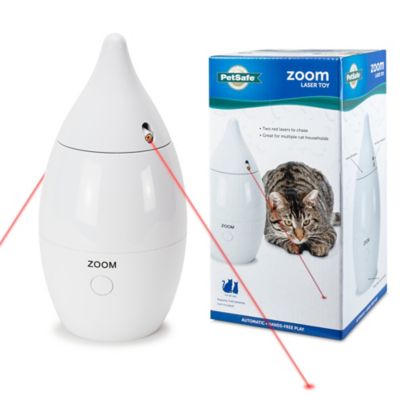
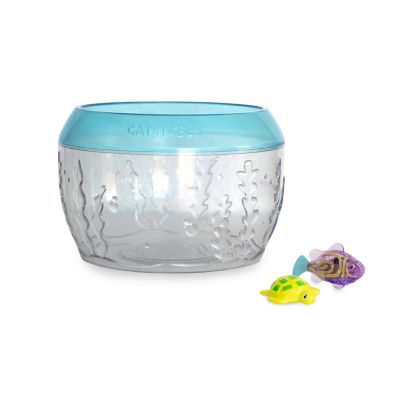
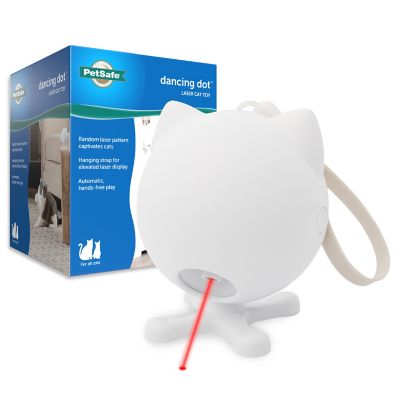
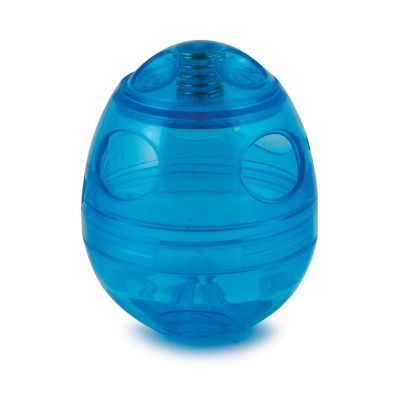
Cat toys for independent play give cats a safe way to stalk, pounce, bat, chase and work off extra energy when the household is busy or no one is available for a game of wand toy. They can be especially helpful for indoor cats, kittens learning good play habits, older cats that still enjoy a little activity, and cats that spend part of the day alone while their people are at work or tending to chores. A good selection lets a cat choose between different kinds of play, much like they would move through different parts of a hunt outdoors: watching from cover, waiting for movement, swatting at something that rolls away and wrestling with a catch. Track-and-ball toys are a handy choice for cats that like batting games. Their balls move around a contained track, giving a cat the satisfaction of chasing without sending small pieces under every piece of furniture. Wobble toys bring a different feel, tipping, bouncing or righting themselves after a paw tap. That unpredictable movement can hold a cat’s attention longer than a toy that sits still, while a weighted base helps keep the toy from sliding across the floor. Kicker toys are useful for cats that like to grab with both front paws, bite, bunny-kick and roll around with their prize. Look for sturdy fabric, secure stitching and a size that your cat can hug comfortably. Toys filled with catnip or silvervine may add extra interest, although some cats respond strongly, some respond mildly and some do not react at all. For food-motivated cats, treat puzzles and rolling feeders turn snack time into a little job. A cat may need to push, nose or bat the toy to release a few pieces of kibble, which can slow down fast eaters and add mental exercise without serving a larger portion. Start with an easy setting and a small amount of food, then make the challenge harder as your cat catches on.
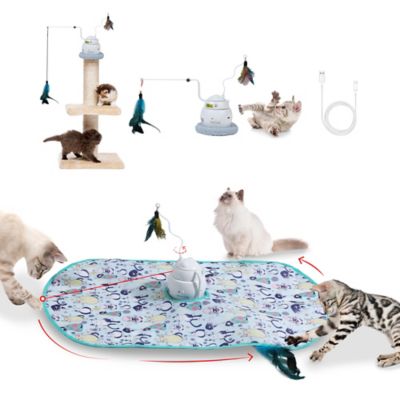
When choosing cat toys for independent play, think about your cat’s age, size, play style and the space where the toy will be used. A small apartment, laundry room or spare bedroom may call for a contained toy that stays in one place, while a larger room can handle a rolling or wobbling toy with more room to travel. Cats that prefer quiet observation may enjoy a toy that moves only after a gentle paw tap, while high-energy cats may need a more active option that encourages repeated chasing and batting. Motion-activated toys can respond to touch with movement, hidden action or a brief burst of activity, making them useful for cats that lose interest when nothing changes. Automatic shutoff features can help conserve batteries and give the cat a natural break instead of running nonstop. If your cat is nervous around noise, choose quieter designs and place them in a familiar area rather than dropping a new toy into the middle of a busy room. Independent play does not mean leaving every toy scattered around all the time. A simple rotation can keep familiar toys interesting: leave out a few favorites, store the rest for a couple of weeks, then trade them out. Bringing back a toy that has been tucked away can make it feel fresh again, especially during cooler months when an indoor cat spends more time lounging inside. You can also place a toy near a favorite napping spot, along a hallway or beside a cat tree to encourage short bursts of movement throughout the day. Treat puzzles work best when counted as part of the daily food allowance, and cats should be introduced to them with supervision until you know they understand how the toy works. These toys can make thoughtful gifts for a new kitten, a recently adopted cat, a house with multiple cats or a pet parent who wants to add more enrichment to the daily routine. A small bundle of different play styles gives the recipient room to learn whether their cat prefers rolling, batting, wrestling, chasing or searching.
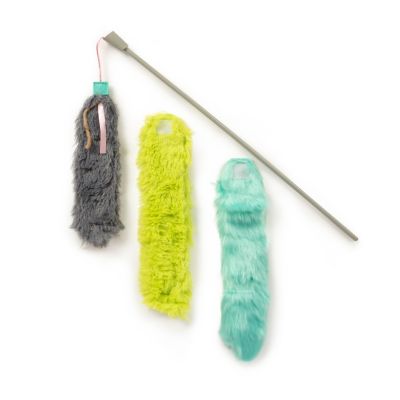
Safety matters whenever a cat will be playing without hands-on supervision. Inspect toys often and remove anything that is torn, cracked, splintered or coming apart. Plush fabric can loosen, plastic can break and attachments can become damaged after repeated biting and batting. Never leave loose strings, ribbons, yarn, thread, feathers with exposed stems, long elastic bands or similar pieces out for unsupervised play, since a cat may swallow them and suffer a serious intestinal blockage. Wand toys and string toys are best brought out for interactive play and put away when the session is finished. Check that balls, attachments and other parts are too large to swallow, and replace a toy if a piece becomes small enough to fit fully inside your cat’s mouth. Keep electronic toys dry, follow battery instructions and store batteries where pets cannot reach them. Supervise the first few play sessions with any new toy, especially with kittens, strong chewers or cats that tend to shred fabric. Watch for signs of frustration, overstimulation or fatigue, and give your cat a quiet place to retreat. Independent-play toys are meant to add enrichment, not replace attention, rest, scratching areas or regular veterinary care. A few minutes of gentle play with you can still help build trust, while a well-chosen toy can keep the fun going after you return to the barn, finish household work or settle in for the evening. For cats drawn to moving action, explore
Cat Toys That Move to find more ways to encourage safe chasing and batting at home. With a practical mix of toys, steady safety checks and occasional rotation, you can give your cat more chances to stay curious, active and content through the warmer days and into the cooler season.