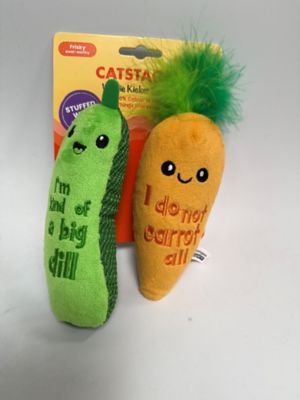
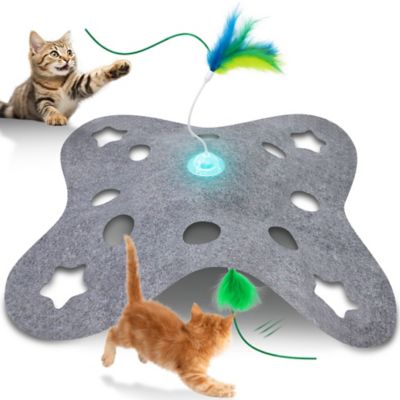
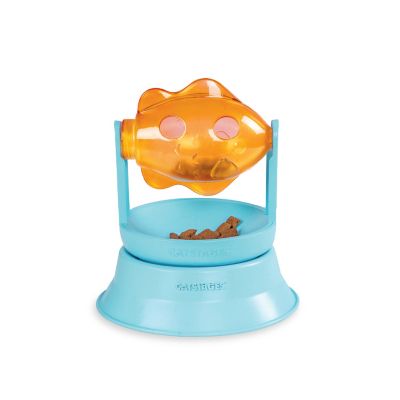
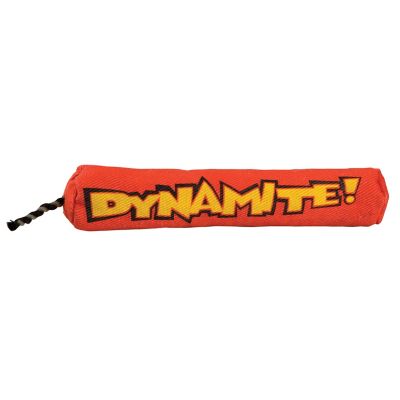
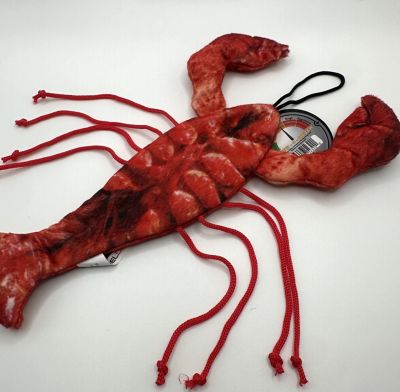
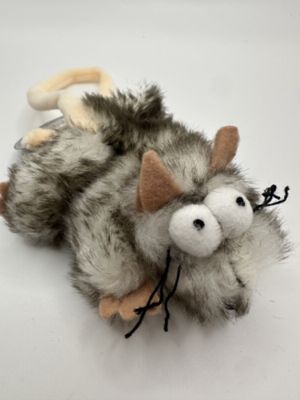
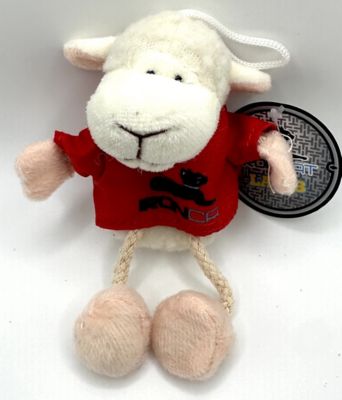
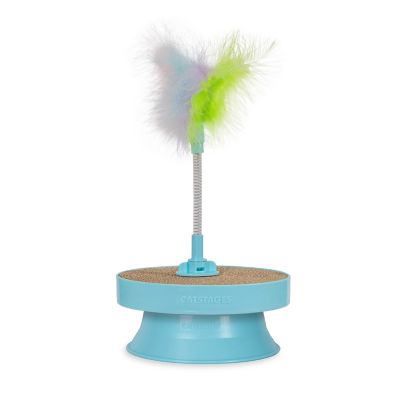
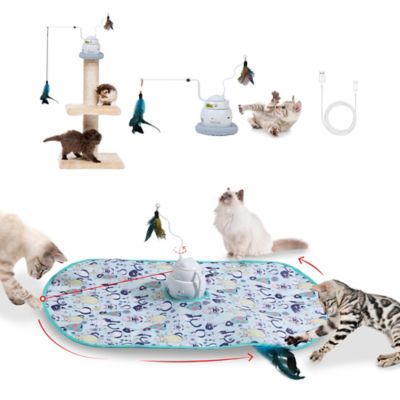
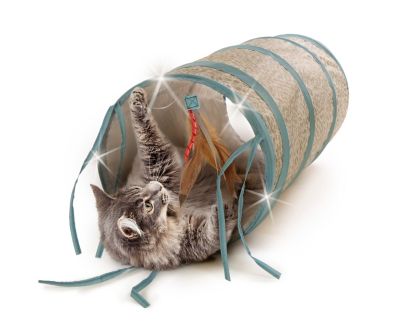
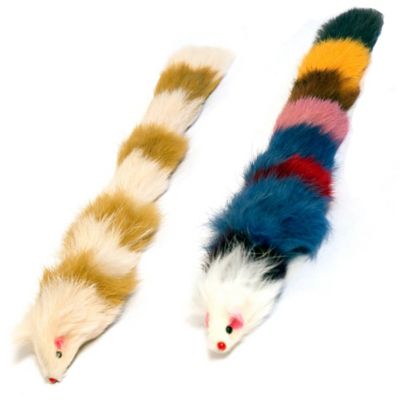
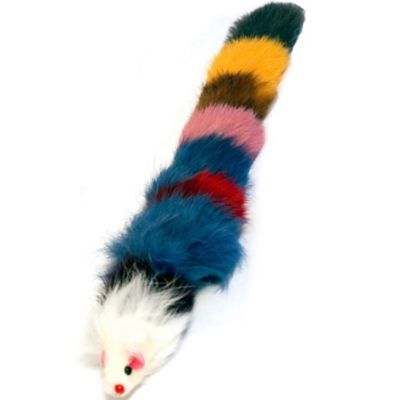
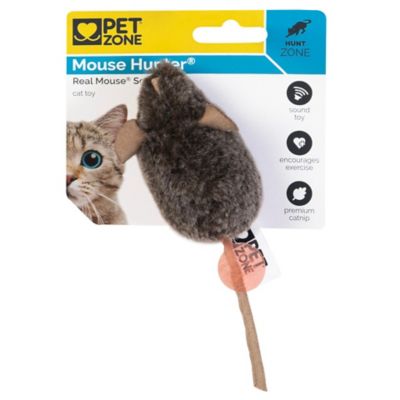
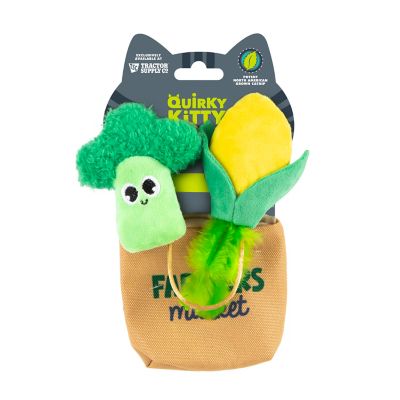
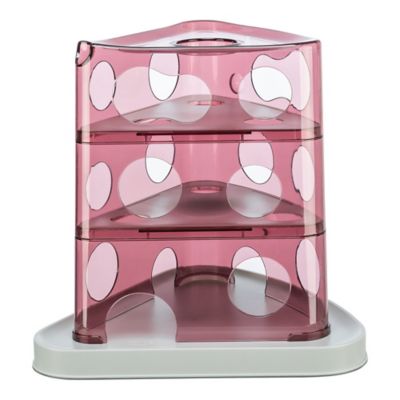
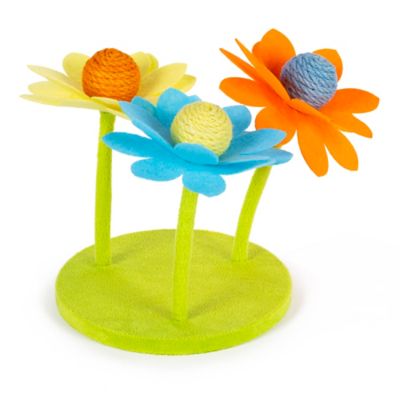
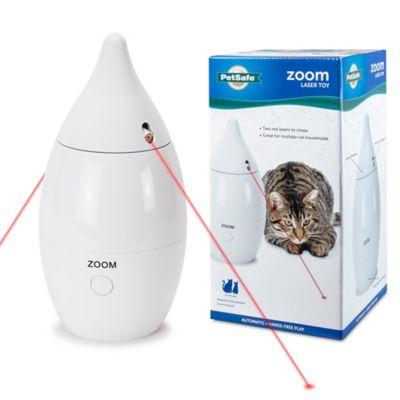
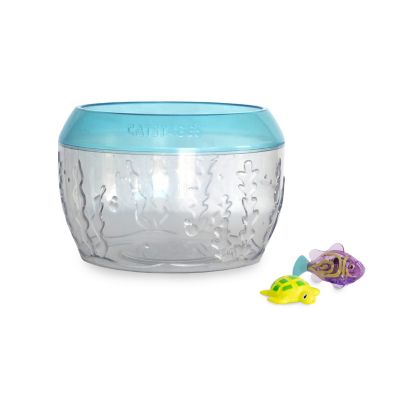
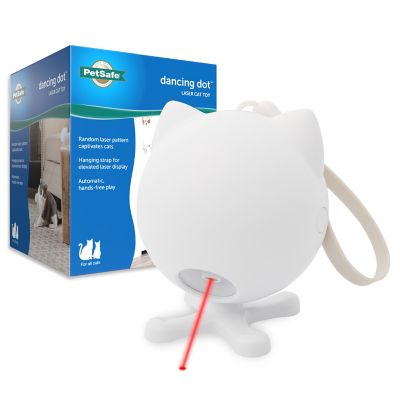
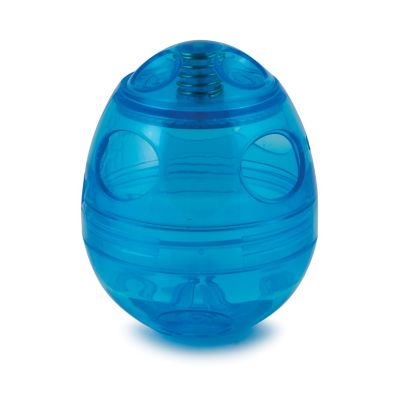
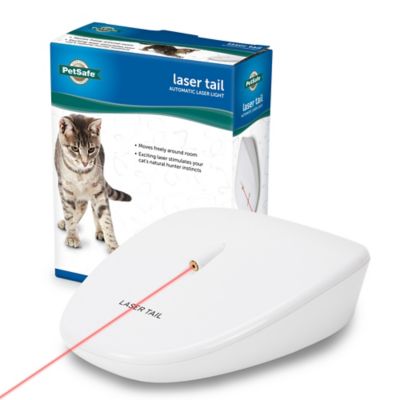
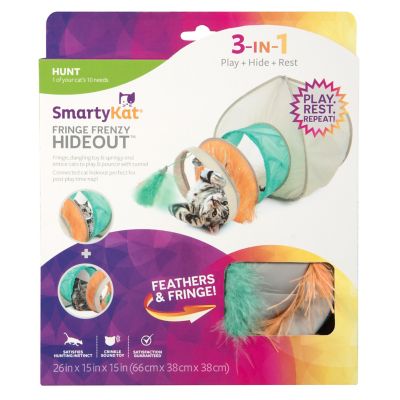
Cat toys for self play give cats something to chase, bat, paw or investigate without a person moving a wand or tossing a ball each time. They tap into the same hunting behaviors cats show when they crouch behind a chair, watch a moving shadow or pounce on a scrap of paper. Common types include enclosed ball tracks, rolling toys, crinkle toys, food puzzles and battery-powered motion toys. Each offers a different kind of activity: a track keeps a ball within reach, a puzzle rewards pawing and problem-solving, and a motion toy can encourage short bursts of chasing. Simple toys can be just as engaging as powered ones, especially for a cat that likes carrying soft shapes from room to room or batting something across a smooth floor. Texture and sound matter, too. A soft fabric surface gives a cat something to grab and kick, while a crinkly layer or enclosed rattle adds a little feedback with every swat. Catnip-filled toys may appeal to some cats, though not every cat responds to catnip, and a lack of interest does not mean anything is wrong. Self-play options suit indoor cats, active young cats and older cats that still enjoy an easy pawing game from a favorite resting spot. Their role is to add activity and variety between shared play sessions, not replace attention from people. A cat batting a ball around an enclosed track beside the kitchen table is getting a different experience from one working kibble out of a puzzle near a scratching post. Having a few different play styles gives a cat more ways to stay interested without filling every corner of the house. The right match depends less on how busy a toy looks and more on what that particular cat already enjoys doing.
Materials, construction and size help determine how a self-play toy fits into everyday life. Molded plastic tracks and puzzle bases often have wipe-clean surfaces, while fabric toys offer softer places to bite, hug and kick. Cardboard components can provide a satisfying scratching texture, but they generally need replacement once they become heavily torn or soiled. Fabric seams, enclosed sound components and securely attached parts deserve a close look, especially for cats that chew hard or pull at edges. A toy should be large enough that the cat cannot swallow it, with openings that do not trap a paw or jaw. Kittens need sizing suited to their smaller bodies, and a toy that fits well at first may need another look as they grow. For larger cats, a broad base and enough room to reach moving parts can make floor toys easier to work with. Low openings and light resistance may suit older cats better than deep compartments or a setup that calls for repeated jumping. Care needs vary by material, so cleaning should follow the label rather than assume every toy can go in the washing machine or dishwasher. Food puzzles need regular washing and thorough drying, particularly when food collects in narrow channels. Fabric toys need checks for loose stuffing, frayed seams and lingering dampness. Battery-powered toys bring a few extra considerations, including a secure battery compartment, accessible controls and charging cords kept out of reach. Some moving toys roll best on hard floors, while others can work on low-pile carpet; the stated surface requirements matter in a house with mixed flooring. Self play does not automatically mean safe without supervision. Watching the first several sessions helps reveal whether a cat tries to swallow parts, overturn the base or chew through a covering. Strings, ribbons, elastic cords and detachable pieces call for particular caution, and toys labeled for supervised play belong put away when that session ends. Damaged toys need to come out of the rotation rather than stay down for one more game.
Matching the activity to the cat’s habits can make browsing cat toys for self play a lot more useful. A cat that waits behind furniture before darting out may enjoy intermittent movement, while one that fishes under doors may take to a track or puzzle with reachable openings. A cat that carries socks down the hall may prefer soft, easy-to-grip toys over something that flashes or makes noise. Noise-sensitive cats often do better with quiet movement and familiar textures than sudden mechanical sounds. For food-motivated cats, treat-dispensing puzzles add a reason to investigate, with an easy starting level helping prevent frustration. Food placed inside should count toward the cat’s daily portion, and treat size needs to suit the openings so pieces do not jam. In homes with more than one cat, separate play areas can give a shy cat room to explore without competing with a bolder housemate. Placement makes a difference even in a one-cat home: a steady, level spot away from stairs, water bowls and busy walkways leaves room for a chase without putting the toy underfoot. A loose ball that disappears beneath an appliance after one swat offers less lasting engagement than a contained option in that same room. Rotating a small selection can renew interest, especially when a familiar toy comes back after a spell in the cupboard. For a broader look at activities that encourage exploration,
Cat Toys for Bored Cats offers another way to browse by play needs. These toys can also make thoughtful gifts for a cat-owning friend or a household welcoming a new companion, particularly when chosen around the cat’s age, size and known preferences. The goal is an inviting bit of everyday activity: something a cat can approach at its own pace, investigate with a paw and return to when the urge to play strikes.