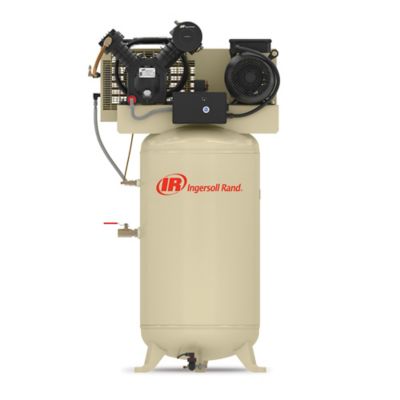
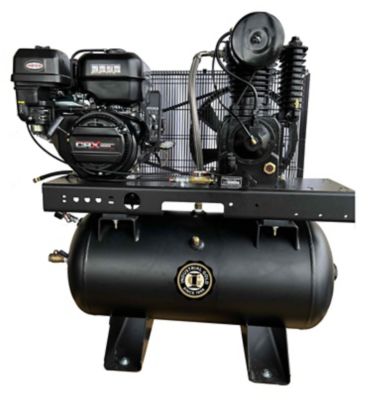
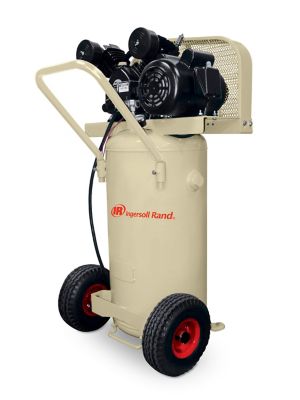
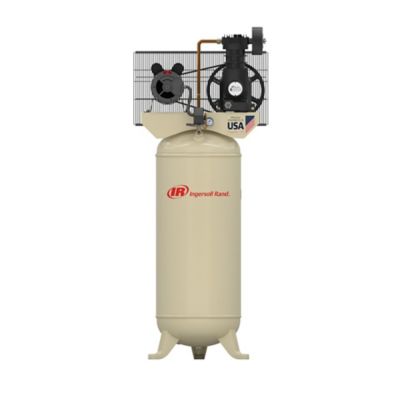
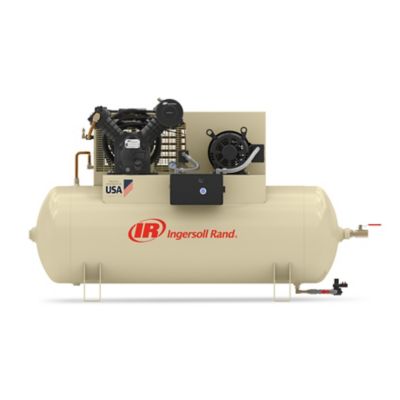
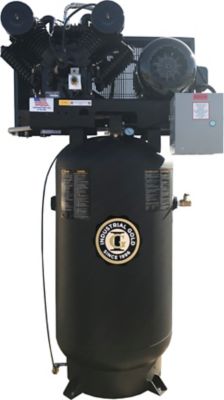
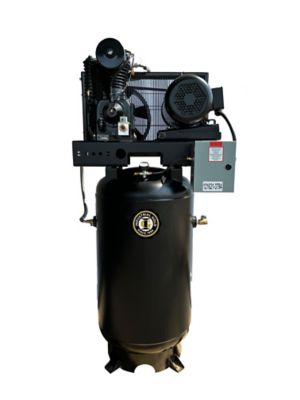
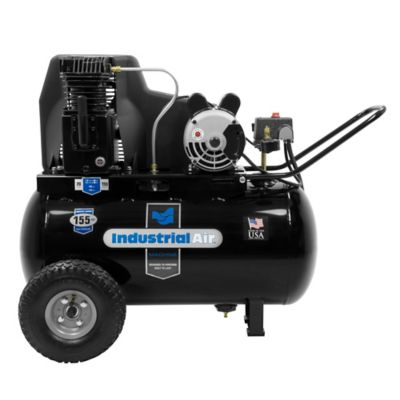
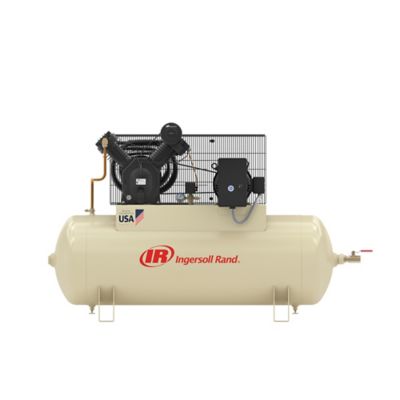
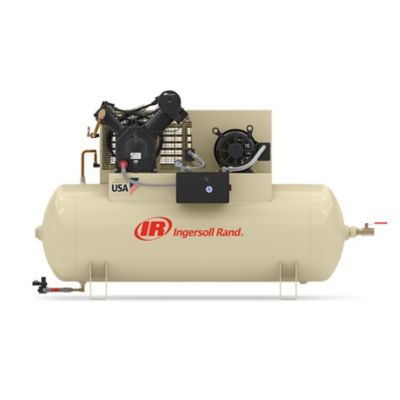
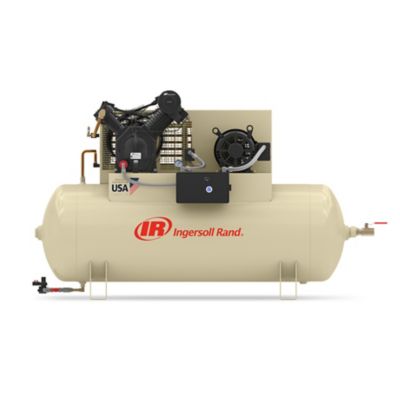
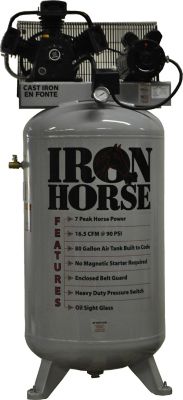
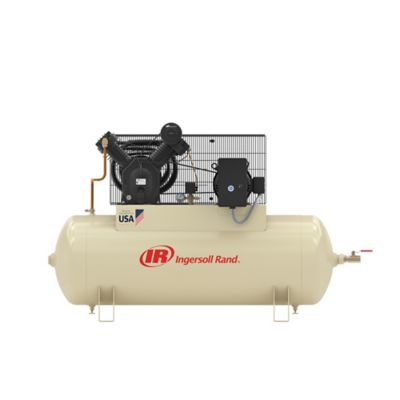
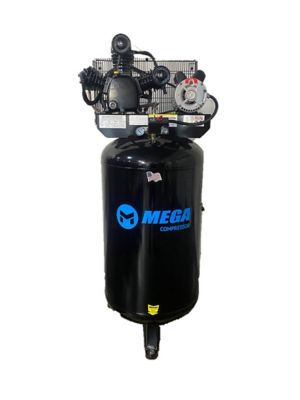
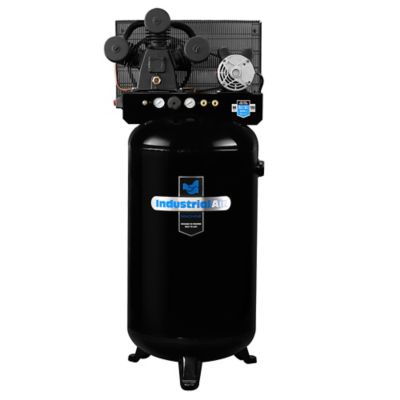
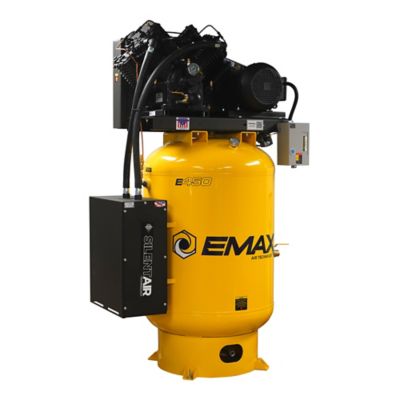
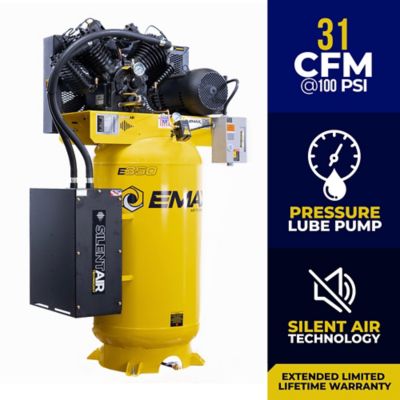
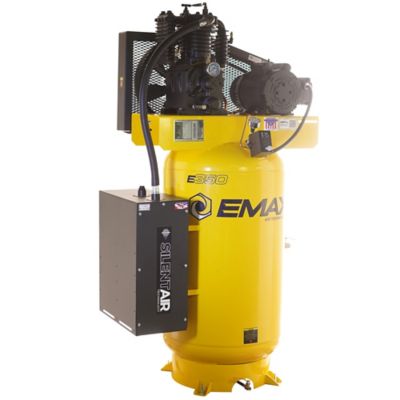
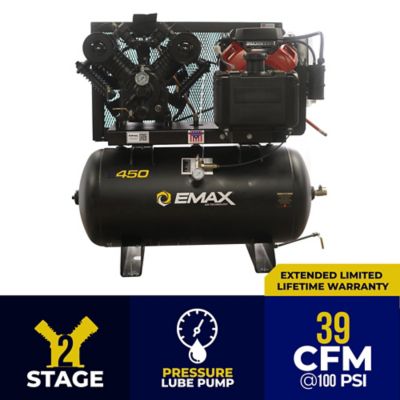
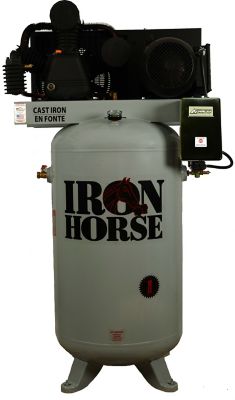
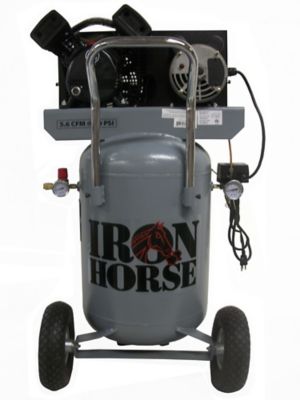
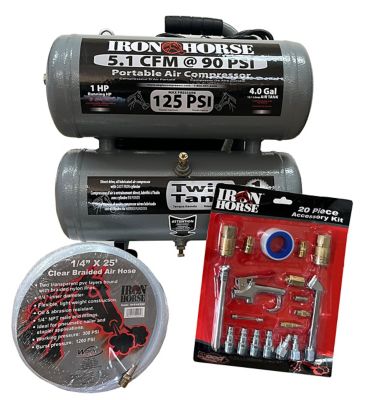
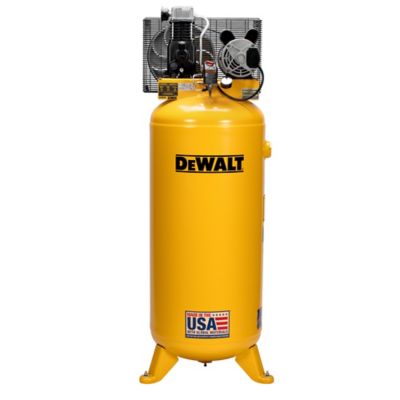
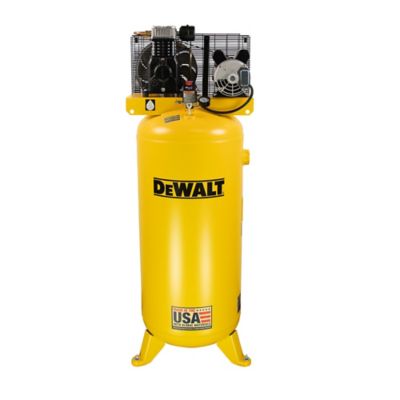
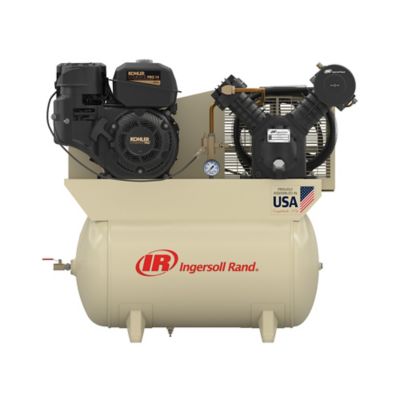
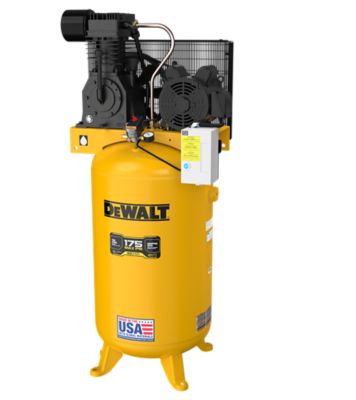
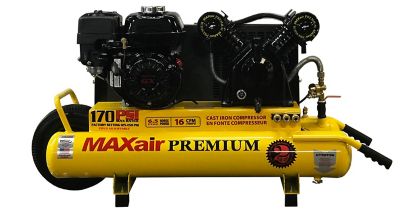
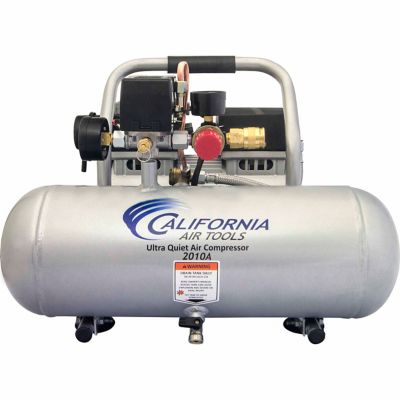
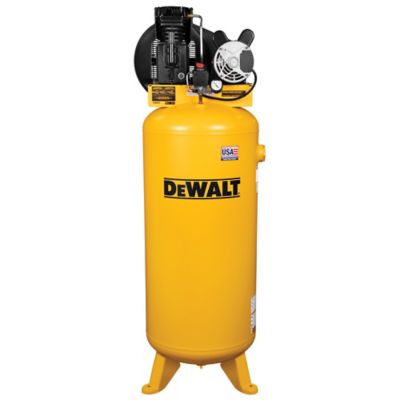
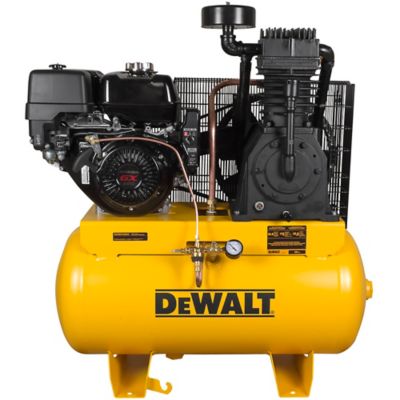
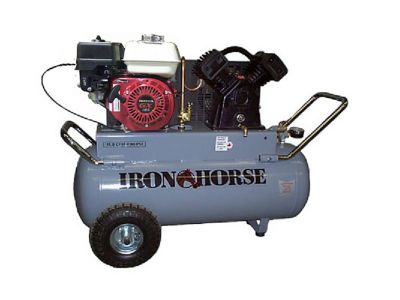
Cast iron air compressors are a good fit for farm shops, garages and repair bays where air tools get regular work. The cast iron is generally in the pump, not the air tank. Some pumps have a cast iron body and cylinders, while others pair cast iron cylinders or sleeves with parts made from other metals. Those cylinder surfaces stand up to the repeated motion of the pistons, and the added weight can help dampen vibration. That doesn’t make every cast iron compressor quiet: Pump speed, mounting and where the machine sits all affect how much noise carries across the shop. Many cast iron pumps are oil-lubricated, with oil inside the crankcase to reduce wear on moving parts. On some belt-driven designs, the pulley arrangement lets the pump turn more slowly than the motor, which can also help limit wear. These features make sense in a shop where the compressor has a regular spot and might handle anything from airing up implement tires to running a ratchet on a stubborn bracket. A stationary setup can feed an air line along the wall, leaving room around the bench for parts and keeping the compressor out of the path of equipment. A wheel-mounted setup makes more sense when the air supply needs to move between work areas, but a cast iron pump can still make the machine a load to lift into a truck bed. For work that involves frequent moves,
Aluminum Air Compressors offer a point of comparison because aluminum pump parts can cut weight. The tank, motor and frame count toward the total, too, so the pump material alone won’t tell the whole story.
The kind of work on the bench matters more than tank size or horsepower alone. An impact wrench takes air in bursts as lug nuts come off, while a sander or die grinder can draw air for as long as the trigger stays down. The tank holds a reserve for those short bursts, and a larger tank can give the crew more time between pump starts. It can’t make up for a pump that delivers less air than a tool draws over a long stretch. The airflow rating, often listed in standard cubic feet per minute (SCFM), tells more when it’s compared at the pressure the tool calls for, measured in pounds per square inch (PSI). That distinction matters in a shared shop where somebody may be running an air ratchet at one bench while a grinder runs at another. The air demand overlaps, even if neither tool looks especially demanding on its own. Hose length, inside diameter and fittings also affect how much air reaches a tool, especially at the far end of the shop. Single-stage pumps compress air in one step and can cover plenty of everyday tire and repair work. Two-stage pumps compress it in two steps and are often a better fit where higher tank pressure is needed, though the airflow rating still matters for either design. Higher tank pressure doesn’t mean higher pressure at the tool; the regulator controls what goes down the line. For work that keeps the pump busy, the duty-cycle rating is worth a close look. It describes how much of a given period the pump is designed to run under stated conditions. A cast iron pump isn’t automatically rated for nonstop operation, no matter how substantial the machine looks.
A compressor that fits the shop leaves enough room to do the little jobs that keep it running. An upright tank can save floor space along a crowded wall, while a horizontal setup may fit better where overhead clearance is limited. Either layout needs room for airflow around the pump and motor and enough space to reach the oil fill, intake filter and tank drain. On a stationary electric setup, the motor’s voltage and circuit requirements matter just as much as the footprint. A spot that looks open on paper may be a poor fit if it blocks service access or if the electrical supply doesn’t match the machine. For an oil-lubricated pump, routine care includes checking the oil level, changing the oil on the maker’s schedule and tending to the intake filter so it can do its job around grinding dust and sawdust. The tank needs attention for a different reason: Moisture drops out of compressed air and collects at the bottom. Draining that condensate as directed helps limit rust inside the tank. A drain that’s easy to reach is a practical detail, especially once a machine is tucked between a wall and a workbench. Where air feeds a paint gun, moisture separation and filtration in the line matter more than they do for filling a tire, since water or oil can spoil a finish. A compressor that spends most of its time topping off tires and loosening fasteners will have a different workload from one that feeds a sander through a long stretch of bodywork. In either shop, the best fit comes down to how much air the tools draw, how long they draw it and whether there’s room to keep the compressor serviced once it’s in place.