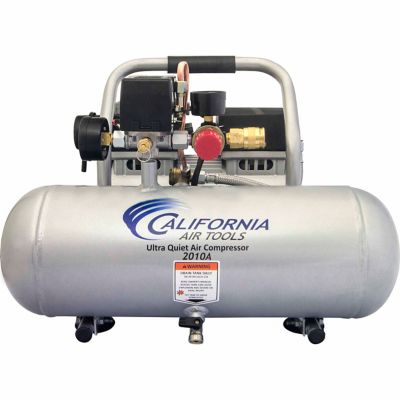
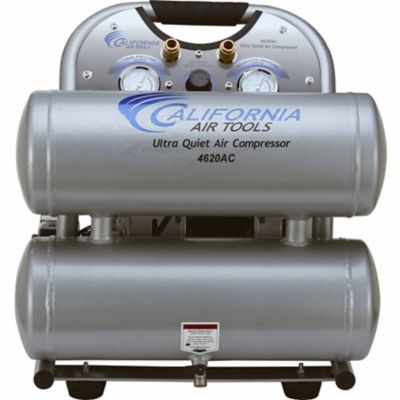
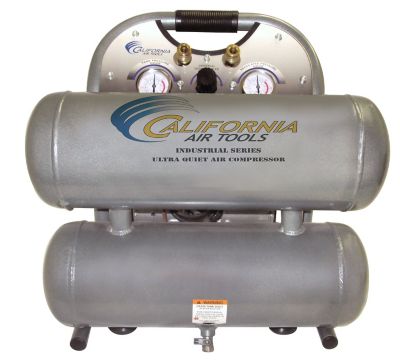
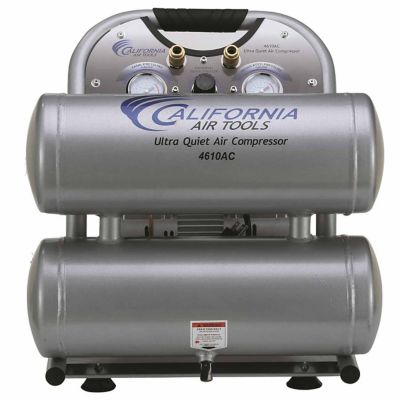
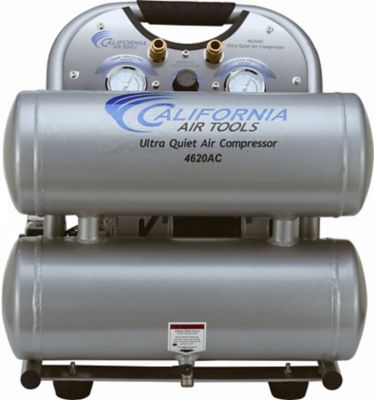
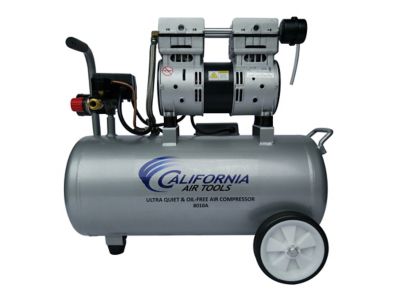
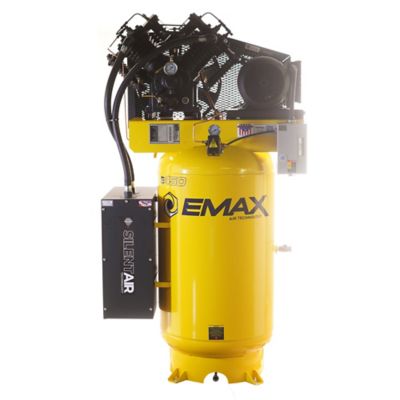
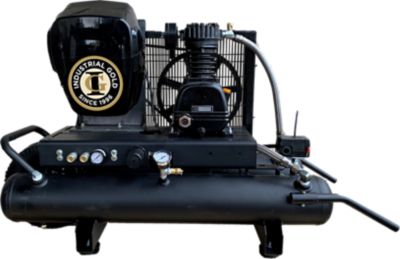
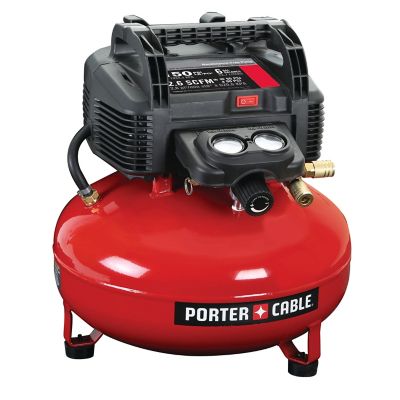
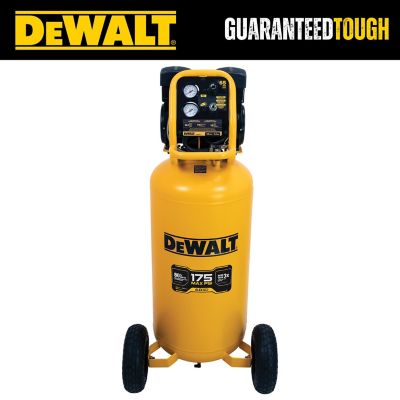
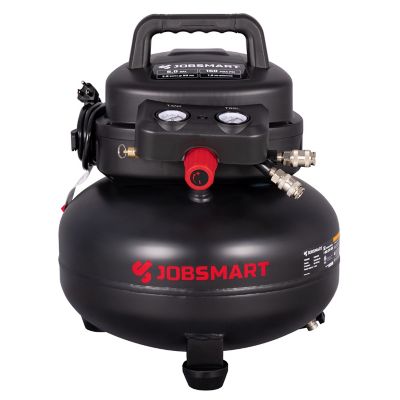
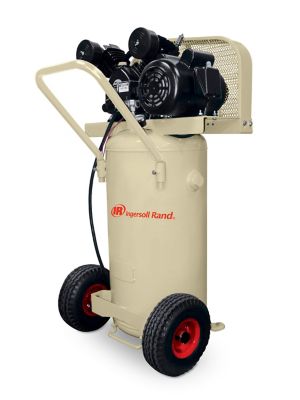
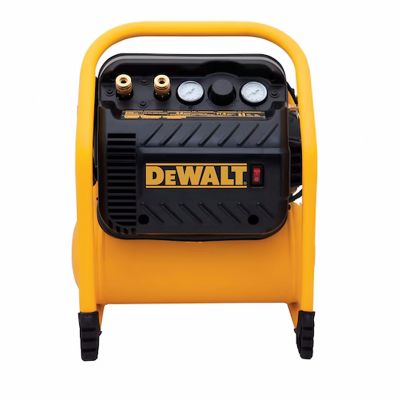
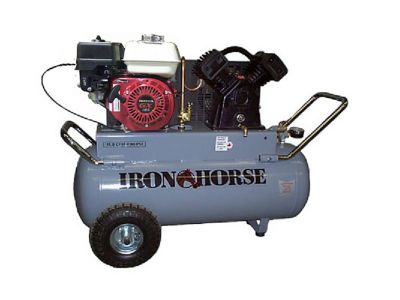
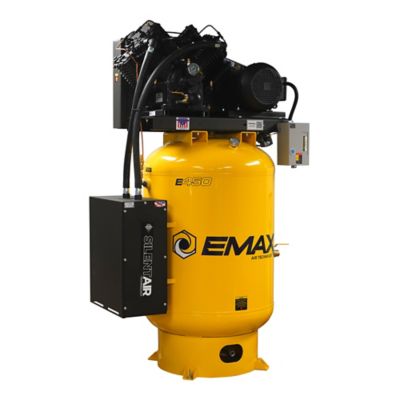
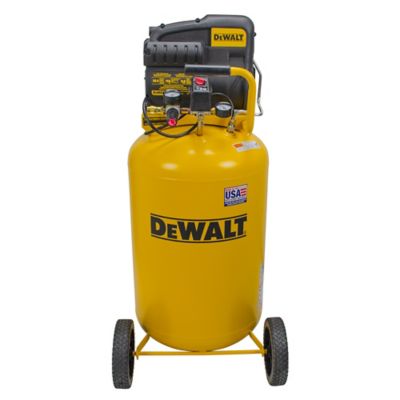
Aluminum air compressors bring portable compressed air to garages, farm shops and jobsites where carrying less weight can make a full day of work a little easier. In this category, aluminum often refers to the air tank, though a compressor may also have aluminum pump components or housings. That distinction matters: an aluminum pump mounted on a steel tank does not offer the same tank-weight or corrosion benefits as an aluminum-tank compressor. Aluminum is lighter than steel by volume, so an aluminum tank can help reduce carrying weight compared with a similarly sized steel tank, although total machine weight depends on the motor, pump, frame and other parts. Aluminum also develops a protective oxide layer and does not form the red iron rust associated with steel. That makes it a practical tank material, but not a reason to overlook drainage, inspection or care. Moisture still collects when air is compressed, and aluminum can corrode under certain conditions. For someone moving between a bench project and a tire in the equipment shed, the appeal is straightforward: a manageable machine that brings air where the job is. A compact compressor can suit a homeowner handling inflation and trim work, a woodworker driving brads, or a maintenance worker making repairs around an outbuilding. Handles, balance and footprint matter just as much as the material itself. A well-positioned grip helps when lifting a unit over a shop threshold, while wheels can make a larger tank easier to move across a firm, level floor. Protective frames and recessed controls can help keep gauges and fittings out of the path of everyday bumps. Overall dimensions also affect whether a compressor fits beneath a workbench or travels comfortably with other equipment. Aluminum construction is one part of that fit, alongside the weight of the complete unit and the space needed to operate it with proper ventilation.
The best match between an aluminum air compressor and a job comes down to air delivery, not tank size alone. Tank capacity describes stored air, while airflow ratings describe how much air the pump can supply. Standard cubic feet per minute, or SCFM, should be considered at the pressure required by the connected tool, typically expressed in pounds per square inch, or PSI. A high maximum PSI rating does not automatically mean a compressor can keep up with a tool that draws a steady stream of air. Brad nailers and finish nailers generally take short bursts, giving the pump opportunities to refill the tank between shots. Sanders, grinders and many spray guns demand more continuous airflow, making pump output and duty cycle especially important. A larger tank can stretch the time before the motor starts again, but it cannot make up for an undersized pump during sustained work. Around a farm shop, that difference shows up when switching from topping off a small tire to running an impact wrench through a longer repair. Tire size, starting pressure and the compressor’s output all affect inflation time, and an air tool’s published requirements help establish a sensible match. Duty cycle describes the operating and rest periods a compressor is designed to handle; exceeding that rating can lead to overheating and unnecessary wear. For heavier workloads,
Professional Air Compressors offer a related category to consider alongside the demands of the tools and the length of each work session. Power requirements belong in the same comparison. Outlet voltage, circuit capacity and starting demand influence where an electric compressor can operate. Hose length and inside diameter also affect performance at the tool, especially with higher airflow demands. Compatible couplers, properly rated hoses and a regulator that supports the task help make the whole setup work together. A compact footprint is handy, but adequate airflow and the right connections are what let a compressor earn its place beside the workbench.
Pump design, sound levels and routine care round out the everyday picture. Many portable aluminum-tank air compressors pair the tank with an oil-free pump, but tank material and pump lubrication are separate features. An oil-free design eliminates routine pump-oil changes and reduces the chance of lubricant entering the air stream from the pump. It does not remove water vapor, dust or every other contaminant, so painting and other air-sensitive work may still call for moisture separation and filtration matched to the application. Compressed air from an ordinary shop compressor is not breathing air. For a woodworker spraying a small project or someone operating an airbrush, clean hoses and suitable air treatment matter alongside steady pressure. Sound deserves similar attention. An aluminum tank alone does not make a compressor quiet; motor speed, pump design, vibration control and placement all contribute. Published decibel ratings are most helpful when the measurement conditions are comparable, and a lower sound rating does not replace hearing protection when the work area calls for it. Rubber feet can limit vibration transfer on a solid floor, while enough clearance around the machine supports cooling and access to controls. Long service life also depends on small maintenance details that are easy to overlook during a busy day. Following the manufacturer’s tank-draining procedure helps manage collected moisture, even when the tank cannot develop iron rust. An accessible drain valve makes that routine less awkward, and visible gauges make it easier to monitor tank and outlet pressure. Air filters, hoses, fittings and safety devices need the inspections specified in the owner’s manual. A damaged pressure tank calls for qualified evaluation or replacement rather than a patched repair. Secure transport protects the controls and keeps the machine from shifting among other tools. For a practical gift, an aluminum air compressor makes the most sense when the recipient’s tools, power supply and workspace are already known. Whether it stays beside a garage bench or travels between repair jobs, the right combination of carrying weight, airflow, tank capacity and straightforward upkeep supports useful work without taking over the whole shop.