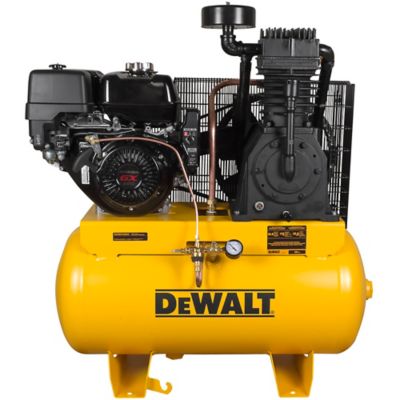
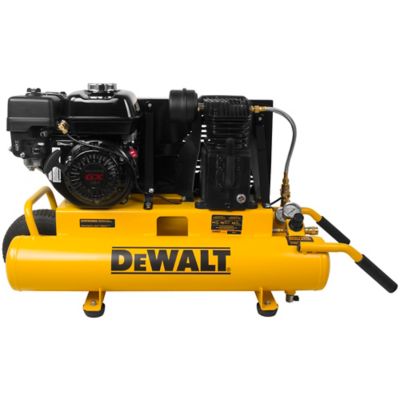
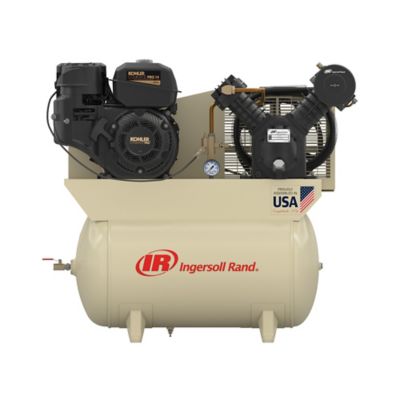
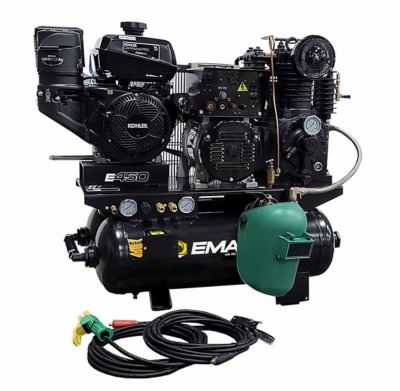
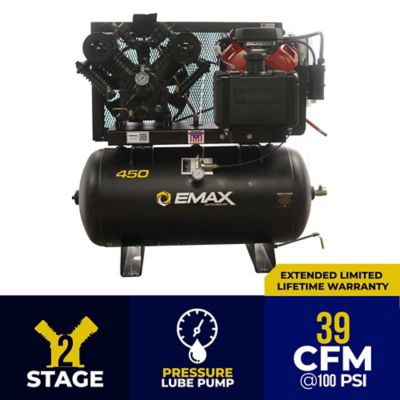
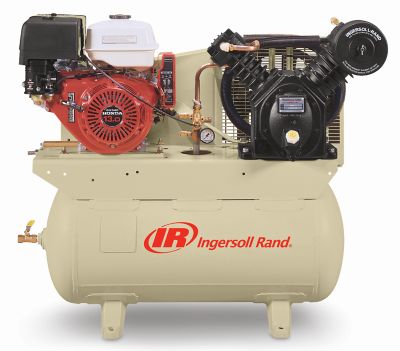
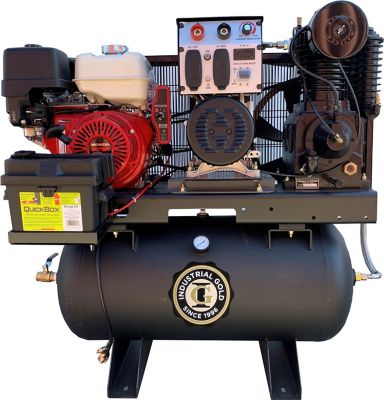
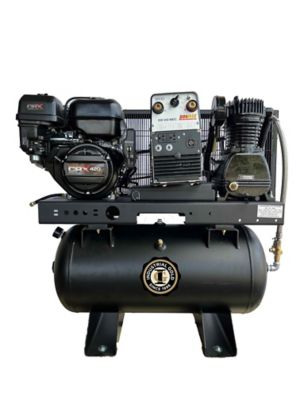
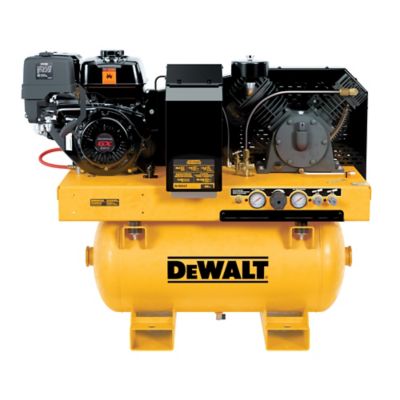
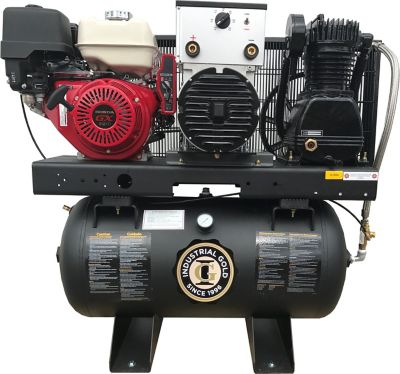
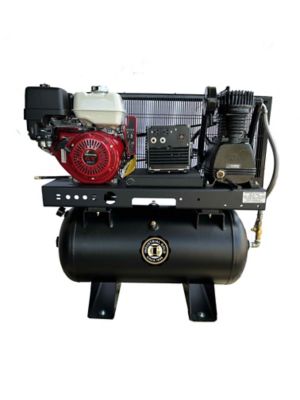
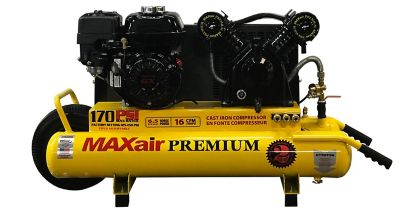
Gas powered air compressors bring dependable air power to places where an electrical outlet is out of reach. Instead of relying on a long extension cord or a portable generator, these machines use a gasoline engine to drive a piston pump, making them a practical choice for farms, ranches, construction sites, roofing crews, fencing jobs and roadside service work. They can help run pneumatic nailers and staplers, inflate large tires, operate impact wrenches, power certain chipping or demolition tools, and handle other demanding tasks that call for steady compressed air. A portable unit can follow a crew from the barn to the fence line, while a truck-mounted setup can stay with a service vehicle and provide air wherever repairs are needed. Contractors working on new builds, farmers maintaining equipment and property owners tackling big outdoor projects may all find a gas powered compressor useful, especially during the cooler months when outdoor repairs and construction still need to move along despite limited access to power. For shoppers comparing air equipment, the wider selection of
Motorized Air Compressors can also help put gas powered options in context alongside other compressor styles. These machines tend to be a better fit for regular work than for occasional household inflation, but they can make a thoughtful gift for a serious do-it-yourselfer, working tradesperson, farmhand or equipment owner who spends more time outside than near a workshop outlet.
Start by matching the compressor to the tools you plan to use. The most important number is usually the air delivery rating, measured in cubic feet per minute, or CFM, at a stated pressure. A framing nailer or tire inflator may need much less air than a high-demand impact wrench, paint sprayer, sandblaster or jackhammer. Check the tool manufacturer’s requirements and choose a compressor that can meet the highest CFM demand with some room to spare; a unit that constantly struggles to keep up may cycle more often and slow down the job. PSI, or pounds per square inch, tells you the pressure the compressor can build, but a high PSI number by itself does not guarantee enough air volume for every tool. Tank size matters, too. Smaller wheelbarrow-style units with roughly 8- to 10-gallon tanks are often easier to move across a jobsite and can suit roofing, framing and punch-list work. Mid-size horizontal compressors around 20 gallons offer a useful balance of capacity, portability and stability for general contractors, repair work and property maintenance. Larger truck-mounted or stationary units with tanks around 30 gallons or more are built for heavier service, greater reserve capacity and frequent use from a dedicated vehicle or work area. Think about the ground where the compressor will travel, the vehicle carrying it and the people who will load or unload it. A single-wheel wheelbarrow design may roll well over packed dirt and gravel when handled carefully, while larger wheels or semi-pneumatic tires can make a noticeable difference around a barn, job trailer or rough building site. A compact footprint is handy in a service truck, but enough clearance around the engine and pump is important for cooling and routine checks.
Gas powered equipment rewards a little preparation. Before each use, inspect the hoses, fittings, belts, guards, tires and fuel system, and check the engine oil and pump oil according to the owner’s manual. Keep connections tight, drain moisture from the tank as directed and replace worn air hoses before they become a problem. Fuel the unit outdoors with the engine shut off and cooled down, and store gasoline only in an approved container away from sparks, flames and other ignition sources. Run a gas powered compressor outdoors in a well-ventilated area, never inside a house, barn, garage, shed, trailer or other enclosed space; gasoline engines produce carbon monoxide, an odorless and potentially deadly gas. Set the compressor on firm, level ground so vibration does not make it shift, and leave clear space around the exhaust, air intake and cooling areas. Hearing protection, eye protection, work gloves and sturdy footwear are sensible choices when using loud equipment or pneumatic tools. On a busy farm or jobsite, keep bystanders away from moving parts, pressurized hoses and flying debris, and release pressure before servicing fittings or tools. As the weather moves from warmer workdays into cooler conditions, keep an eye on fuel storage, condensation and cold-start procedures, following the manufacturer’s recommendations for oil, maintenance intervals and seasonal storage. With the right CFM, tank capacity, mobility and safety habits, a gas powered air compressor can provide steady, useful air power for fence repairs, equipment maintenance, construction and all the outdoor jobs that do not wait for a convenient power outlet.