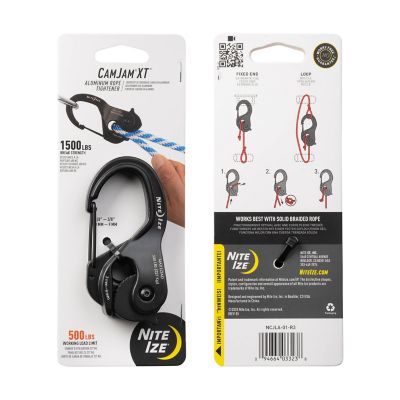
Cable loop clamps are fittings that hold cables, electrical wiring, hoses, or tubing in place, usually by wrapping around the line and fastening to a supporting surface with a screw or bolt. The name can also refer to wire-rope clips that secure the returned end of a steel cable to form a loop, or eye. Those are different jobs: a mounting clamp supports and routes a line, while a wire-rope clip helps make a cable connection. That distinction matters whether the work involves a trailer wiring harness, a line along a workshop wall, or a cable assembly on farm equipment. Loop-shaped mounting clamps, sometimes called P-clamps because of their side profile, keep runs close to a frame, panel, or bracket instead of leaving them hanging loose. A properly matched clamp can limit movement that lets a cable rub against a sharp edge, catch on a nearby part, or sag into a work area. Cushioned versions place a lining between the metal band and the line, helping protect the outer covering from direct contact with the clamp. Unlined versions suit applications where direct metal contact is acceptable and the fitting is intended for that purpose. Farmers, ranchers, mechanics, electricians, and folks maintaining trailers or shop equipment all have reasons to keep cable routing neat and secure. Behind a workbench, clamps can help separate a wiring run from tools and moving drawers. Along a trailer frame, they can support a harness away from parts that travel or pivot. Around machinery, their placement needs to account for service access and normal equipment movement. A tidy installation is more than a matter of appearance; it makes lines easier to trace and leaves less loose material in the way when repairs come around. These clamps support a line at its mounting points, but they do not replace electrical junction fittings, protective conduit, strain relief, or other components required for the installation.
Material and fit play a big part in how a cable loop clamp performs over time. Steel provides a firm band around the line, while plated or coated steel adds a protective surface that helps limit corrosion under suitable conditions. Stainless steel is another consideration where moisture, washdown, or contact with corrosive substances is part of the job, although its suitability still depends on the grade and the substances involved. Nonmetallic clamps offer another approach for certain routing applications, with their own limits for load, chemical exposure, and mounting conditions. On cushioned metal clamps, the liner material matters just as much as the band. Contact with oil, fuel, cleaning solutions, or hydraulic fluid can affect different cushioning materials differently, so compatibility belongs alongside size when comparing fittings. Fit starts with the outside diameter of the cable, hose, tube, or bundle the clamp will surround. For a mounting clamp, that means the complete outside measurement, including the jacket or covering, rather than the size of the conductor inside. Cushion thickness also affects the space inside the loop. A clamp that is too roomy can allow movement, while one that squeezes too tightly may pinch a hose or damage a cable jacket. Mounting-hole diameter, band width, and the clearance around the attachment point affect the match as well. A narrow frame rail, a recessed panel, and a flat shop bracket each leave different amounts of room for the hardware. The screw or bolt, washer arrangement, and supporting surface all contribute to the attachment; the clamp alone cannot make a weak mounting point stronger. On equipment with moving parts, the line may need enough freedom to follow its intended path without pulling against the clamp or folding into a tight bend. Keeping a harness away from a hinge, belt, or rotating shaft takes more than a snug loop. It takes a mounting location that suits the way the equipment actually operates.
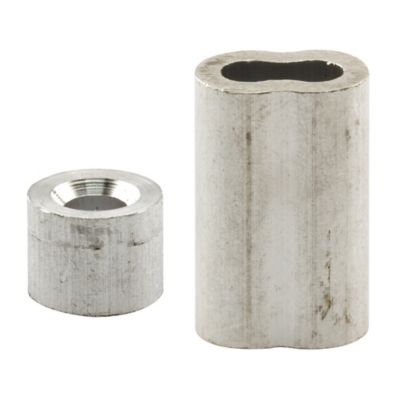
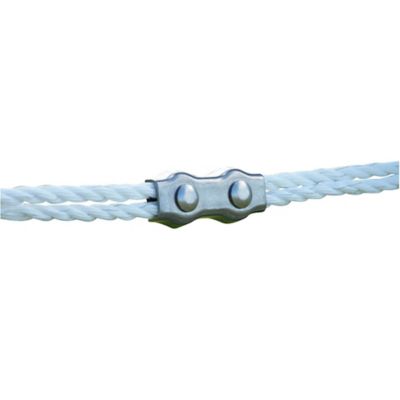
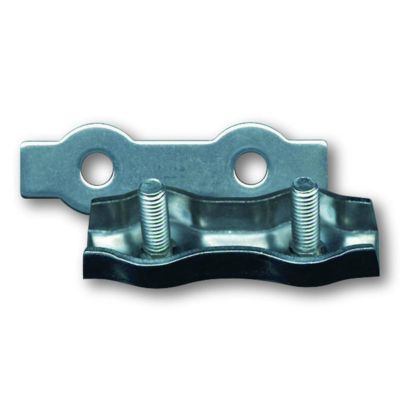
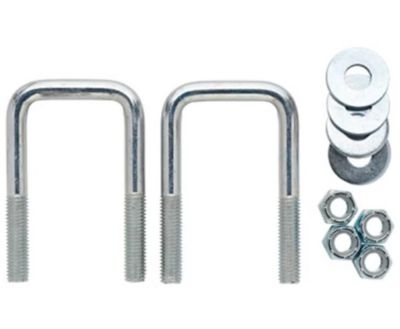
Wire-rope loop connections bring a different set of considerations. In this application, a clip holds the returned cable end alongside the standing section of rope, and some assemblies include a thimble inside the eye to support its shape and reduce wear at the contact point. Cable diameter, rope construction, clip design, and the manufacturer's stated application all affect compatibility. The apparent size of a fitting is not enough to establish its working limits. Related hardware such as
U Bolt Clamps also needs to match the job; a similar shape does not make two fittings interchangeable. Wire-rope connections may call for a specified number of clips, spacing, orientation, tightening torque, and follow-up checks, all determined by the fitting and rope manufacturer's requirements. A cable connection for a stationary support is not automatically suitable for overhead lifting, towing, or another demanding application. General-purpose mounting clamps likewise are not substitutes for load-rated cable terminations. For either style of cable loop clamp, care centers on the condition of the fitting, the line it holds, and the attachment point. A cracked cushion, bent band, missing fastener, damaged threads, or visible corrosion can affect how the assembly performs. Shiny rub marks on a cable jacket or frame can point to movement, while flattened covering or a sharply bent hose may signal a poor fit or routing problem. Dirt and residue around a mounting point can hide those signs, so accessible hardware makes routine inspection easier. Cleaning methods need to suit the clamp finish, liner, and cable covering rather than introducing a solvent that harms one of them. On working trailers, tractors, and shop equipment, cable loop clamps earn their place by keeping necessary lines supported without getting in the way of maintenance. Matching the fitting to the line, mounting surface, and task helps keep that small piece of hardware doing its part.