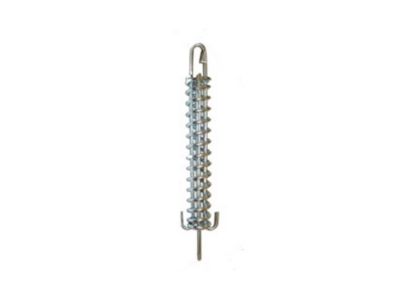
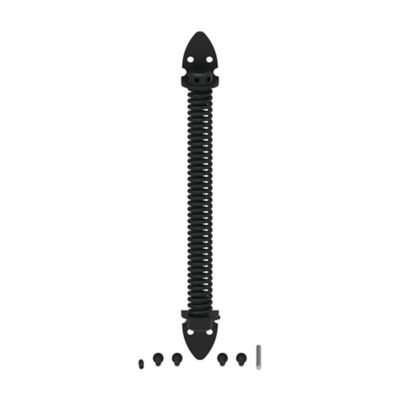
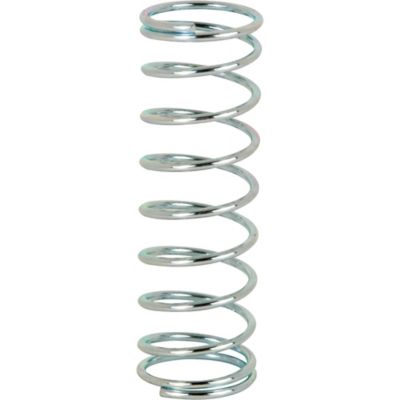
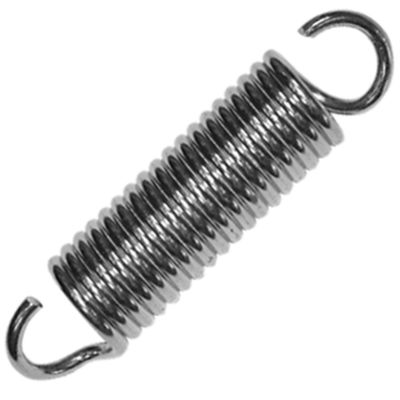
Tension springs, also called extension springs, are hardworking mechanical parts made to stretch under a pulling force and return toward their original shape when that force is released. They are built from tightly wound coils of spring wire and commonly have a hook or loop at each end for fastening to two points. As the spring extends, it stores energy; as it contracts, that stored energy helps move, hold, or return another part. You may find tension springs in farm equipment, gates, shop fixtures, garage doors, trailer components, small engines, clamps, screens, reclining seats, and many other everyday mechanisms. They can also be used in agricultural machinery and production equipment where a part needs steady pull without a motor or complicated actuator. Around a homestead, a properly matched spring may help with a latch, lever, cover, tensioning system, or repair on an older piece of equipment. During warmer weather, they can be handy for maintaining outdoor equipment, screens, gates, and animal-care setups, while during the cooler months they may be part of repairs that keep shop tools, garage hardware, and household mechanisms working smoothly. Because they are small and easy to overlook, a worn tension spring is often the reason a familiar mechanism feels loose, fails to return, or no longer holds its position. Replacing the spring with the right size and strength can restore the original action without replacing the whole assembly. For larger equipment, machinery, or demanding repair work, browsing related
Industrial Springs can help you find options suited to heavier-duty applications. Tension springs are generally selected by their wire diameter, outside coil diameter, free length, hook style, material, and working load. The free length is measured with the spring relaxed, from the inside of one end hook to the inside of the other, unless the manufacturer specifies another method. Coil diameter and wire thickness both affect how much force the spring can provide, but a thicker-looking spring is not automatically the right replacement. The spring must fit the available space and work within the travel of the mechanism without being stretched beyond its safe limit.
Before choosing a replacement, remove the old spring if it can be done safely and record its measurements while it is relaxed. Measure the wire diameter with calipers when possible, then check the outside diameter, coil length, overall free length, and distance between attachment points. Take note of the end style as well. Some springs use standard machine hooks, while others have side hooks, extended hooks, crossover hooks, or loops positioned to fit a particular assembly. A spring with the wrong hook orientation may twist, rub against nearby parts, or pull at an angle. It is also useful to identify the operating load, meaning how much force the spring needs to provide when extended to its normal working length. If the old spring is stretched, bent, rusted, or missing, use the equipment manual, a parts diagram, or the original specifications instead of guessing from its stretched condition. Check the maximum extended length and the amount of initial tension, which is the built-in force that keeps the coils together before the spring is pulled. Two springs that look nearly identical can behave differently because of variations in wire size, coil diameter, material, or initial tension. Music wire and hard-drawn steel are common choices for general mechanical use and provide useful strength in clean, dry settings. Stainless steel, including 304 or 316 stainless, is often considered where moisture, washdown, outdoor exposure, or corrosive conditions may shorten the life of ordinary spring steel. Even corrosion-resistant material should be matched to the environment, since salt, fertilizer dust, animal waste, and standing water can be tough on hardware. Think about the full path of movement before ordering: the spring should pull in line with the load, have room to extend without binding, and avoid contact with sharp edges or hot surfaces. A light coating or suitable lubricant may help reduce wear in some assemblies, but follow the equipment maker’s recommendations and avoid products that attract grit where the spring must move freely.
Tension springs are useful for repair-minded homeowners, farmers, ranchers, mechanics, maintenance crews, and anyone who keeps a well-used shop or property running instead of replacing every worn assembly. They are especially handy to keep in a labeled hardware drawer or an assortment case, since a small spring can bring a clamp, latch, screen frame, tool, or return mechanism back into service when stores are closed or a repair cannot wait. An assortment can be practical for a workshop, farm truck, utility trailer, or maintenance shed, although a matched replacement remains the better choice for equipment that carries a heavy load or affects safe operation. These springs can also make a thoughtful addition to a gift basket for someone who enjoys restoring old machinery, building projects, small-engine work, or hands-on home repairs; they are the kind of useful shop supply that may sit quietly in a parts bin until the day it saves a long trip for one little piece. For installation, wear eye protection and sturdy gloves, secure the equipment, and release stored tension according to the manufacturer’s instructions. Never pry, cut, or unhook a loaded spring casually, and do not substitute a spring simply because it fits the attachment points. A spring that is too strong may damage the surrounding mechanism, while one that is too weak may fail to hold, return, or support the load. Inspect hooks for spreading, coils for cracks or uneven gaps, and nearby mounting points for bending or wear. Replace damaged retainers and make sure both ends are fully seated before testing the mechanism through its normal range. With careful measurements and attention to material, end style, working length, and load, the right tension spring can provide dependable pull and return action for routine repairs around the farm, home, garage, and shop.