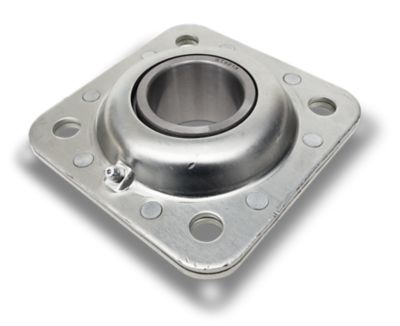
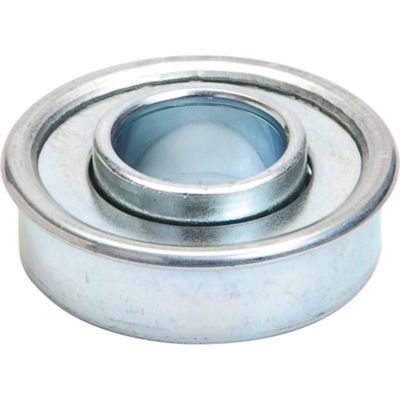
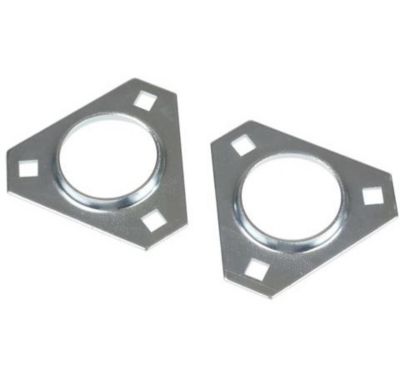
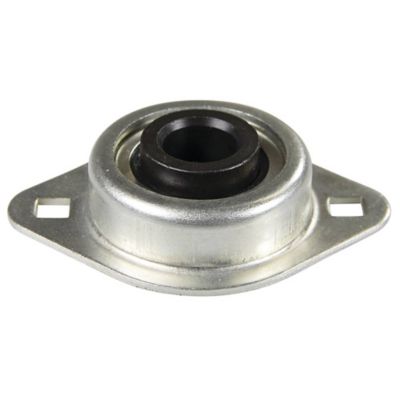
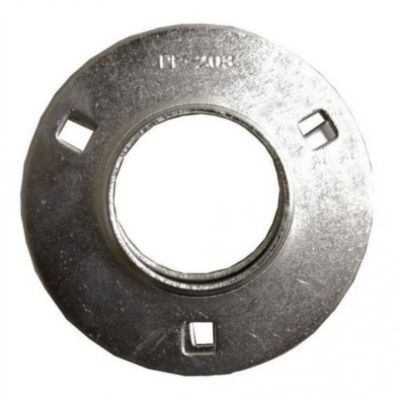
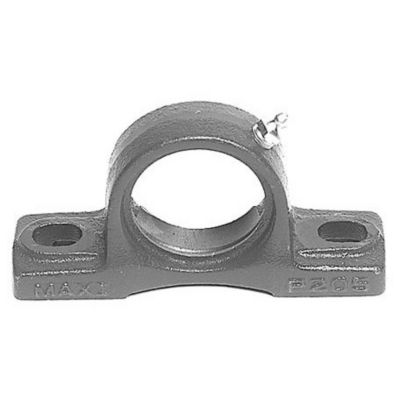
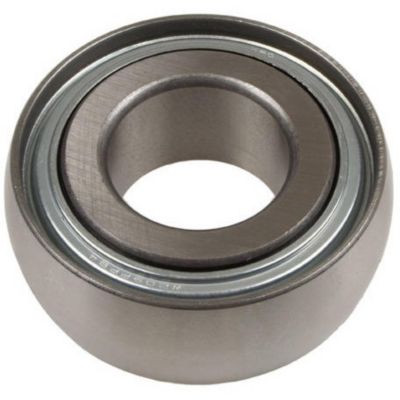
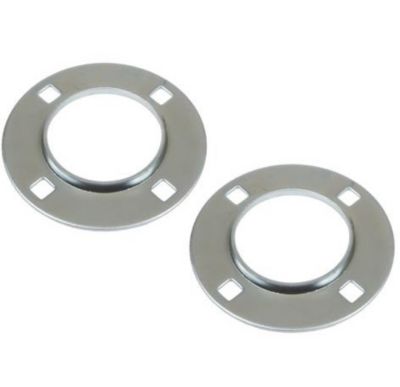
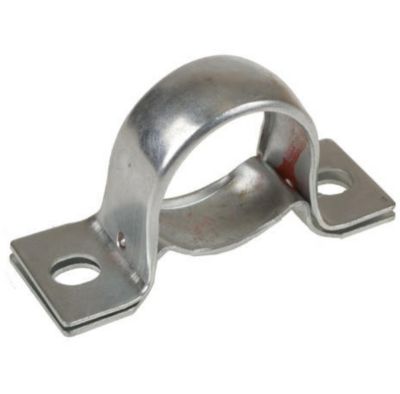
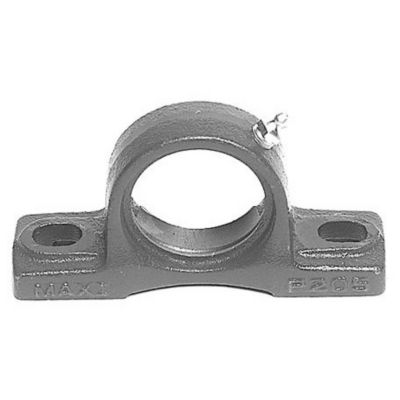
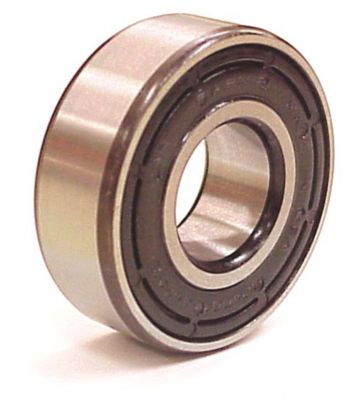
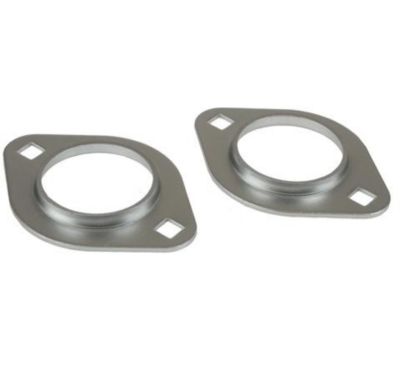
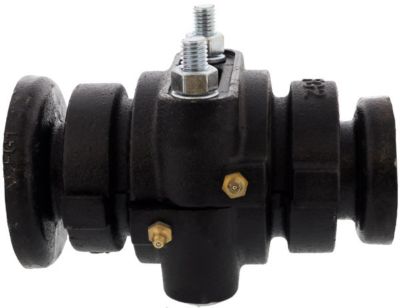
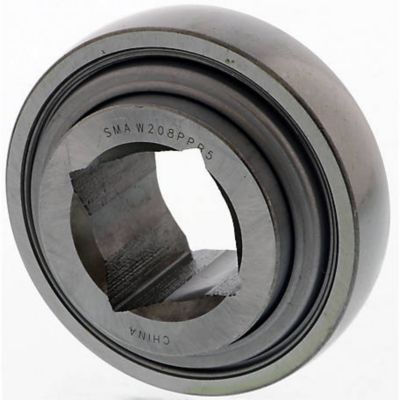
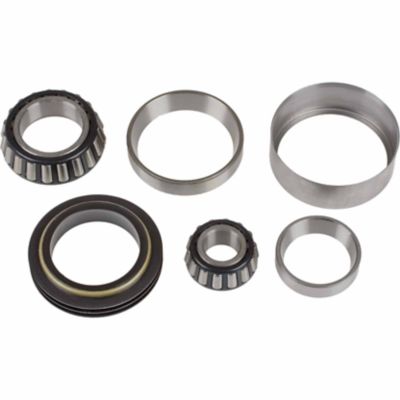
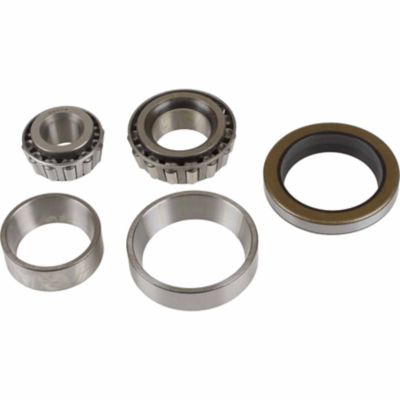
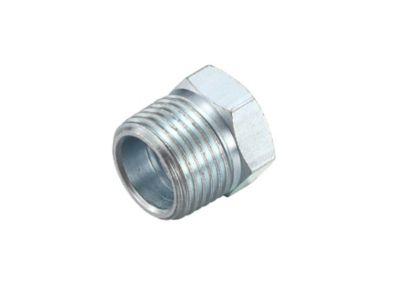
Bearing flanges provide a mounting point for bearings that support rotating shafts, helping keep moving parts positioned where the machine needs them. On farm equipment, conveyors, material-handling systems, and shop machinery, that support can make the difference between a shaft that turns smoothly and one that shakes, binds, or wears nearby parts. The term can refer to separate flange plates that hold a bearing or to the housing portion of a complete flange-mounted bearing unit. A flanged bearing may also have an integral rim that locates it against a mating surface. Those designs serve related purposes, but they are not automatically interchangeable. Separate bearing flanges often come as formed metal plates that fit around a bearing’s outer surface and bolt to an equipment panel or bracket. A complete mounted unit combines a housing with a bearing insert, sometimes with a shaft-locking mechanism and a grease fitting. Knowing which arrangement the machine calls for helps narrow the selection before any measurements come into play. Two-bolt flanges commonly have an oval outline, while three-bolt designs may have a triangular shape and four-bolt housings often have a square face. Each layout needs the matching mounting pattern and enough clearance for the housing, fasteners, shaft, and nearby parts. Bolt count alone does not establish load capacity; the bearing rating, housing construction, fasteners, and mounting surface all matter. For someone keeping a feed conveyor moving or maintaining a belt-driven assembly in the shop, the practical goal is a solid mounting arrangement that matches the original design. Bearing flanges belong in that broader support system alongside the shaft, bearing, brackets, and drive components. Their job is not to correct a bent shaft or compensate for a loose frame, but to hold a compatible bearing in its intended position so the assembly can do its work.
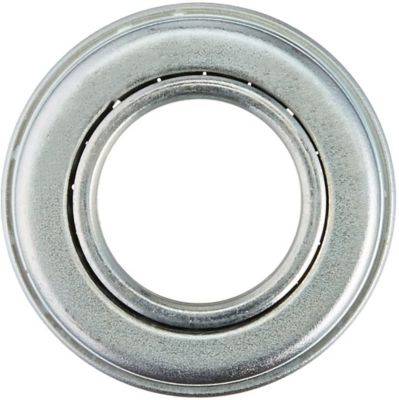
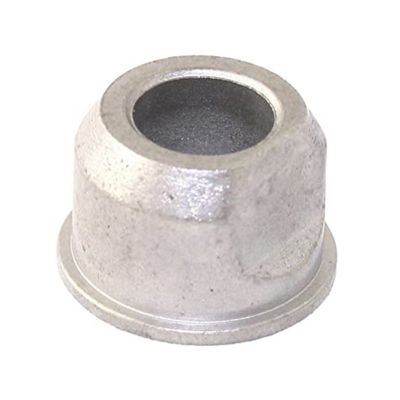
Fit starts with more than the diameter of the shaft. When choosing a complete flange bearing unit, the bearing bore must match the shaft size and the required fit. When replacing flange plates alone, the critical dimensions also include the bearing’s outside diameter and profile, the flange opening, and the shape of the bearing seat. A plate meant for a bearing with a spherical outer surface will not necessarily suit one with a straight cylindrical outer surface. Mounting-hole spacing, hole diameter, overall width, and the distance from the mounting face to the bearing center all affect how the replacement sits on the equipment. Even a small difference in that mounting offset can disturb the position of a pulley, sprocket, or roller. Inch and metric dimensions can look close at a glance without providing a proper match, so equipment specifications and clear measurements carry more weight than appearance. A worn flange with elongated bolt holes is a poor template for determining the original hole size; the equipment manual or an unworn mating part can offer a better reference. Material choice matters, too. Stamped steel flange plates provide a relatively compact mounting arrangement and commonly appear in agricultural and light industrial equipment. Cast iron housings provide a rigid body for many mounted bearing assemblies, while other housing materials may suit applications with different weight or corrosion-resistance requirements. The best match depends on the machine’s design rather than a blanket preference for one material. Surface finishes can help protect exposed metal, but coatings do not eliminate the need to address trapped moisture, abrasive debris, or damaged mounting surfaces. Intended loads deserve the same attention. Radial loads act across the shaft, while axial loads act along it, and not every bearing assembly accommodates both to the same degree. Shaft speed, shock loading, belt tension, and duty cycle also influence the selection. A slow-turning roller and a faster belt-driven shaft may need different bearing specifications even when their mounting footprints look alike. Manufacturer ratings and equipment requirements are the sound basis for those choices.
For farmers, equipment owners, and maintenance crews, service access is another practical part of choosing bearing flanges and mounted bearing assemblies. A housing may fit the bolt pattern yet leave too little room to reach a grease fitting, tighten a locking collar, or remove the bearing later. Space around guards, frame rails, pulleys, and sprockets is worth considering along with the dimensions on the mounting face. Some bearing inserts have provisions for relubrication, while others are sealed and have no routine greasing requirement. Care should follow the bearing manufacturer’s instructions, including lubricant type, amount, and service interval where applicable. More grease is not always better, and a grease fitting on a replacement assembly should remain accessible without altering protective guards. On equipment that handles grain, feed, or other dusty material, bearing seals and shields help limit contamination according to their design, but the flange itself is not necessarily a sealed barrier. For separate stationary joints on equipment,
Gasket Seals address a different sealing need; they do not replace the seals built into a bearing. Long service life also depends on the condition of the supporting parts. Cracked flange plates, fretting around the bearing seat, loose mounting bolts, or a bearing that rocks in its housing can point to problems beyond the insert alone. A smooth mounting face and the specified fastener torque help the assembly seat properly without distorting lighter plates. Some mounted bearing designs allow limited alignment adjustment, but that feature does not excuse a bent bracket or badly misaligned shaft. Before inspection or service, machinery needs to be shut down and isolated from its power source according to its safety instructions. With the right bore or bearing-seat dimensions, mounting pattern, material, and load rating, a replacement flange can restore the intended support without unnecessary changes to the machine. Whether the job involves one worn mounting plate or a complete bearing housing assembly, matching the whole arrangement helps keep routine repairs straightforward and hardworking equipment turning as intended.