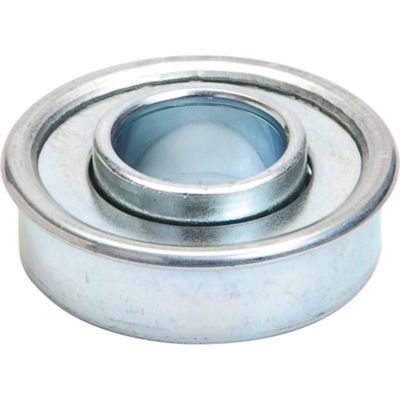
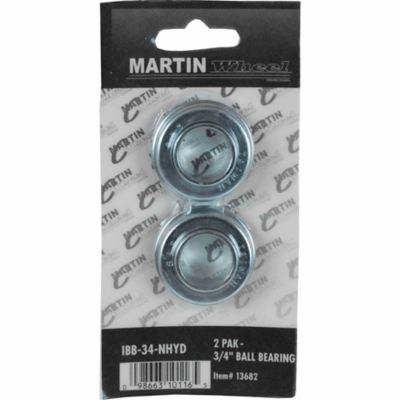
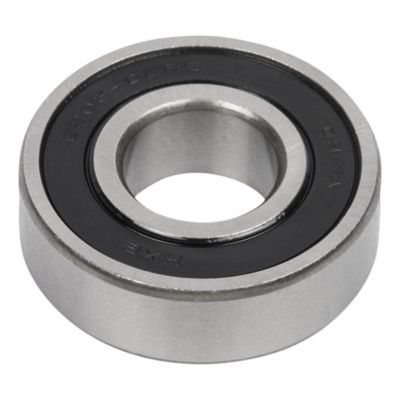
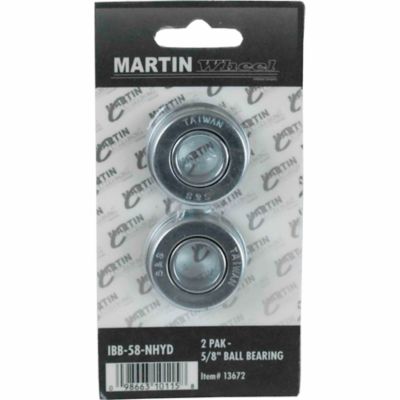
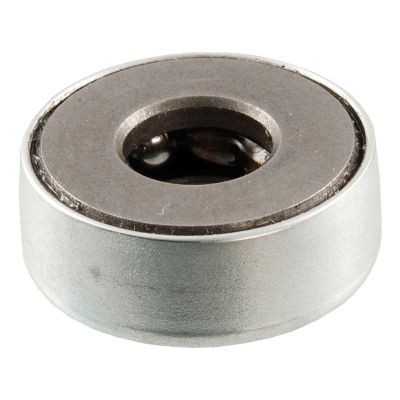
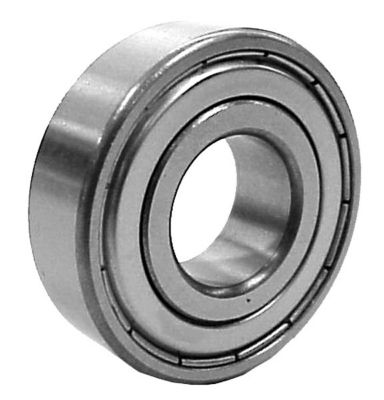
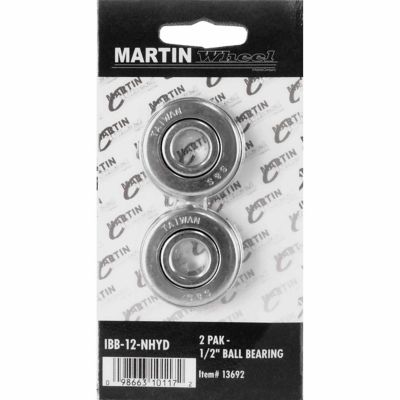
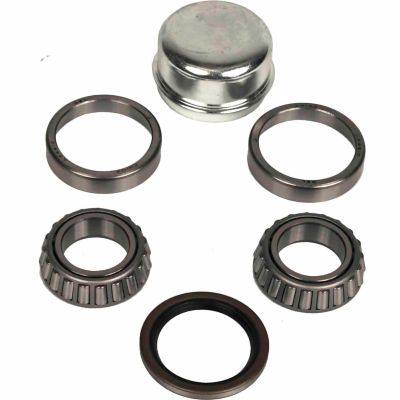
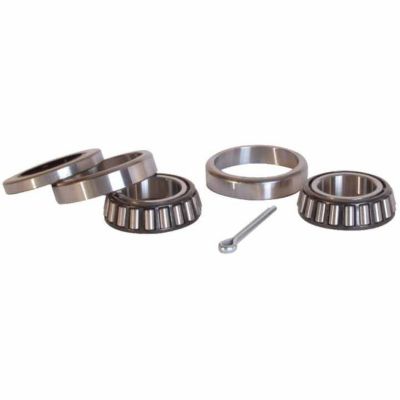
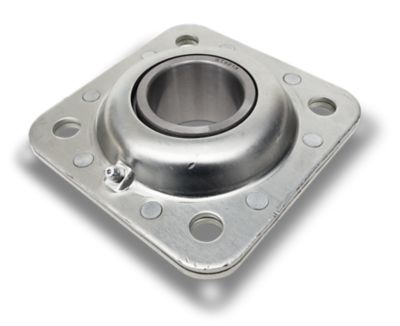
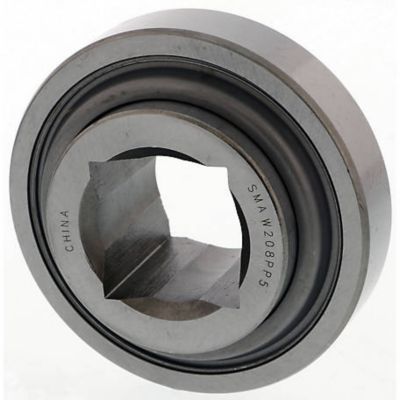
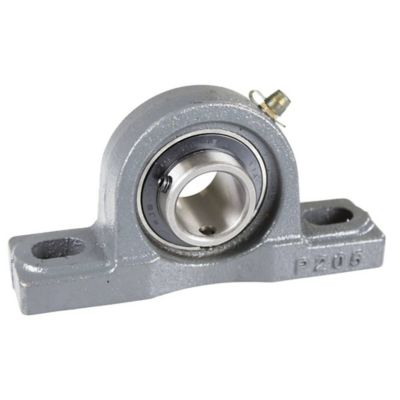
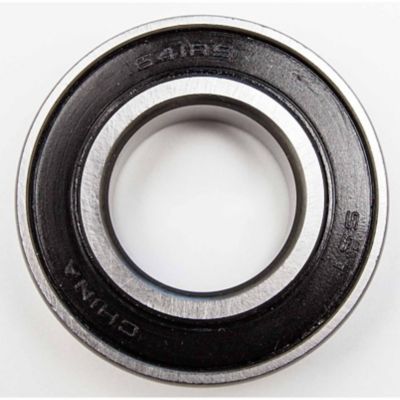
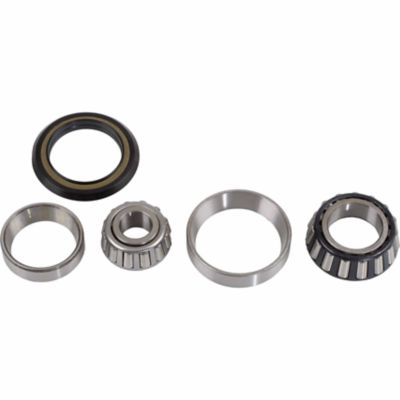
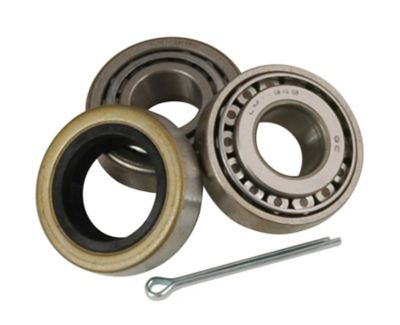
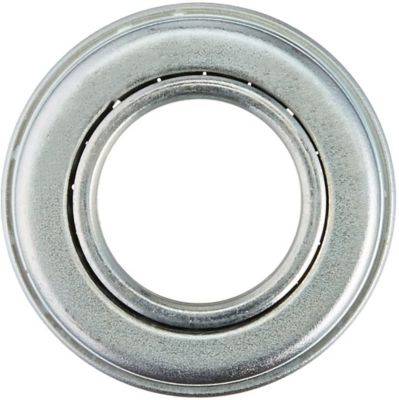
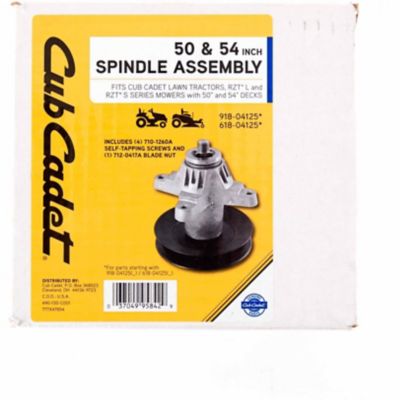
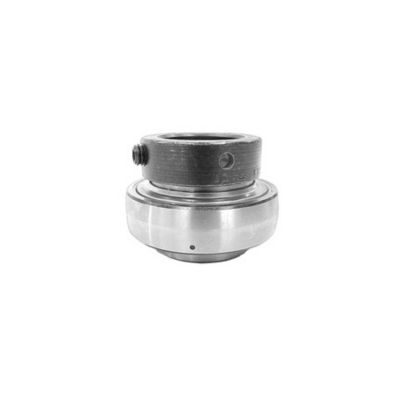
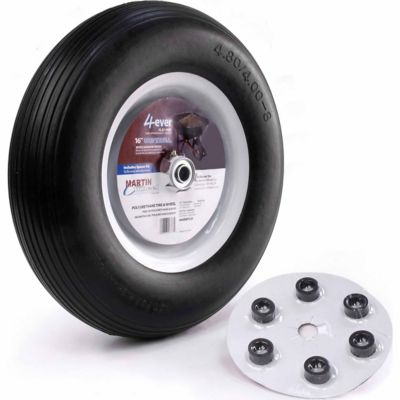
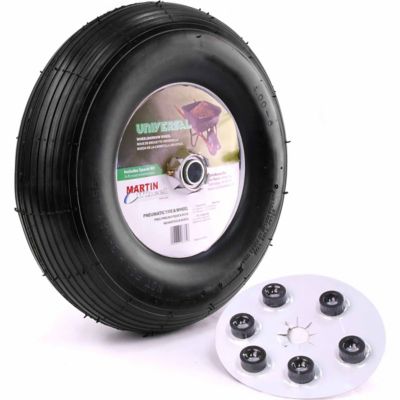
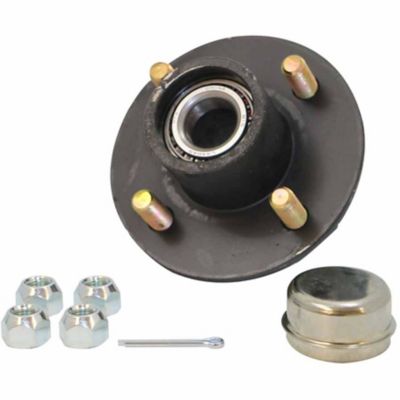
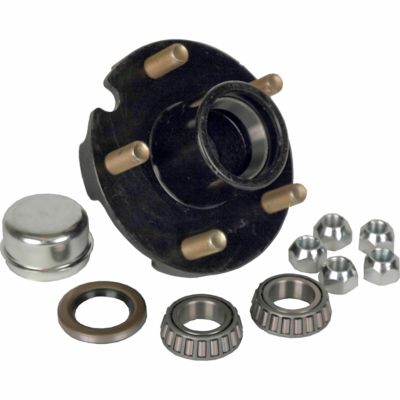
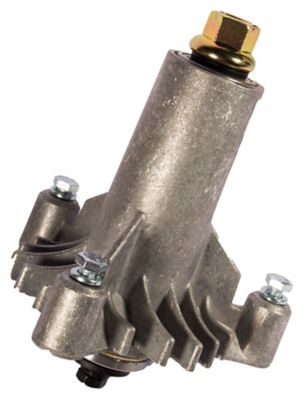
Replacement bearings support rotating shafts, wheels, and other moving parts while reducing friction between surfaces. They carry loads, help maintain alignment, and let equipment turn without metal parts rubbing directly against one another. On a farm or around a busy property, that work happens in places ranging from mower spindles and utility trailer hubs to belt-driven equipment and workshop machinery. A bearing may be small enough to sit in the palm of a hand, but its fit and construction can make a noticeable difference in how a machine runs. Ball bearings generally suit applications that need smooth rotation and can handle radial loads, with some designs also accommodating axial loads. Radial loads act across the shaft, while axial loads push along its length. Roller bearings spread the load across a larger contact area and often suit heavier radial loads. Tapered roller bearings can support combined radial and axial loads, which makes them a common choice in many wheel hubs. Needle bearings have slender rollers that suit certain applications where space around a shaft is limited. These designs are not interchangeable simply because their dimensions look close. Each has a particular job, and the equipment’s original bearing design remains an important reference. Materials matter, too. Hardened bearing steel provides the working surfaces needed for repeated rotation under load, while some applications call for stainless steel or other materials selected for corrosion resistance. Cages keep rolling elements spaced apart, and their construction varies with operating demands. For landowners keeping a mower running, farmers maintaining working equipment, and mechanics repairing trailers, the best match starts with the machine’s requirements rather than appearance alone. A spindle turning a cutting deck and a trailer hub carrying a loaded axle face different forces, speeds, and exposure. Choosing replacement bearings around those differences helps protect the surrounding shaft, housing, and other parts that depend on steady, properly supported movement.
Bearing fit involves more than matching the hole in the middle. The bore, outside diameter, and width all matter, along with the bearing type, internal clearance, load rating, and speed rating. Even a small dimensional difference can prevent a bearing from seating correctly or leave movement where the assembly needs firm support. A bearing number stamped on the original part can be helpful, but any letters or suffixes may identify important differences in seals, shields, clearance, or construction. Matching the full designation against the equipment specifications is more useful than relying on a visual comparison. For vehicle applications, the year, make, model, axle position, and hub design may all affect compatibility. Some wheel bearings are separate service components, while others belong to a hub assembly that may also incorporate wheel-speed sensing components. For machinery, the model information and parts diagram can help distinguish between bearings that look nearly identical on a workbench. Protection against contamination is another consideration. Sealed bearings help keep lubricant inside and dirt or moisture outside, while shielded bearings generally provide a different level of protection and are not a substitute for every sealed design. Open bearings depend on the surrounding assembly and its lubrication system. A mower spindle working near grass clippings and soil has different contamination concerns than a shaft operating inside an enclosed housing. Grease compatibility and the equipment’s lubrication requirements also deserve attention. Some bearings arrive prelubricated and are not intended for routine greasing; other assemblies have service points and specified maintenance intervals. More grease is not automatically better, since overfilling can increase drag and heat in some designs. The right lubricant, applied as specified for the assembly, supports service life without creating another problem. Storage counts as well: clean packaging and protection from moisture help preserve a replacement bearing before installation. Keeping dirt out of the rolling surfaces matters just as much as getting the dimensions right, especially when repairs take place near dusty shop benches, gravel floors, or equipment with soil packed around the housing.
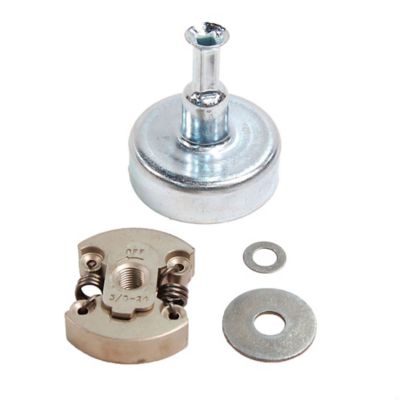
Bearing wear can show up as humming, growling, grinding, vibration, or looseness, depending on the equipment and the location of the bearing. In a vehicle, a wheel-bearing noise may change with road speed or shift as the wheel load changes through a turn. Steering vibration, uneven tire wear, or a pulling sensation can accompany wheel-end problems, but those symptoms alone do not confirm a bad bearing; tires, brakes, alignment, and other components can produce similar signs. A mower spindle might become noisy or allow movement at the blade shaft, while a trailer hub may develop play or abnormal heat. Those changes deserve attention because a worn bearing can damage mating surfaces or affect safe operation. Inspection by someone familiar with the equipment helps separate bearing wear from a bent shaft, loose mounting hardware, or another fault. A fresh bearing cannot correct a damaged housing or restore a scored shaft, so the condition of surrounding components matters to the repair. Seals, spacers, retaining hardware, and the correct adjustment or fastening specifications all contribute to how the completed assembly performs. Installation also requires suitable tools and support, since force applied through the wrong bearing surface can damage the rolling elements before the machine returns to work. On equipment with separate drive engagement problems,
replacement clutches address a different part of the system: a clutch engages or disengages power transfer, while a bearing supports movement and carries load. Keeping those roles straight helps avoid replacing the wrong component when a machine starts sounding or feeling different. Once repairs are complete, care centers on the equipment’s service schedule, lubrication requirements, and checks for renewed noise or movement. For a utility trailer hauling fencing supplies or a mower covering a long stretch of pasture edge, a correctly matched bearing helps keep everyday work moving. Its value comes from the right design, fit, and care working together throughout the life of the assembly.