Bolt holders help keep fasteners organized, steady and ready for the job at hand. In a busy farm shop, garage or work truck, a small pile of loose bolts can turn into a real headache. Matching nuts get separated, threads pick up dirt and the right size seems to disappear just when a repair needs to get finished. A bolt holder gives those pieces a dependable place to stay, whether it is being used for storage, installation or hands-on work. Depending on the style, a holder may keep bolts, nuts, studs, rivets, drill bits or other small parts sorted by size, or it may hold a fastener in a precise position while construction work moves forward. Workshop organizers are handy for anyone who routinely repairs equipment, builds trailers, maintains fencing or keeps a collection of hardware on hand. Look for sturdy construction, openings that fit the sizes you use most and a layout that makes parts easy to see and reach. Wall-mounted and portable designs can help make the most of limited space, while holders that fit a service cart, cabinet or vehicle rack can keep everyday fasteners close without letting them roll around the floor. For outdoor work, consider materials that can stand up to dust, moisture and regular handling. A holder with clear separation between compartments also makes it easier to sort coarse and fine threads, standard and metric hardware, or new fasteners from parts pulled during a repair. Good organization saves more than time; it can prevent the wrong bolt from being forced into place and helps keep a work area safer and easier to clean.
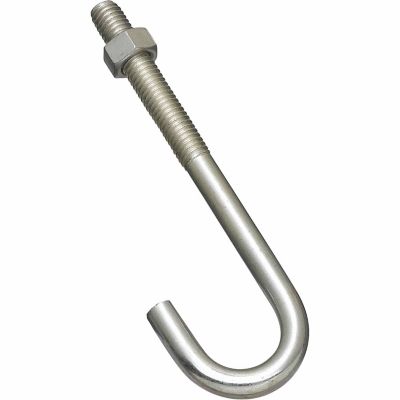
Some bolt holders are made for construction tasks where anchor bolts must stay in the correct location before concrete is poured. These fixtures help secure the bolts, maintain spacing and protect the threaded ends from concrete, trowel work and other messes. Accurate positioning matters when setting sill plates, hold-downs, posts, machinery bases or other structures that depend on a solid connection. Before choosing an anchor bolt holder, check the bolt diameter, thread length, required spacing and the layout of the form or footing. The holder should be compatible with the planned pour and sturdy enough to keep the fasteners from shifting as concrete is placed and worked around them. A well-fitted holder can make finishing cleaner and reduce the time spent scraping concrete from exposed threads later. It is still important to follow the building plans, local requirements and the fastener manufacturer’s instructions, since a holder is meant to support correct placement rather than replace proper measuring or structural practice. Contractors, concrete crews, remodelers and experienced do-it-yourself builders may use these holders when a dependable layout is essential. On a rural property, they can also come in handy for setting posts, equipment supports, outbuildings and other projects where a little extra care during the pour pays off for years. Keep the parts clean before use, confirm the forms are square and double-check the layout before concrete arrives. A few minutes spent checking every bolt can save a long afternoon of correction once the concrete has set.
Bolt holders also have a place in testing, inspection and specialized storage. Some fixtures are designed to keep fasteners aligned during static tensile testing or other strength checks, helping provide consistent contact and repeatable results. Other holding plates and storage fixtures keep bolts secure in traffic-safety work, fabrication areas or maintenance stations where vibration and movement can scatter loose hardware. When a holder is used around moving equipment, it should be paired with the correct nuts, washers or other securing methods for the job; storage alone does not keep an installed fastener from loosening. In a shop that sees tractors, gates, livestock equipment and utility trailers, sorting fasteners by diameter, length and thread type can make routine maintenance much smoother. Label compartments plainly, keep damaged or bent bolts separate and replace any holder that is cracked, badly worn or no longer keeps parts secure. For repairs involving seized or rounded hardware, a holder can keep replacement fasteners organized while the old part is being removed, and
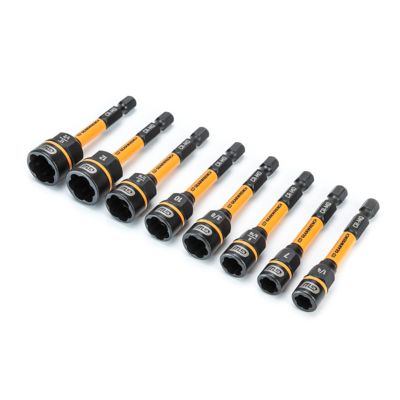
Bolt Removal Tools can help complete that part of the job. Bolt holders can make practical gifts for a new homeowner, farmhand, mechanic, welder or anyone setting up a first workshop, especially when paired with a thoughtful selection of commonly used hardware. During warmer outdoor projects and the cooler months spent working in the shop, having bolts sorted and protected means less hunting, fewer misplaced parts and more time spent getting the repair, build or improvement done right.