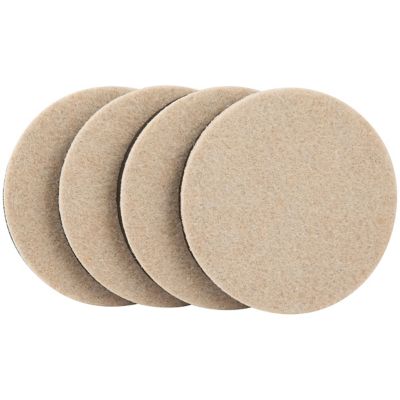
Ball bearing glides are a practical way to give drawers a smoother, steadier feel, whether you are repairing an old farmhouse cabinet, building storage for the shop, or freshening up worn-out furniture. Inside each glide, rows of small steel balls roll along metal tracks to reduce friction and help carry the drawer as it opens and closes. A cage or retainer keeps those bearings spaced properly, which helps the rails move without binding or scraping. Compared with a basic wood runner or a worn roller track, a ball bearing drawer glide can make a noticeable difference when a drawer is loaded with tools, fasteners, kitchen supplies, pet care items, or everyday household gear. They are useful for kitchen and bathroom cabinets, workbenches, dressers, desks, office storage, utility trailers, and custom-built shop fixtures. A smooth drawer is more than a small convenience when you are reaching for a screwdriver with dirty hands, sorting seed packets in the mudroom, or pulling out a deep drawer while putting away supplies during the cooler months. These glides are also a thoughtful choice for a handy homeowner, woodworker, furniture repairer, or do-it-yourselfer who enjoys making old storage work like new again. For projects that involve moving a cabinet, appliance, or other bulky piece into position,
Furniture Sliders can help protect floors and make the job easier, while ball bearing glides are installed permanently to support the drawer itself.
Choosing the right ball bearing glides starts with the drawer and cabinet measurements. First, measure the drawer from front to back to determine the proper glide length, and check the product details for the recommended size rather than forcing a slide that is too long into a shallow cabinet. Side-mount glides are a common choice for repairs and new builds. They attach to the outside faces of the drawer and the inside walls of the cabinet, so the drawer needs the correct clearance on both sides, often about 1/2 inch per side, though the required space varies by design. Measure the opening at several points because older cabinets can be slightly out of square, especially in homes that have settled over the years. Also compare the drawer box width with the opening width and look for hinges, face frames, center dividers, or other hardware that could interfere with the rails. Full-extension glides let the drawer pull almost completely out, making it easier to see and reach items at the back. Partial-extension options keep some of the drawer inside the cabinet and may suit lighter-duty storage where full access is not needed. Pay close attention to weight capacity, including the drawer itself and everything that will be stored in it. A shallow drawer holding cooking utensils needs less support than a deep workbench drawer filled with sockets, pipe fittings, or hand tools. Heavy-duty glides are better suited to demanding storage, but they still depend on a strong, well-fastened cabinet and drawer box. Soft-close designs use a spring or hydraulic-style mechanism to catch the drawer and guide it shut with less slamming, which can be especially useful in kitchens, bedrooms, and homes where a quieter close is welcome.
Installation goes more smoothly when the rails are mounted straight, level, and at matching heights. Many ball bearing glides include a disconnect lever or release tab that allows the inner rail to separate from the outer rail. With the drawer removed, one rail can be fastened to the drawer and the matching rail to the cabinet, making it easier to place screws accurately. A tape measure, pencil, drill, screwdriver, level, and square are usually helpful, while a clamp can hold a rail in position during a one-person installation. Start by marking the same height on both sides of the cabinet, then transfer those marks carefully to the drawer. Use the recommended screw locations and avoid overtightening, since a twisted rail can cause the bearings to drag. Before filling the drawer, slide it in and out several times to check for rubbing, uneven gaps, or a front that sits too high or low. If the drawer sticks, remove it with the release levers, loosen the mounting screws slightly, make small height or alignment adjustments, and retighten everything once the movement is even. Keep the drawer load balanced instead of piling all the weight on one side, and do not exceed the rated capacity. Ball bearing glides generally need little maintenance, but a clean installation helps keep sawdust, dirt, and grit from working into the track. Wipe away debris during a shop project and inspect the screws if a drawer begins to wobble or sag. With the right length, clearance, extension style, and weight rating, ball bearing glides can turn a stubborn drawer into dependable storage that stands up to busy kitchens, active workshops, farm offices, and everyday household use.