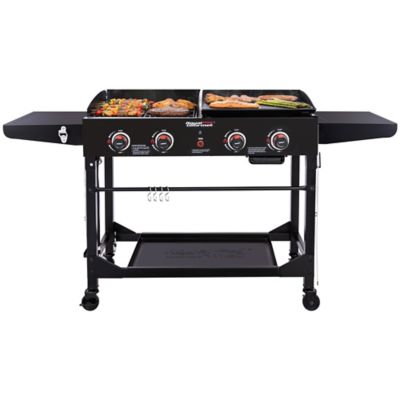
BBQ Smoker Fourth Of July Sale
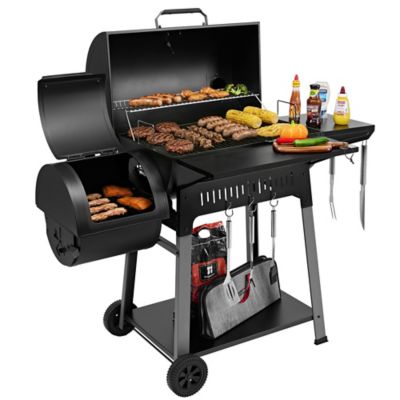
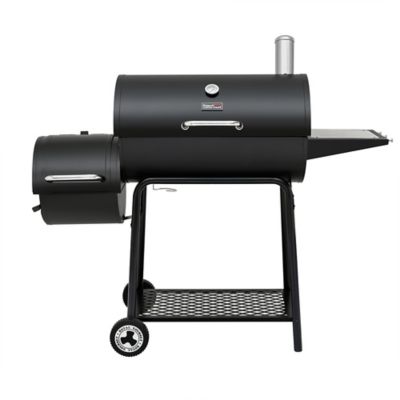
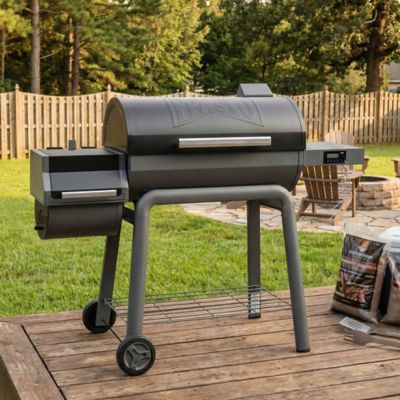
Fire up your backyard celebrations with the BBQ Smoker Fourth of July Sale at Tractor Supply. Whether you're planning a big family cookout or just want to enjoy some good food with friends, now’s the perfect time to upgrade your setup. From slow-cooked brisket to smoky ribs, you’ll find deals that make it easy to bring those classic flavors to your Independence Day gathering. Get ready to kick back, relax, and make this Fourth of July one to remember with savings on everything you need for a great smoke-out.
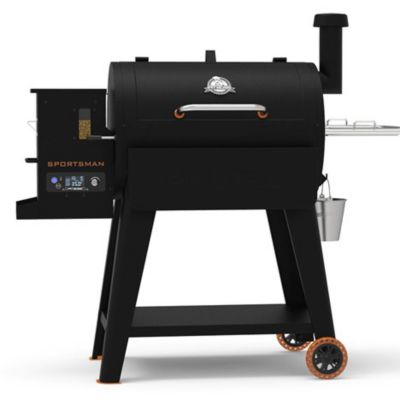
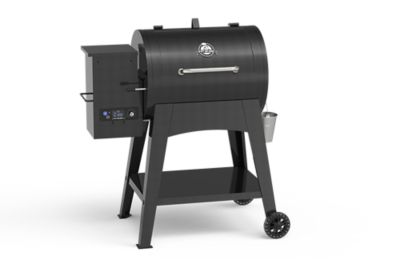
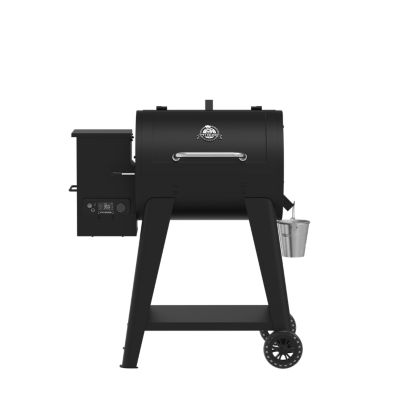
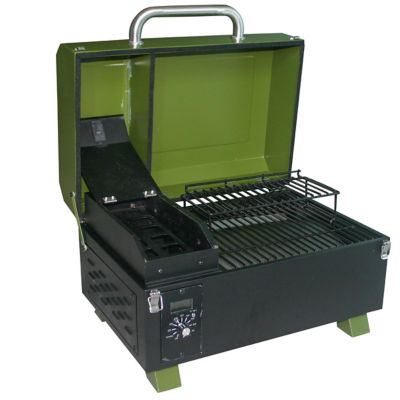
$399
.99
Sale Was $599.99 Save $200.00 (33%)
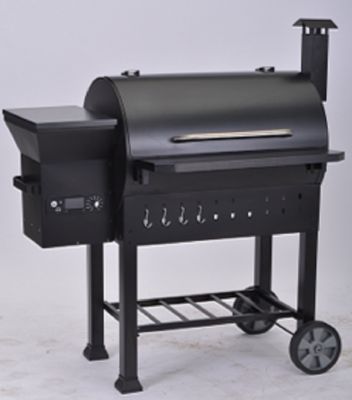
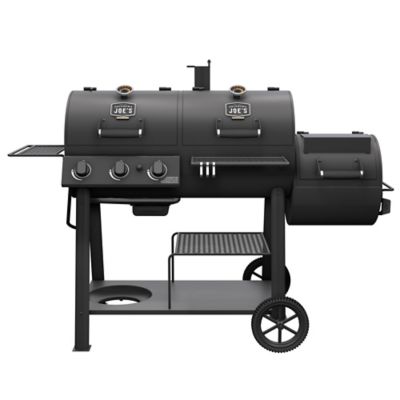
$529
.99
Sale Was $599.99 Save $70.00 (12%)
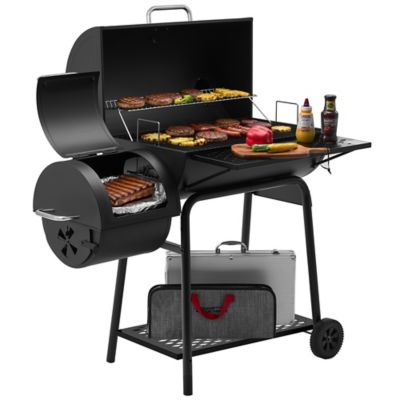
$119
.99
Sale Was $134.99 Save $15.00 (11%)
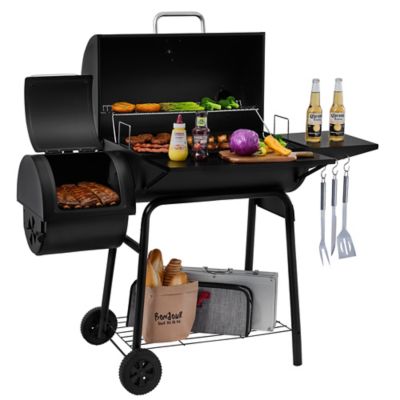
$149
.99
Sale Was $169.99 Save $20.00 (12%)
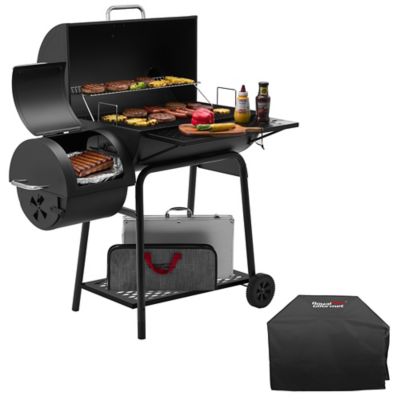
$139
.99
Sale Was $159.99 Save $20.00 (13%)
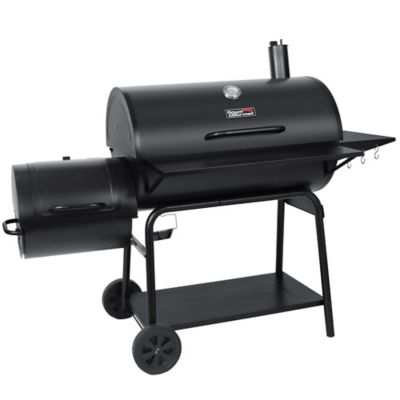
$209
.99
Sale Was $229.99 Save $20.00 (9%)
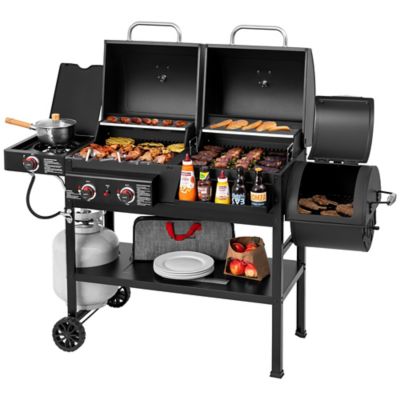
$339
.99
Sale Was $379.99 Save $40.00 (11%)
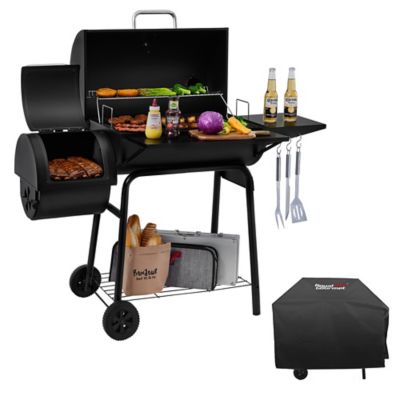
$159
.99
Sale Was $169.99 Save $10.00 (6%)
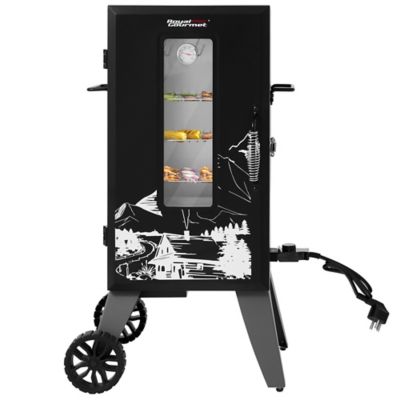
$219
.99
Sale Was $244.99 Save $25.00 (10%)
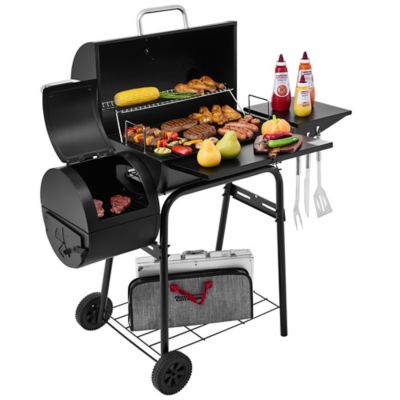
$109
.99
Sale Was $124.99 Save $15.00 (12%)
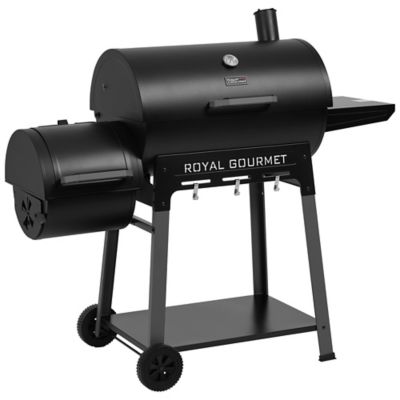
$125
.99
Sale Was $139.99 Save $14.00 (10%)
$139
.99
Sale Was $149.99 Save $10.00 (7%)
$146
.99
Sale Was $159.99 Save $13.00 (8%)
$189
.99
Sale Was $229.99 Save $40.00 (17%)
Best Of FAQ
What types of BBQ smokers are popular for Fourth of July celebrations?
Popular BBQ smokers for Fourth of July gatherings include offset smokers, pellet smokers, electric smokers, and charcoal smokers. Each type offers different flavor profiles and cooking experiences, making them great choices for backyard barbecues.
How do I choose the right BBQ smoker for my outdoor cooking needs?
When choosing a BBQ smoker, consider factors like fuel type (charcoal, wood pellets, or electric), cooking capacity, ease of use, and how much time you want to spend tending the smoker. Think about your preferred flavors and how many people you typically cook for.
What are some tips for using a BBQ smoker during holiday gatherings?
For holiday gatherings like the Fourth of July, plan ahead by prepping meats and ingredients in advance. Maintain consistent temperatures in your smoker, select the right wood chips or pellets for enhanced flavor, and allow plenty of time for slow smoking to achieve tender results.
Can I use a BBQ smoker for foods other than meat during summer parties?
Absolutely! BBQ smokers can smoke vegetables, cheeses, nuts, and even desserts. Experimenting with different foods can add variety to your summer party menu and impress your guests with smoky flavors.
What accessories can enhance my BBQ smoking experience during the Fourth of July?
Helpful accessories include meat thermometers, grill covers, rib racks, wood chip boxes, heat-resistant gloves, and cleaning brushes. These tools help ensure a smooth smoking process and make cleanup easier after your celebration.
Best Sellers
-
"Super easy to clean and definitely a great grill by a great brand"
-
"Love my grill ,great for out large events.Do a lot of outdoor events and everyone loves it.Just need"
-
"Best portable grill for the price"
-
"I never use my grill and this does a great job and works best with my needs"
-
"Love this! Only wish a lid came with it, otherwise a great product"