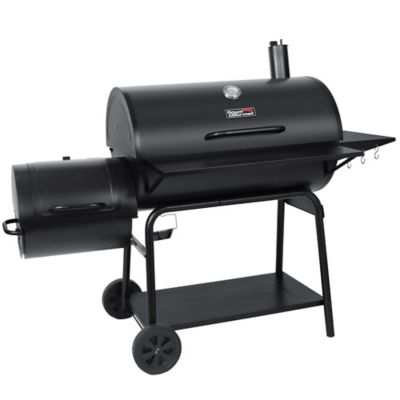
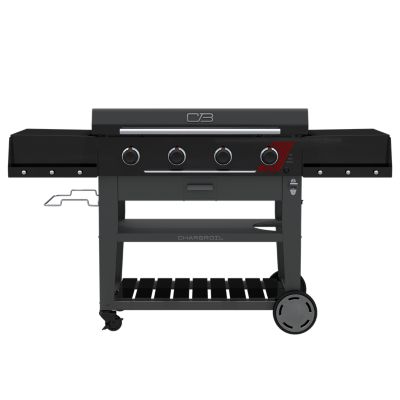
Portable BBQ Tailgate Grills Fourth Of July Sale
Fire up your summer celebrations with the Portable BBQ Tailgate Grills Fourth Of July Sale at Tractor Supply. Whether you're headed to a backyard bash, a campsite cookout, or the big game, these grills are ready to roll wherever the party takes you. Get ready to grill up your favorites and enjoy great deals just in time for Independence Day. Make this Fourth one to remember with easy-to-haul grills that bring the flavor anywhere you go.
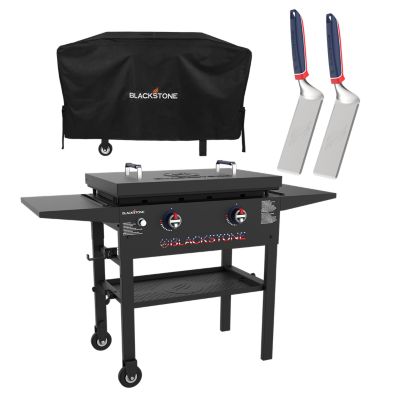
$329
.99
Sale Was $399.99 Save $70.00 (18%)
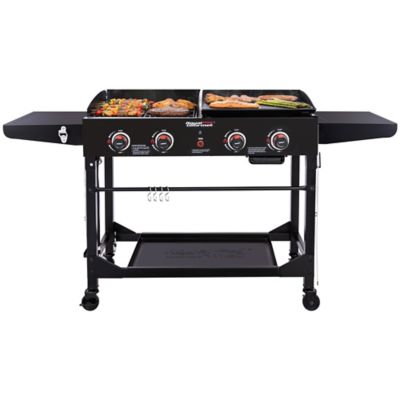
$269
.99
Sale Was $299.99 Save $30.00 (10%)
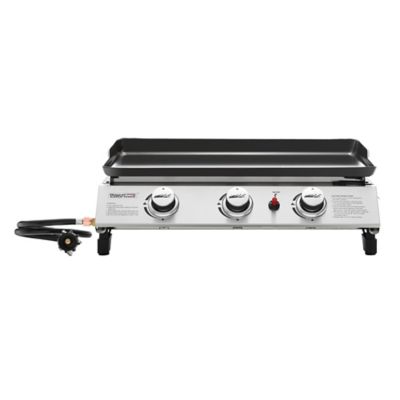
$89
.99
Sale Was $99.99 Save $10.00 (10%)
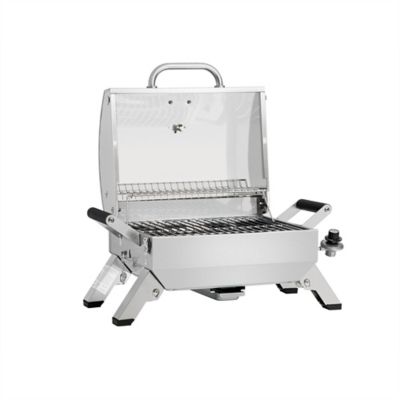
$119
.99
Sale Was $134.99 Save $15.00 (11%)
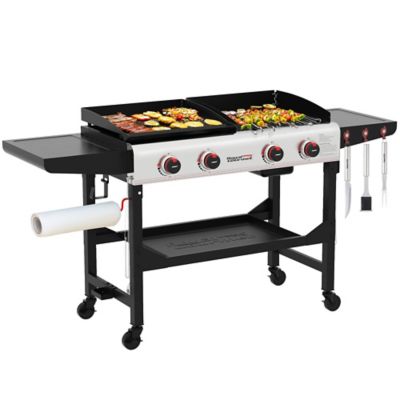
$229
.99
Sale Was $259.99 Save $30.00 (12%)
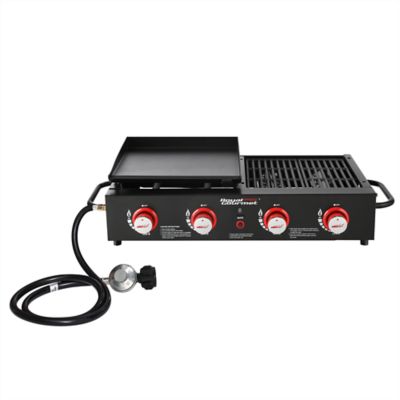
$177
.99
Sale Was $199.99 Save $22.00 (11%)
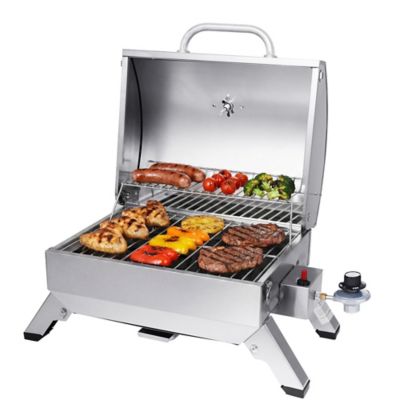
$113
.99
Sale Was $119.99 Save $6.00 (5%)
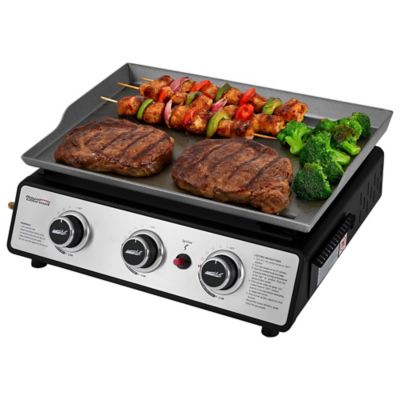
$110
.99
Sale Was $119.99 Save $9.00 (8%)
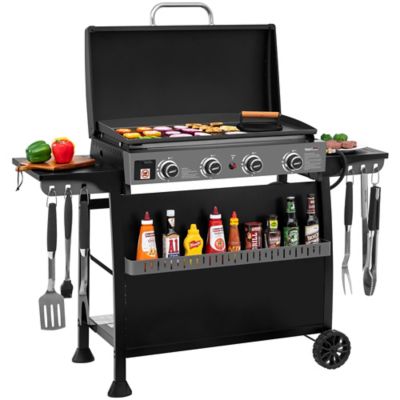
$239
.99
Sale Was $269.99 Save $30.00 (11%)
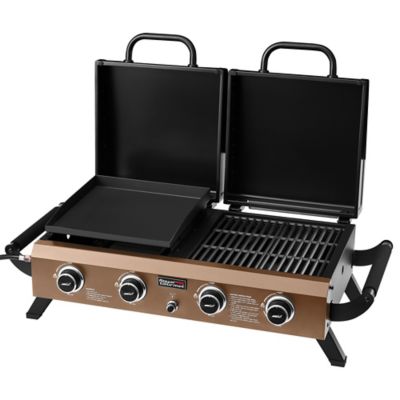
$239
.99
Sale Was $269.99 Save $30.00 (11%)
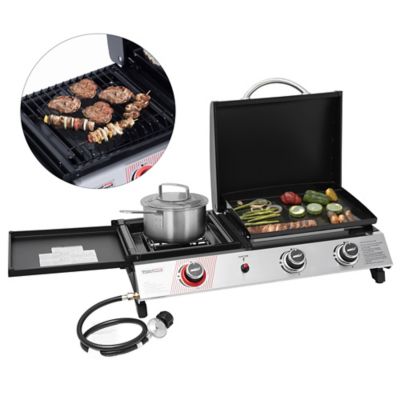
$149
.99
Sale Was $169.99 Save $20.00 (12%)
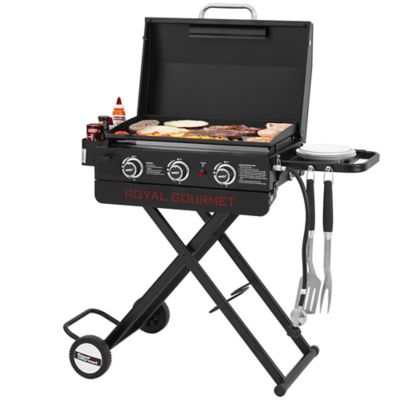
$199
.99
Sale Was $229.99 Save $30.00 (13%)
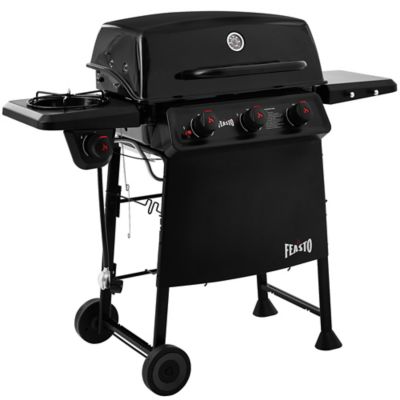
$199
.99
Sale Was $229.99 Save $30.00 (13%)
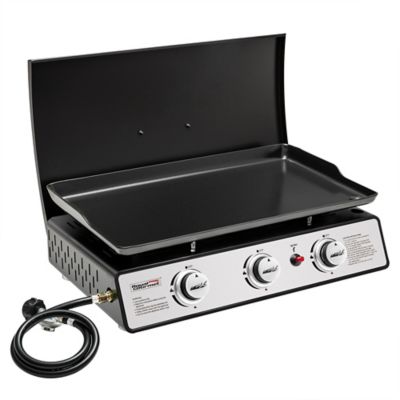
$129
.99
Sale Was $144.99 Save $15.00 (10%)
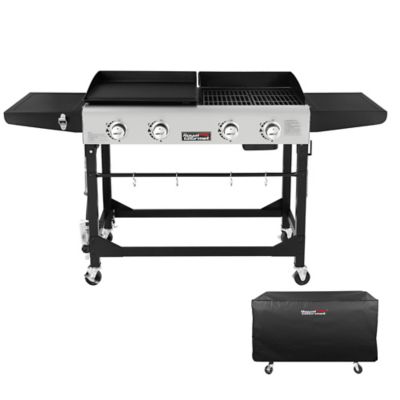
$259
.99
Sale Was $289.99 Save $30.00 (10%)
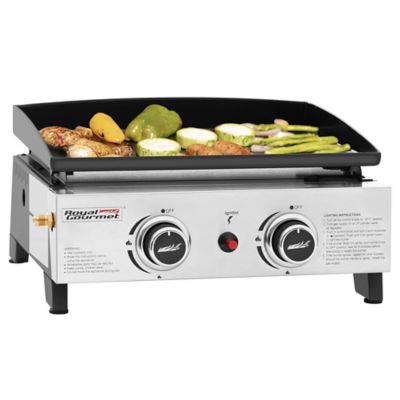
$85
.99
Sale Was $99.99 Save $14.00 (14%)
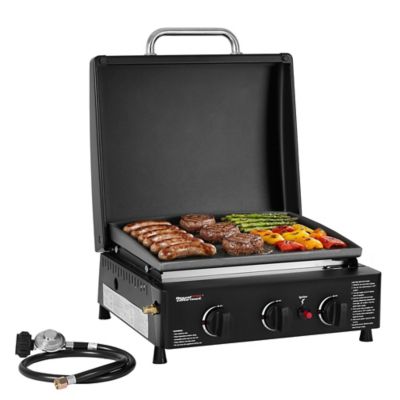
$109
.99
Sale Was $134.99 Save $25.00 (19%)
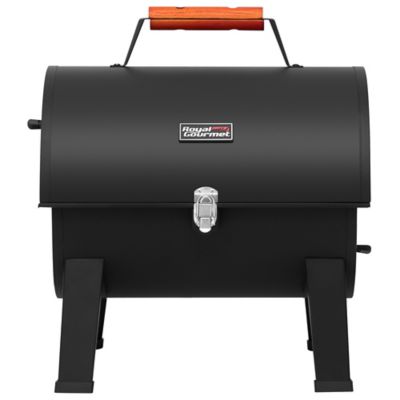
$59
.99
Sale Was $69.99 Save $10.00 (14%)
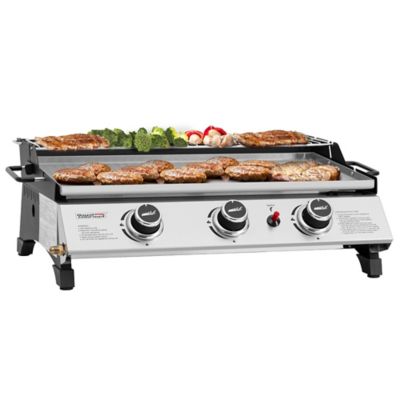
$119
.99
Sale Was $134.99 Save $15.00 (11%)
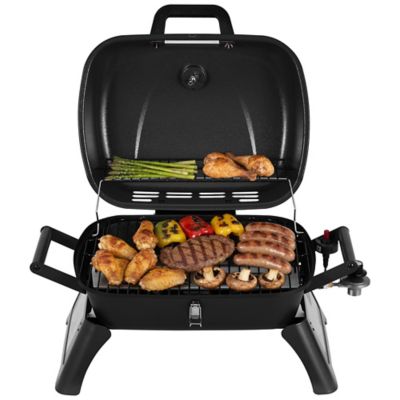
$89
.99
Sale Was $99.99 Save $10.00 (10%)
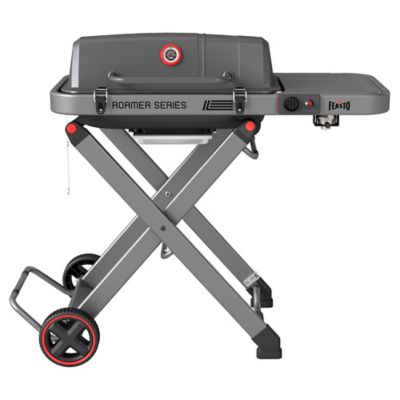
$259
.99
Sale Was $399.99 Save $140.00 (35%)
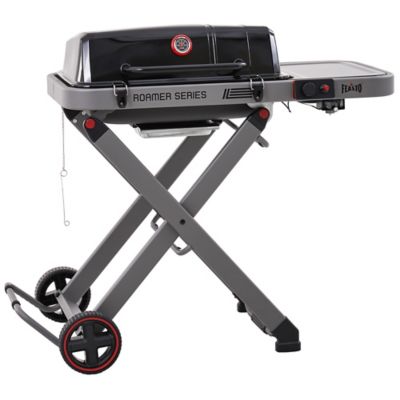
$249
.99
Sale Was $399.99 Save $150.00 (38%)
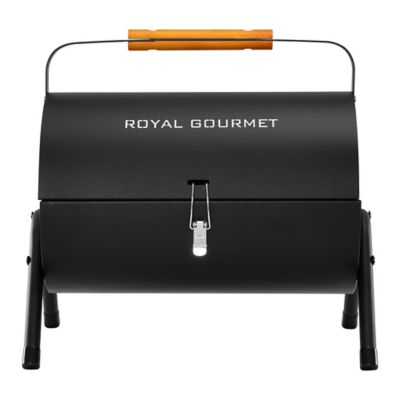
$49
.99
Sale Was $59.99 Save $10.00 (17%)
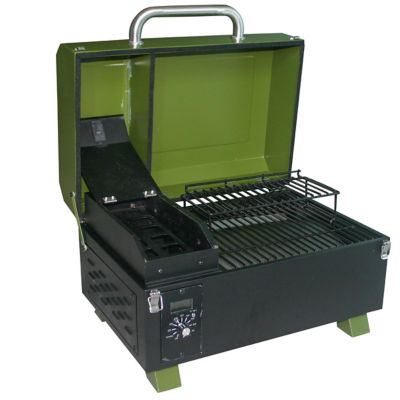
$399
.99
Sale Was $599.99 Save $200.00 (33%)
Best Of FAQ
What features should I look for in a portable BBQ grill for tailgating?
When choosing a portable BBQ grill for tailgating, consider features like easy ignition, sturdy construction, compact design for transport, and convenient cleaning options. Additional features such as side tables, built-in thermometers, and fuel versatility can also enhance your grilling experience.
Are portable BBQ grills suitable for both charcoal and propane grilling?
Yes, many portable BBQ grills are designed to use either charcoal or propane. Some models are specifically built for one type of fuel, while others offer dual-fuel capabilities. Check the product details to ensure the grill matches your preferred cooking method.
How do I maintain my portable BBQ grill after a tailgate party?
To maintain your portable BBQ grill, allow it to cool completely before cleaning. Remove any leftover ash or grease, wipe down surfaces with a damp cloth, and store it in a dry place. Regular maintenance helps extend the life of your grill and ensures optimal performance.
Can I use a portable BBQ grill at parks or public spaces during Fourth of July celebrations?
Many parks and public spaces allow the use of portable BBQ grills, but it's important to check local regulations before your event. Always follow posted guidelines regarding open flames and clean up thoroughly after use to leave the area as you found it.
What accessories can enhance my tailgating experience with a portable BBQ grill?
Popular accessories include grilling utensils, heat-resistant gloves, portable tables, collapsible chairs, food storage containers, and insulated coolers. These items help make your tailgating setup more comfortable and efficient.
Best Sellers
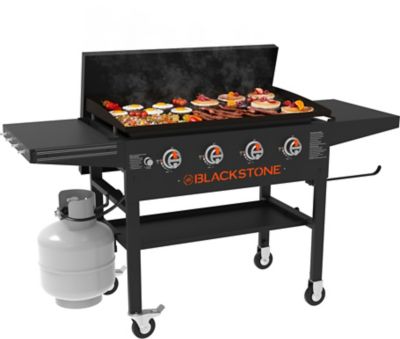
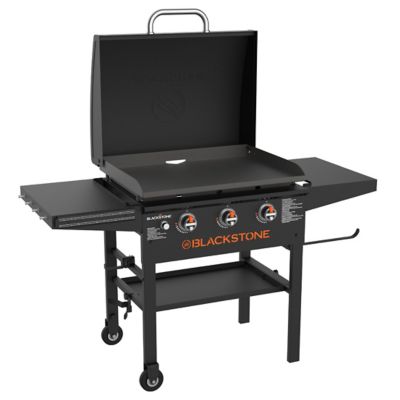
-
"Just grilled tonight and LOVE it! So convenient"
-
"Love this! Only wish a lid came with it, otherwise a great product"
-
"Wasn’t sure if I wanted to commit to only having a flat top grill, this is the best of both worlds"
-
"great size for what I needed"
-
"Super easy to clean and definitely a great grill by a great brand"