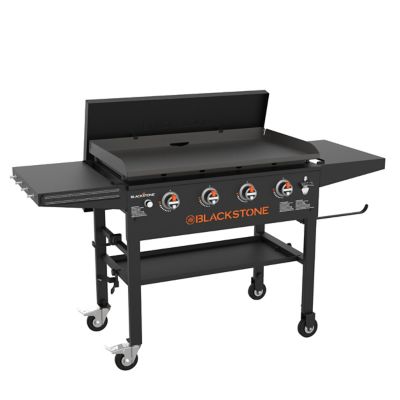
Portable Gas BBQ Grill Fourth Of July Sale
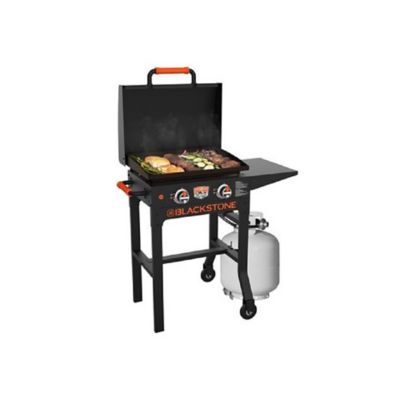
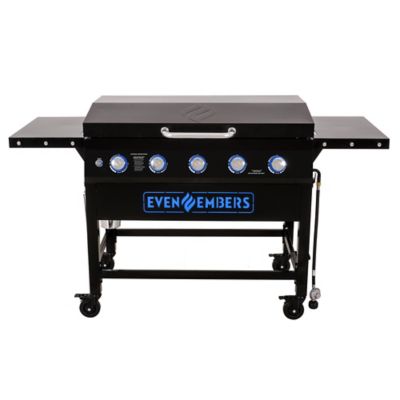
Fire up your summer celebrations with the Portable Gas BBQ Grill Fourth of July Sale! There’s nothing like gathering your crew, flipping burgers, and enjoying good eats under the open sky. Whether you’re tailgating, camping, or just kicking back in the backyard, these grills make it easy to bring the party wherever you go. Get ready to make your Fourth of July cookout one to remember with deals that’ll have you grilling all season long.
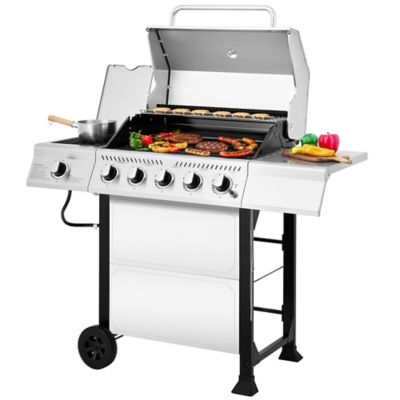
$280
.99
Sale Was $329.99 Save $49.00 (15%)
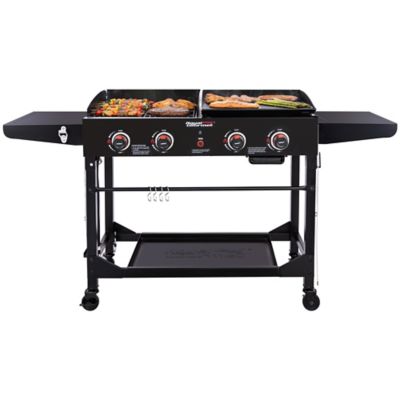
$269
.99
Sale Was $299.99 Save $30.00 (10%)
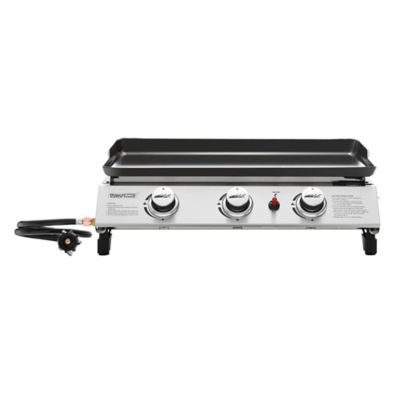
$89
.99
Sale Was $99.99 Save $10.00 (10%)
$119
.99
Sale Was $134.99 Save $15.00 (11%)
$229
.99
Sale Was $259.99 Save $30.00 (12%)
$177
.99
Sale Was $199.99 Save $22.00 (11%)
$113
.99
Sale Was $119.99 Save $6.00 (5%)
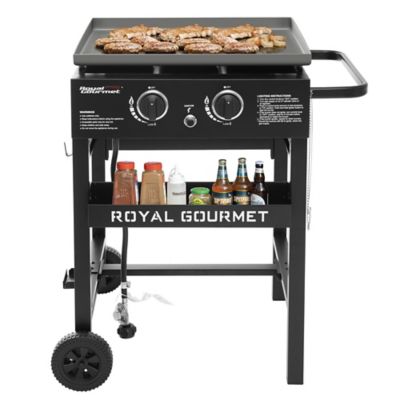
$239
.99
Sale Was $269.99 Save $30.00 (11%)
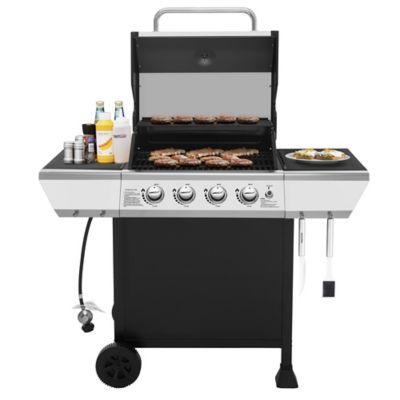
$149
.99
Sale Was $169.99 Save $20.00 (12%)
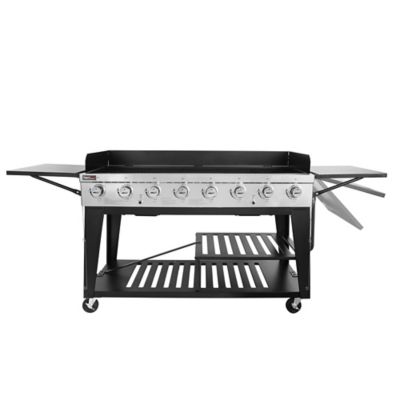
$219
.99
Sale Was $244.99 Save $25.00 (10%)
$497
.99
Sale Was $559.99 Save $62.00 (11%)
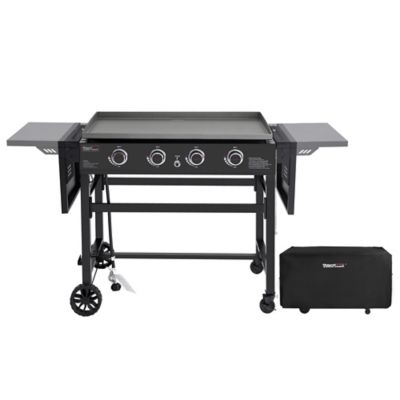
$259
.99
Sale Was $289.99 Save $30.00 (10%)
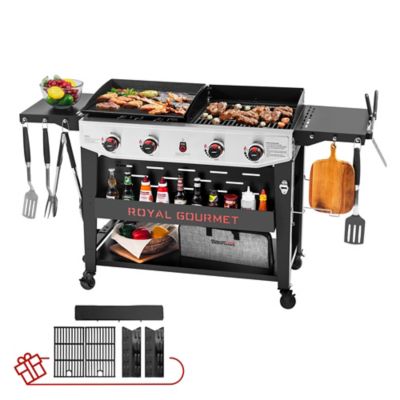
$309
.99
Sale Was $349.99 Save $40.00 (11%)
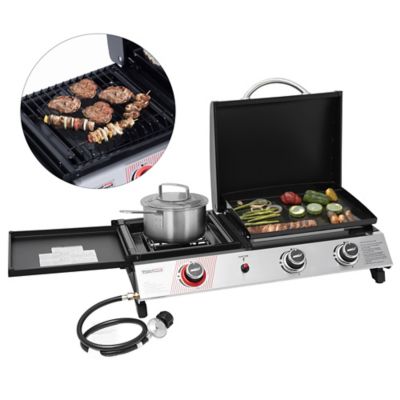
$149
.99
Sale Was $169.99 Save $20.00 (12%)
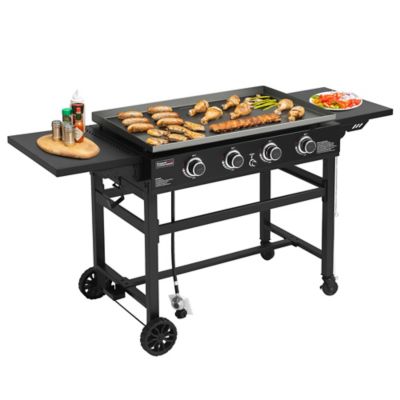
$239
.99
Sale Was $269.99 Save $30.00 (11%)
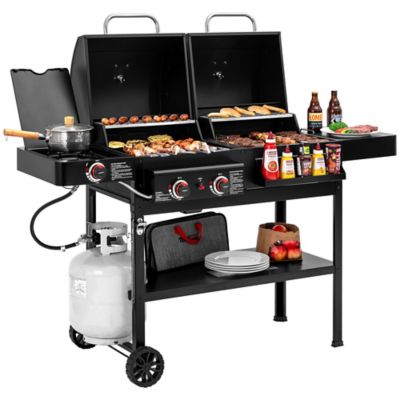
$289
.99
Sale Was $329.99 Save $40.00 (12%)
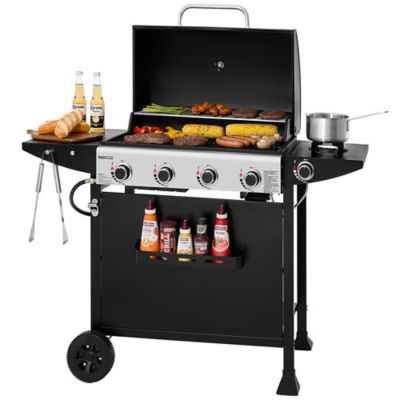
$219
.99
Sale Was $249.99 Save $30.00 (12%)
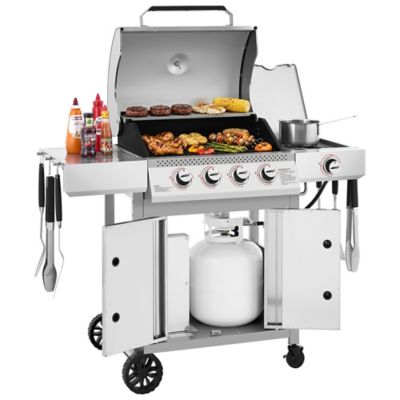
$359
.99
Sale Was $399.99 Save $40.00 (10%)
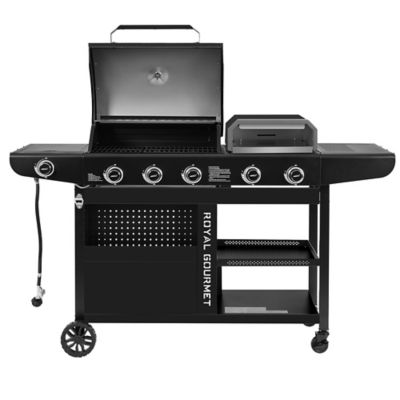
$369
.99
Sale Was $419.99 Save $50.00 (12%)
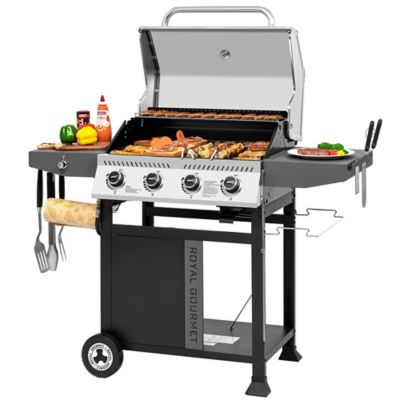
$299
.99
Sale Was $339.99 Save $40.00 (12%)
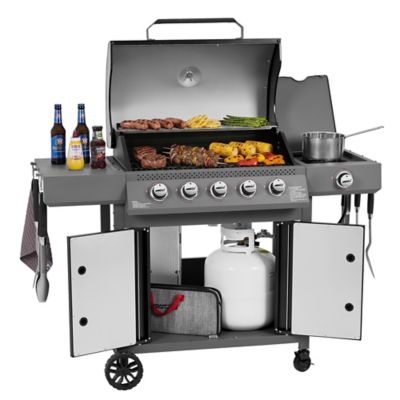
$379
.99
Sale Was $419.99 Save $40.00 (10%)
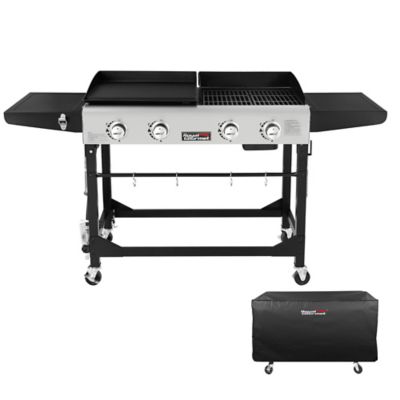
$259
.99
Sale Was $289.99 Save $30.00 (10%)
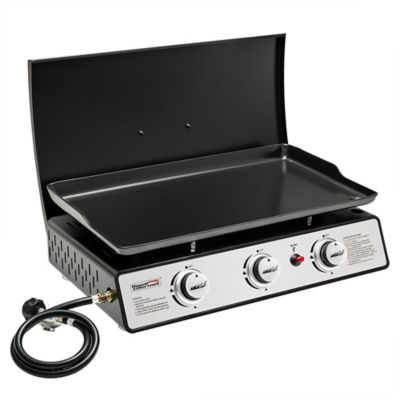
$129
.99
Sale Was $144.99 Save $15.00 (10%)
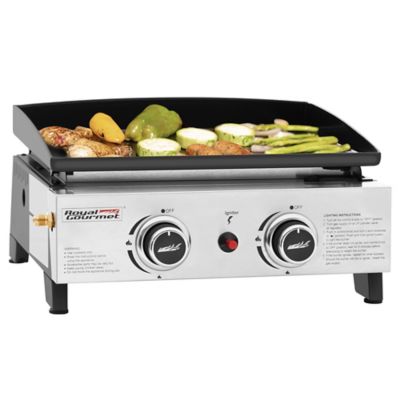
$89
.99
Sale Was $99.99 Save $10.00 (10%)
Best Of FAQ
What are the benefits of having a portable gas BBQ grill for Fourth of July celebrations?
Portable gas BBQ grills offer convenience for outdoor gatherings like Fourth of July parties because they are easy to transport, quick to set up, and allow for fast, even cooking. Their portability makes them ideal for picnics, tailgates, or backyard events.
How do I maintain my portable gas BBQ grill after a holiday cookout?
After enjoying your portable gas BBQ grill, let it cool completely before cleaning. Remove any food debris from the grates, wipe down surfaces with a damp cloth, and check the burners for blockages. Regular maintenance helps extend the life of your grill.
Can I bring a portable gas BBQ grill to different outdoor locations?
Yes, portable gas BBQ grills are designed for versatility and can go along to campsites, parks, beaches, or your own backyard. Always check local regulations regarding grilling in public spaces before bringing your grill.
What features should I look for in a portable gas BBQ grill for holiday gatherings?
Look for features such as easy ignition systems, sturdy construction, ample cooking space, foldable legs or handles for transport, and compatibility with standard propane canisters to ensure convenience during holiday events.
Are there any tips for grilling popular Fourth of July foods on a portable gas BBQ grill?
For classic Fourth of July foods like burgers and hot dogs, preheat your grill thoroughly and use medium heat to avoid flare-ups. Keep the lid closed as much as possible to retain heat and flavor. Bring along grilling tools and serving trays to make outdoor cooking easier.
Best Sellers
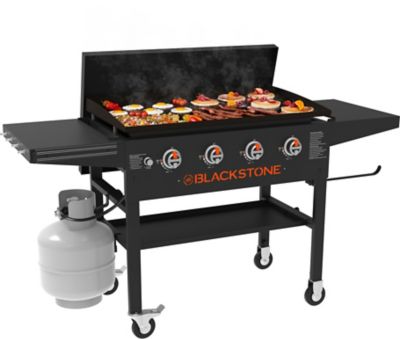
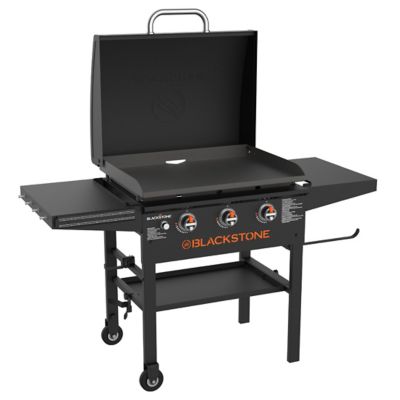
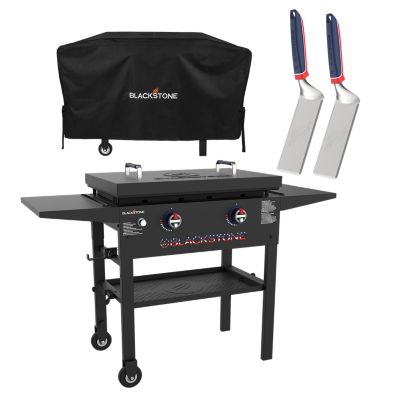
-
"Great investment! Love the new griddle"
-
"bought for our boat. had a round kettle, too small. looked @ all options. found this @ TS best price"
-
"Love this! Only wish a lid came with it, otherwise a great product"
-
"It starts easy, love that it’s on 4 wheels for easy moving, see through window while cooking, they put"
-
"Best thing to buy your boyfriend/husband won’t have to dirty up so many dishes nor do you have to cook"