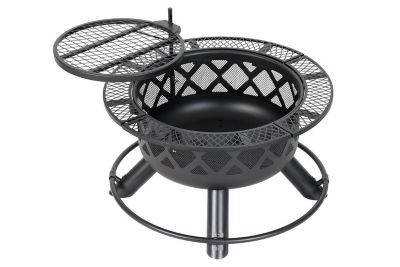
4th Of July Sale On Backyard Cookout Equipment
Fire up the grill and get ready to celebrate with big savings during our 4th of July sale on backyard cookout equipment. Whether you’re planning a family BBQ, a neighborhood get-together, or just enjoying good food under the stars, we’ve got everything you need to make your outdoor gathering a hit. Stock up on all the essentials and make this Independence Day one to remember. Shop now and enjoy great deals on backyard cookout gear perfect for summer fun.
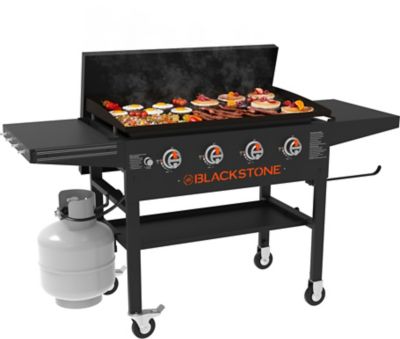
$349
.99
Sale Was $399.99 Save $50.00 (13%)
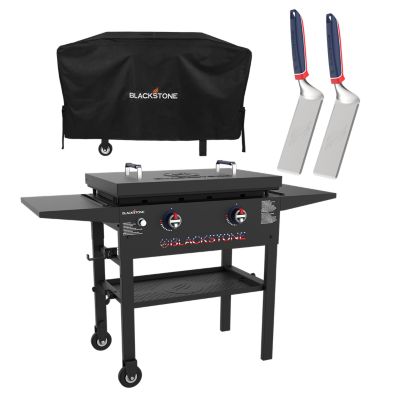
$329
.99
Sale Was $399.99 Save $70.00 (18%)
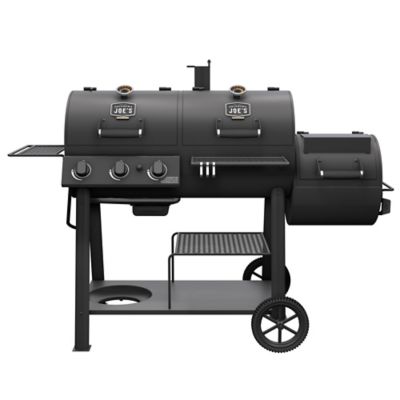
$529
.99
Sale Was $599.99 Save $70.00 (12%)
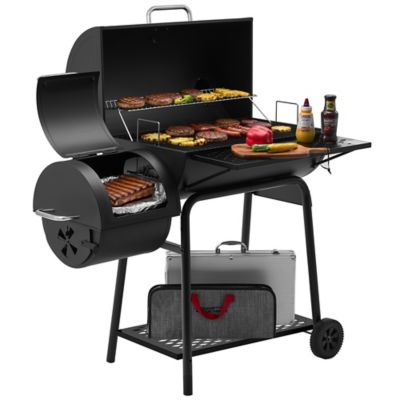
$119
.99
Sale Was $134.99 Save $15.00 (11%)
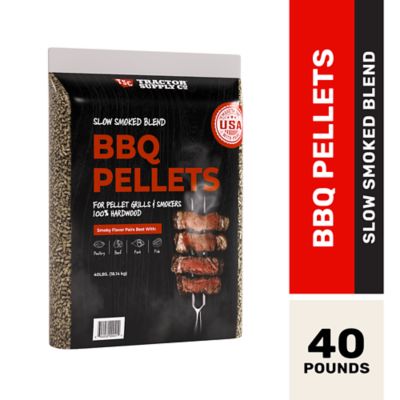
$9
.99
Sale Was $12.99 Save $3.00 (23%)
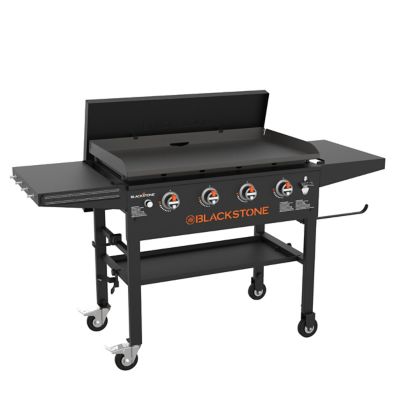
$349
.99
Sale Was $399.99 Save $50.00 (13%)
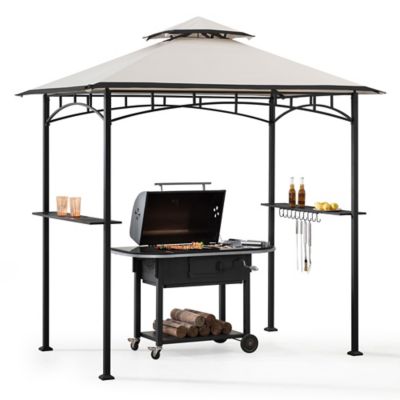
$109
.99
Sale Was $200.99 Save $91.00 (45%)
$163
.99
Sale Was $217.99 Save $54.00 (25%)
$280
.99
Sale Was $329.99 Save $49.00 (15%)
$109
.99
Sale Was $122.99 Save $13.00 (11%)
$269
.99
Sale Was $299.99 Save $30.00 (10%)
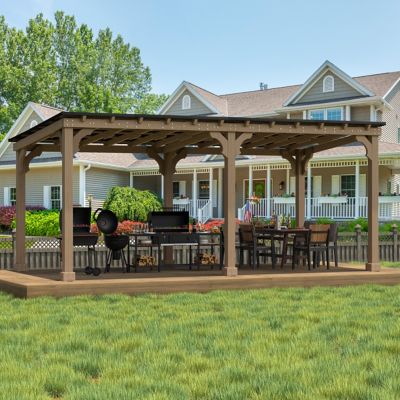
$1,399
.99
Sale Was $1,499.99 Save $100.00 (7%)
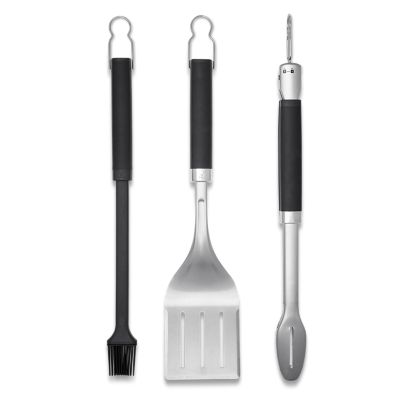
$23
.99
Sale Was $39.99 Save $16.00 (40%)
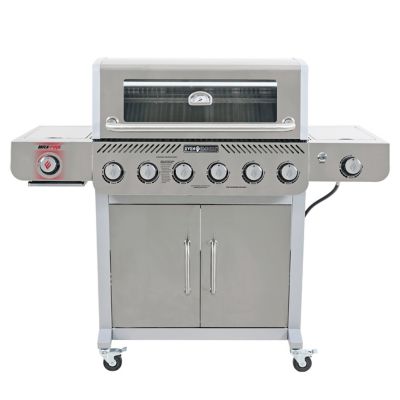
$479
.99
Sale Was $549.99 Save $70.00 (13%)
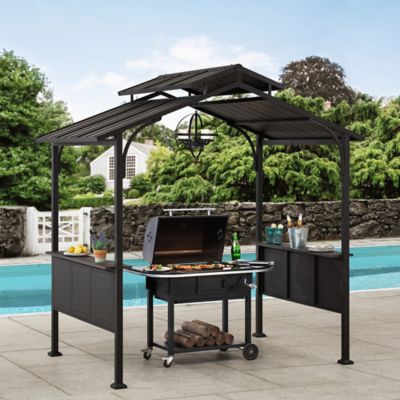
$499
.99
Sale Was $899.99 Save $400.00 (44%)
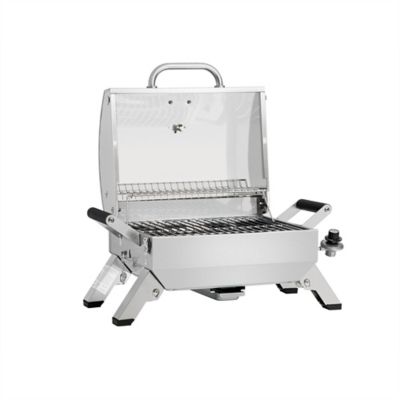
$119
.99
Sale Was $134.99 Save $15.00 (11%)
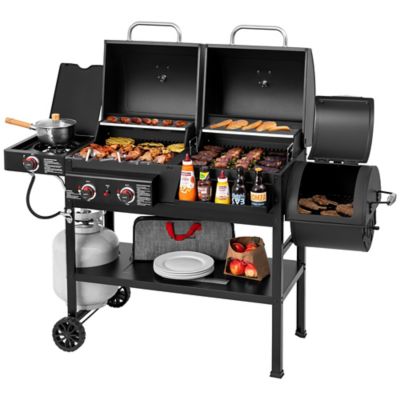
$339
.99
Sale Was $379.99 Save $40.00 (11%)
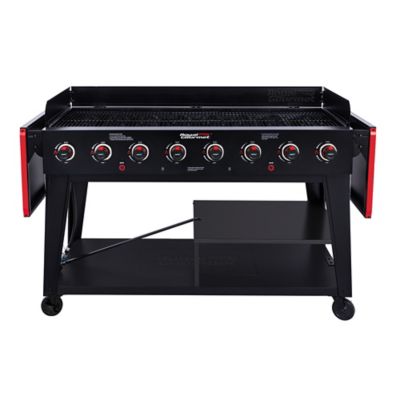
$489
.99
Sale Was $549.99 Save $60.00 (11%)
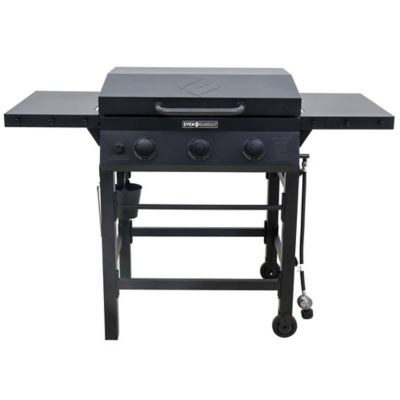
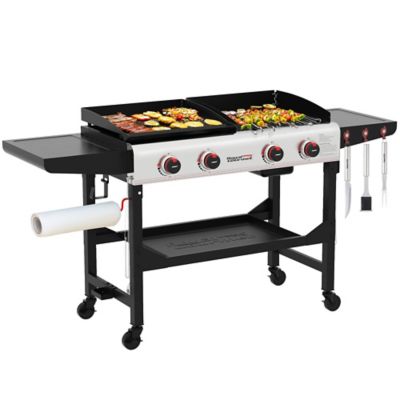
$229
.99
Sale Was $259.99 Save $30.00 (12%)
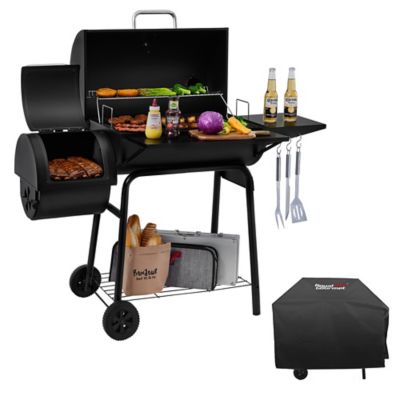
$159
.99
Sale Was $169.99 Save $10.00 (6%)
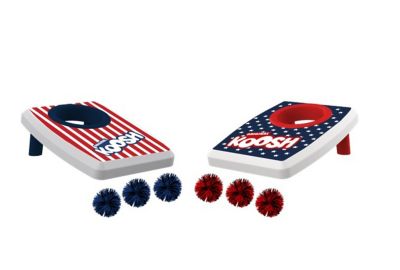
$29
.99
Sale Was $49.99 Save $20.00 (40%)
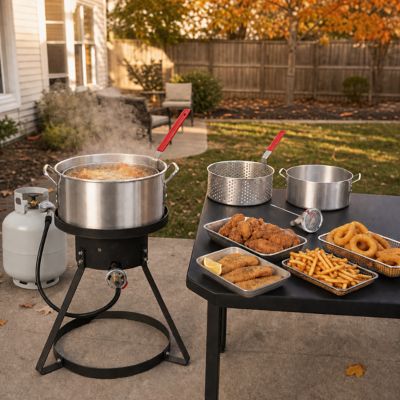
$89
.99
Sale Was $99.99 Save $10.00 (10%)
$159
.99
Sale Was $179.99 Save $20.00 (11%)
Best Of FAQ
What types of backyard cookout equipment are popular for Fourth of July celebrations?
Popular backyard cookout equipment for Fourth of July includes grills, smokers, outdoor griddles, fire pits, coolers, and portable tables. These items help create a festive atmosphere and make outdoor cooking and entertaining easy and enjoyable.
How can I choose the right grill for my backyard cookout?
When choosing a grill for your backyard cookout, consider factors such as fuel type (charcoal, gas, or electric), cooking capacity, portability, and additional features like side burners or warming racks to suit your grilling style and space.
What accessories enhance the backyard cookout experience?
Accessories like grilling utensils, meat thermometers, grill covers, outdoor lighting, folding chairs, and serving trays can enhance your backyard cookout by making food preparation easier and creating a comfortable environment for guests.
Are there any tips for setting up an efficient outdoor cooking area?
To set up an efficient outdoor cooking area, arrange your grill or smoker on a flat surface away from flammable materials. Keep prep tables nearby for convenience, organize utensils within reach, and provide shaded seating to keep guests comfortable.
What are some creative ways to decorate my backyard for a Fourth of July cookout?
Decorate your backyard with patriotic-themed tablecloths, banners, string lights, and reusable dinnerware in red, white, and blue. Incorporate festive centerpieces and provide lawn games to create a fun and inviting atmosphere for your celebration.
Best Sellers
-
"This is great to use year round. I love the top grill part. It works great for grilling hot dogs"
-
"Love it!!! Perfect size and looks really great. We didn��t use it as a grill Gazebo"
-
"I never use my grill and this does a great job and works best with my needs"
-
"Love Love love... it's beautiful in my backyard. I made a great decision on my purchase"
-
"I never use my grill and this does a great job and works best with my needs"