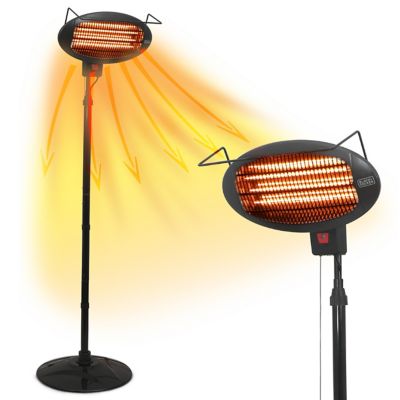
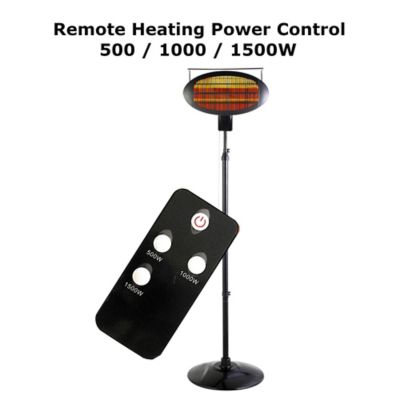
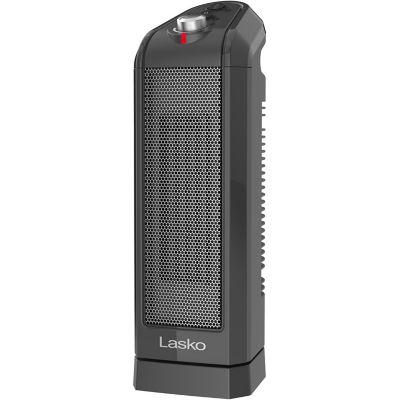
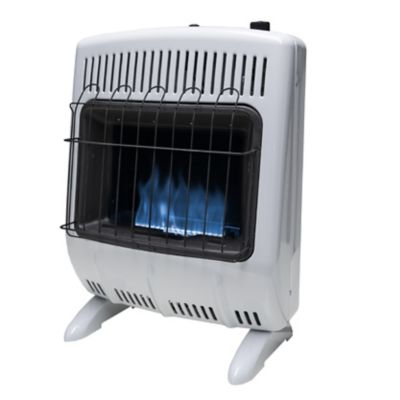
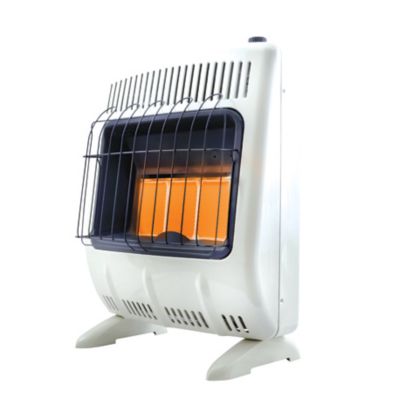
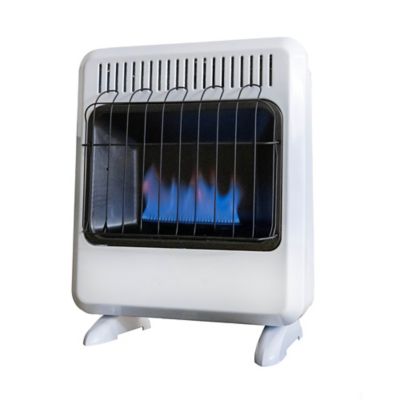
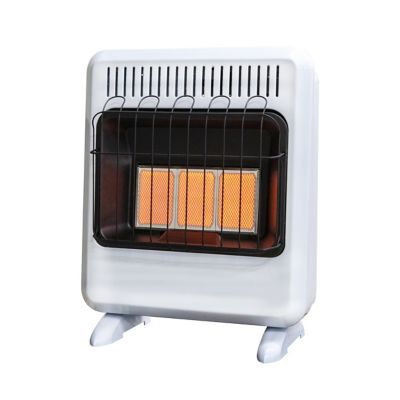
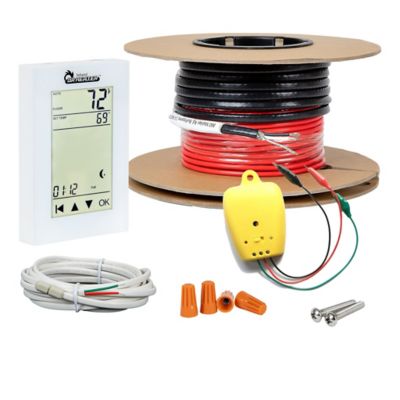
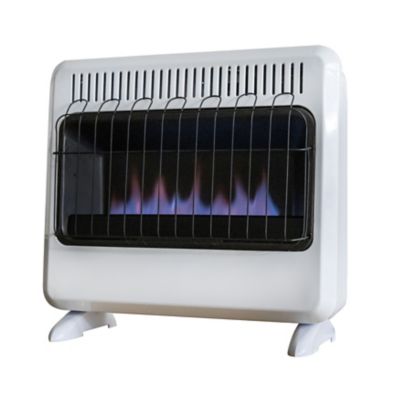
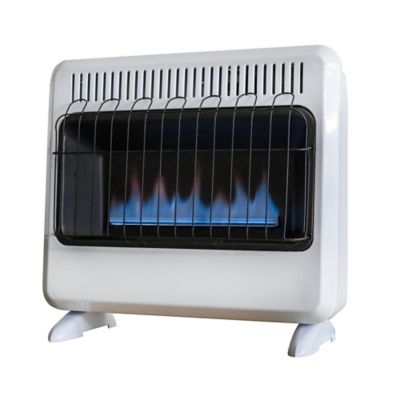
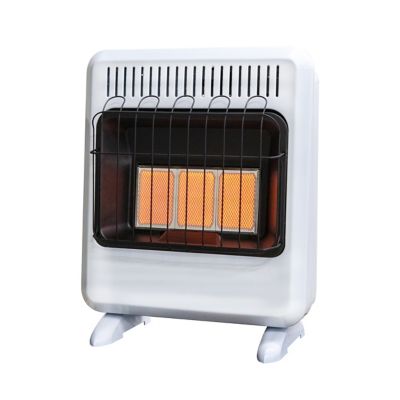
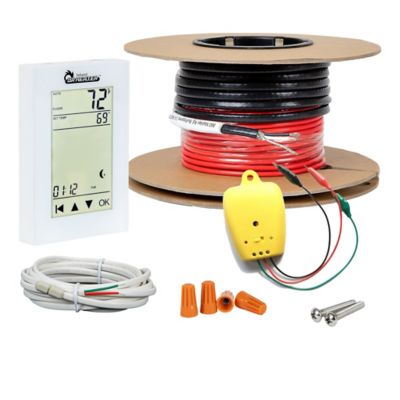
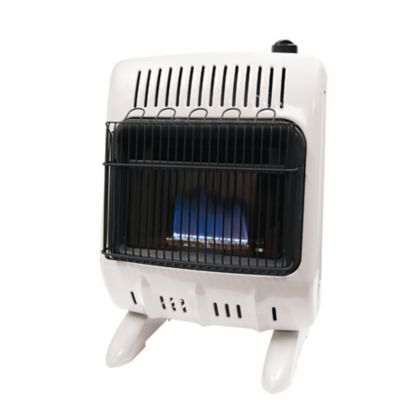
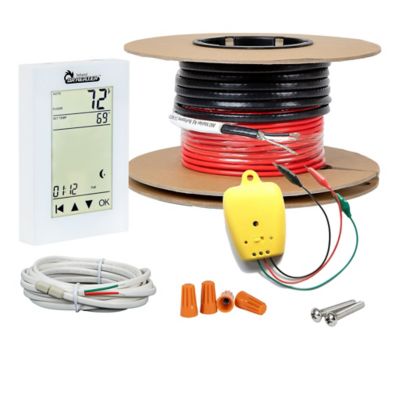
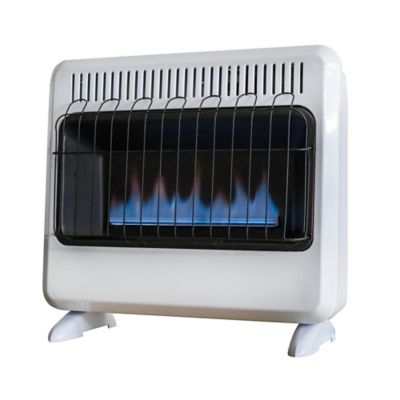
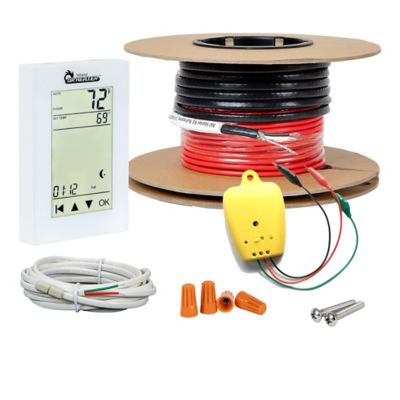
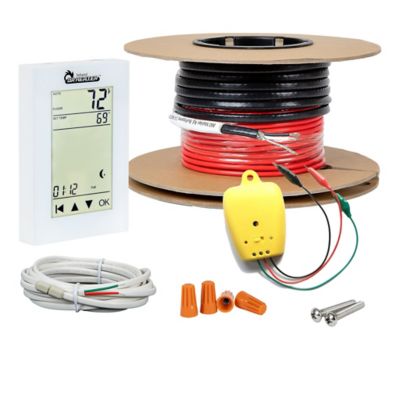
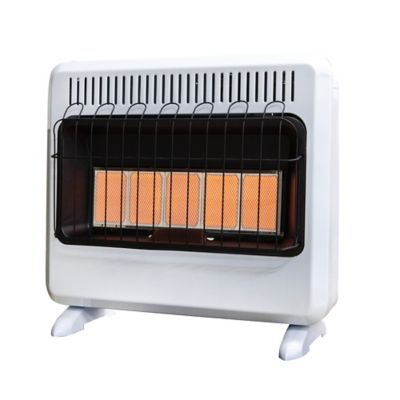
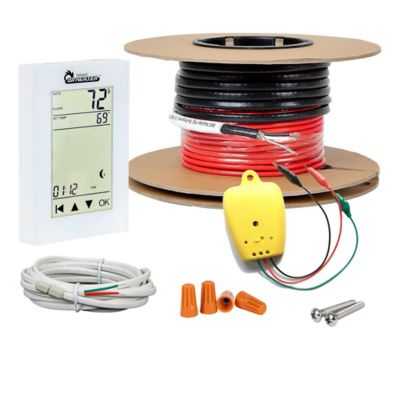
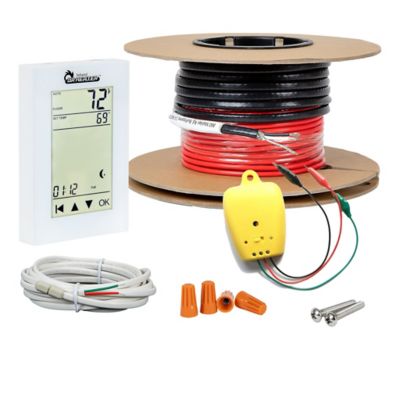
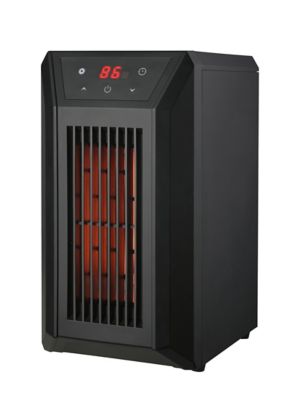
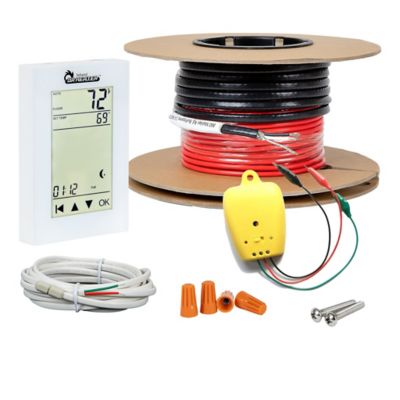
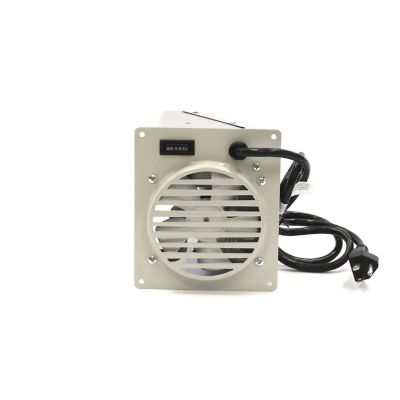
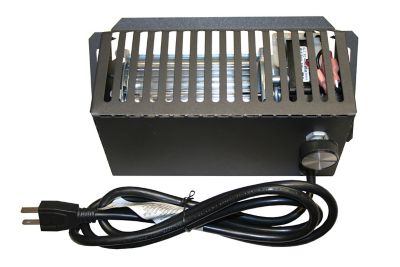
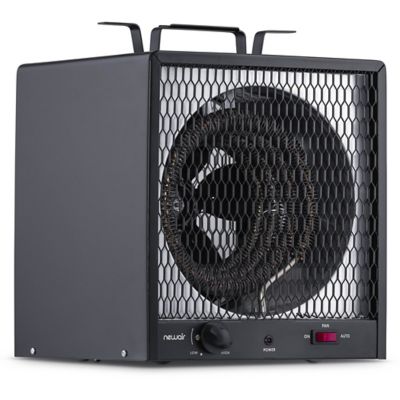
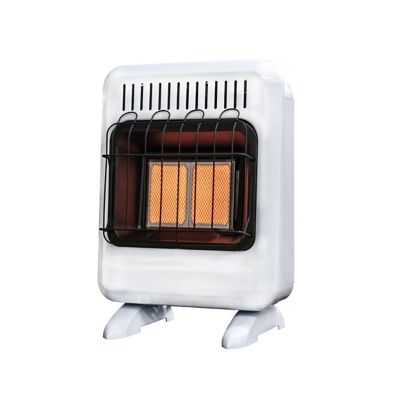
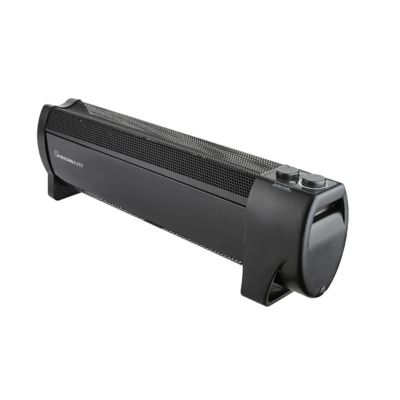
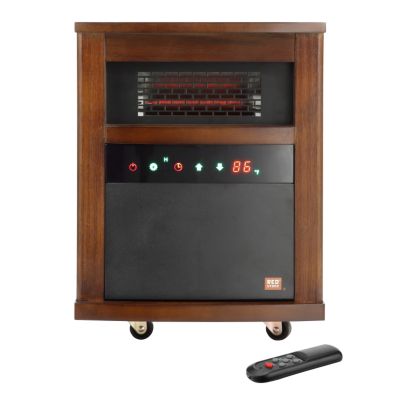
Floor heaters bring warmth close to where a room often feels coldest: down by your feet. The term covers several kinds of heating equipment, including radiant systems installed beneath finished flooring, recessed electric heaters fitted into floor openings, and portable heaters that stand on the floor. Each serves a different purpose, so the right match depends on whether the goal is a warm walking surface, extra heat in one room, or heating built into a larger renovation. Radiant floor heating sends warmth upward from electric cables, heating mats, or tubing carrying heated water beneath the floor. It can take the chill off bathroom tile, make a kitchen more comfortable for early starts, or add steady warmth to a finished basement. Electric systems generally suit individual rooms or defined floor areas, while hydronic systems often make more sense when heating several rooms during new construction or substantial remodeling. Hydronic tubing connects to a compatible hot-water heating system, with controls and circulating equipment matched to the installation. Recessed fan-forced floor heaters work differently: they draw room air across an electric heating element and send warmed air back into the space through a floor-level grille. They need an opening and mounting arrangement that meet the heater’s specifications, not simply an empty floor register. Portable floor-standing heaters provide supplemental warmth without opening up the floor, making them a different fit for a home office or another occupied room that needs a little extra heat. Shoppers comparing those options can also explore
Space Heaters for room-heating equipment suited to different layouts and everyday routines. Built-in floor heating keeps equipment out of the walking path, while portable designs offer flexibility within the limits of their electrical and placement requirements. Neither approach automatically replaces a home’s main heating system. Whether a floor heater can carry the full heating load depends on its output, the building’s heat loss, the local climate, and the area it is designed to serve.
Flooring material and room construction have a big say in how underfloor heating performs. Tile and stone transfer heat well, which makes radiant heating a practical pairing for bathroom floors, mudrooms, and kitchen work areas. Engineered wood, laminate, vinyl, and carpet require closer attention to the flooring manufacturer’s approval, temperature limits, and installation requirements. Even when the floor covering is compatible, the underlayment, adhesive, and heating system must work together. Thick carpet and padding can slow heat transfer, while some wood and resilient flooring need carefully limited surface temperatures. Electric heating mats hold cable in a set layout, while separate cable systems allow more flexibility around an irregular floor plan; neither should be trimmed or altered unless the manufacturer expressly permits it. The heated area is not always the same as the room’s total square footage. Fixed cabinets, tubs, and other permanent fixtures can change the usable layout, and the system’s instructions determine where heating elements belong. A small bathroom with a broad vanity may need much less heating coverage than its overall dimensions suggest. Insulation beneath a radiant assembly can help direct more heat toward the living space, but its type and placement depend on the floor construction and system design. Recessed floor heaters bring another set of fit considerations, including opening dimensions, installation depth, structural framing, wiring access, and required clearances. A floor grille also needs a rating appropriate for its location and expected foot traffic. Metal housings and grilles protect internal components, but their construction alone does not establish suitability for damp rooms, dusty work areas, or heavy traffic. Output, voltage, thermostat compatibility, and circuit requirements matter just as much as physical size. A heater that fits the opening still needs to match the electrical supply and room’s heating demand. Professional sizing and installation are especially important for hardwired equipment and hydronic systems, where the work may involve electrical connections, plumbing, structural details, and local permits.
Daily comfort depends on the controls and the way a room gets lived in. A radiant floor with a thick tile or concrete assembly may warm gradually and hold heat after the system cycles off, while a fan-forced heater generally delivers a more immediate stream of warm air. That distinction matters in a kitchen occupied for hours compared with a spare room visited only briefly. Thermostats with scheduling functions can align operation with household routines, and floor sensors can help regulate surface temperature where the heating system and floor covering require them. Radiant equipment has no room-side fan, though a hydronic installation may still produce sound from pumps or other mechanical components. Fan-forced equipment adds airflow and operating sound, so placement deserves thought in bedrooms and quiet sitting areas. Energy consumption depends on heat loss, insulation, thermostat settings, operating time, and the heat source; floor-level placement by itself does not guarantee lower energy use. Care is mostly about protecting the installation and keeping the heat path clear. Rugs, thick mats, and furniture with little clearance underneath can trap heat over some radiant systems, so follow the approved covering and furniture restrictions. Keep recessed grilles free of dust, pet hair, and clutter, and clean only as directed after shutting off power and allowing the heater to cool. Built-in systems also call for care during later flooring work: drilling, nailing, or cutting into an assembly can damage concealed cables or tubing. Portable electric heaters need a stable, level surface and the manufacturer’s required clearance from curtains, bedding, furniture, and other combustible materials. Plug them directly into a suitable wall outlet rather than an extension cord or power strip, and turn them off before leaving the room or going to sleep. Tip-over shutoff and overheat protection are helpful features, but they do not replace careful placement. For households with children or pets, accessible hot surfaces deserve particular attention. Matching the heater to the floor, room, and daily routine helps bring comfortable warmth to the places where folks spend their time.