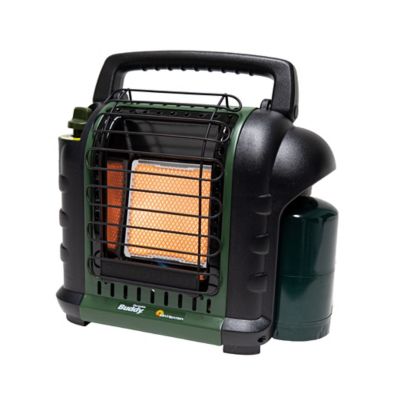
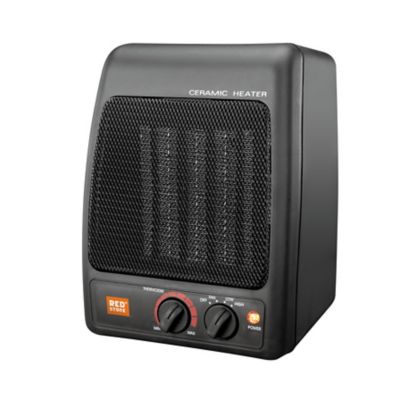
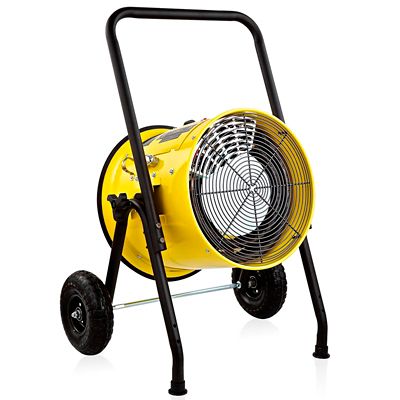
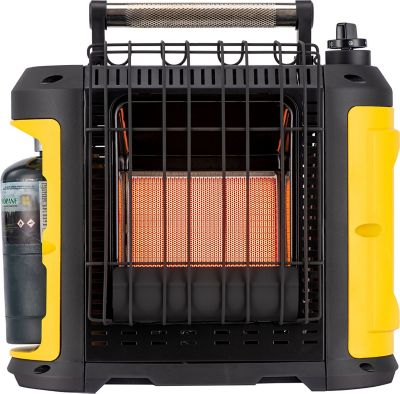
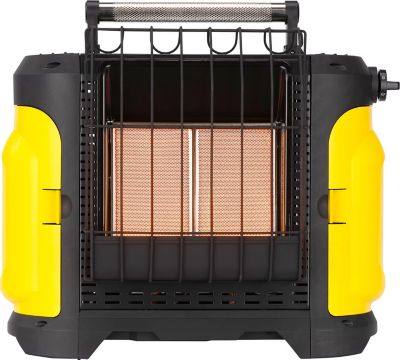
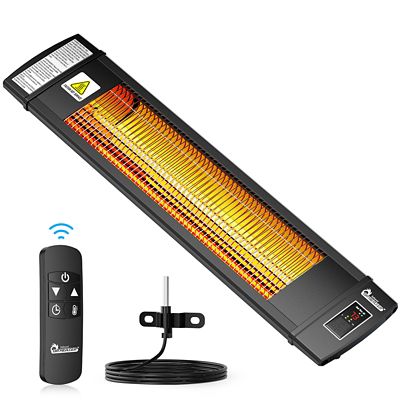
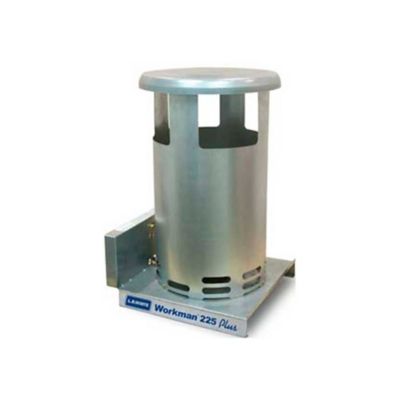
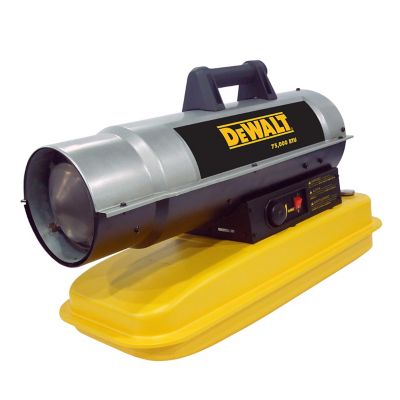
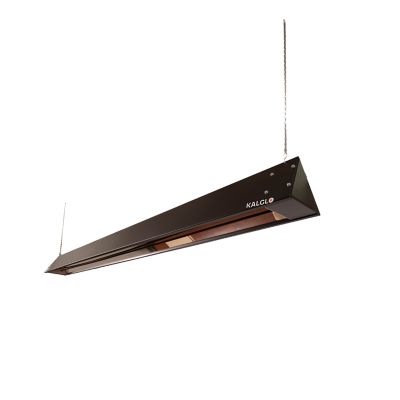
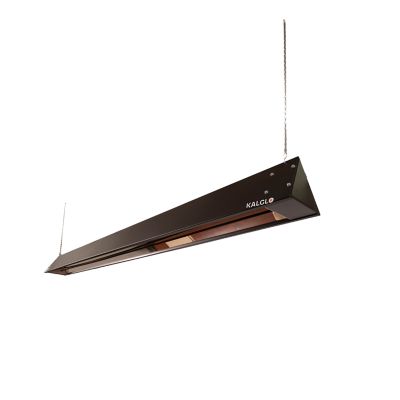
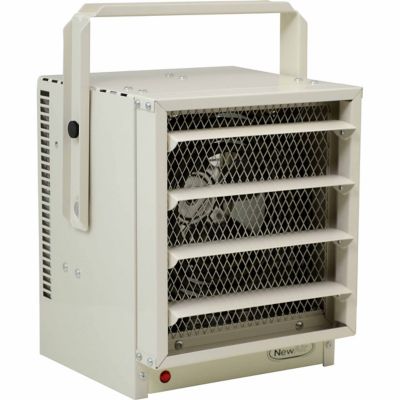
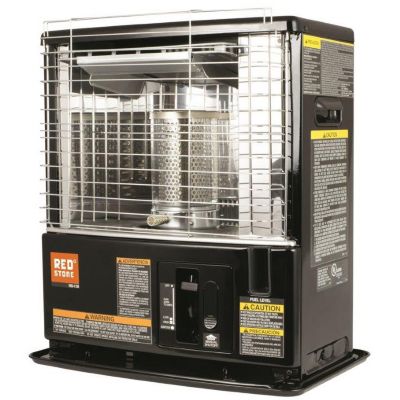
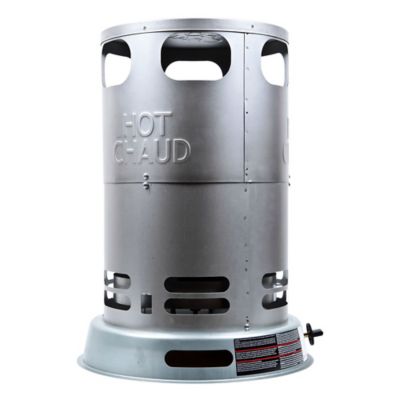
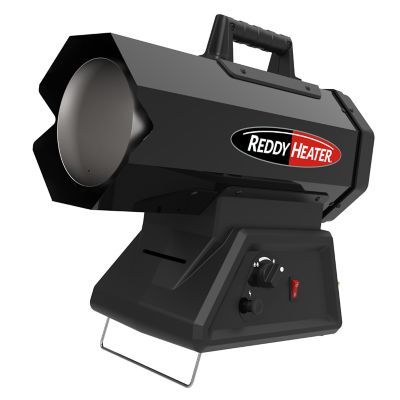
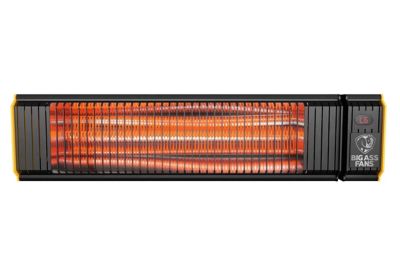
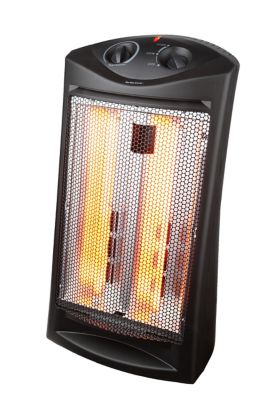
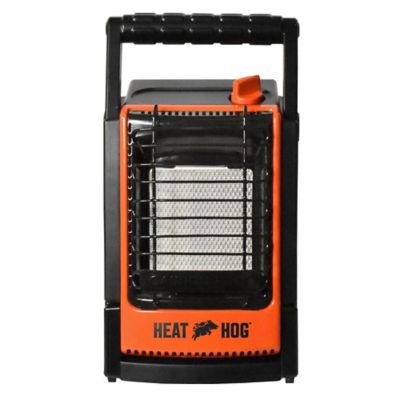
The best fit for a shed heater depends on three things: whether the shed has electricity, how well it holds heat and what kind of work goes on inside. A small, insulated shed where someone spends an afternoon sharpening tools has different heating needs from a drafty outbuilding where the doors stay open while equipment gets moved around. In the first space, a heater sized for the room can bring the whole work area up to a comfortable temperature. In the second, warmth aimed at an occupied work spot may make more sense than trying to heat the air from wall to wall. Square footage is a useful starting point for comparing shed heaters, but ceiling height, insulation and gaps around the doors matter, too. Two sheds with the same footprint can feel nothing alike when one has a low, insulated ceiling and the other has open rafters and daylight showing under the doors. How long someone plans to stay also makes a difference. A short stop to sort hardware or get gear ready for chores calls for warmth where it can be felt soon after the heater comes on. A few hours of working at the bench may call for steadier heat that reaches beyond one spot. Radiant heat warms people and surfaces in its path, so it can take the edge off at a bench without warming every corner first. Fan-forced heat moves warmed air around the room and suits enclosed sheds where work carries from the bench to the shelves and back again. A thermostat can help keep the space comfortable over a longer stretch without constant adjustments. None of those features can make up for heat that keeps escaping through an open bay or a poorly sealed door, and comfort at the bench doesn’t mean the far side of the shed will stay above freezing.
Electric shed heaters can be a straightforward fit when the building has a circuit that can handle the heater’s electrical draw. An outlet near the bench is handy, but the circuit behind it still matters, especially if a saw or compressor runs on that same circuit. A portable electric heater belongs directly in a suitable wall outlet, not on an extension cord or power strip stretched across the floor. A permanently mounted electric heater may call for a dedicated circuit or professional installation. The choice between portable and mounted heat often comes down to how the shed is laid out. A portable heater makes sense for short, supervised stretches of work in a space with a clear, level place to set it. A mounted heater keeps the floor clear in a narrow shop where cords, boots and rolling equipment already compete for room. For occasional projects that don’t call for a permanent setup,
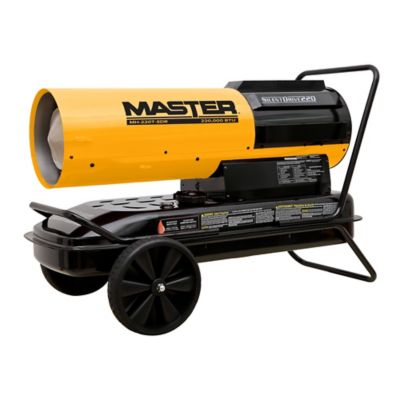
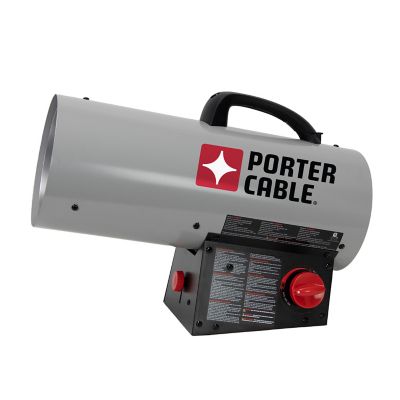
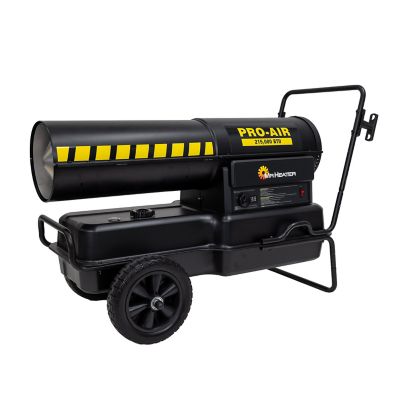
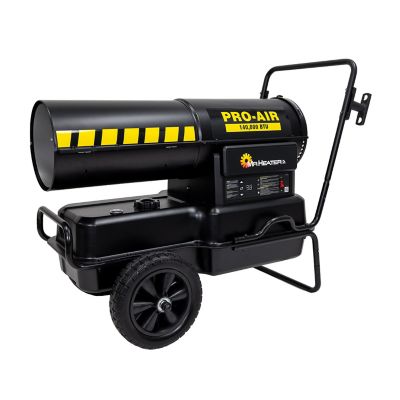
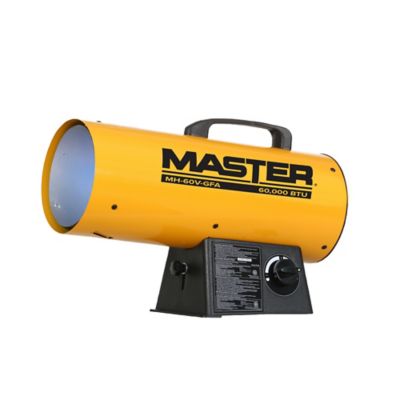
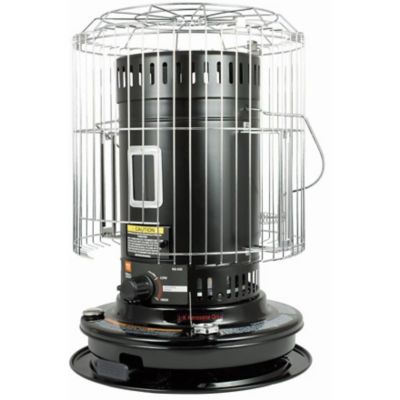
Temporary Heaters offer another way to compare heat sources for short stretches of work. In a shed without electricity, though, an outdoor heater is not a substitute for indoor heat. Any fuel-burning heater in an enclosed shed needs to be approved for that setting, with the combustion air, ventilation or venting specified by the manufacturer and required by local codes. A cracked door doesn’t make an outdoor heater safe indoors. A properly installed vented heater may suit an outbuilding that sees regular work, though some models still need electricity for a fan or controls. Carbon monoxide alarms provide a warning, not a substitute for proper installation or venting. The work itself matters, too: a shed with gasoline, solvent vapors or airborne sawdust may not be a safe place to run a heater, whether it’s electric or fuel-burning.
A heater also has to fit the physical space around it, not just the room size printed on the box. In a tight shed, the spot that looks open with the door shut may sit in the path of a swinging door or end up crowded once lumber and gear come back off the bench. A good location leaves the required clearance from shelving, walls and anything that can burn, while keeping air intakes and outlets clear. Wall and ceiling mounts need suitable support and enough room to meet the installation clearances. For a portable model, a steady base, a tip-over shutoff and overheat protection are worth looking for, but those features don’t make it safe to leave a portable heater running unattended. Materials matter in a working shed, where a housing might get bumped and a grille can collect dust. Steel housings can hold up to the everyday knocks of a shop, and a finish that resists corrosion can be useful in an outbuilding prone to condensation. That finish alone doesn’t make a heater suitable for damp conditions. The heater’s rating needs to match the location, especially where wet equipment comes through the door or moisture collects on the walls. Care is part of the fit, too. Accessible grilles make routine cleaning less of a chore, particularly in a shop where dust settles on just about everything. An electric heater should be off, unplugged if it has a plug, and cool before cleaning as directed by the manufacturer. A worn cord or a damaged plug is a reason to stop running it, not something to tuck behind the bench. Vented equipment has its own maintenance needs, including keeping the vent clear and sticking to the specified service schedule. For a homeowner fixing mower parts, a woodworker fitting a joint or someone doing repairs after barn chores, the right shed heater puts warmth where the work happens without getting in the way of the work itself.