Energy Efficient Ceiling Fans For Barns
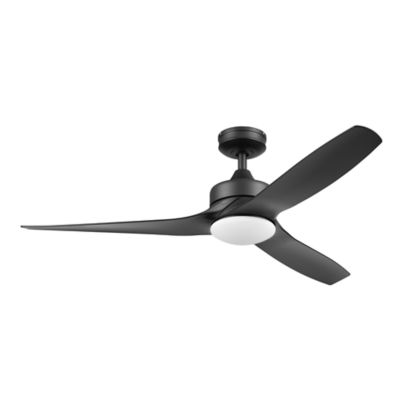
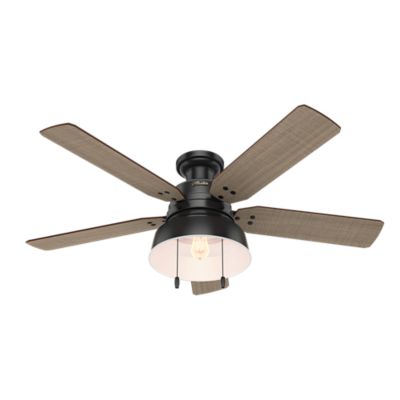
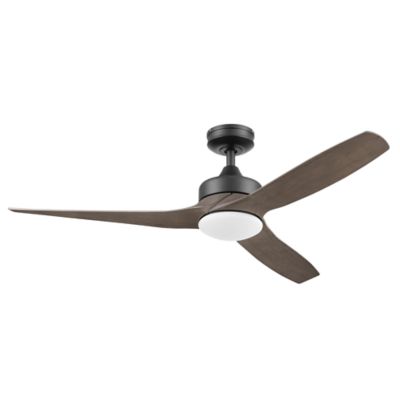
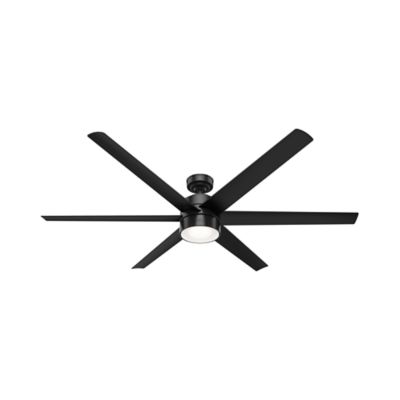
Keeping your barn cool and comfortable doesn’t have to cost a fortune. With Energy Efficient Ceiling Fans For Barns, you can keep the air moving while saving on energy bills. Designed for hardworking spaces like yours, these fans are built to handle the demands of rural life, helping you create a healthier environment for animals and workers alike. Find the right size and style to fit your barn and enjoy a breeze that works as hard as you do.
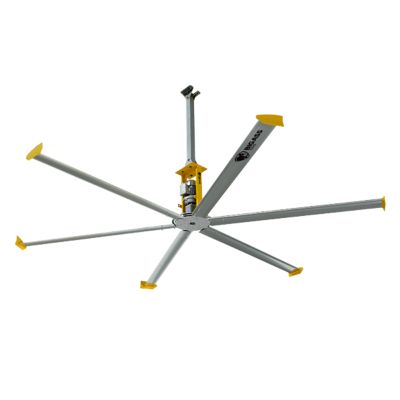
$3,719
.20
Sale Was $4,499.99 Save $780.79 (17%)
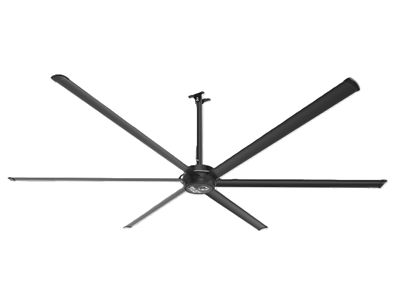
$3,599
.20
Sale Was $4,499.99 Save $900.79 (20%)
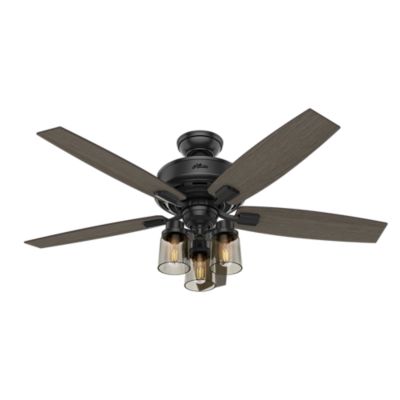
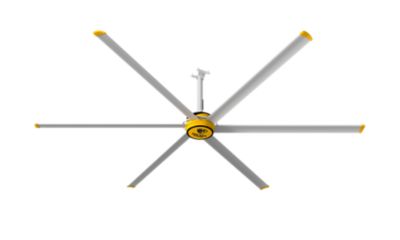
$3,359
.20
Sale Was $4,199.99 Save $840.79 (20%)
$3,439
.20
Sale Was $4,299.99 Save $860.79 (20%)
$103
.99
Sale Was $129.99 Save $26.00 (20%)
$3,279
.20
Sale Was $4,099.99 Save $820.79 (20%)
$127
.99
Sale Was $159.99 Save $32.00 (20%)
$127
.99
Sale Was $159.99 Save $32.00 (20%)
$103
.99
Sale Was $129.99 Save $26.00 (20%)
$239
.99
Sale Was $299.99 Save $60.00 (20%)
$207
.99
Sale Was $259.99 Save $52.00 (20%)
$199
.99
Sale Was $249.99 Save $50.00 (20%)
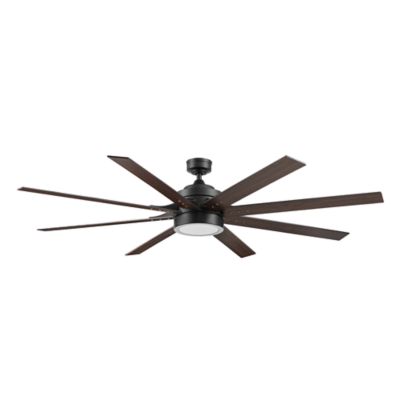
$279
.99
Sale Was $349.99 Save $70.00 (20%)
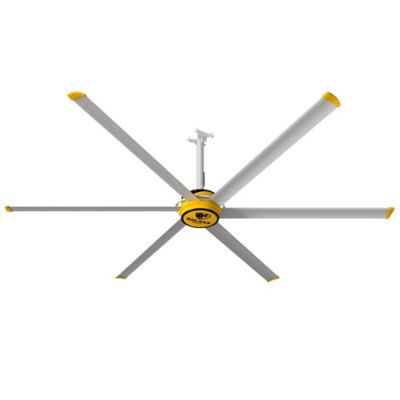
$3,199
.20
Sale Was $3,999.99 Save $800.79 (20%)
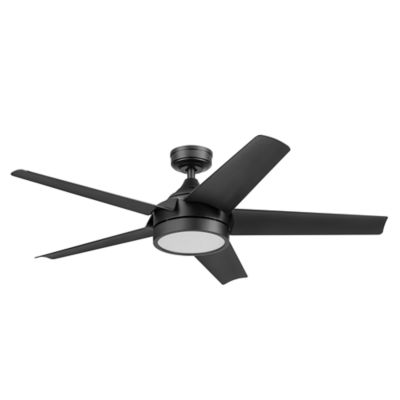
$183
.99
Sale Was $229.99 Save $46.00 (20%)
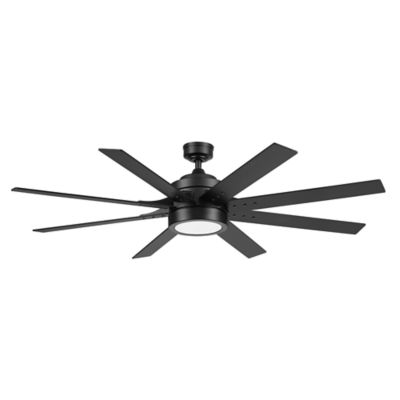
$239
.99
Sale Was $299.99 Save $60.00 (20%)
Best Of FAQ
What features should I look for in an energy efficient ceiling fan for my barn?
When choosing an energy efficient ceiling fan for your barn, consider features such as high airflow ratings (CFM), energy-saving motors like DC motors, multiple speed settings, and reversible blades for year-round use. Look for fans with ENERGY STAR certification for added efficiency.
How do energy efficient ceiling fans help reduce electricity usage in barns?
Energy efficient ceiling fans rely on advanced motor technology and optimized blade designs to move more air while consuming less power. This helps maintain comfortable temperatures in barns with lower electricity consumption compared to traditional fans.
Can energy efficient ceiling fans operate effectively in barns with high humidity or dust?
Yes, many energy efficient ceiling fans are built with materials and sealed motors that can handle high humidity and dusty environments commonly found in barns. Always check the product specifications for suitability in agricultural settings.
Are there specific installation requirements for energy efficient ceiling fans in barns?
Installation requirements may vary depending on the structure of your barn. Generally, it's important to ensure proper mounting to support the fan's weight and allow adequate clearance for airflow. Consulting a professional installer is recommended for optimal performance.
Do energy efficient ceiling fans require special maintenance compared to standard fans?
Energy efficient ceiling fans typically require similar maintenance as standard models, such as regular cleaning of blades and checking electrical connections. Their advanced motors may need less frequent servicing thanks to improved design.
Best Sellers
-
"Ready to go out of the box,easy installation and works great"
-
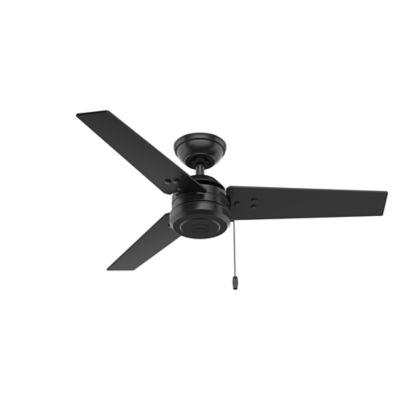
"received the Cassius Outdoor 44 inch fan and we installed it this past weekend on our patio and it works great"
-
"I would love to purchase anothe one and add it to my game room and front porch"
-
"Great fan You will love it so quiet and nice looking"
-
"The dimmer is one of my favorite features along with the home option which is a great security addition"