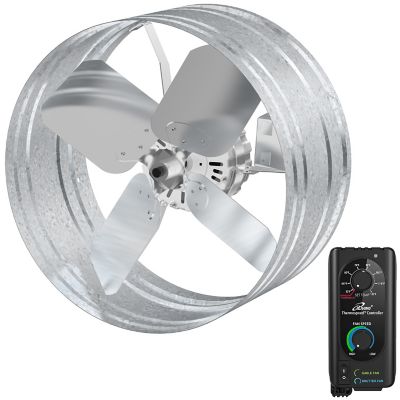
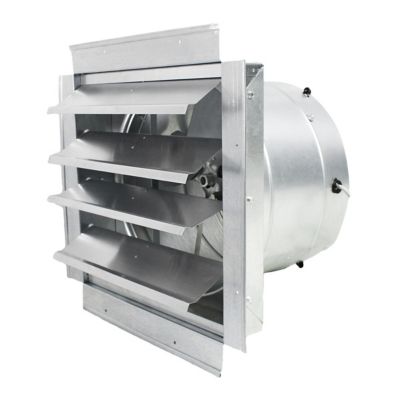
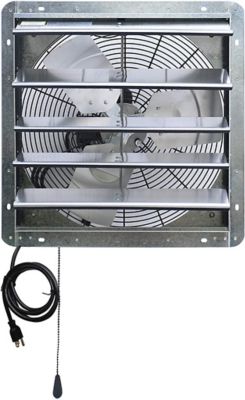
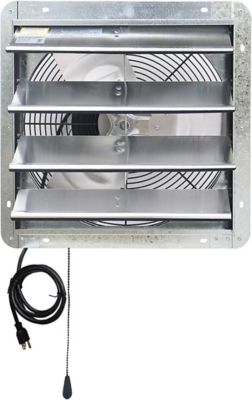
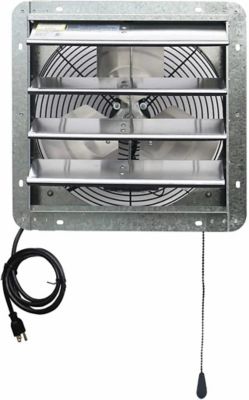
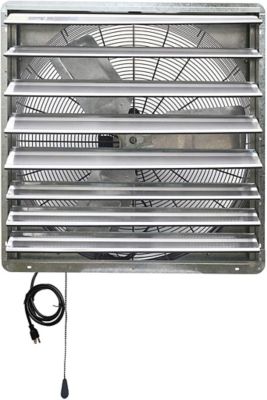
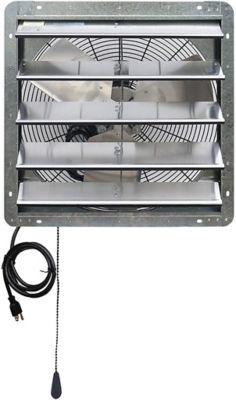
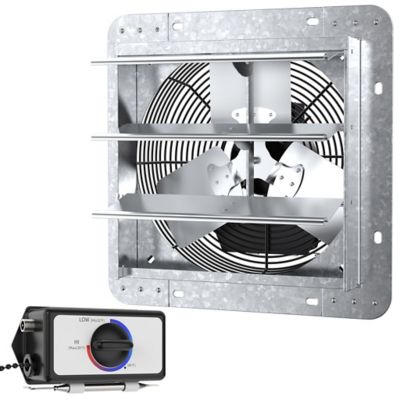
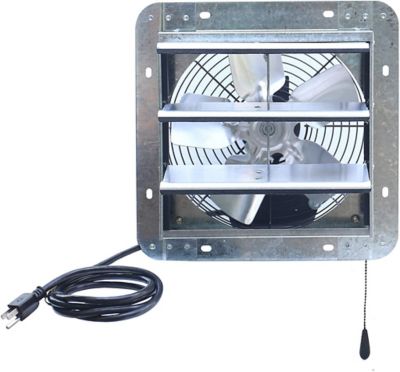
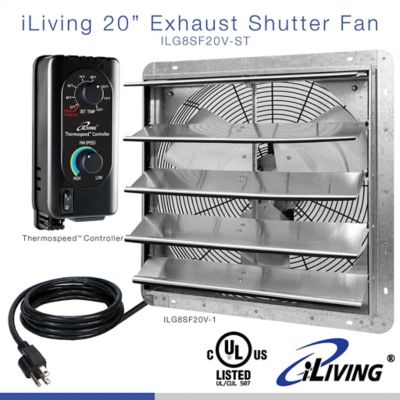
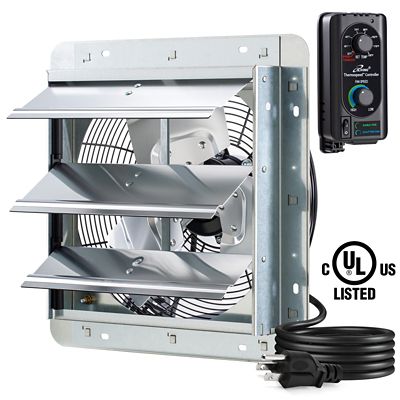
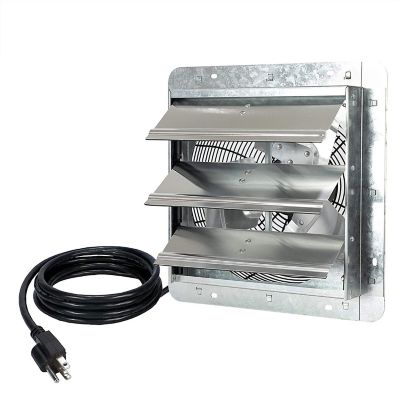
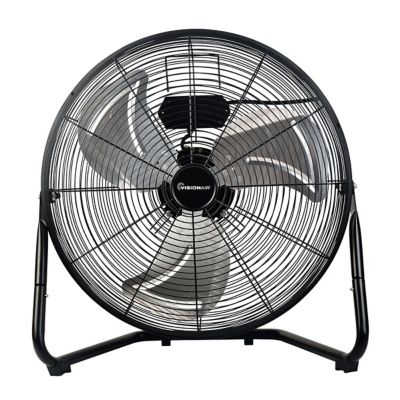
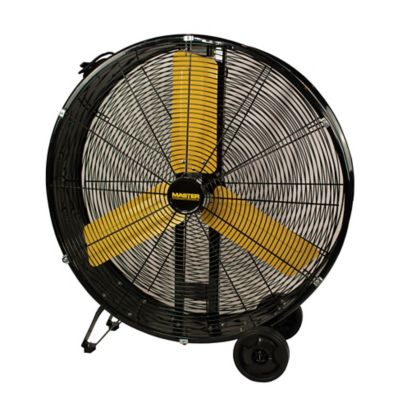
Greenhouse fans help move air around plants and exchange indoor air with outdoor air, making them an important part of managing heat, humidity, and uneven growing conditions. In a greenhouse filled with seed trays, hanging baskets, or rows of vegetables, leaves and benches can interrupt airflow and leave pockets of still air. The right fan arrangement helps keep air moving through those spaces without putting tender growth in a constant blast. Exhaust fans and circulation fans handle different jobs. A greenhouse exhaust fan pulls air out through a wall or gable, while properly sized intake openings let replacement air enter from the opposite end. A circulation fan moves air inside the structure rather than sending it outdoors. Horizontal airflow fans, often called HAF fans, can work together to carry air along the growing area in a steady loop. Pairing circulation with ventilation can help limit temperature differences between one bench and another and reduce moisture buildup around foliage. That matters to backyard gardeners raising transplants, homesteaders tending vegetables, and growers caring for a full house of bedding plants. Picture a packed bench of tomato starts: the plants near an open doorway may get plenty of movement while the trays tucked behind them barely stir. Gentle circulation can reach those quieter spots, though spacing plants properly still matters. Air movement may help foliage dry and reduce conditions that favor some plant diseases, but a fan does not replace watering practices, sanitation, or enough room between plants. Exhaust ventilation also has limits: it cannot, by itself, cool a greenhouse below the temperature of the incoming outdoor air. Its effect on humidity depends partly on outdoor moisture conditions. Shade, ventilation openings, and other growing equipment may need to work alongside fans to maintain suitable conditions for the crop. Greenhouse fans are most helpful when their role matches the space, whether that means exchanging air in a small backyard house or keeping it moving above several long rows of plants.
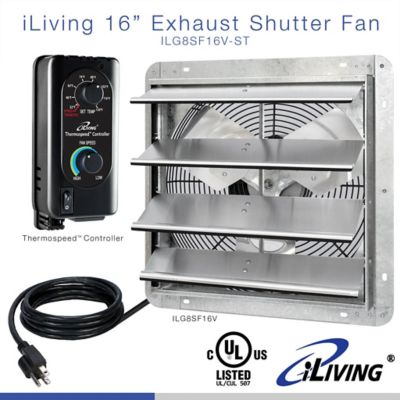
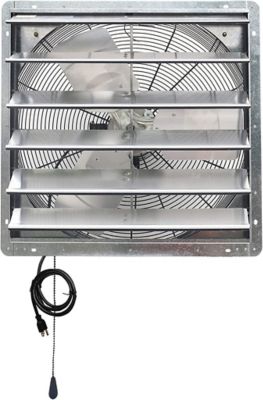
Fan size involves more than blade diameter or the square footage printed on a greenhouse plan. Ceiling height, total interior volume, growing layout, and the path between intake and exhaust all affect how much airflow the space needs. Airflow ratings commonly appear in cubic feet per minute, or CFM, but the conditions behind that rating matter. Shutters, insect screens, louvers, and other restrictions can reduce the amount of air a fan moves after installation, so performance at the expected static pressure is more useful than a free-air rating alone. A large exhaust fan cannot deliver its intended airflow through an intake opening that is too small. For a long greenhouse, fan placement also matters: air needs a clear route through the growing area rather than a short path from a nearby opening straight to the exhaust. Wall-mounted exhaust fans suit structures with an appropriate framed opening, and shuttered designs can help limit unwanted airflow when the fan stops. The opening dimensions, mounting depth, shutter clearance, and support requirements all deserve attention before installation. Thin greenhouse panels are not a substitute for a frame capable of carrying the fan's weight and vibration. Circulation fans may mount overhead or along structural supports, keeping bench space open while directing airflow around the plants. Adjustable mounting angles and compatible speed controls can help adapt that movement as small starts grow into a thicker canopy. Leaves should move gently rather than whip back and forth, and trays nearest the fan may need closer attention because moving air can speed drying. Thermostat controls can switch compatible exhaust fans on when the space reaches a chosen setting, while humidity controls can support moisture management where the ventilation system and outdoor conditions allow. There is no single thermostat setting that fits every greenhouse; lettuce starts and established heat-loving crops have different needs. A sensor placed away from direct sunlight, heaters, and the immediate fan stream gives a more representative reading of the growing space. Compatible controls and sensible placement help the system respond to plant conditions instead of a misleading reading from one corner.
Materials, electrical ratings, and access for cleaning make a real difference in how a greenhouse fan fits everyday chores. Watering splash, damp air, dust from potting mix, and fertilizer exposure can be hard on housings, fasteners, and motors. Depending on the design, galvanized steel, coated metal, aluminum, and certain plastics offer different balances of weight and resistance to corrosion. The whole assembly matters, including blade guards, mounting brackets, bearings, and the motor enclosure; a corrosion-resistant housing alone does not mean a fan is suitable for direct spray. Equipment should carry the manufacturer's rating for its intended environment, with electrical connections protected as specified and ground-fault protection provided where required. Power needs also shape the choice. A corded fan needs a suitable electrical supply, and hardwired equipment may call for professional installation. Solar-powered greenhouse fans can serve spaces away from an electrical hookup, but their output depends on the system design and sunlight reaching the panel. A direct-solar setup without stored power generally will not provide dependable operation after dark, so any need for continuous airflow deserves consideration. Battery support, when included in a compatible system, brings its own capacity and charging requirements. For airflow needs around a porch, open shed, or other spaces beyond the greenhouse,
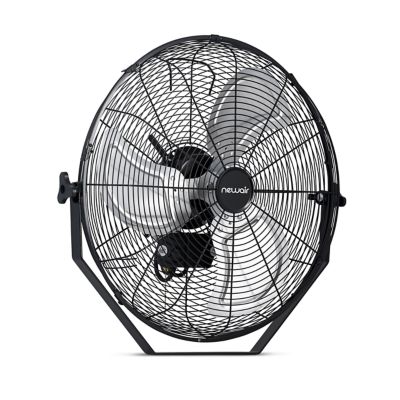
Outdoor Fans offer a related category to consider, with each fan's location rating still guiding its placement. Inside the growing house, easy access to guards and shutters helps with routine upkeep. Dust and plant debris can collect on blades, and dirty shutters may not open or close freely. Disconnecting power before cleaning, following the manufacturer's care directions, and checking brackets and fasteners help keep maintenance straightforward. Lubrication should follow the motor's instructions rather than assumption, since some bearings are sealed. A well-matched greenhouse fan leaves room for watering cans, harvest totes, and the daily walk between benches while supplying the airflow the planting area needs. That practical fit matters as much in a modest home greenhouse as it does in a larger growing operation.