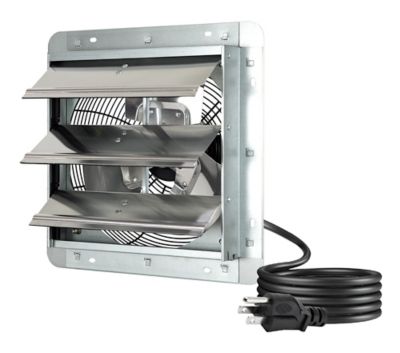
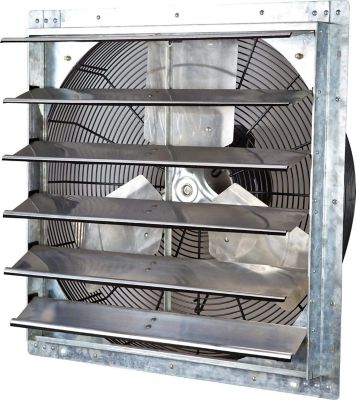
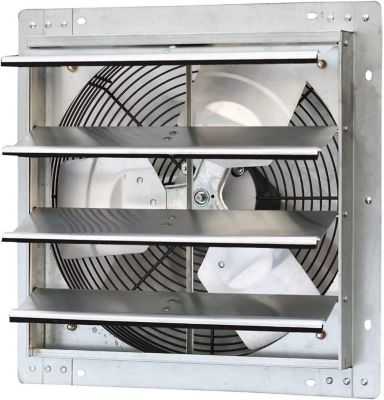
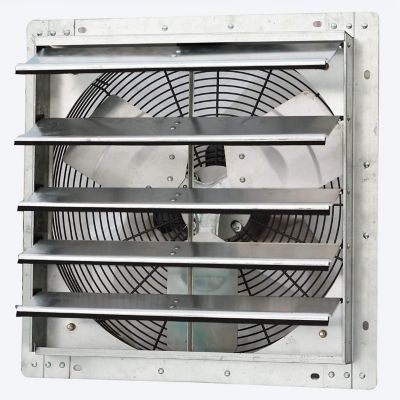
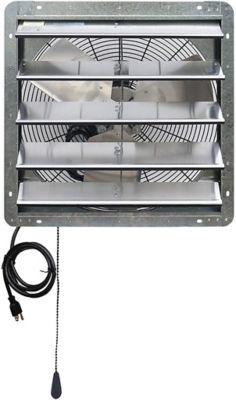
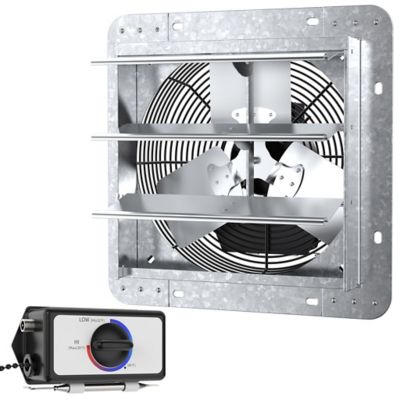
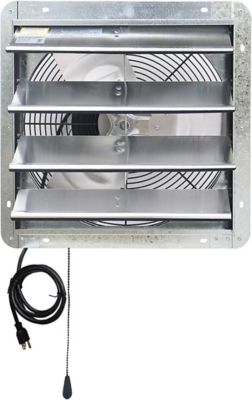
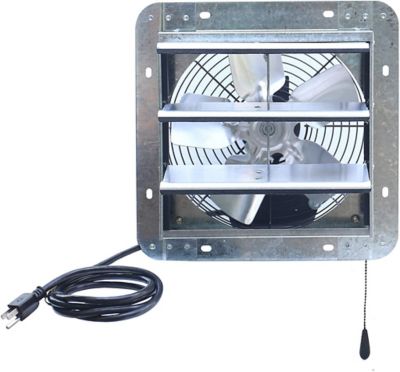
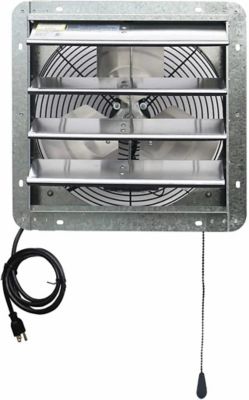
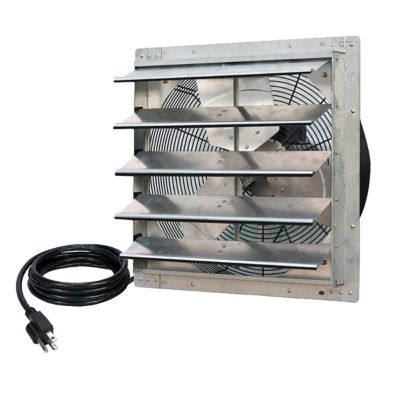
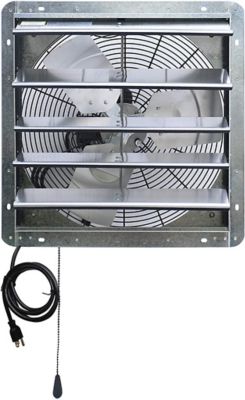
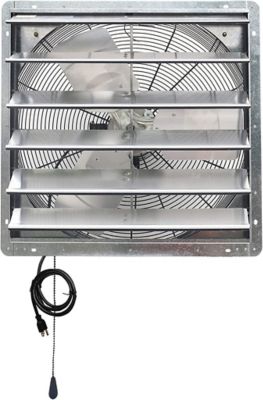
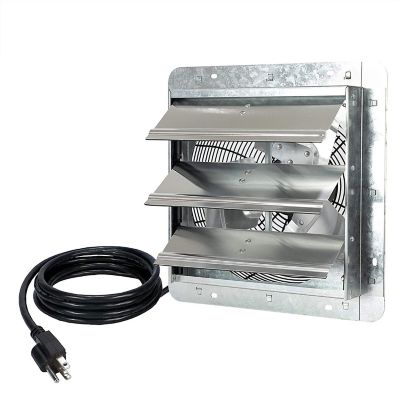
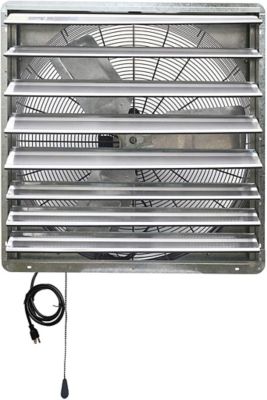
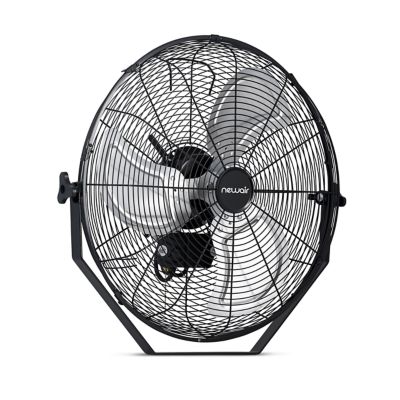
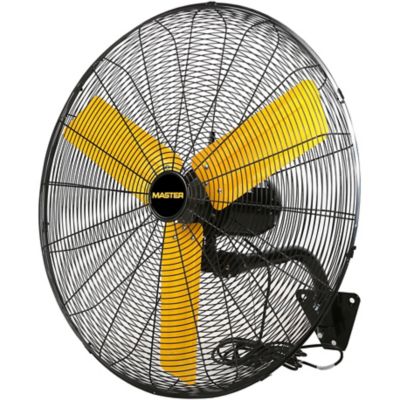
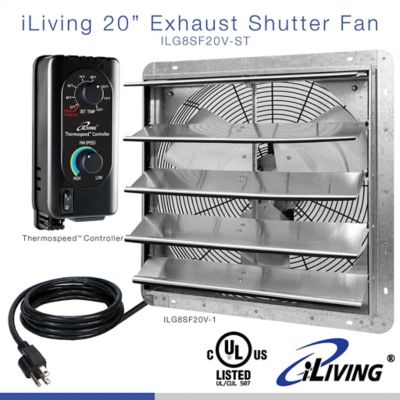
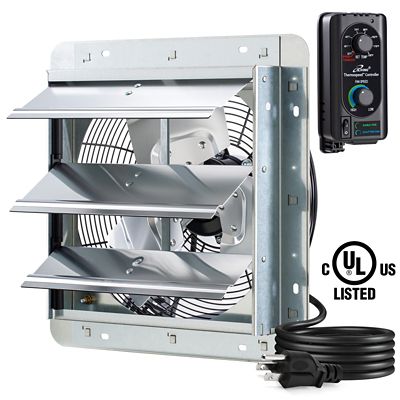
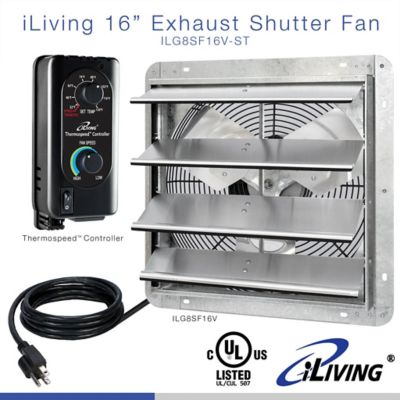
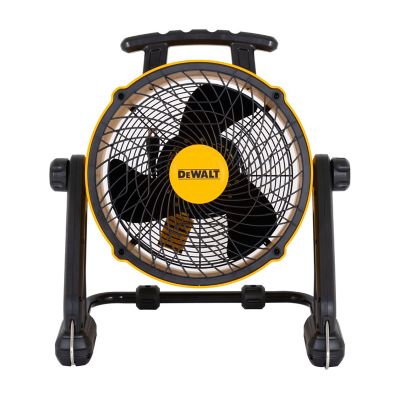
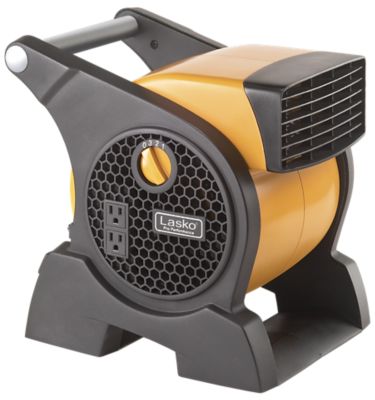
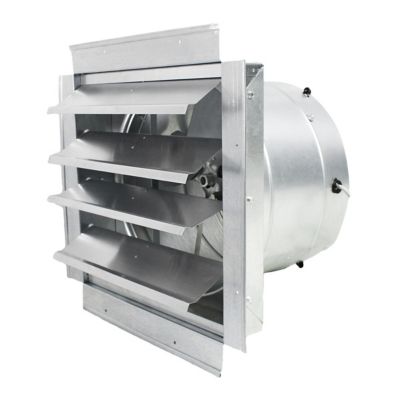
Shed fans help keep air moving through outdoor storage buildings, workshops, garden sheds, tack rooms and other outbuildings where heat and moisture can collect. Even a well-built shed can feel stuffy when the doors stay closed, especially after damp weather or a run of warm afternoons. A properly sized fan can exhaust hot, stale air while drawing fresher air through an intake vent, helping protect stored tools, lawn equipment, feed supplies, paint, seed, wood products and other belongings from excess heat and humidity. They can also make the space more comfortable when you are sorting hardware, repairing equipment or tending to chores inside. Solar-powered shed fans are a handy choice for buildings without electrical service because they run from sunlight and avoid the need to trench a power line or add wiring. They are often well suited to small storage sheds, remote chicken coops, garden buildings and off-grid setups. Electric shutter fans, including plug-in and hardwired options, are a practical fit when dependable power is available and you need stronger, more consistent airflow. Some models include thermostatic controls that switch the fan on as temperatures rise, which can help manage heat without running the fan all day. When comparing shed fans, start with the size and layout of the building, the amount of sun it receives, and whether electricity is available. A dark roof, metal siding, limited shade and afternoon sun can make a shed heat up quickly, while a shaded building may need less airflow. Think about what is stored inside, too. A simple tool shed has different ventilation needs than a workshop with a mower, fuel containers or moisture-sensitive materials. For spaces where fumes may be present, follow all safety directions and local requirements, and never rely on a fan to make unsafe fuel or chemical storage acceptable.
One of the most important specifications to review is CFM, or cubic feet per minute, which describes the volume of air a fan can move. A higher CFM generally provides more airflow, but the right amount depends on the shed’s cubic footage, vent placement and how freely air can enter and leave. A large, powerful fan installed in a tightly sealed building may not perform as expected because it has no easy source of replacement air. For steady circulation, place the exhaust fan high on a wall or near the upper portion of the shed, where warm air naturally gathers. Add a louvered intake vent, screened vent or other suitable air inlet on the opposite side or lower on the wall so fresh air can travel across the room before being exhausted. This intake-and-exhaust arrangement is often more effective than placing a fan in a wall with no planned airflow path. Check the fan’s rated CFM, noise level, dimensions, mounting style and power requirements before ordering, and measure the available wall or gable space carefully. Shutters, louvers and grilles can help keep out rain, leaves and insects when the fan is off, while a protective screen can be useful in areas where pests are a concern. For a building with a dedicated electrical circuit, hardwired installation may provide a clean, permanent setup, but it should be completed according to local electrical codes by someone qualified to do the work. Plug-in fans may be simpler for suitable locations, though cords should be protected from foot traffic, moisture, rodents and sharp edges. Solar models need a panel location with a clear view of the sky, and their output can vary with cloud cover, shade, dirt and the changing angle of the sun during cooler months. Keep the panel clean and make sure nearby trees, rooflines or stacked materials do not block it. If you are looking for airflow solutions for a different enclosed area, you can also browse
Duct Fans for options suited to moving air through workspaces and utility areas.
Shed fans are useful for rural properties, small businesses, gardeners, hobbyists and anyone who depends on an outbuilding to stay in good shape. A gardener may use one to reduce the muggy air that settles around pots, hand tools and bags of soil. Someone who keeps a mower, tiller or other equipment in a shed may appreciate better circulation after wet grass and muddy work have brought moisture indoors. In a workshop, moving air can make the space feel less heavy while you work, although fans should be selected and installed with dust, sparks, fumes and flammable materials in mind. A fan can also be a thoughtful housewarming gift for a friend building a backyard workshop, setting up a homestead, or organizing a new storage shed. Before installation, seal obvious roof leaks, repair damaged siding and make sure water cannot enter around the fan opening; ventilation works best when it is paired with a dry, weather-resistant structure. Leave clearance around the fan and its intake, clean dust from the grille and blades as needed, and inspect shutters, screens, cords and mounting hardware at the start of each season. During warmer stretches, the fan can help release trapped heat, while during cooler or damp weather, controlled ventilation may help reduce condensation without leaving doors wide open. It is still wise to protect moisture-sensitive items in sealed containers, keep chemicals and fuels stored according to their labels, and avoid blocking airflow with stacked boxes or equipment. With the right CFM, a sensible intake path and an installation suited to the building, a shed fan is a simple way to make an outbuilding more useful and help stored belongings stand up to changing conditions.