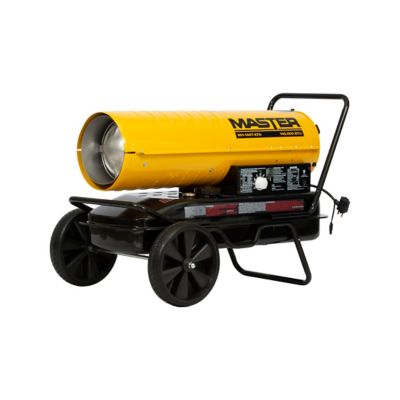
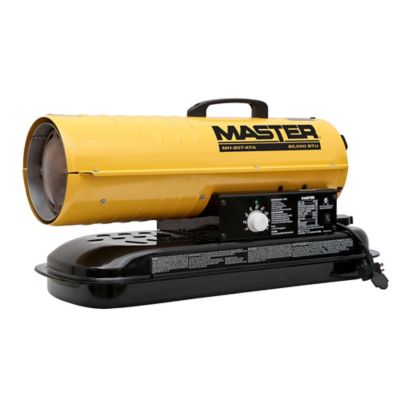
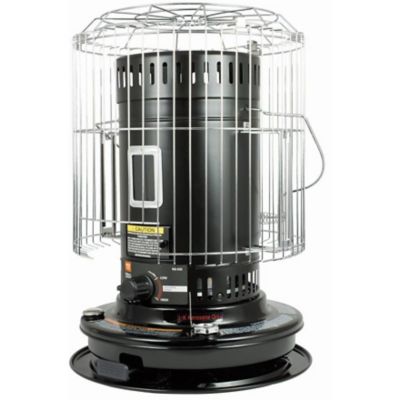
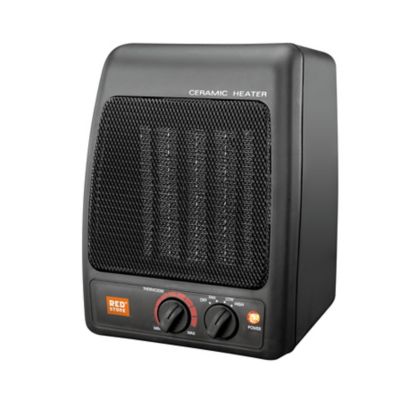
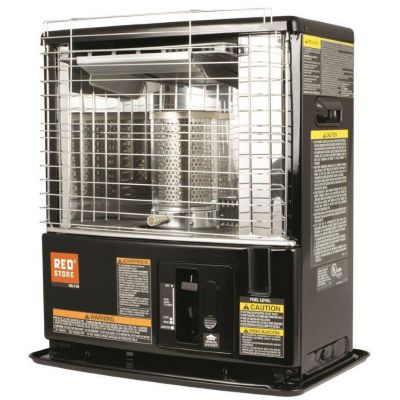
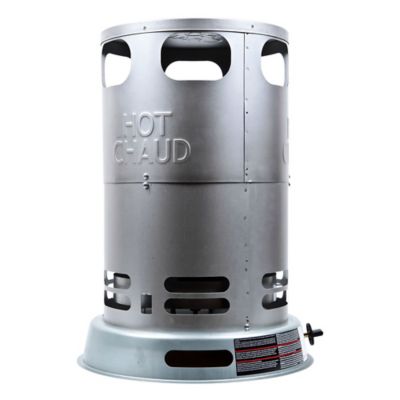
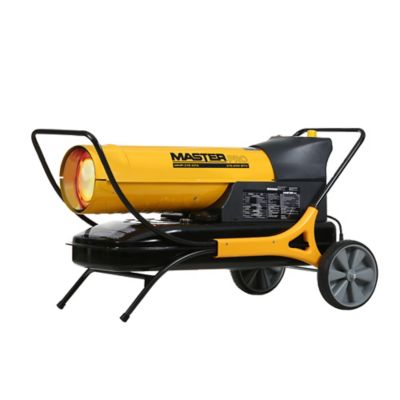
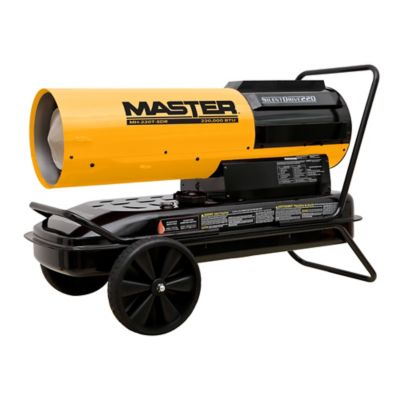
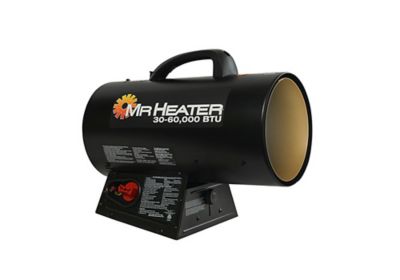
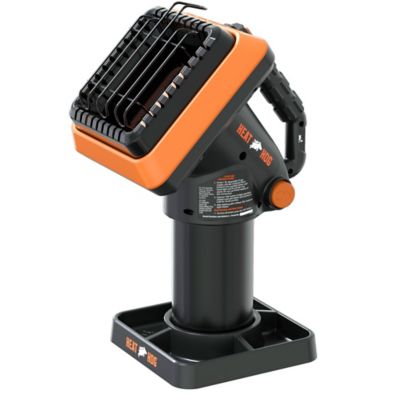
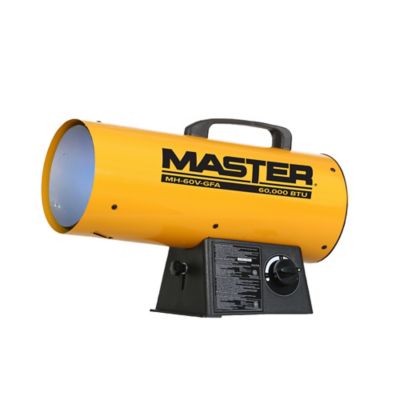
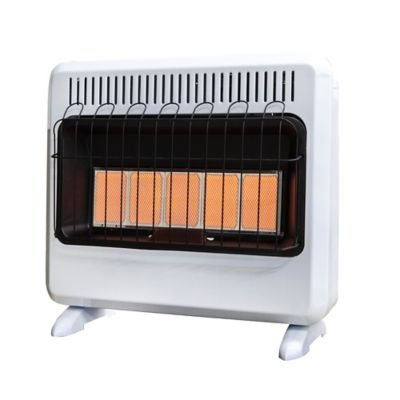
Keeping your barn comfortable and safe is a year-round job, but when the weather starts to shift—whether it’s warming up after a long winter or you’re getting ready for those crisp, cool nights—having the right barn heater can make all the difference. Folks who spend time working in workshops, tending livestock, or caring for animals know that barns and outbuildings can be tough to keep at the right temperature. That’s why choosing a barn heater that matches your space and your needs is so important. There are a few main styles to consider, each with its own perks. Forced-air unit heaters, for example, are a popular pick for bigger, drafty barns with lots of open space. These heaters use a fan to move warm air across the building, making them a solid choice for pole barns or larger workshops where you’re battling the chill in every corner. On the other hand, radiant tube and infrared heaters are great for zoning in on specific areas—think animal stalls, tack rooms, or spots where you want to keep the chill off your hands while you work on equipment. These heaters warm objects and animals directly, so you aren’t wasting energy heating up the empty air.
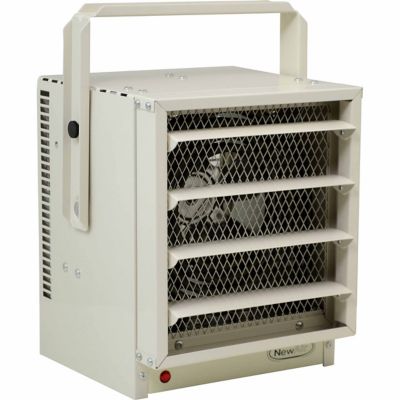
For folks with smaller barns, insulated workspaces, or just looking for a little extra warmth during chores, electric utility heaters can be a handy, low-maintenance option. They’re easy to set up, don’t require venting, and are usually portable enough to move where you need them. If you’re raising young animals like chicks or piglets, specialized brooders and heat lamps are a must-have. They deliver gentle, focused warmth right where it’s needed most—keeping your animals safe and growing strong without overheating the whole barn. When picking out a barn heater, always pay attention to safety. Barns are full of flammable materials like hay, bedding, and wood, so it’s important to follow clearance guidelines and keep heaters away from anything that could catch fire. If you’re using a fuel-burning heater, proper venting is a must to keep fumes and excess moisture out of your workspace and away from your animals. Mounting heaters up high and using remote controls or wall-mounted thermostats can also help keep curious critters and kids safe while making it easier for you to manage the temperature.
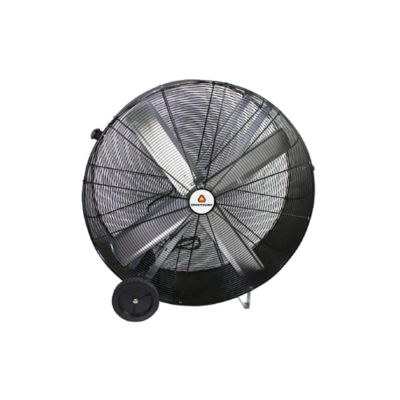
Sizing your heater is another big consideration. You’ll want to figure out the volume of your barn (width x length x height) and think about how much you need to raise the temperature to keep everyone comfortable. Insulation plays a big role here—well-insulated barns hold heat better, so you might get by with a smaller heater, while drafty, older buildings will need a bit more power. And remember, good air circulation is just as important as warmth. Pairing your heater with the right
Barn Fans can help move warm air where it’s needed and keep fresh air flowing, which is especially important if you’re working with animals. Barn heaters also make thoughtful gifts for anyone who spends their days (and nights) out in the barn—whether it’s a neighbor who’s always tinkering in the workshop, a friend raising a new batch of chicks, or family members who care for horses or livestock. No matter what you’re heating or who you’re buying for, choosing the right barn heater can help make chores a little easier and the barn a whole lot more comfortable as the seasons change.