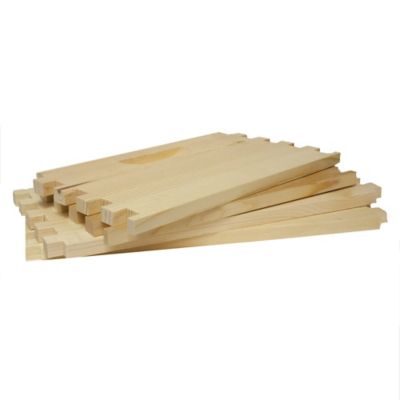
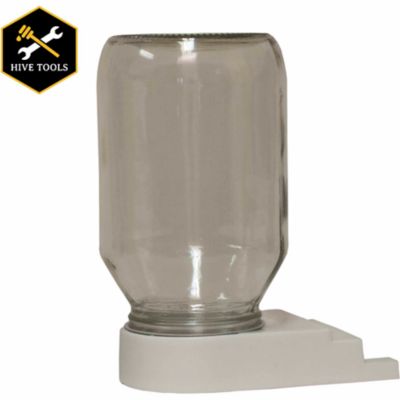
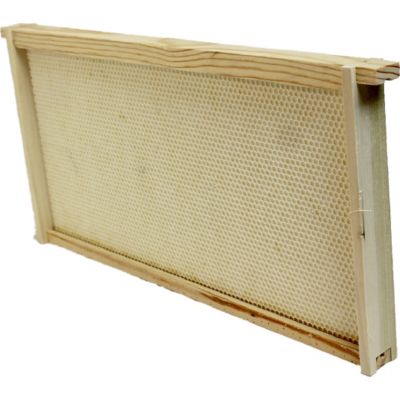
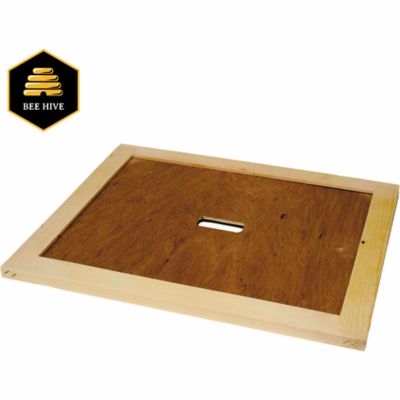
Backyard beekeeping is more than just a hobby—it’s a way of life that connects folks to the land, the seasons, and the hardworking honey bees that help keep our gardens and crops thriving. Whether you’re a seasoned hand or just starting out, having the right honey bee supplies for sale on hand makes all the difference. From hive boxes and frames to smokers, feeders, and protective gear, each piece of equipment plays a part in keeping your bees healthy and your honey harvest bountiful. As the weather warms and everything starts to bloom, bees get busy collecting nectar and pollen, and you’ll want to be ready for regular hive checks, feeding, and maintenance. It’s a good idea to check in with your local ordinances before setting up your first hive, especially if you live in town or are part of an HOA. Letting your neighbors know about your new backyard guests and planting a few tall shrubs or putting up a fence can help guide bees’ flight paths and keep everyone comfortable. If you’re not sure where to begin, a beekeeper supply store near me is a solid place to ask questions, see gear up close, and maybe even meet some fellow beekeepers who can share stories and advice.
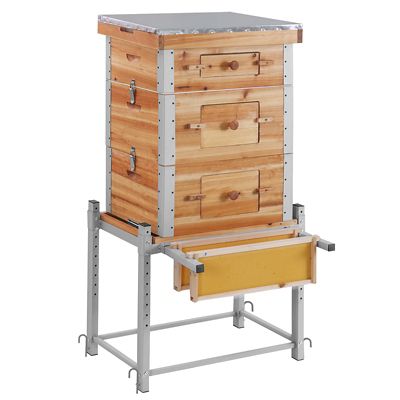
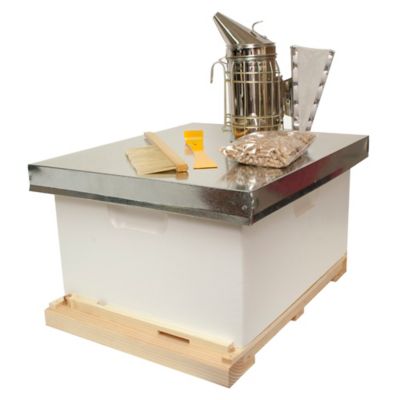
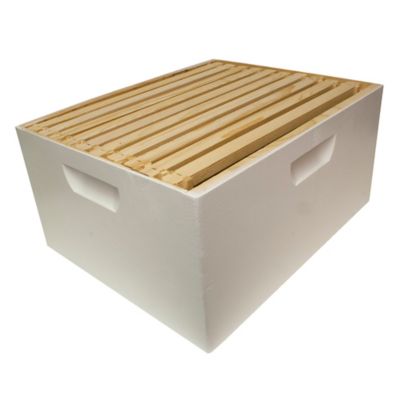
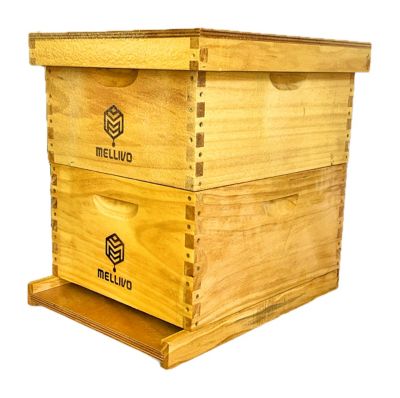
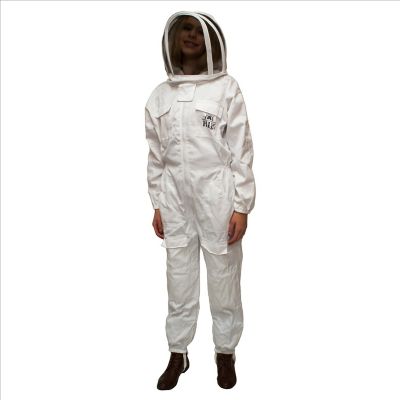
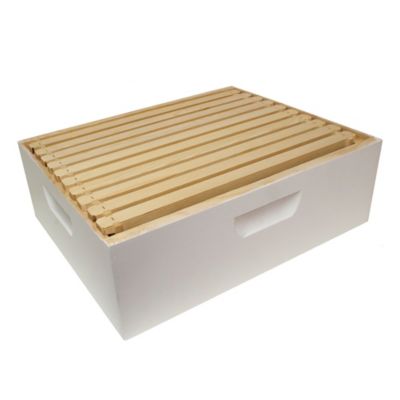
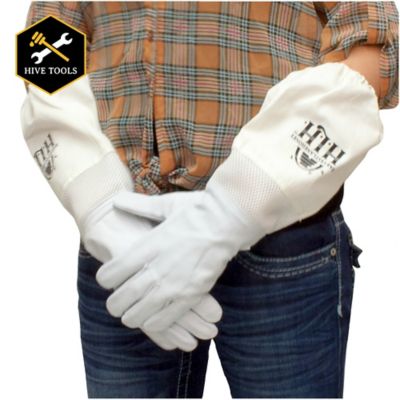
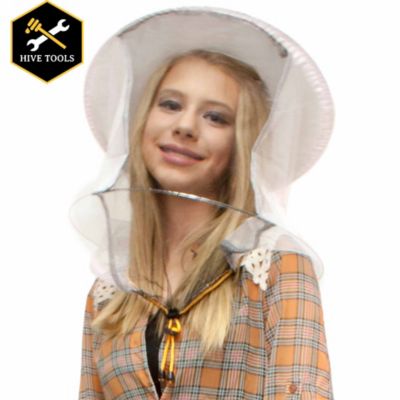
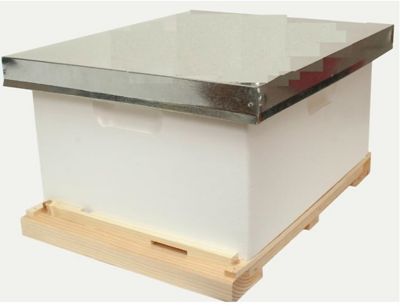
When picking out supplies, think about your goals and the size of your space. Beginners often start with a classic Langstroth hive, which is easy to manage and makes honey harvesting straightforward, but there are other options like top bar or Flow Hives if you’re looking for something different. You’ll also need a few basic tools: a hive tool for prying apart frames, a smoker to calm the bees, and a sturdy bee brush for gentle hive inspections. Don’t forget about protective clothing—nothing beats the peace of mind that comes with a good suit and veil, especially when you’re just getting used to working with bees. For those looking to gear up, you can find a full range of
Beekeeping Suits designed for comfort and safety during those hot summer hive checks. Water sources are another important consideration; a shallow dish filled with pebbles or corks gives your bees a safe place to drink and helps keep them out of the neighbor’s pool or birdbath. As the season rolls on and the days start to cool, you’ll shift your focus to making sure the hive is insulated and the bees have enough food to make it through winter.
Backyard beekeeping isn’t just for folks with acres of land—plenty of suburban and even urban gardeners have found success with a hive or two tucked into a sunny corner. It’s a great way to teach kids about nature and responsibility, and the honey and beeswax you harvest make for thoughtful gifts come holiday season or family gatherings. Many beekeepers find themselves sharing jars of honey, homemade candles, or beeswax balms with neighbors and friends. If you’re shopping for someone who’s always been curious about bees, a starter kit or a few essential tools can be a unique and meaningful gift. Joining a local beekeeping association or club is highly recommended; there’s nothing like learning from folks who’ve seen it all, from spring swarms to fall honey spins. And with a little patience and the right gear, you’ll soon be enjoying the sweet rewards of your own backyard hive, all while helping pollinate gardens and wildflowers throughout your community. Whether you’re searching for honey bee supplies for sale or just looking for a beekeeper supply store near me, there’s a whole world of resources and support out there to help you get started and keep your bees buzzing happily all season long.