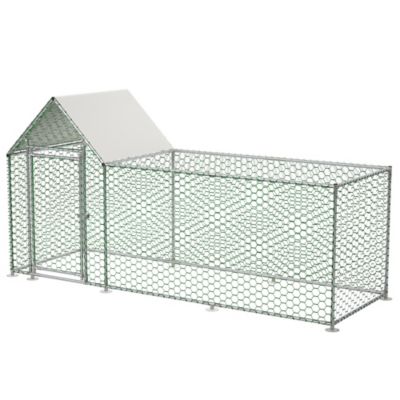
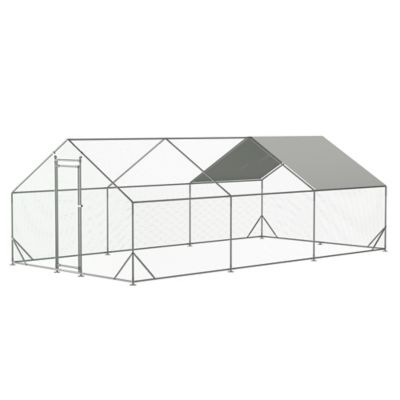
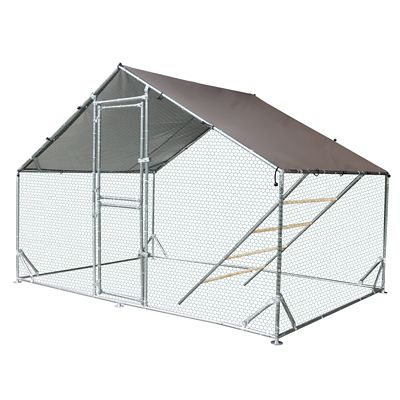
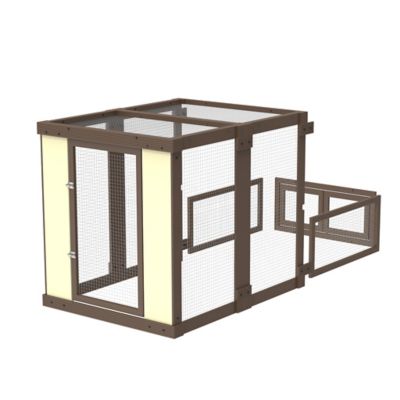
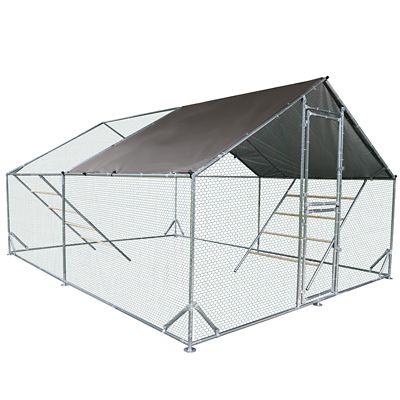
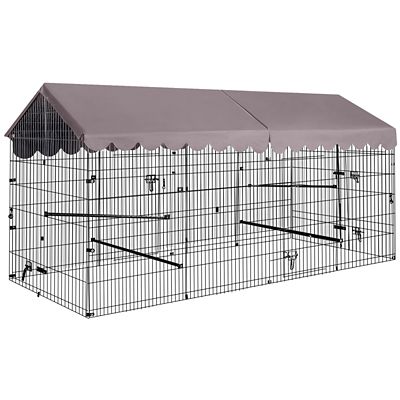
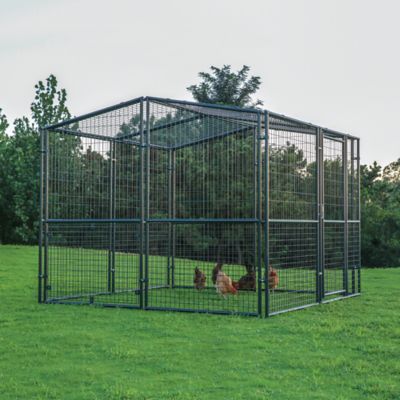
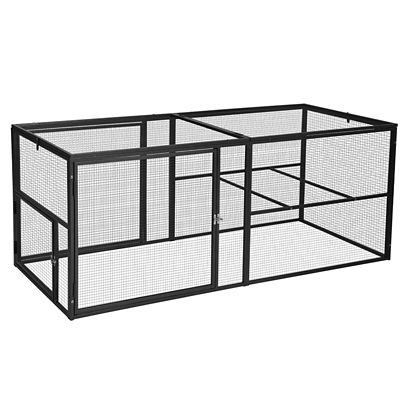
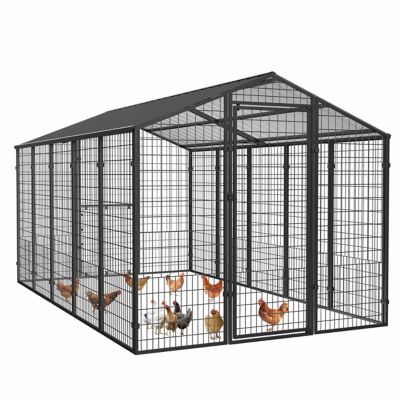
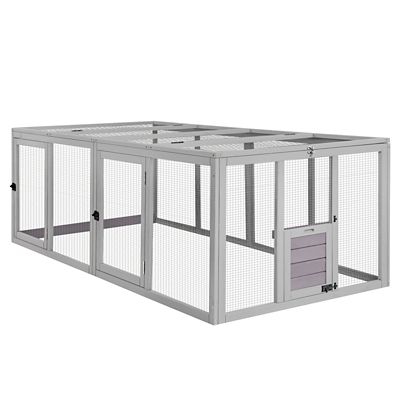
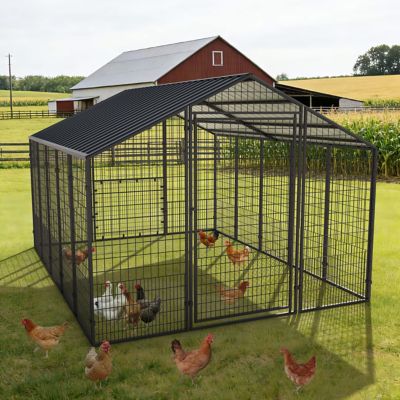
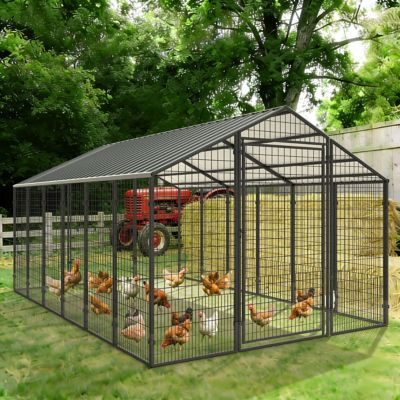
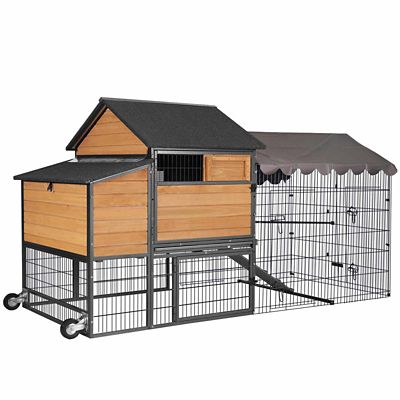
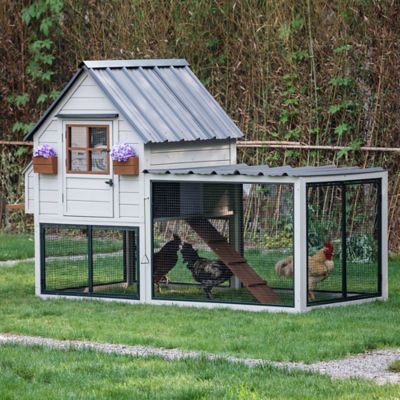
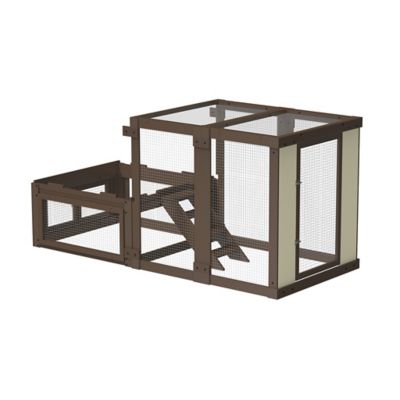
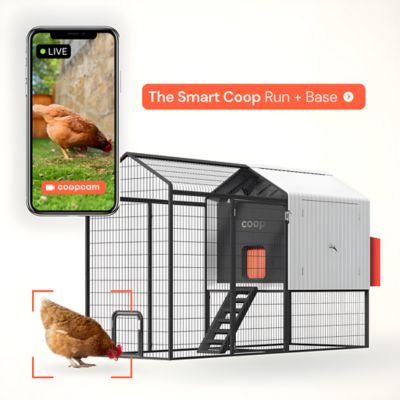
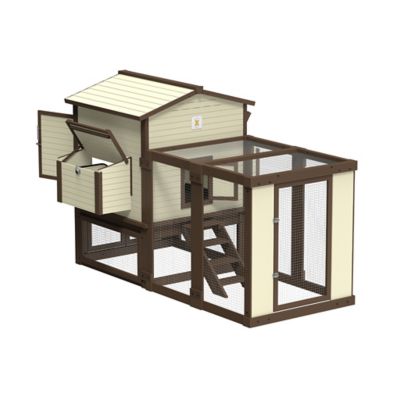
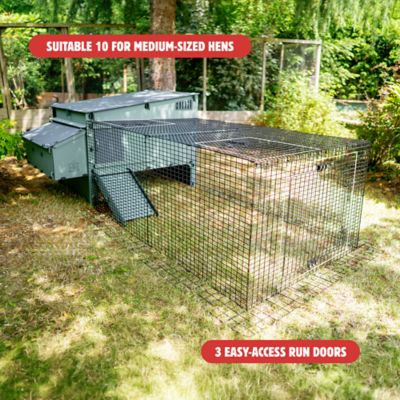
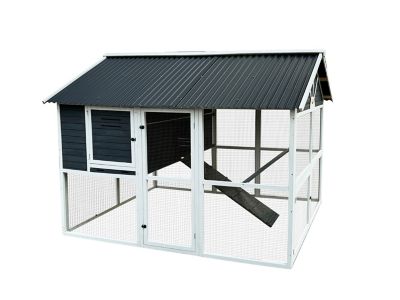
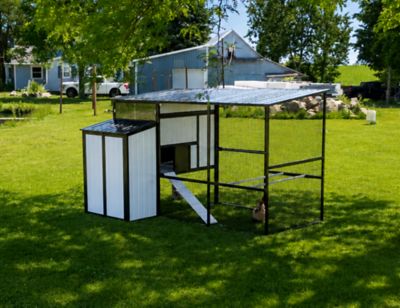
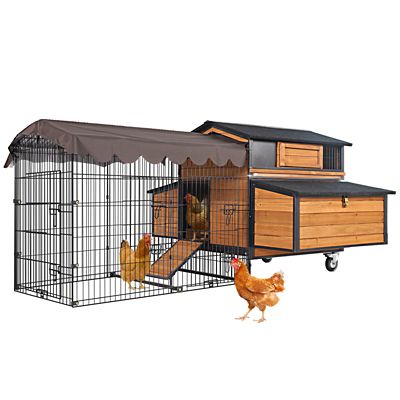
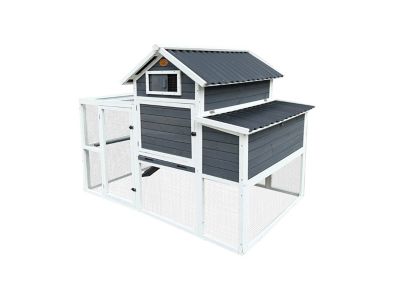
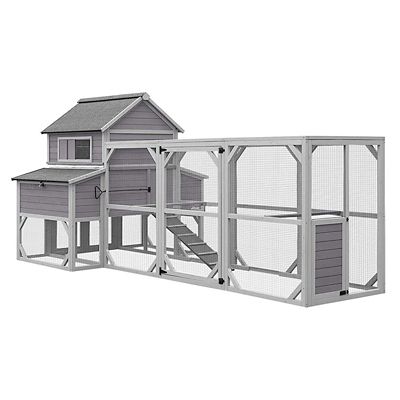
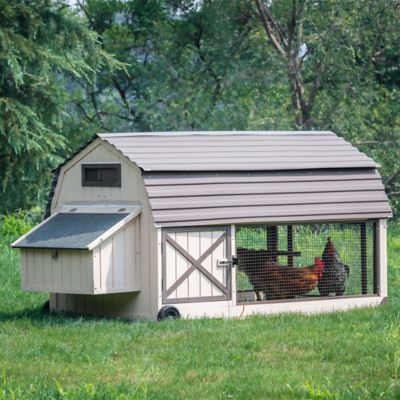
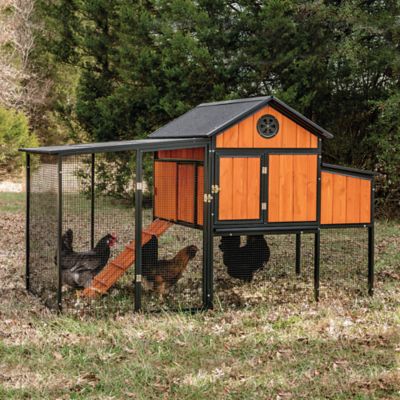
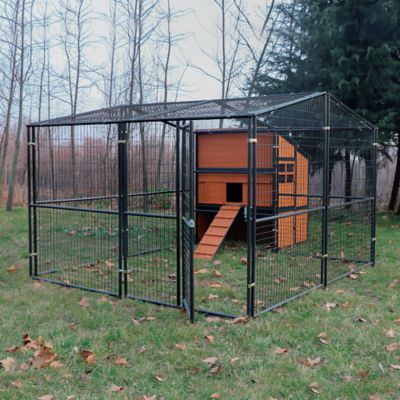
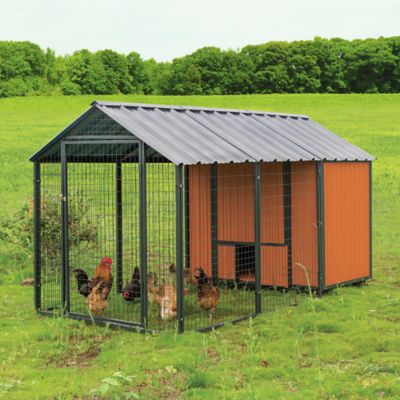
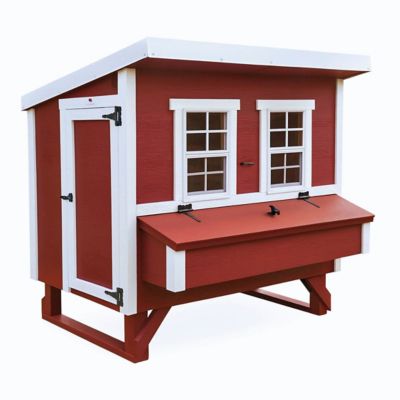
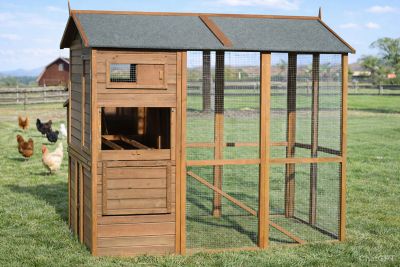
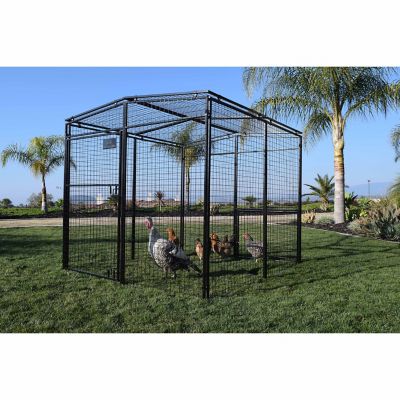
A backyard chicken run is an enclosed outdoor space where chickens can scratch, forage, stretch their wings, and exercise while staying separate from garden beds and other parts of the yard. Paired with a suitable coop, it gives a flock room for daytime activity without letting hens wander through the lettuce patch or settle into a dust bath beside the porch steps. Backyard chicken runs serve a different purpose than coops: the run provides outdoor living space, while the coop provides sheltered sleeping quarters and nesting space. Some enclosures connect directly to a coop; others stand separately and need a secure connection between the two spaces. The right fit depends on flock size, bird size, the layout of the yard, and how much time chickens spend inside the enclosure. A common starting point is at least 10 square feet of run space per standard-size adult chicken, with more room beneficial when birds spend most of their day confined. Six standard-size hens, for example, would need at least 60 square feet by that guideline, separate from their indoor coop space. Local requirements, breed needs, and flock behavior may call for more. Extra room gives a quieter hen somewhere to step away from a bossier flockmate and leaves space for feeders, waterers, and dust-bathing areas without crowding the walking paths. Large breeds also need openings and passages that accommodate their bodies comfortably. Overall dimensions tell only part of the story: a narrow enclosure can become cramped once equipment fills the center, while a broader layout may allow birds to pass one another more easily. For households planning to add hens later, an expandable run can offer useful flexibility, provided the added sections maintain the same enclosure strength and secure connections. A run that suits a few backyard layers may not suit a larger flock, even when both fit neatly beside the same shed. Comparing usable floor area, rather than relying only on a stated bird count, gives a clearer picture of how an enclosure will function.
Materials and construction determine how well a chicken run holds its shape, contains the flock, and stands up to everyday wear. Metal-framed enclosures often feature galvanized steel, while wood-framed runs offer another familiar option for a backyard setup. With either material, frame joints, bracing, door alignment, and attachment points deserve as much attention as the overall footprint. Galvanized surfaces help resist corrosion, but damaged coatings, exposed cut edges, and loose connections still need attention over time. Wood components need sound joints, smooth edges, and finishes suitable for animal enclosures, with no splinters or peeling surfaces within pecking reach. The wire enclosure matters just as much as the frame. Traditional chicken wire can help contain chickens, but it is not a dependable barrier against many predators. Welded hardware cloth is generally a stronger choice for predator-resistant boundaries, particularly around lower walls, doors, and other reachable areas. Half-inch openings are common, although chicks and certain local predator concerns may require smaller openings. Wire thickness, weld strength, and attachment methods also affect performance; small openings alone do not make an enclosure secure. Raccoons can reach through gaps, and dogs or other animals may push against weak panels. Latches that require more than a simple lift or turn can add protection, while doors need close-fitting edges that remain aligned with repeated opening and closing. Overhead protection is another important distinction among backyard chicken runs. A properly secured wire top helps limit access from hawks and other climbing or flying predators, whereas a fabric cover alone does not provide the same barrier. Along the ground, a buried wire barrier or an outward-facing hardware-cloth apron can help discourage digging beneath the enclosure. Those features need to suit the site and local animals rather than relying on a frame resting on bare ground. No run is automatically predator-proof, and even a well-built enclosure needs regular checks for gaps, loosened wire, and disturbed edges.
Daily access can make the difference between an enclosure that looks suitable on paper and one that works well beside the house or barn. For keepers who want room to stand upright,
walk-in chicken runs provide access for feeding, collecting equipment, and tending the ground without crawling through a low opening. Door height and width matter when carrying a full waterer, moving a feed container, or bringing in a rake. A threshold can help close the gap beneath a door, but its height also affects how easily equipment moves across it. Door swing needs clearance, and a gate positioned near the coop should not block the birds’ entrance when opened. Smaller access panels can be handy for reaching a feeder, though they do not replace an entrance large enough for thorough cleaning. Inside the run, clear pathways help keep daily chores manageable. Feeders and waterers need stable positions where birds can reach them without repeatedly tipping them over or scratching bedding into them. Perches and other flock features take up room, so their placement should leave enough open ground for walking and scratching. Ground surfaces also need attention: bare soil can become compacted, and bedding or loose material needs regular removal and replenishment as droppings accumulate. Easy access to corners makes that work less of a chore. Removable sections may simplify maintenance, while fixed sections should still allow a keeper to reach fasteners and inspect the perimeter. Movable runs offer a different kind of flexibility, but shifting an enclosure means checking that its base sits properly and that its protective edges remain effective in each location. Routine care includes checking hinges, tightening connections, inspecting mesh for broken welds, and addressing rough or damaged surfaces according to the manufacturer’s directions. For a first flock or an established group of laying hens, a well-matched backyard chicken run brings together bird space, practical access, and construction suited to the job, giving chickens room to stay busy and their keepers a setup that fits everyday chores.