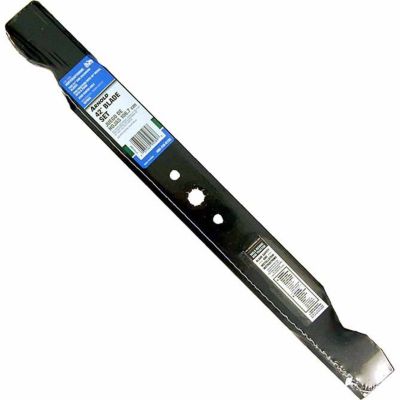
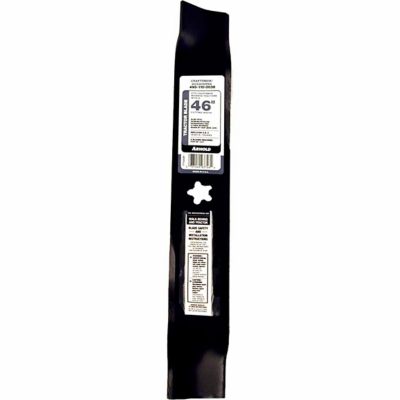
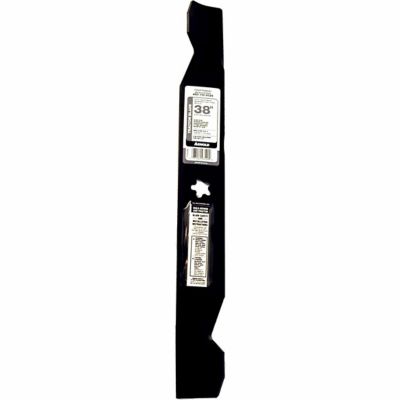
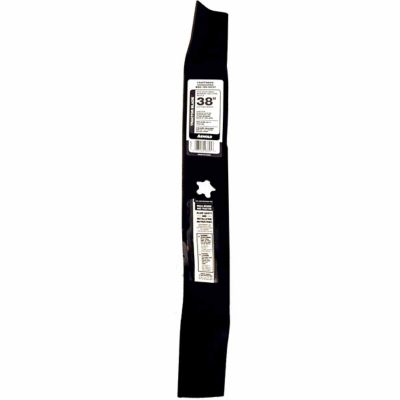
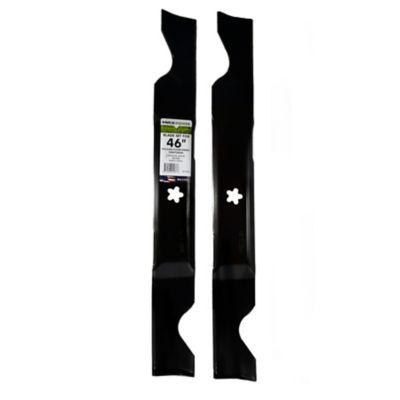
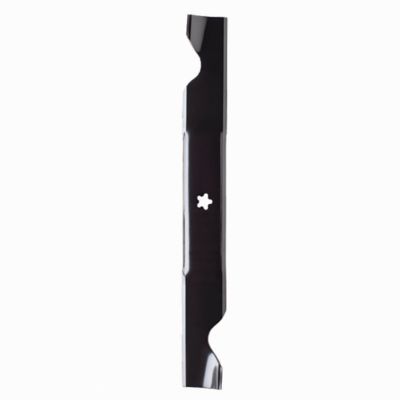
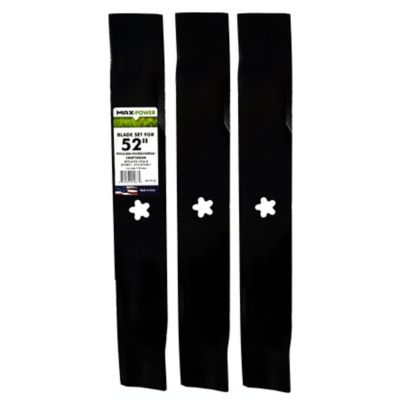
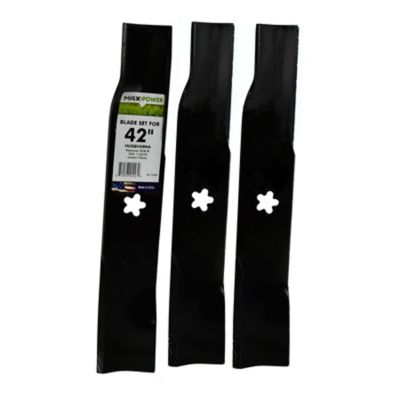
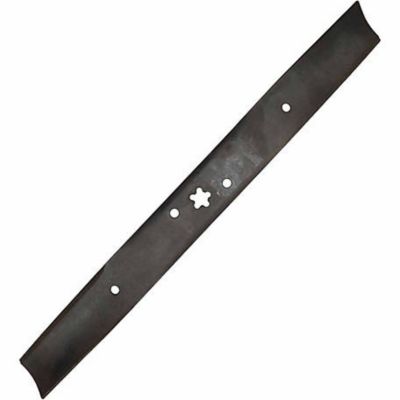
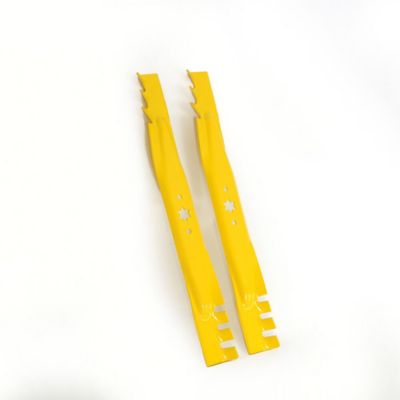
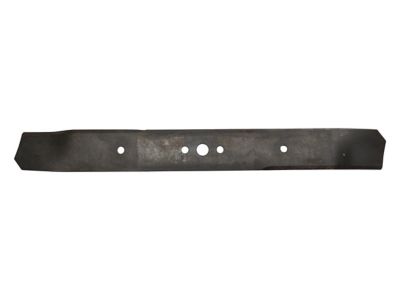
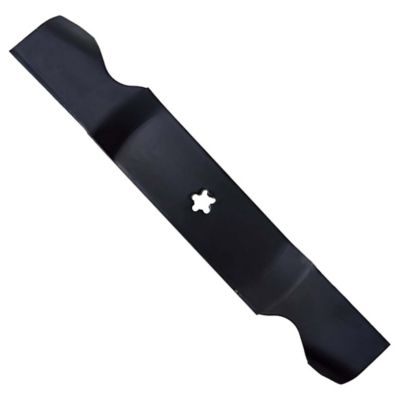
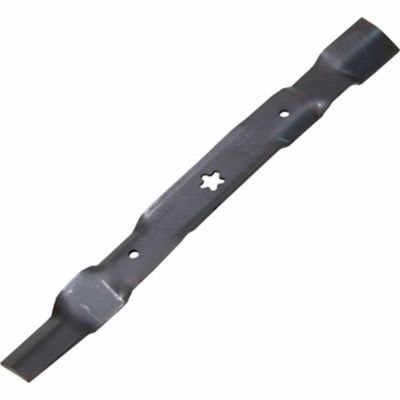
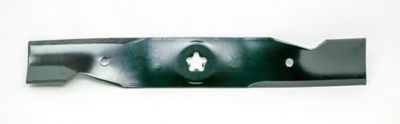
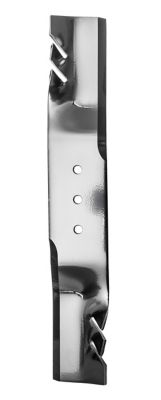
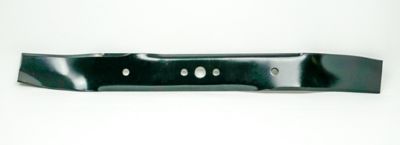
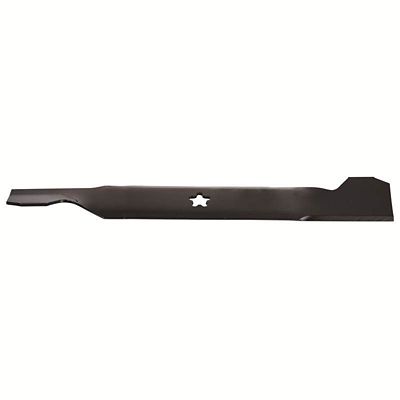
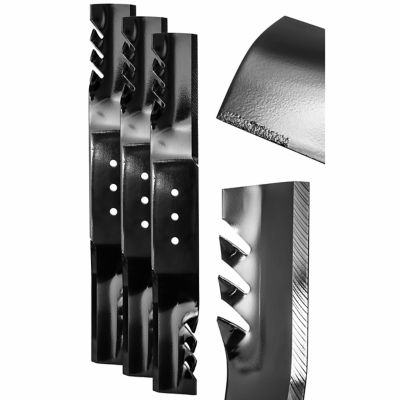
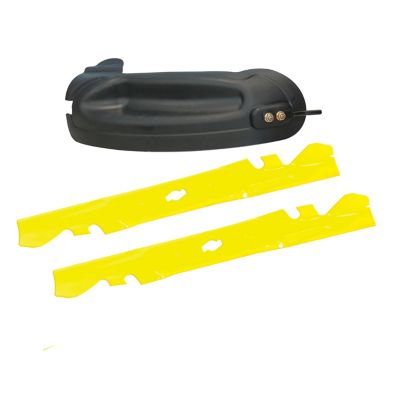
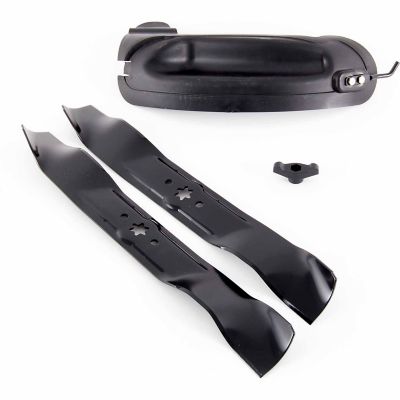
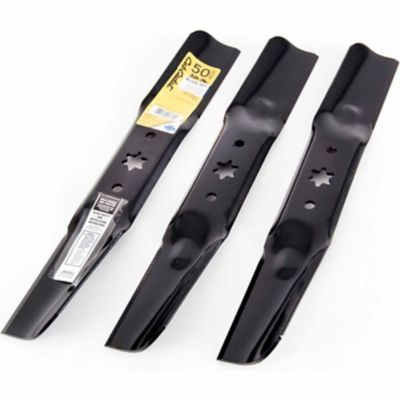
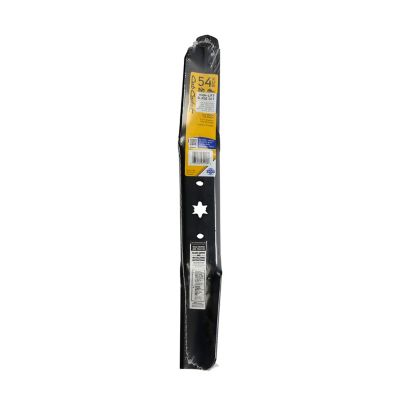
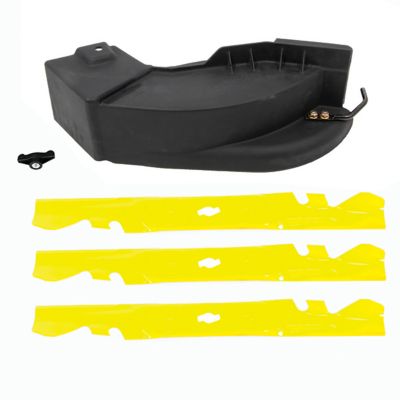
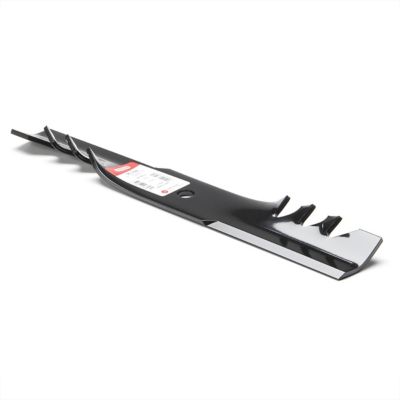
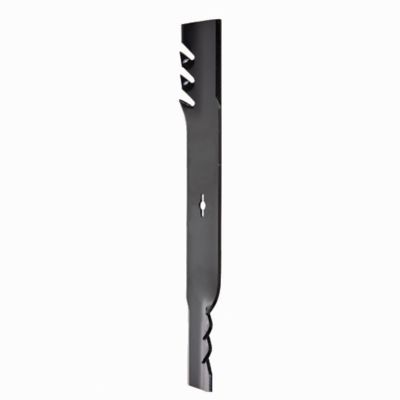
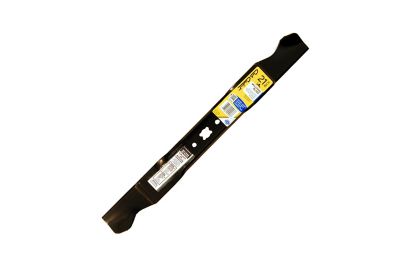
A sharp, properly matched lawn mower blade helps turn a rough, time-consuming mowing job into a cleaner pass across the yard. Replacement blades are made for a range of walk-behind and riding mower decks, so the right choice starts with the mower itself rather than appearance alone. Check the model number, deck size, and original blade information before ordering. Common walk-behind mower blades fit decks around 21 or 22 inches, while riding mowers may use wider decks with two or more blades working together. The blade’s overall length, width, thickness, center-hole shape, and mounting-hole pattern all need to match the mower. Center holes may be round, star-shaped, or another design, and even a small difference can keep a blade from seating correctly. The blade style matters, too. A standard replacement is suited to ordinary side discharge or bagging, while a mulching blade is shaped to circulate clippings beneath the deck for finer pieces. High-lift blades are designed to move clippings upward toward a bagging system, though the mower deck and discharge setup must be compatible. Three-in-one blades are often made for mowing, bagging, and mulching when used with the proper mower configuration. Before placing an order, look beneath the deck or along the mower frame for the identification label, and compare that information with the blade specifications. If the original blade is still available, measure it only after removal and use it as a reference, since a worn or bent blade may not show its original shape accurately. For shoppers comparing lawn care parts across mower brands, Tractor Supply also carries
John Deere Lawn Mower Blades and other replacement options organized around mower fit and use.
A replacement lawn mower blade is a practical choice for homeowners who keep a few acres, families caring for a large yard, landlords maintaining rental property, and anyone who takes pride in neat, even grass. It can also make a useful gift for a new homeowner, a parent who spends Saturday mornings behind the mower, or a neighbor who is always helping keep the shared lane and fence line trimmed. A blade is a small part, but it has a noticeable effect on the finished lawn. Dull edges tend to tear grass instead of cutting it cleanly, leaving pale or ragged tips that can make a freshly mowed yard look tired. A blade that is bent, cracked, heavily rusted, or repeatedly unbalanced may cause extra vibration through the handle or steering wheel, making the mower unpleasant to operate and placing added strain on the equipment. The right replacement helps restore a smoother cut and can make bagging or mulching more consistent. Before installation, inspect the mower deck for packed grass, sticks, and old debris, and confirm that the replacement blade is intended for the exact deck arrangement. Some riding mowers use a matched set, meaning both blades should be checked for similar wear and replaced together when appropriate. Keep the blade’s cutting edge facing the correct direction; many blades have a raised sail or lift section that must point toward the underside of the deck. Never rely on memory if the old blade is removed—take a quick photo first or follow the mower manual. Work on a level surface with the engine off, remove the ignition key when applicable, and disconnect the spark plug boot on a gas mower before reaching under the deck. Battery-powered equipment should be switched off and have the battery removed according to the manufacturer’s instructions. Wear sturdy gloves when handling the blade, keep hands clear of sharp edges, and use the correct wrench so the fastener is not damaged.
Lawn mower blade care is especially useful as the grass slows during cooler weather and outdoor equipment begins shifting into storage or occasional cleanup duty. A blade that has handled dusty stretches, hidden stones, pinecones, and uneven ground may need attention even if the mower still starts and runs. Look over the blade after the final regular mowing sessions and check for nicks, bends, thinning metal, or a cutting edge that has become rounded. Replacing a worn blade before the next strong growing season means the mower is ready when the grass starts growing quickly again, without a last-minute search for a part that may not fit. Store the mower clean and dry, and avoid leaving clippings packed beneath the deck, where moisture can encourage corrosion. When shopping, compare the blade’s intended deck size and function instead of choosing solely by price or by a similar-looking shape. A lower-cost blade that does not match the mounting pattern can lead to returns, delays, or unsafe operation, while the correct blade provides a straightforward fit and dependable performance. Prices vary with deck size, blade style, material, and whether the mower requires one blade or a set. Keep the mower model number close while browsing, and confirm every dimension listed by the seller. With a compatible replacement, a secure installation, and routine checks through the changing seasons, a mower can keep leaving clean rows across the yard, around garden edges, and along the driveway whenever the ground is dry enough to work.