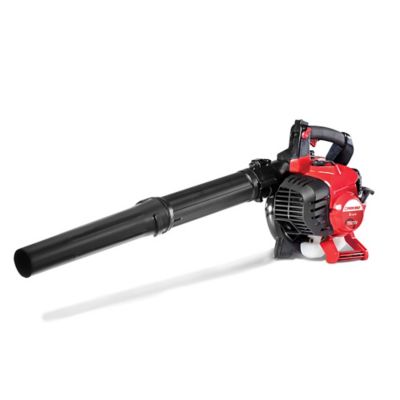
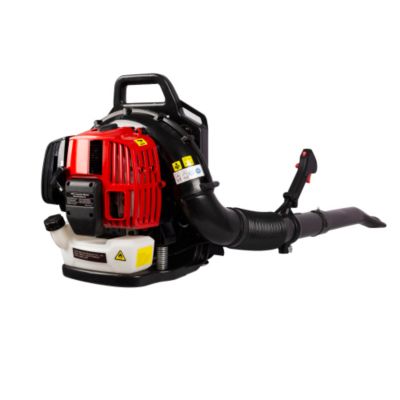
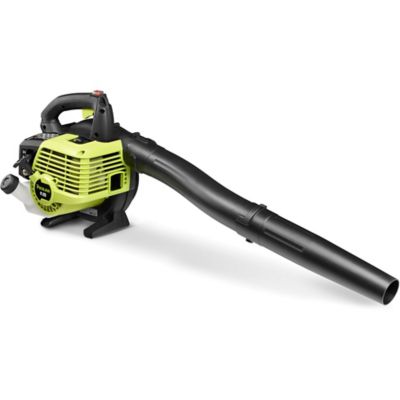
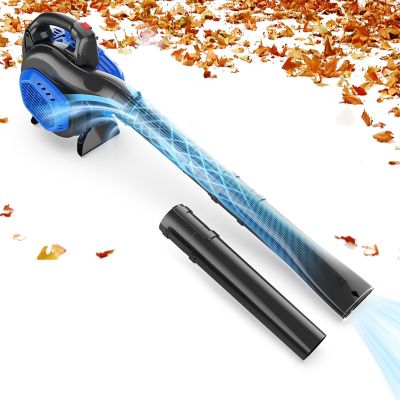
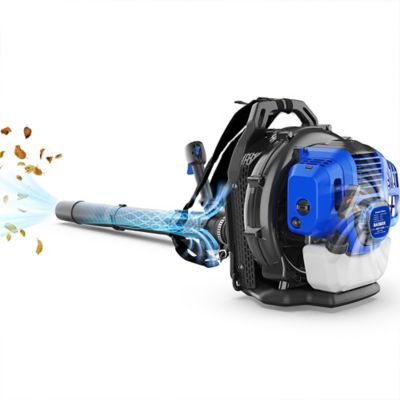
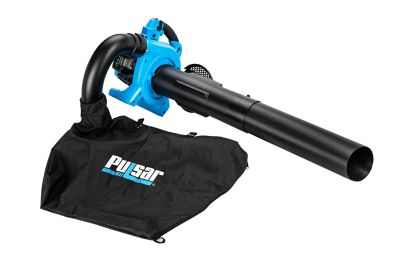
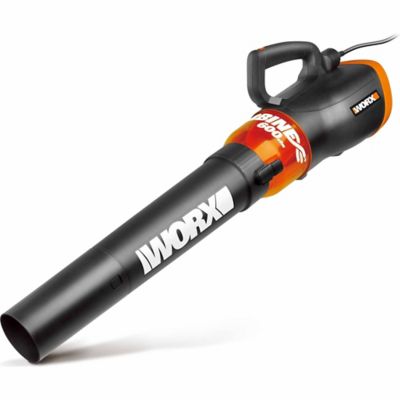
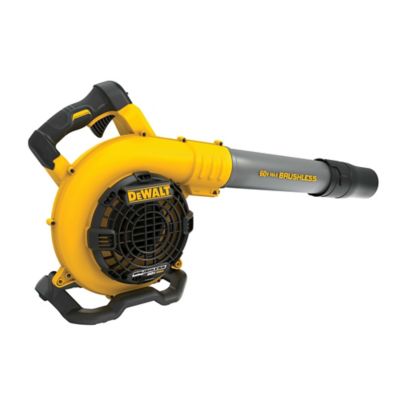
A gas leaf blower moves fallen leaves, grass clippings and loose yard debris with a gasoline-powered engine and a directed stream of air. It brings cord-free reach to cleanup around lawns, long driveways, fence lines and outdoor work areas, with refueling rather than battery charging between runs. That makes gas-powered equipment worth considering for property owners, grounds crews and anyone facing more ground than a rake can comfortably cover. The main styles are handheld, backpack and walk-behind, and each puts the engine’s weight in a different place. Handheld gas leaf blowers keep the engine and controls together in a compact tool carried in one hand. They suit shorter cleanup jobs, such as clearing clippings from a sidewalk or gathering scattered leaves beside a garage. Overall weight, balance and handle shape matter as much as engine size when a job involves repeated sweeping motions. For longer stretches of work,
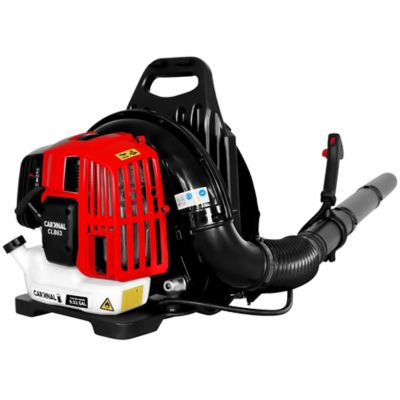
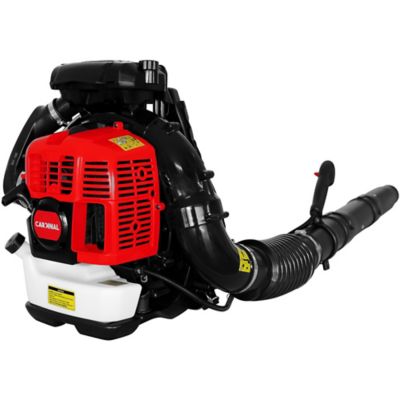
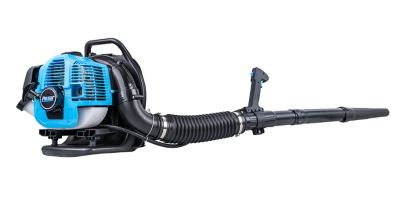
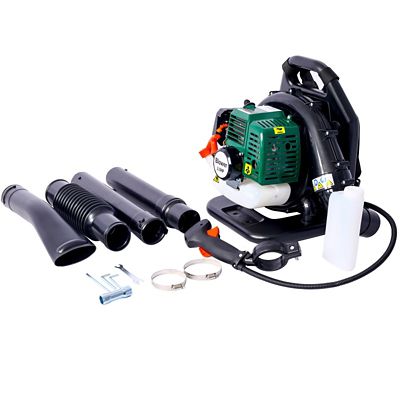
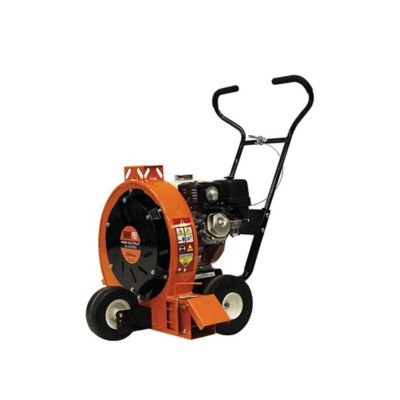
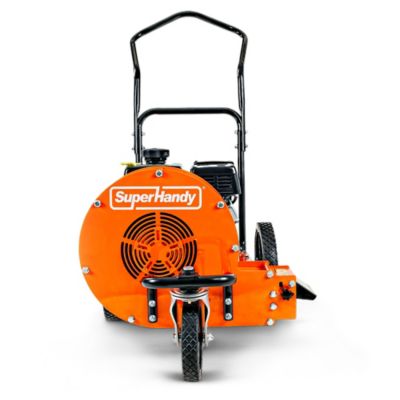
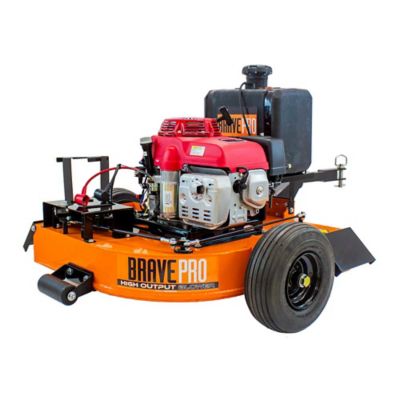
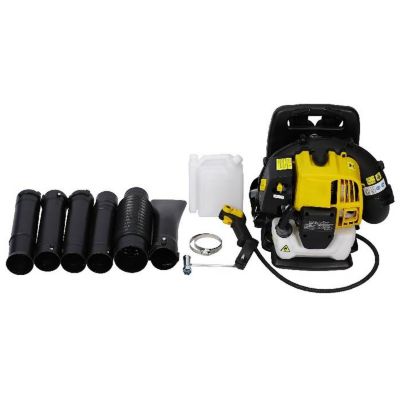
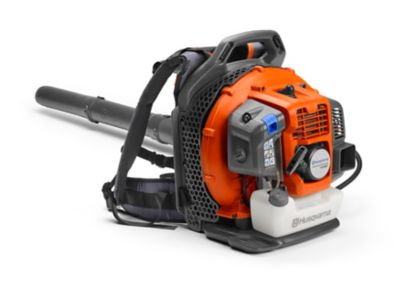
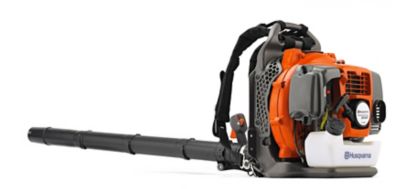
Backpack Leaf Blowers spread the load across shoulder straps and a back pad, while a flexible tube directs airflow where it needs to go. These machines often offer greater air volume than handheld designs, making them a practical match for broad lawns and heavier leaf cover. Walk-behind gas blowers carry the engine on wheels and suit large, open spaces where strong airflow can move a wide swath of leaves. Wheel size, machine width and the direction of the discharge affect how easily they travel around landscaping and along pavement. They also need enough room to turn, so narrow gates, steps and tight planting beds can make a carried blower a better fit. The best match is not simply the largest engine. It is the combination of airflow, carrying comfort and maneuverability that fits the property, whether that means a small yard near the house or a long cleanup route stretching past the workshop and down the lane.
Air volume and airspeed describe different parts of a gas leaf blower’s performance. Cubic feet per minute, or CFM, measures how much air the blower moves; miles per hour, or MPH, measures how fast that air travels. Higher CFM generally helps move a larger amount of leaves at once, while higher airspeed can help loosen leaves caught against pavement edges or tangled in grass. Neither number tells the whole story on its own. Damp, matted leaves take more effort than loose, dry leaves, and nozzle shape changes how airflow reaches the ground. A broad outlet spreads air across a wider area, while a narrower outlet concentrates the stream for more targeted work. Comparing ratings taken under similar test conditions, with the specified tube or nozzle attached, gives those figures more meaning. Engine displacement, measured in cubic centimeters, describes engine size rather than directly measuring clearing performance. For everyday handling, throttle response, tube length and access to the controls can be just as noticeable as a larger displacement number. Variable-speed controls let the operator ease back near mulch and planting beds, then increase airflow across an open lawn. A throttle lock or cruise control can reduce the need to hold the trigger through a long pass. On backpack styles, adjustable straps, padding and the position of the control handle help fit the machine to the person carrying it. Anti-vibration features can also make extended work less tiring, though no harness or handle removes every bit of engine vibration. Many housings and blower tubes feature molded polymers that keep carrying weight manageable, while metal engine components handle heat and moving loads. Secure tube connections, protected controls and accessible service points are useful details for equipment that travels between a shed, a truck bed and the yard. For a property with both open ground and tight corners, controllable airflow can matter more than maximum output alone.
Fuel requirements and routine care are part of owning a gas leaf blower, and the engine’s instructions matter more than a general rule. Two-cycle engines typically require gasoline mixed with two-cycle engine oil at a specified ratio. Common ratios include 40:1 and 50:1, but they are not interchangeable unless the manufacturer says so. Conventional four-cycle engines keep gasoline and crankcase oil separate, although some four-stroke designs still require mixed fuel. The engine designation by itself is not enough to settle the fuel question. Approved fuel, the correct oil and the permitted ethanol content all help protect the fuel system and engine. Tank capacity affects how often a refill interrupts the job, but actual run time also depends on throttle setting, engine size and working conditions. Easy access to the fuel cap, air filter and spark plug makes regular upkeep less of a chore. Leaves and grass around cooling openings can restrict airflow, while a dirty air filter can affect how the engine runs. Maintenance intervals, filter cleaning methods and storage preparation should follow the owner’s manual, particularly when equipment sits between cleanup jobs. A cool engine and an approved fuel container belong in any refueling routine, with spills cleared before restarting. Gas blowers operate outdoors only; exhaust must stay away from open windows, doors and air intakes, and engines should never run inside a garage, shed or other enclosed space. Eye protection, hearing protection, long pants and sturdy closed-toe footwear belong with the equipment, especially where a loose twig or small stone might be hidden under leaves. Keeping the airflow away from people, animals, vehicles and loose gravel helps keep cleanup under control. Local noise rules and equipment restrictions also matter when choosing where and when to work. With a comfortable fit, suitable airflow and regular attention to the engine, a gas leaf blower can take much of the raking out of property cleanup while leaving the finishing work easy to manage.